



Low-Temperature Stepper Motors for Semiconductor Manufacturing | China Suppliers & Factory Solutions
Options
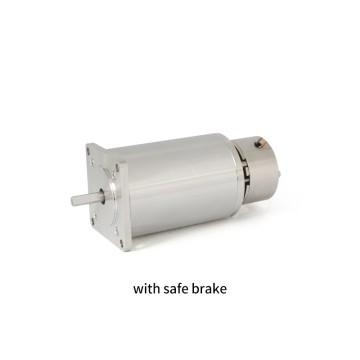
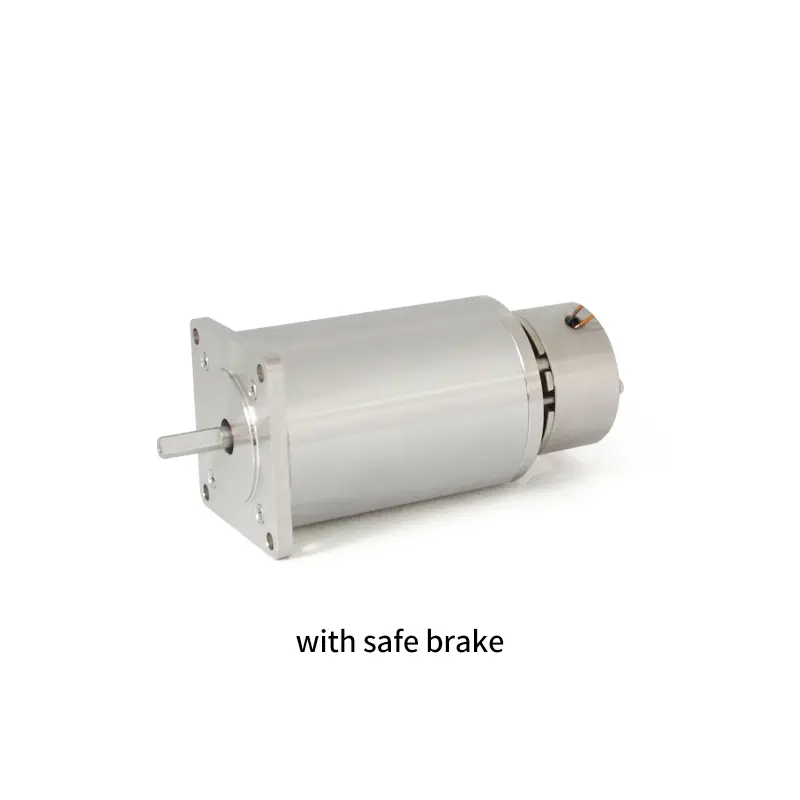
- Safe brake
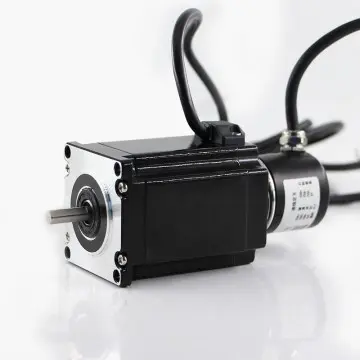
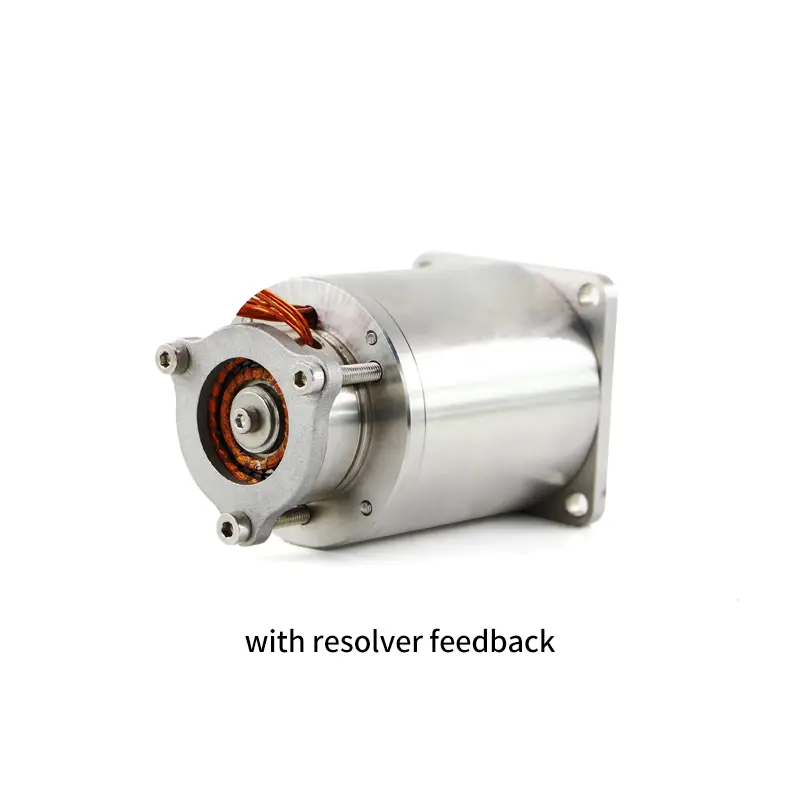
- Resolver feedback
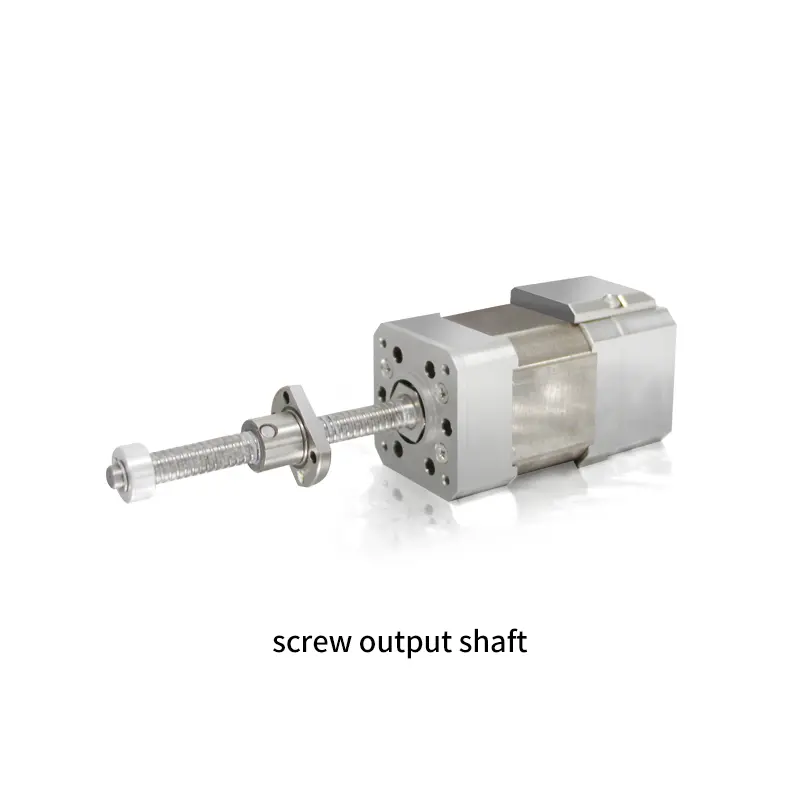
- Screw output shaft
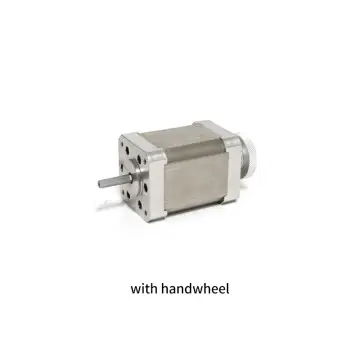
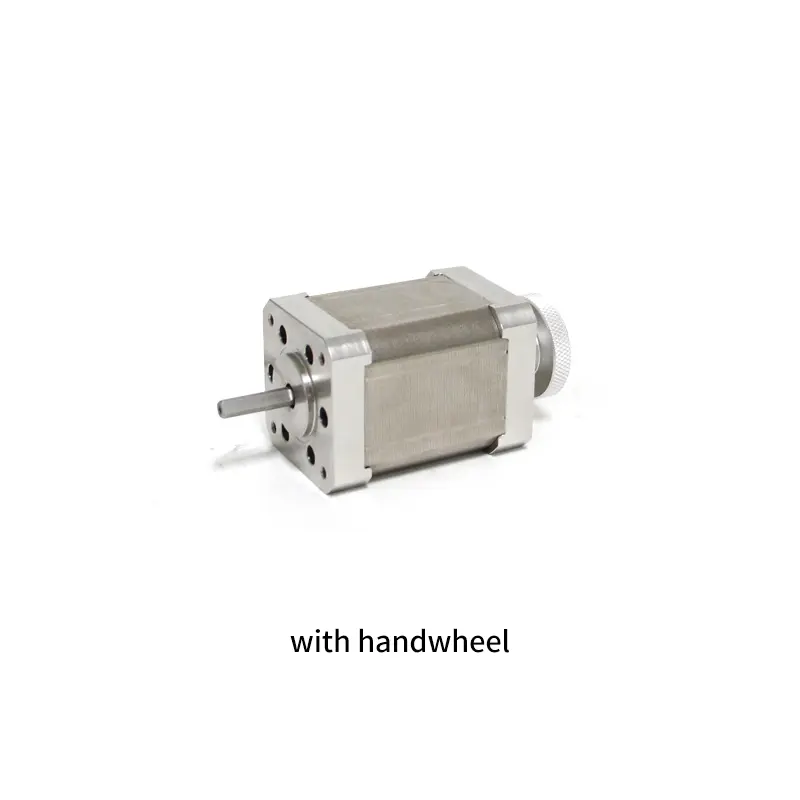
- Handwheel
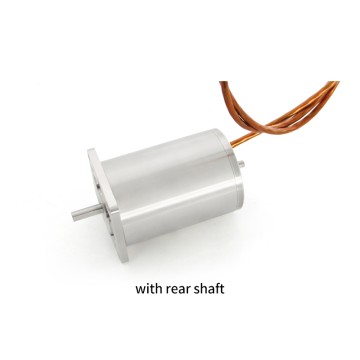
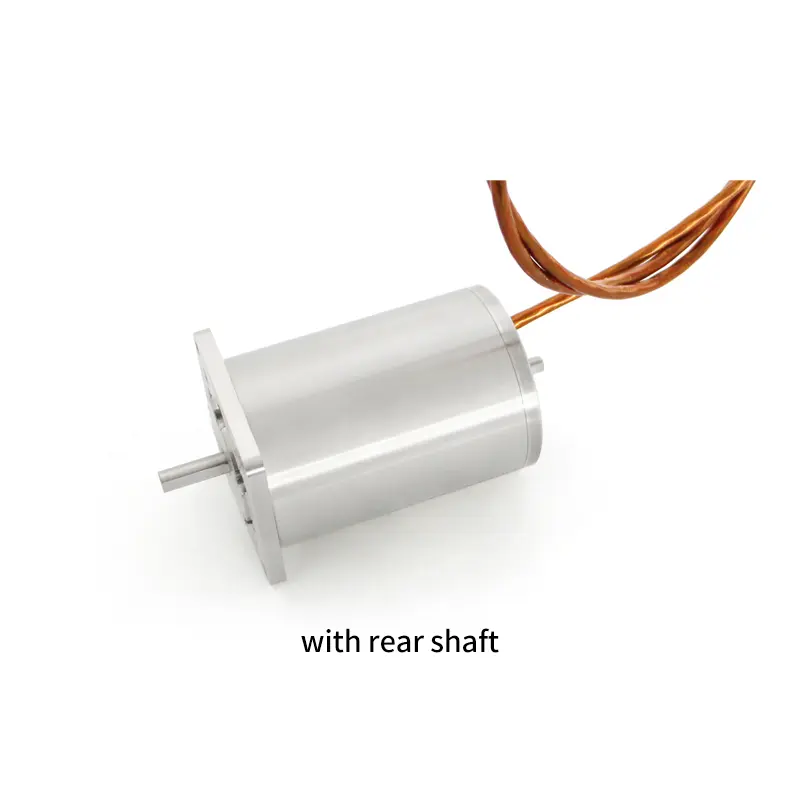
- Rear shaft
Ordering Information

KVM series stepper motors
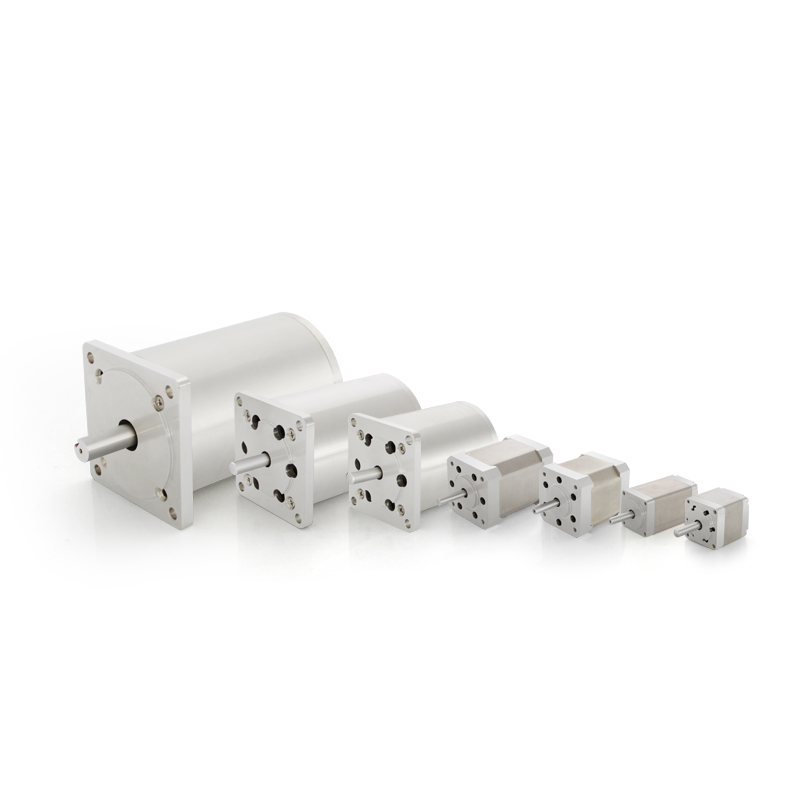
20/28/35/42/57/60/86mm
30/32/38/42/48/51/53/60/70/84/86/128mm
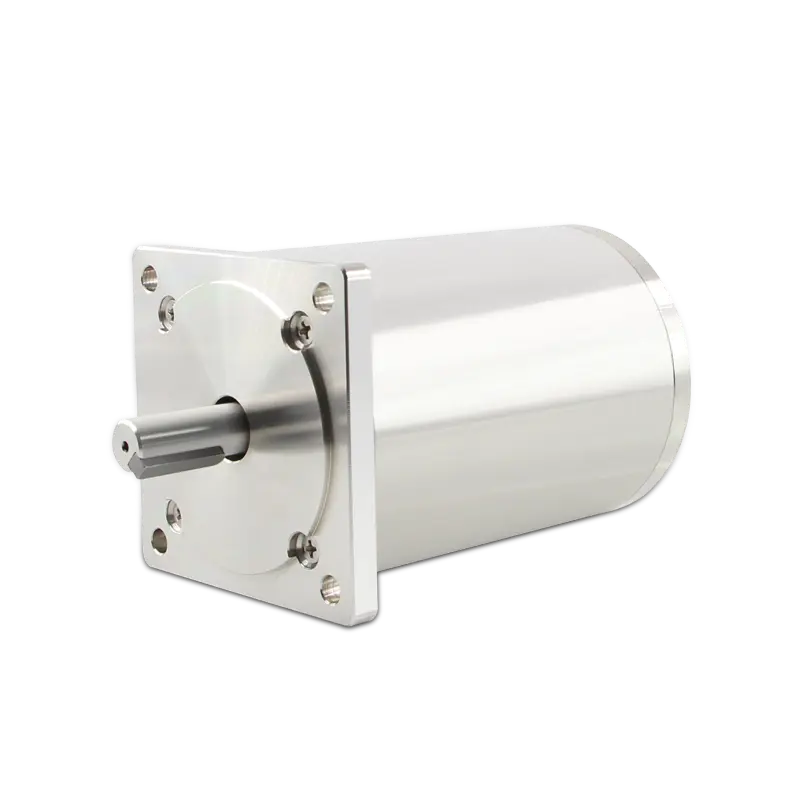
D = single shaft
SZ = double shaft
Blank = without brake
B = with brake
Blank = without feedback
**R = with resolver feedback
| Environmental temperature rating code | Temperature range (℃) | Vacuum class (Pa, optional) |
Radiation resistance (Gy, optional) |
|---|---|---|---|
| RHT | -20~+200 | 10-3 | 106 |
| SHT | -20~+200 | 10-3/10-5/10-7 | - |
| HT | -20~+150 | 10-3/10-5/10-7 | - |
| NTL1 | -40~+85 | 10-1 | - |
| NTL2 | -60~+120 | 10-3/10-5 | - |
| NTL3 | -65~+125 | 10-3 | - |
| NTL4 | -80~+40 | 10-3 | - |
| NTL5 | -60~+150 | - | - |
| LT | -100~+40 | 10-3 | - |
| SLT | -196~+40 (Non-condensing) |
10-3/10-5/10-7 | - |
| L*H* | customized | customized | customized |
Blank = Non-vacuum
V3 = Low pressure or vacuum to 10-3Pa
V5 = Vacuum to 10-5Pa
V7 = Vacuum to 10-7Pa
Blank = No radiation resistance
RH = Radiation resistance (total dose 106Gy)
*It is not possible to install both brake and position feedback devices on one single motor.
**Kingsni can provide signal converter to convert resolver signals to RS485 output or A/B incremental pulse output.
Description
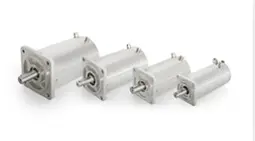
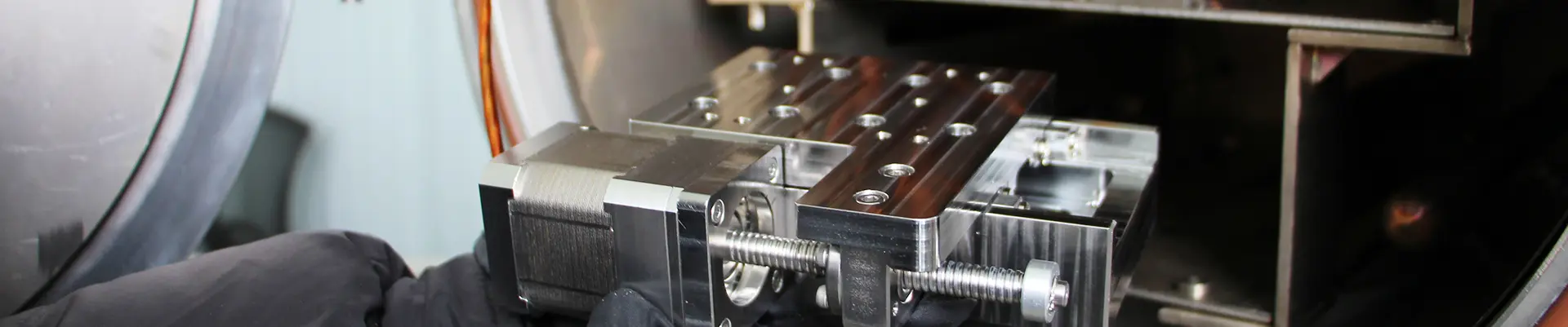
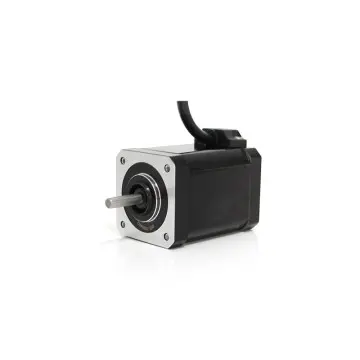
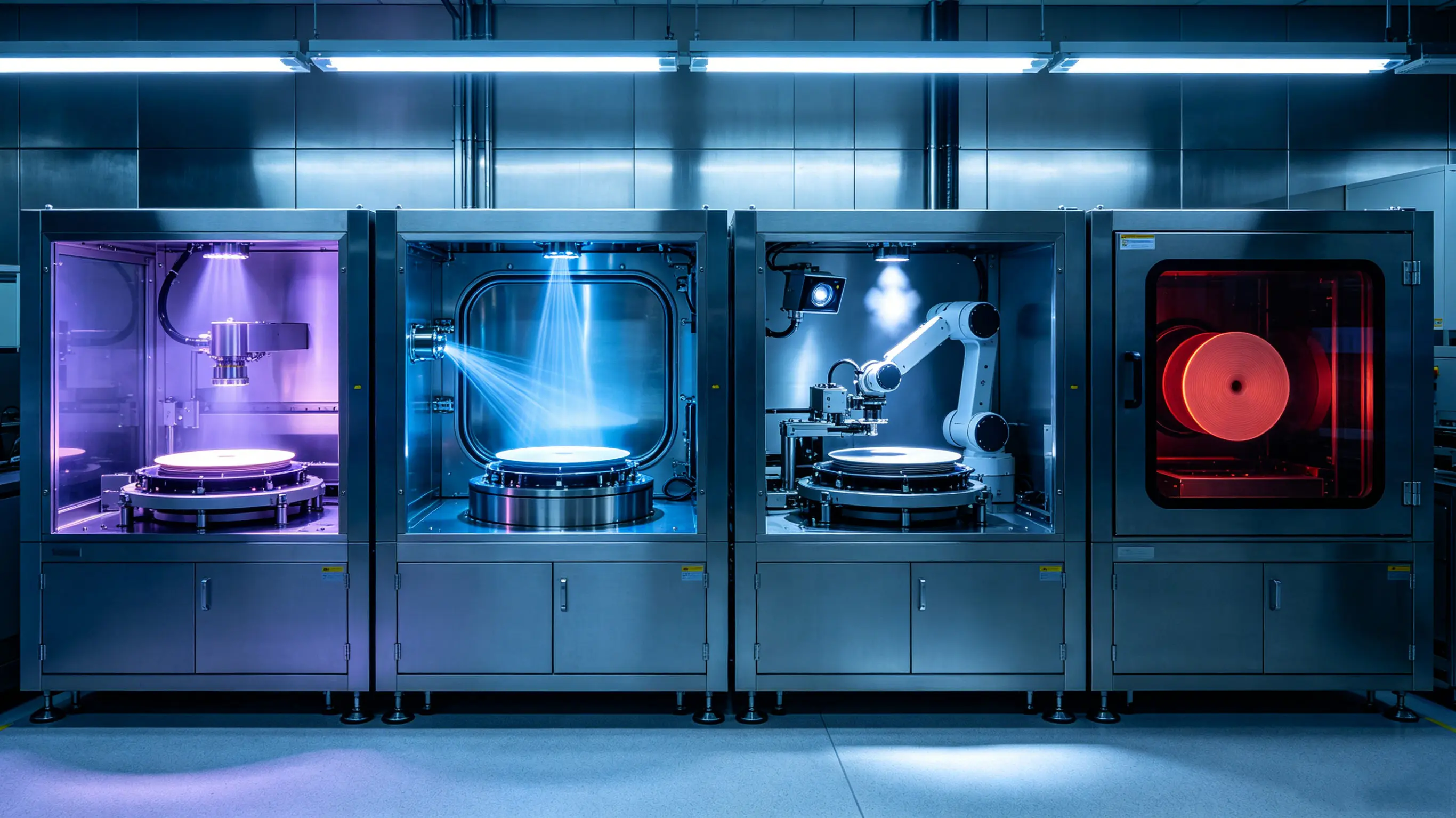
Semiconductor manufacturing involves multiple core processes, including etching, ion implantation, wafer inspection, and low-temperature annealing. The production environment is characterized by ultra-high vacuum, low-temperature operations, and minimal radiation, placing extremely high demands on the low-temperature performance, positioning accuracy, and reliability of drive components. The KVM Series Low-Temperature Stepper Motors are deeply rooted in the semiconductor industry and specifically engineered for harsh low-temperature processes. These motors seamlessly integrate into the entire semiconductor production workflow, making them the preferred core drive solution for wafer processing equipment. These low-temperature stepper motors can achieve an ultra-high vacuum level of 10⁻⁷ Pa. Utilizing solid lubrication technology, they emit no gases, thereby maintaining the ultra-high cleanliness standards of semiconductor chambers, preventing impurity contamination of wafers, and ensuring process stability. The low-temperature performance of these motors has been specially optimized to maintain stable operation in extreme cold environments, and their clean design fully meets the requirements of semiconductor cleanroom production.
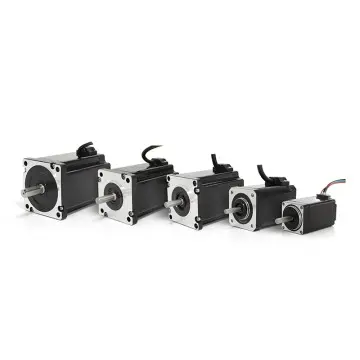
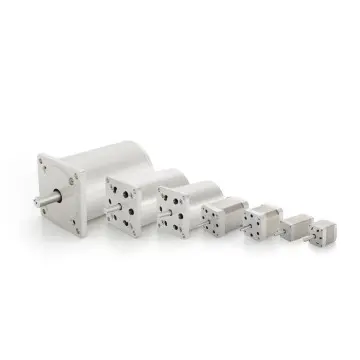
Semiconductor cryogenic processes demand extremely strict temperature control. With exceptional low-temperature performance, these motors operate stably at extreme temperatures as low as -196°C while also withstanding high-temperature conditions up to +200°C, making them suitable for various process requirements such as cryogenic etching and high-temperature annealing. These low-temperature stepper motors maintain stable torque within the range of 0.04–6 Nm, meeting the drive requirements for both light and heavy loads. With flange sizes available in 28, 42, 57, and 86 mm, they can be integrated with various models of precision semiconductor equipment. To withstand high-energy radiation in processes such as ion implantation, the cryogenic stepper motor can endure an irradiation intensity of 1×10⁶ Gy. Its internal circuitry and structure are resistant to aging, making it suitable for long-term, uninterrupted production on semiconductor production lines. The torque stability of the cryogenic stepper motor ensures precision in wafer processing, while its multi-specification design enhances compatibility with semiconductor equipment.
To meet the automation needs of the semiconductor industry, these low-temperature stepper motors support optional features such as safety braking, handwheels, and temperature sensors. They can adapt to both manual debugging and fully automated production modes, enhancing operational convenience and production efficiency. At wafer alignment stations, these motors achieve micron-level positioning accuracy, ensuring precise alignment between wafers and equipment; during vacuum valve control, they precisely regulate chamber opening and closing to maintain a stable vacuum environment; In cryogenic testing equipment, these motors drive the smooth movement of wafers, ensuring testing accuracy. Under demanding cleanroom conditions, their low wear and low failure rate minimize production line downtime. With their strong adaptability, high precision, and long service life, these motors help the semiconductor industry achieve high-precision, high-efficiency, and low-cost intelligent production, establishing themselves as core drive components in the semiconductor manufacturing sector.
KVM series stepper motors support an extensive temperature range depending on the configuration, operating stably from extreme low temperatures of -196°C up to high-temperature environments of +200°C.
No, it is not possible to install both a safety brake and position feedback devices on a single motor simultaneously due to design constraints.
The KVM stepper motors are designed for ultra-high vacuum applications and can achieve vacuum levels up to 10⁻⁷ Pa (V7 class), using solid lubrication technology to prevent gas emission.
Resolver feedback is optional. Additionally, Kingsni can provide a signal converter to convert resolver signals to RS485 output or A/B incremental pulse output.
Yes, options with radiation resistance (RH code) are available, capable of enduring high-energy irradiation intensity up to 1×10⁶ Gy, making them ideal for processes like ion implantation.