

Leave Your Message
KLS Series Vacuum Linear Module: Precision Stepper Motors from China Suppliers | Factory for Optical Coating Applications

Hot Products
Products Categories
Featured Products

KLS Series Vacuum Linear Module: Precision Stepper Motors from China Suppliers | Factory for Optical Coating Applications

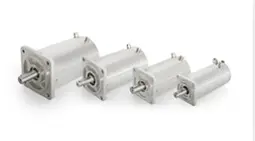
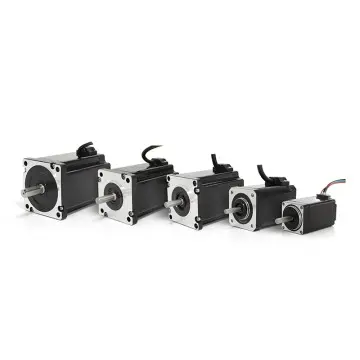
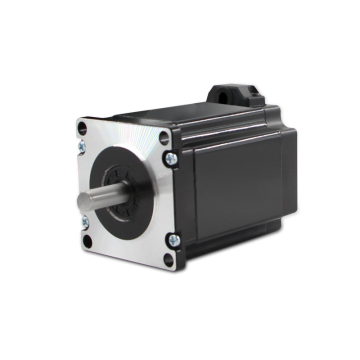
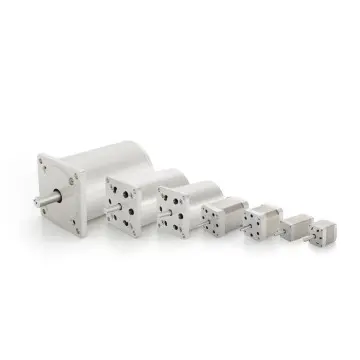
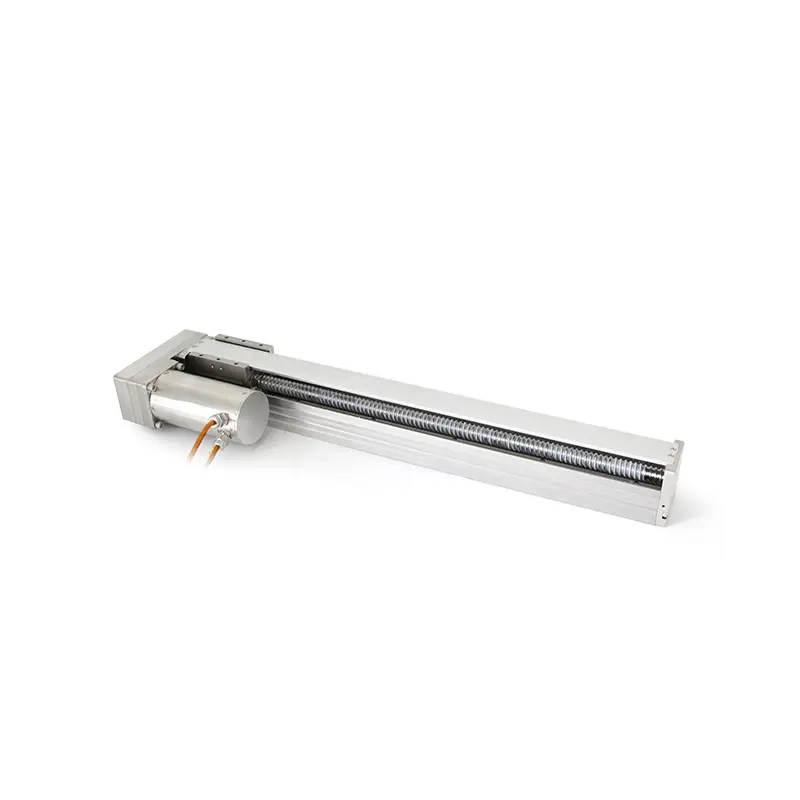
Introducing our high-performance stepper motors designed for specialized applications in vacuum, cryogenic environments, high temperatures, and radiation exposure, - **Vacuum Operation:** Achievable vacuum levels down to 10-7Pa make these motors ideal for demanding scientific and industrial uses, - **Temperature Range:** They operate efficiently in extreme temperatures, from -196°C to 200°C, ensuring reliability in diverse conditions, - **Radiation Resistance:** With a remarkable resilience to radiation exposure of up to 106Gy, our stepper motors are perfect for nuclear applications and other health-sensitive environments, - **Base Width Options:** Available in multiple base widths (30mm, 40mm, 60mm, 80mm, 135mm, 170mm), these motors can be tailored to fit specific installation needs, - **Load Capacity:** They support a maximum load of 150Kg horizontally and 100Kg vertically, providing robust performance for heavy-duty tasks, - **Precision Engineering:** Enjoy exceptional repeatability of ±0.01mm, making these motors a reliable choice for precision applications, As a leading factory in China, we pride ourselves on being top suppliers of advanced stepper motors, catering to diverse industrial demands with quality and innovation

    Ordering Information
    KLS Series Ordering Code Structure
    ① Product series
    KLS series linear motion stage
    ② Base width(mm)

    30 = 30mm

    40 = 40mm

    60 = 60mm

    80 = 80mm

    140 = 135mm

    170 = 170mm

    ③ Stroke length(mm)

    50, 100, 150, 200, 250, 300, 350, 400, 450, 500, 550, 600, 650, 700, 750, 800, 850, 900, 950, 1000, 1050, 1100, 1150, 1200, 1250, 1300, 1350, 1400, 1450, 1500

    Please refer to the specification tables for the available stroke length.

    ④ Screw lead(mm)

    2, 4, 5, 10, 16, 20mm

    Please refer to the specification tables for the available screw lead.

    ⑤ Motor mounting

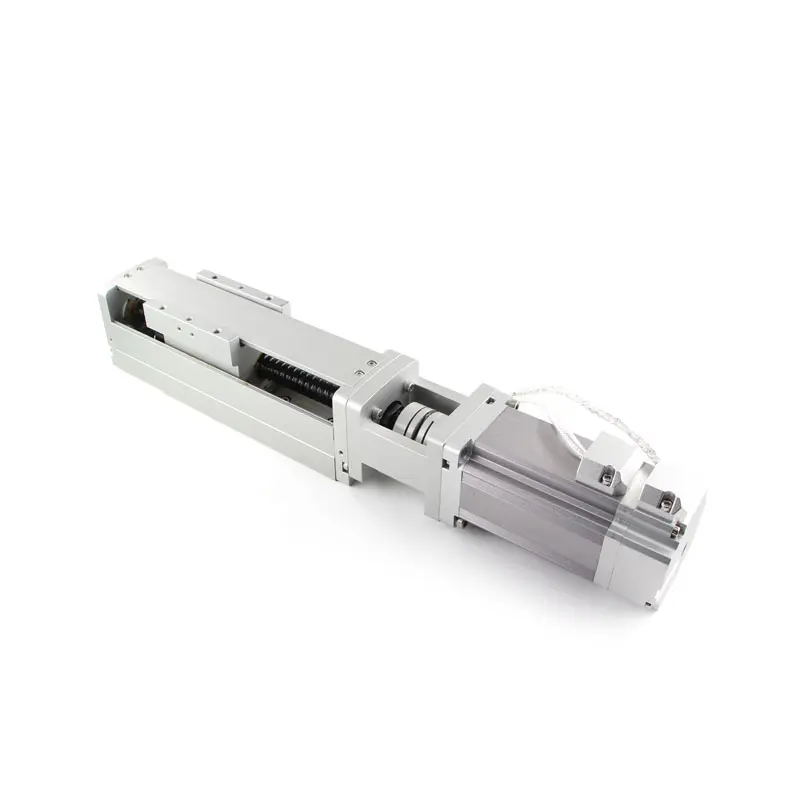
    ISC: In-line (with coupling)

    PR: Parallel on right side (with high precision gear, ratio 1:1)

    PL: Parallel on left side (with high precision gear, ratio 1:1)

    PB: Parallel below the linear motion stage (with high precision gear, ratio 1:1)
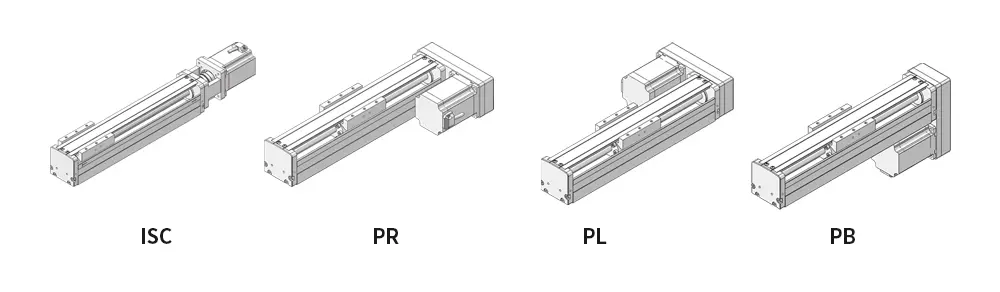
    Motor Mounting Configurations
    ⑥ Environmental temperature ratings
    Environmental temperature rating code Temperature range (℃) Vacuum class (Pa, optional) Radiation resistance (Gy, optional)
    RHT -20~+200 10-3 106
    SHT -20~+200 10-3/10-5/10-7 -
    HT -20~+150 10-3/10-5/10-7 -
    NTL1 -40~+85 10-3/10-5 -
    NTL2 -40~+100 - -
    NTL3 -65~+125 10-3 -
    NTL4 -80~+40 10-3 -
    NTL5 -55~+150 - -
    ⑦ Vacuum class

    Blank: Non-vacuum

    V3: Low pressure or vacuum to 10-3Pa

    V5: Vacuum to 10-5Pa

    V7: Vacuum to 10-7Pa

    ⑧ Radiation resistance

    Blank: No radiation resistance

    RH: Radiation resistance (total dose 106Gy)

    ⑨ Designator of mounted motor

    e.g.

    KH42: KH series 42mm stepper motor

    KVM57: KVM series 57mm stepper motor

    KECM400: KECM series 400W servo motor

    KSSM750: KSSM series 750W servo motor

    PB60L2: PB60 2-stage reducer (please specify the reducer stage, e.g. L1 or L2)

    Description
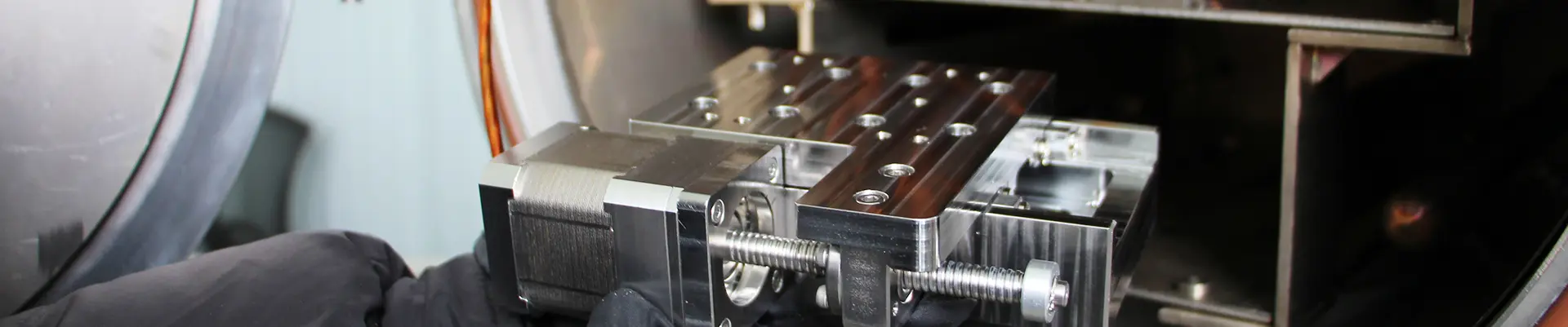
    Core Perspective: The pursuit of "zero contamination" and "uniformity" in optical coating. Optical coatings, particularly laser mirrors and infrared antireflection layers, demand defect-free film structures. Any particle contamination can create "pinholes," drastically reducing the laser-induced damage threshold. Standard modules operating under high vacuum degree of 10^-7 Pa continuously outgas water vapor and hydrocarbons, which, when decomposed by plasma, deposit onto optics as absorptive contamination layers. The KLS Series Vacuum Linear Module fundamentally solves this problem. This vacuum linear module utilizes materials – from guideways and leadscrews to motor cables – that have undergone rigorous outgassing rate testing, with Total Mass Loss (TML) and Collected Volatile Condensable Materials (CVCM) meeting aerospace-grade requirements.

    During ion-beam-assisted deposition (IBAD), this vacuum linear module must operate for extended periods at substrate heating temperatures reaching max +200°C. Its specially designed ferrofluidic feedthrough ensures no leakage at the motion feedthrough flange. When coating certain film stacks that require substrates to be cryogenically trapped at min -196°C, this vacuum linear module performs equally well without cold-induced jamming. For extreme ultraviolet (EUV) mirrors used in large-scale scientific facilities, the coating process is extremely vibration-sensitive. The KLS Series Vacuum Linear Module features a low-ripple drive algorithm that ensures the vibration amplitude generated during ±0.01mm repeatability motion remains below 50 nanometers.

    Regarding specification selection, this vacuum linear module offers a heavy-duty version with a body width of 170mm. Its maximum load capacity of horizontal 150kg can support space-qualified primary mirrors exceeding one meter in diameter. Conversely, the miniature body width of 30mm vacuum linear module suits moving shutters or crystal monitor heads inside small experimental coaters. Notably, this vacuum linear module tolerates radiation intensity of 10^6Gy, qualifying it for post-coating treatment of radiation-resistant optical windows for nuclear facilities. In actual production, the KLS Series Vacuum Linear Module typically operates as a "planetary drive" for coating domes: it drives a planetary gear mechanism, moving optics in a programmed trajectory above evaporation sources, controlling film thickness non-uniformity to below 0.5%. The body width 40mm and 60mm versions are most popular due to their low installation profile and ease of integration. Furthermore, this vacuum linear module offers remote fault diagnosis. If abnormal resistance is detected within the 10^-7Pa vacuum chamber, it issues early warnings, preventing costly chamber venting and production losses. Simply put, without a clean, reliable vacuum linear module like the KLS Series, high-end optical coating cannot transcend from "acceptable" to "exceptional."
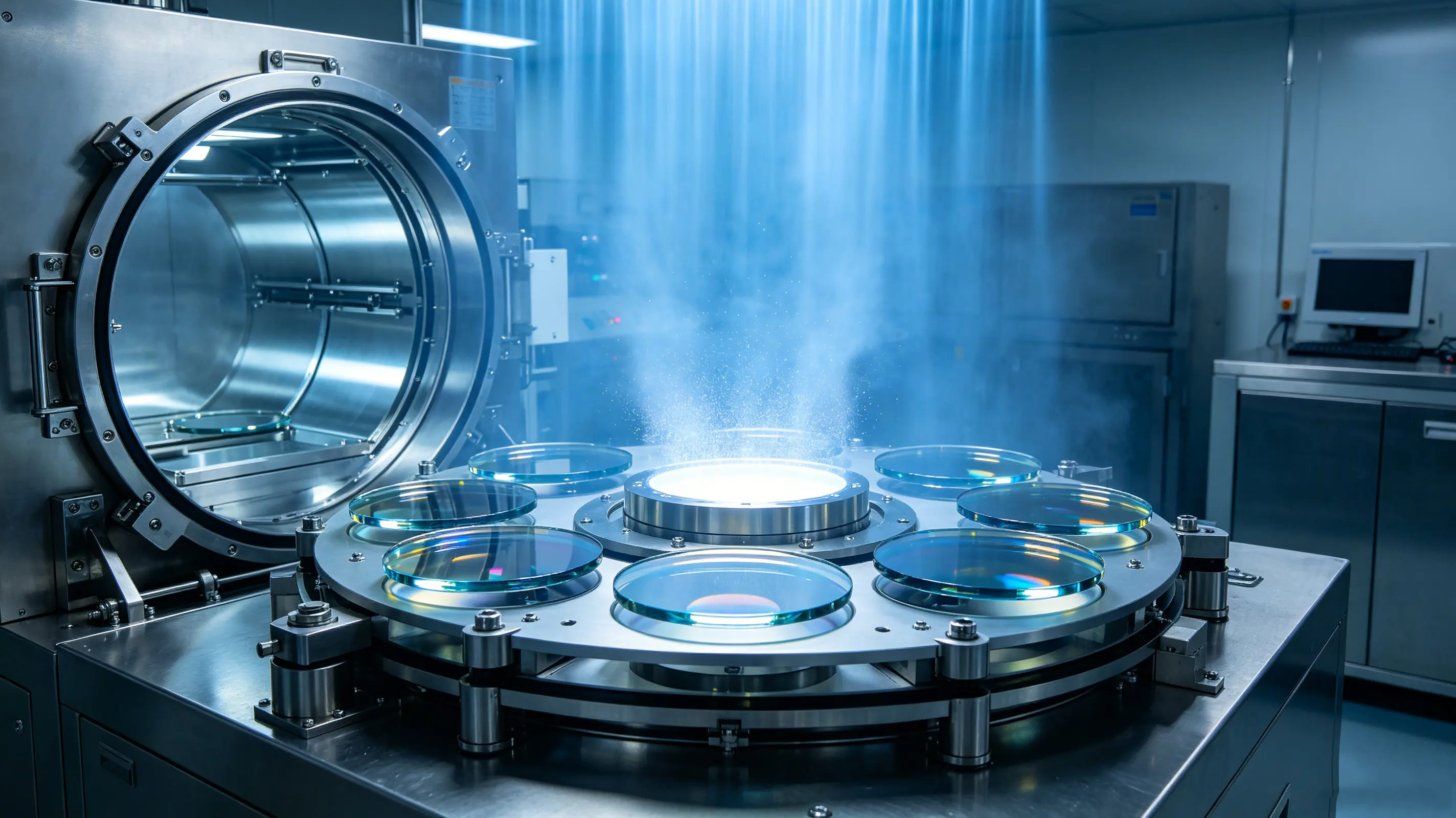
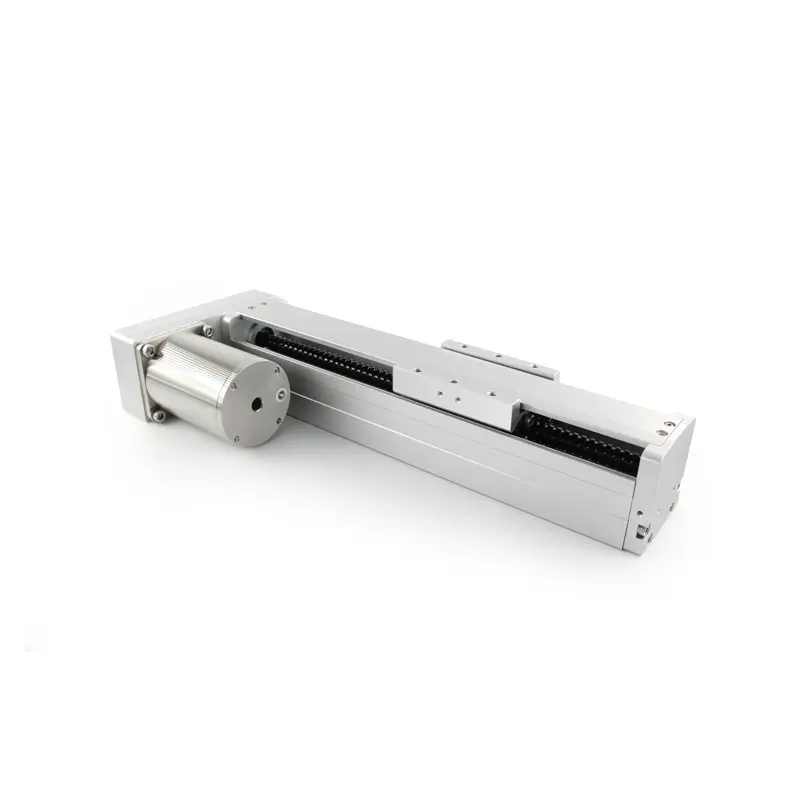
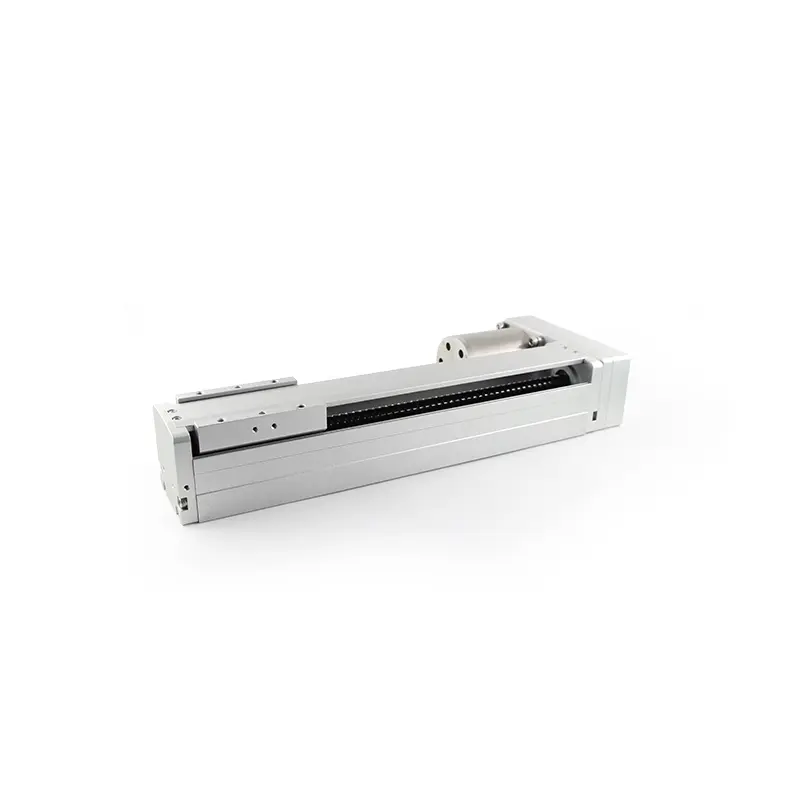
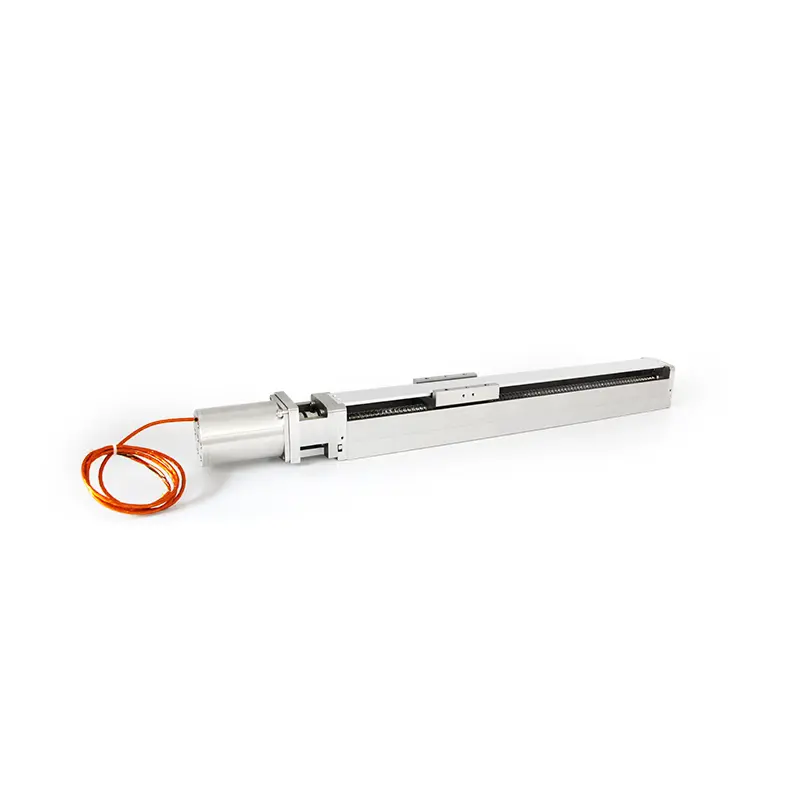
    KLS Series Vacuum Linear Module Product View
    Frequently Asked Questions
    Q: How does the KLS Series ensure "zero contamination" in high vacuum environments?
    All materials, including guideways, leadscrews, and motor cables, undergo rigorous outgassing rate testing. Their Total Mass Loss (TML) and Collected Volatile Condensable Materials (CVCM) meet aerospace-grade requirements, preventing the outgassing of water vapor and hydrocarbons.
    Q: What temperature range limits can this vacuum linear module handle?
    The KLS Series offers specialized configurations that can operate at temperatures as high as +200°C (e.g., during substrate heating in coating processes) and as low as -196°C under cryogenic conditions without experiencing cold-induced jamming.
    Q: How does the system control vibration during sensitive processes?
    It features a low-ripple drive algorithm that keeps the vibration amplitude below 50 nanometers during ±0.01mm repeatability motions, which is essential for vibration-sensitive operations like extreme ultraviolet (EUV) mirror coatings.
    Q: What are the maximum load capacities and sizes available?
    Body widths range from a miniature 30mm (ideal for small experimental coaters) up to a heavy-duty 170mm. The 170mm version supports a maximum horizontal load capacity of 150kg, suitable for large optical mirrors.
    Q: Does the module support radiation-resistant environments?
    Yes, configurations with the "RH" radiation resistance code can tolerate radiation intensities up to a total dose of 106Gy, making them qualified for nuclear facilities and related post-coating applications.
    Q: Does the KLS module offer any preventive warning systems?
    Yes, it features remote fault diagnosis. If abnormal resistance is detected within the 10-7Pa vacuum chamber, it issues early warnings to prevent costly chamber venting and production downtime.

    Leave Your Message