

Hot Products
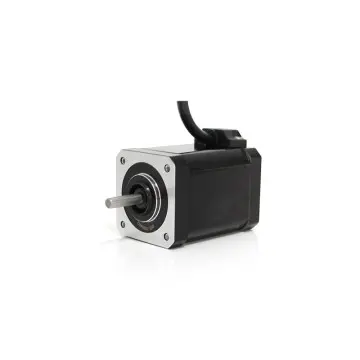
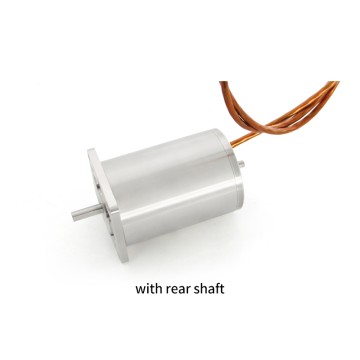
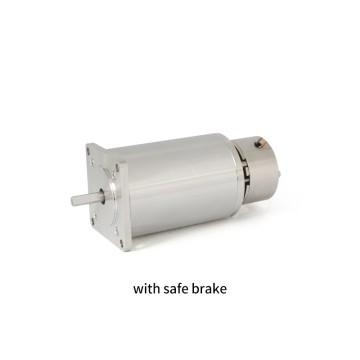
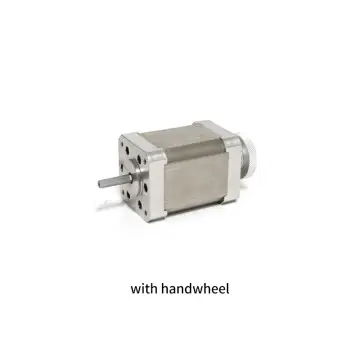
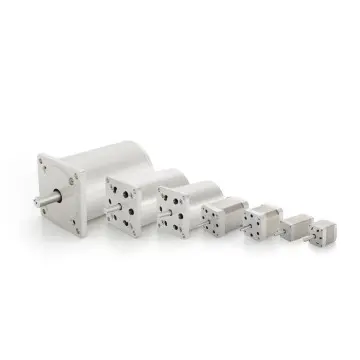
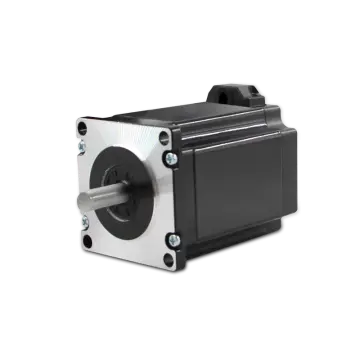
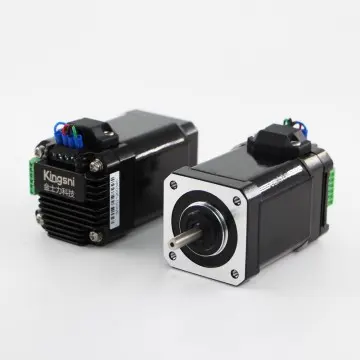
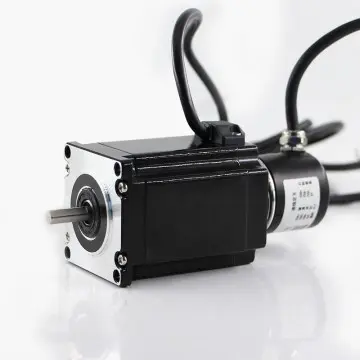


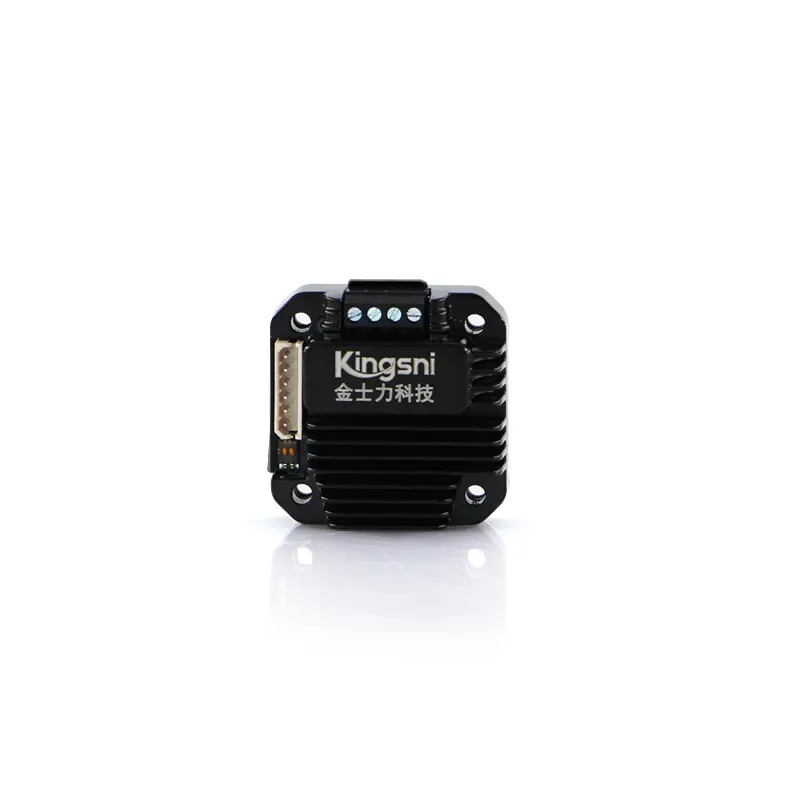
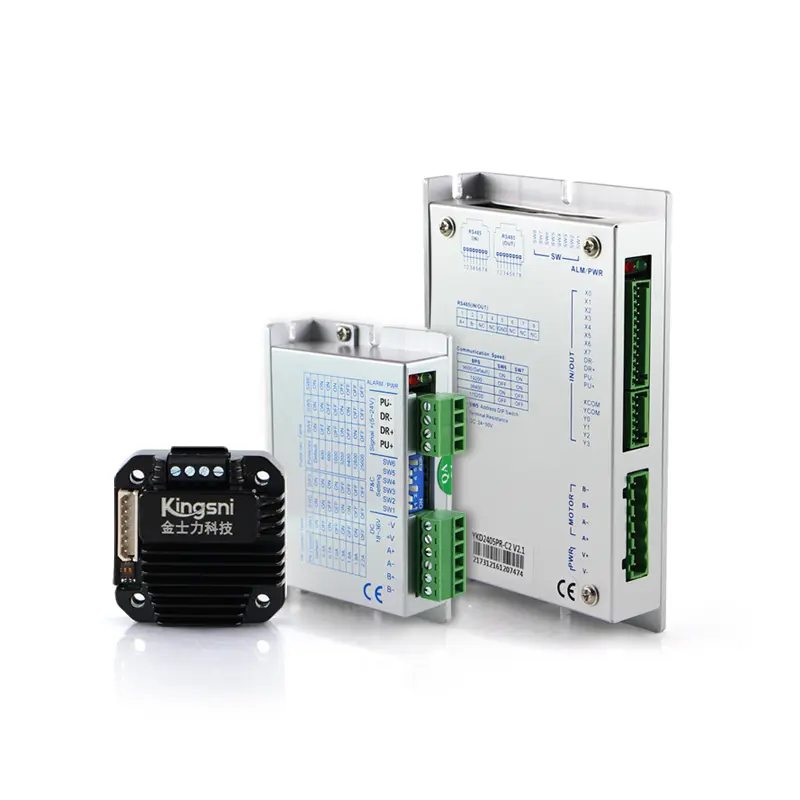
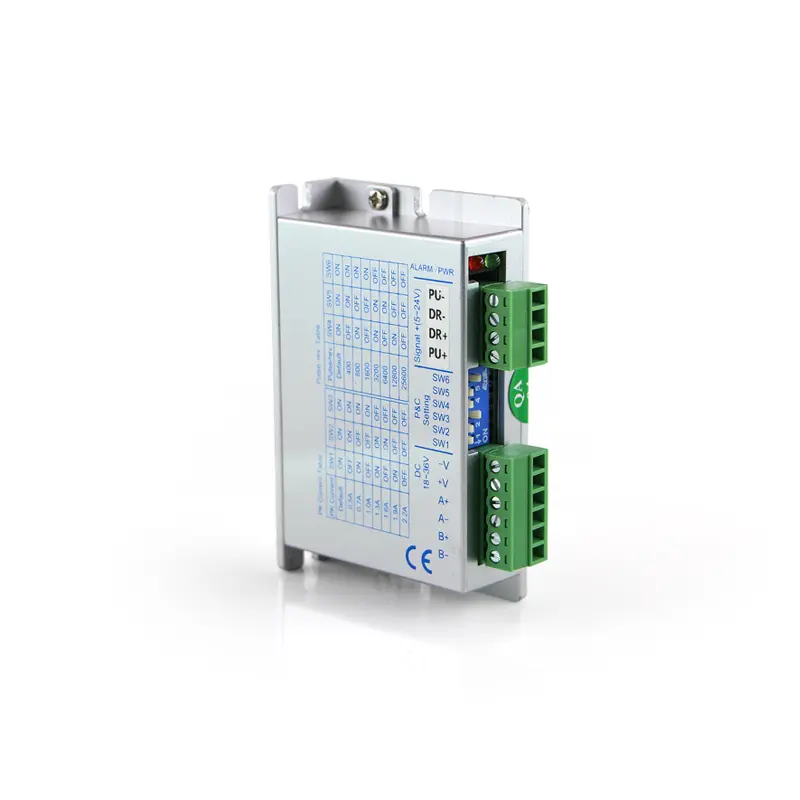
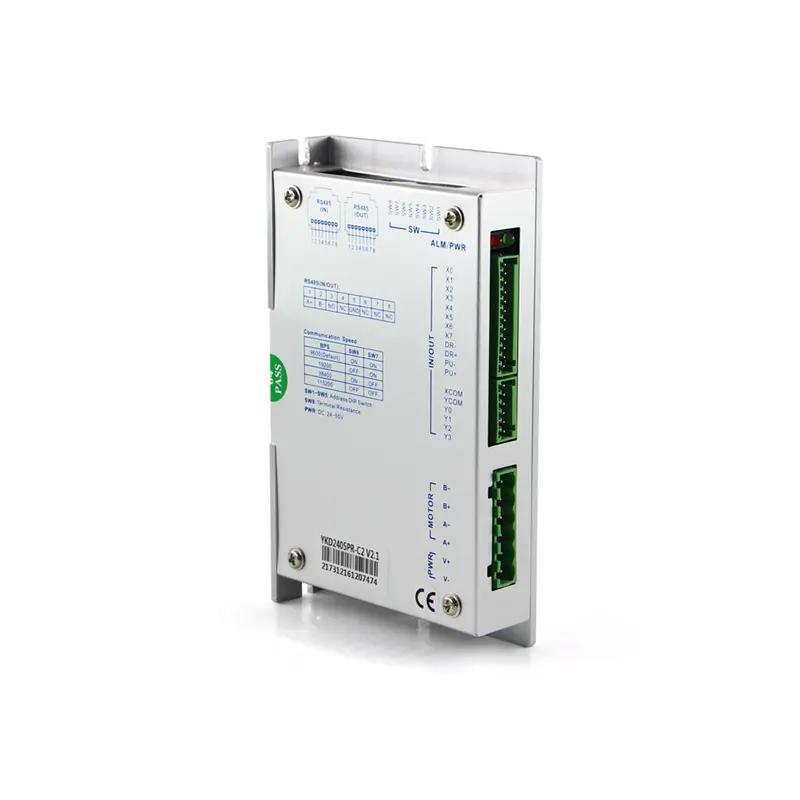
High-Performance Stepper Drives for Radiation Environments | China Factory Suppliers for Reliable Automation Solutions
Key Features
- Micro-step control, smooth running, low noise and high torque capacity
- Protections: over-voltage, under-voltage, over-current
- Operating temperature: 0 to +50°C or -40 to +85°C
- Control loop: open-loop or closed-loop
- Power supply: DC 12~110VDC or AC 18~80VAC
Command Source
Pulse & Direction
Standard command interface for precise motion control.
Communication Protocols
RS485 (Modbus RTU), EtherCAT, CANopen.
I/O Triggered Control
Multi-position or multi-speed control triggered via I/O.
Analog & Potentiometer
Speed control via analog voltage or external potentiometer.
Applications
Biomedical
Semiconductor manufacturing
3C manufacturing
Scientific Instruments
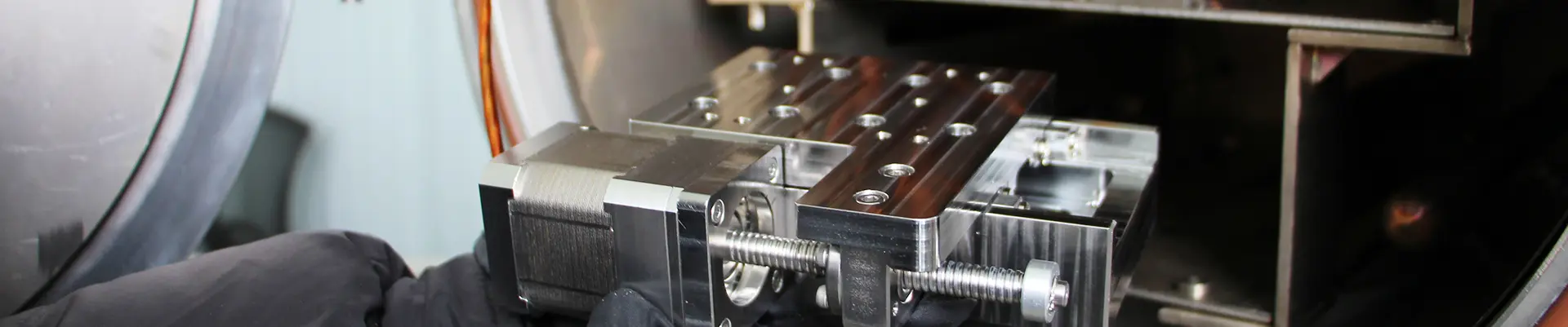
In-vacuum equipment
Nuclear energy
Military and Aerospace
Automotive parts testing
General Automation
Frequently Asked Questions
Q1: What are the primary control loop options available?
A1: The system supports both open-loop and closed-loop control configurations to match your specific precision and feedback requirements.
Q2: What communication protocols does the driver support?
A2: It supports RS485 (Modbus RTU), EtherCAT, and CANopen communication protocols for seamless integration into various industrial networks.
Q3: Can this device operate in extreme temperature environments?
A3: Yes, depending on the model configuration, it can operate in standard environments from 0 to +50°C, or extreme environments ranging from -40 to +85°C.
Q4: What safety protections are built into the system?
A4: The driver features integrated protection mechanisms against over-voltage, under-voltage, and over-current conditions to ensure safe and reliable operation.
Q5: What power supply range is required?
A5: The system is highly versatile, accepting DC power supplies from 12 to 110VDC or AC power supplies from 18 to 80VAC.
Q6: What command sources can be used for speed and position control?
A6: Control can be managed via Pulse and Direction, communication interfaces (RS485/EtherCAT/CANopen), I/O triggered multi-position/speed settings, or analog voltage/potentiometer inputs.