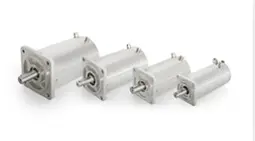
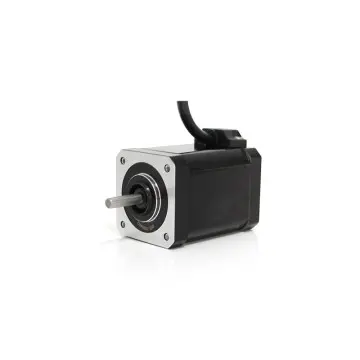
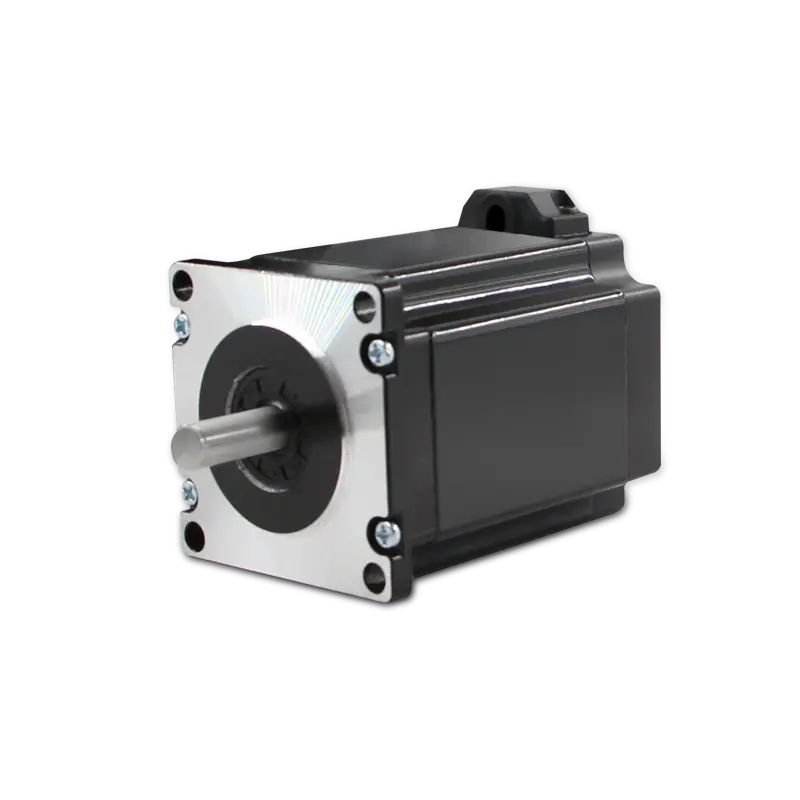
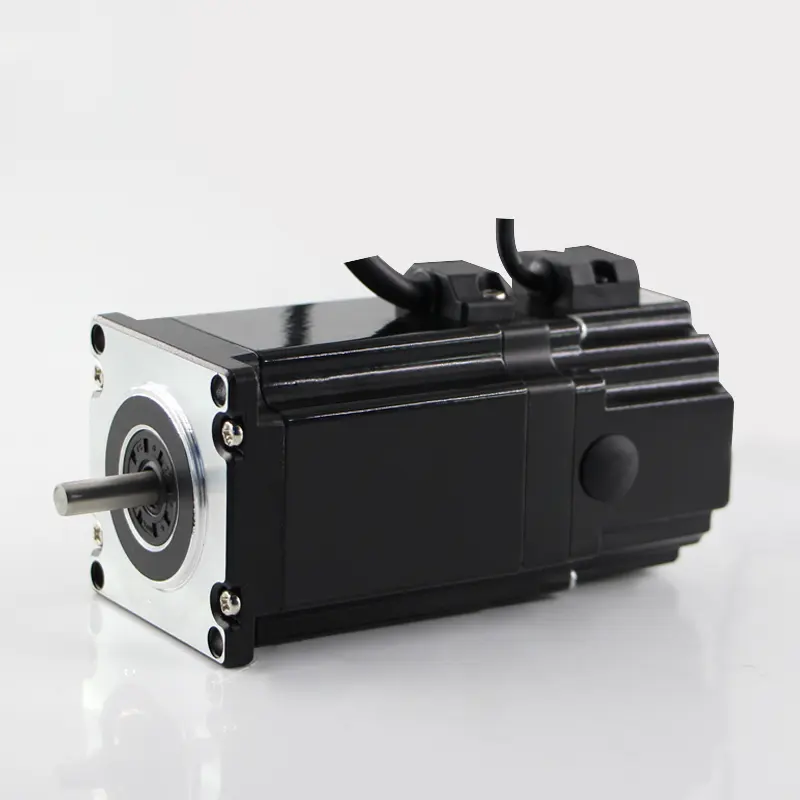
The KSSM series servo motor is a special servo motor designed for application environments such as ultra-high vacuum ultra-high tem- perature, deep low temperature, and irradiation. The shell is made of stain- less steel material and uses a rotary transformer as the motor position feedback component. Rated power of 400W, 750W.1800W, 3800W, volt- age level of 48VDC/220V AC/380VAC.
KH Series High-Low Temperature Stepper Motors from China Suppliers - Factory Direct for Automotive Wiring Harness Testing
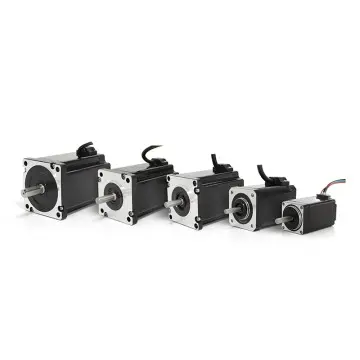
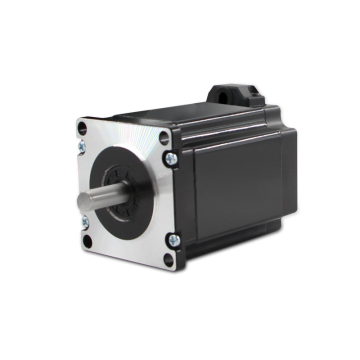
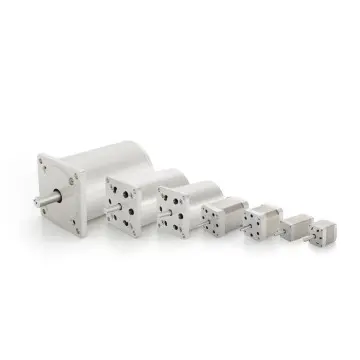
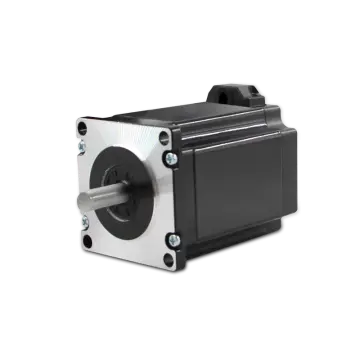
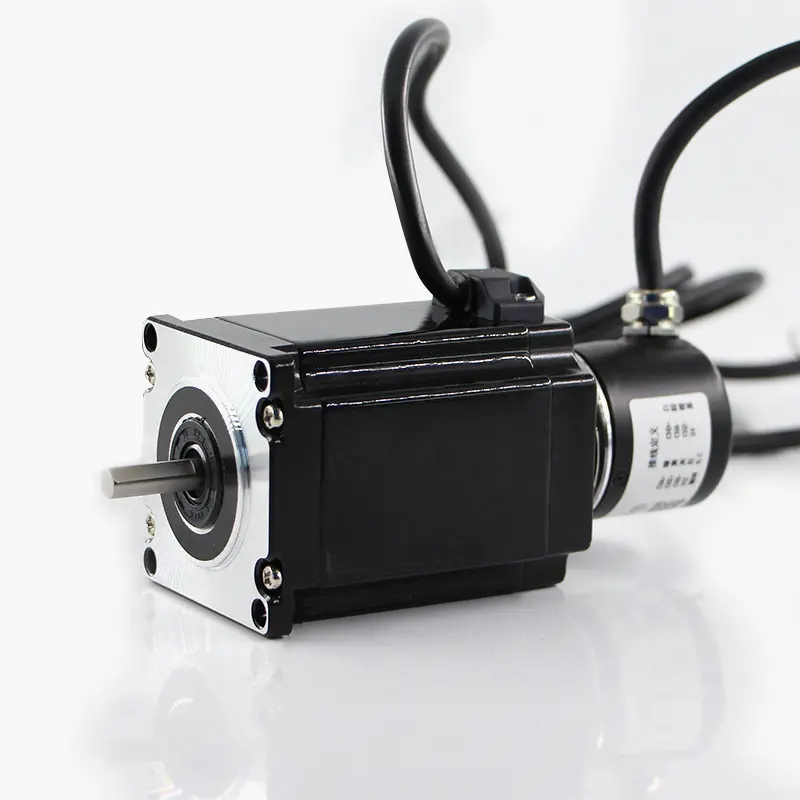
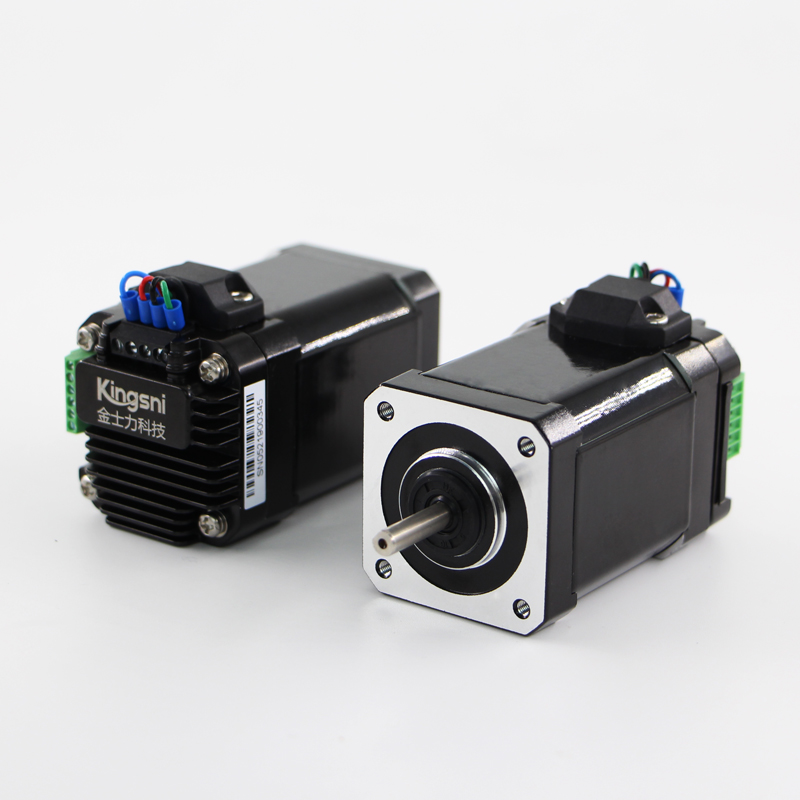
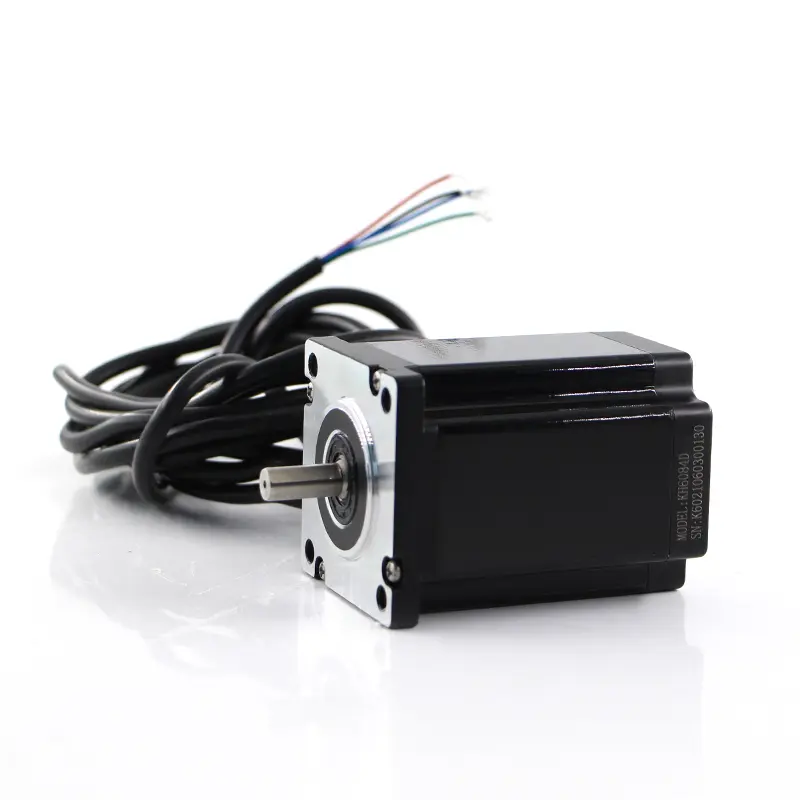
Introducing our high-performance motors designed to meet a wide range of industrial needs. Our products operate effectively in extreme environments, with an operating temperature range from -45℃ to 100℃. Whether you require Nema 11 or Nema 17 motors, our motor flanges are available in sizes of 28mm and 42mm, ensuring compatibility with various applications, Our motors provide reliable holding torque options of 0.1Nm and 0.5Nm, making them ideal for precise control in demanding situations. Additionally, we offer customizable options including feedback devices, safety brakes, modified shafts, and integrated drives to cater to specific project requirements, As a leading China supplier and factory of high-quality motors, we are committed to delivering exceptional products that meet international standards. Partner with us for your motor solutions and experience unparalleled reliability and performance
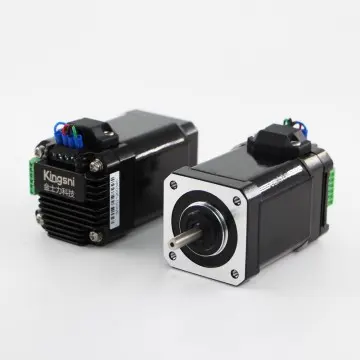
DRC = stepper driver mounted on the side of the motor
DRH = stepper driver mounted at the rear end of the motor
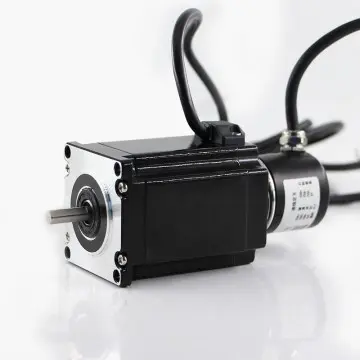
*It is not possible to install both brake and position feedback devices on one single motor.
**In order for the incremental encoder signal to be received and processed by the closed-loop stepper drive, the encoder output signals must be 5V differential signals with a maximum resolution of 2500PPR.
*** The absolute encoder feedback signals need to be received and processed by the user′s controller.
Description
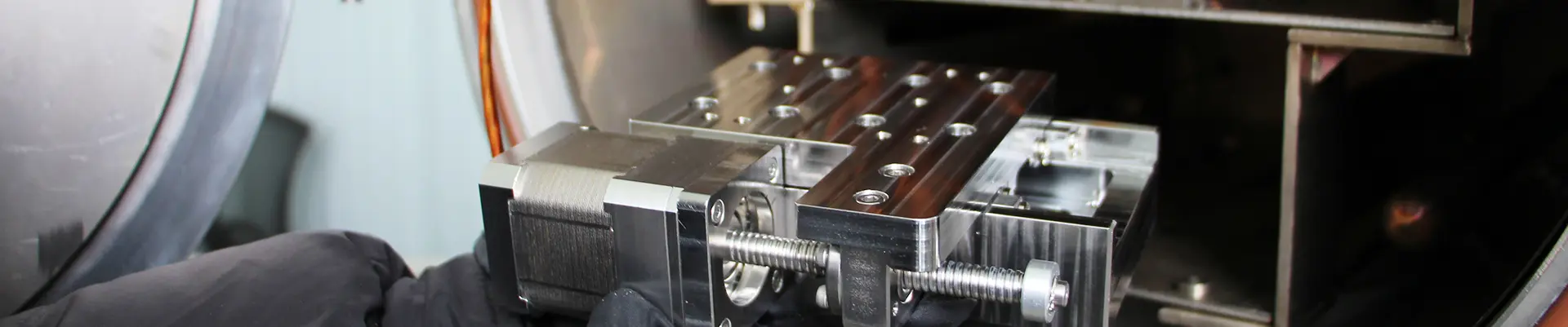
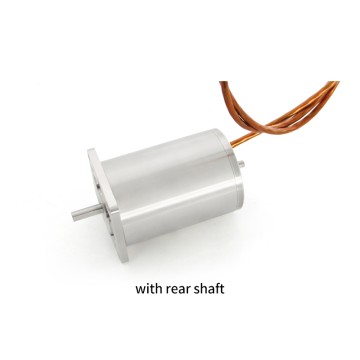
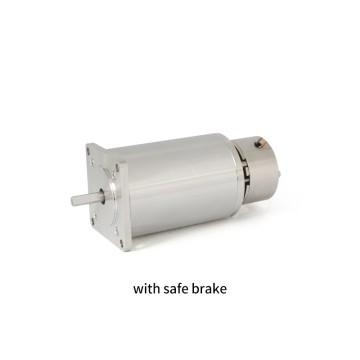
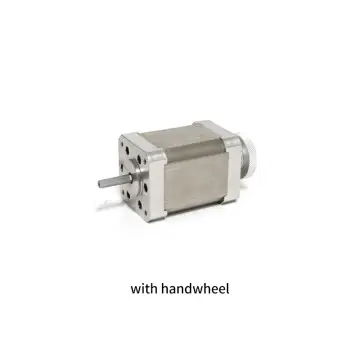
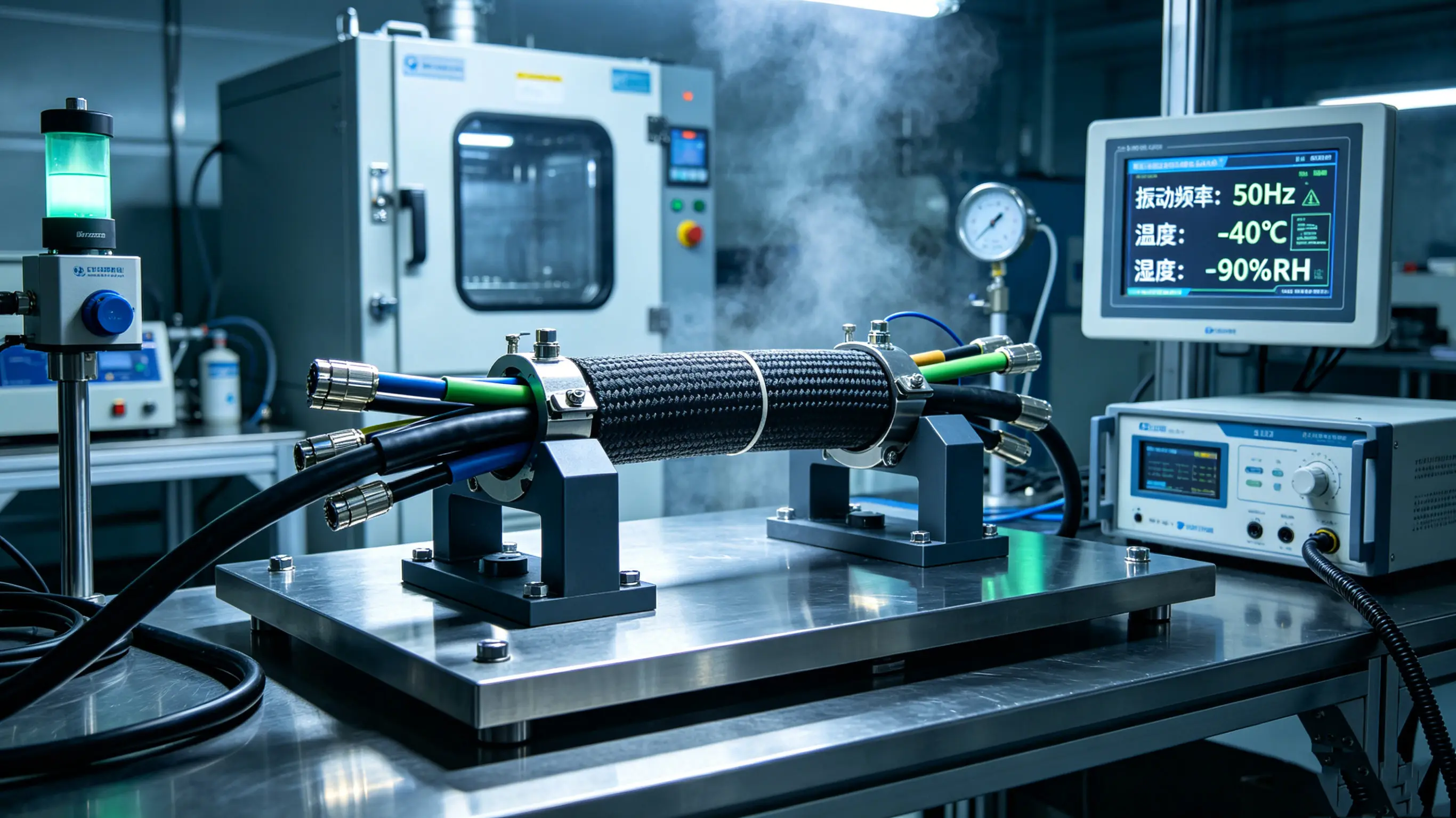
In the extreme operating conditions of automotive wiring harness durability testing, the ambient temperature range is extremely wide, ranging from as low as -45°C to as high as +100°C, which poses a severe challenge to the temperature resistance of drive components. As the core power unit of this testing system, high-temperature and low-temperature stepper motors ensure the authenticity and reliability of test data thanks to their exceptional wide-temperature-range adaptability. The KH Series high-temperature and low-temperature stepper motors are specifically designed for environments ranging from -45°C to +100°C. They incorporate special low-temperature grease and high-temperature heat-resistant magnets, eliminating the risks of traditional motors seizing up in extreme cold or demagnetizing in high temperatures. In automotive wiring harness endurance testing, high-temperature and low-temperature stepper motors must repeatedly simulate actions such as harness insertion, removal, and bending. With six flange sizes ranging from 28 mm to 110 mm, they can accommodate wiring harness fixtures with varying loads. Maintaining a torque range of 0.12 to 21 Nm, these motors are capable of driving both micro-sized wiring harness connectors and heavy-duty wiring harness assemblies. Notably, these motors can still deliver over 90% of their rated torque during cold starts at -45°C, a critical feature for automotive cold-weather durability testing. To address potential power-off braking requirements during testing, the motors can be equipped with an optional safety brake to prevent accidental damage to the wiring harness. Additionally, these motors support custom shaft configurations, such as extended shafts or dual-shaft designs, facilitating connection to encoders or load simulators. With an optional integrated driver, the motors support CANopen or Modbus communication, significantly simplifying test bench wiring. During high-temperature wiring harness aging tests at 100°C, the motor windings utilize Class H insulation, ensuring ample thermal margin. In the -45°C low-temperature zone, the rotor bearings of the high-low temperature stepper motors undergo anti-cold-shrink treatment to prevent abnormal clearance. In summary, the KH series high-low temperature stepper motors provide a comprehensive drive solution for automotive wiring harness durability testing—from extreme cold to extreme heat—thanks to their wide temperature range, high torque density, and extensive customization options. The precise replication of every wire harness bend relies on the stable output of high-low temperature stepper motors. Ultimately, test data shows that the mean time between failures (MTBF) on durability test benches equipped with these motors has increased by more than three times. Choosing the KH series high-low temperature stepper motors means choosing a reliable foundation for automotive wire harness quality verification.
General Automation
Frequently Asked Questions
Q:
What is the operating temperature range of the KH Series stepper motors?
The KH Series high-temperature and low-temperature stepper motors are specifically engineered to operate reliably in extreme environments ranging from -45°C to +100°C.
Q:
Can I install both a brake and an encoder feedback device on a single motor?
No, it is not possible to install both a brake and position feedback devices (such as encoders) on a single motor simultaneously.
Q:
How do these motors perform in extremely cold starts at -45°C?
Thanks to specialized low-temperature grease and anti-cold-shrink rotor bearing treatments, these motors can still deliver over 90% of their rated torque during cold starts at -45°C.
Q:
What are the requirements for the incremental encoder feedback option?
To properly process the signal via a closed-loop stepper drive, the incremental encoder must output 5V differential signals with a maximum resolution of 2500PPR.
Q:
What integrated driver mounting options are available for the KH series?
You can choose either DRC (the stepper driver is mounted on the side of the motor) or DRH (the stepper driver is mounted at the rear end of the motor).
Q:
How does the KH series improve durability testing bench reliability?
Due to Class H insulation, high-temperature heat-resistant magnets, and robust construction, test data indicates that the mean time between failures (MTBF) on durability test benches increases by more than three times.