



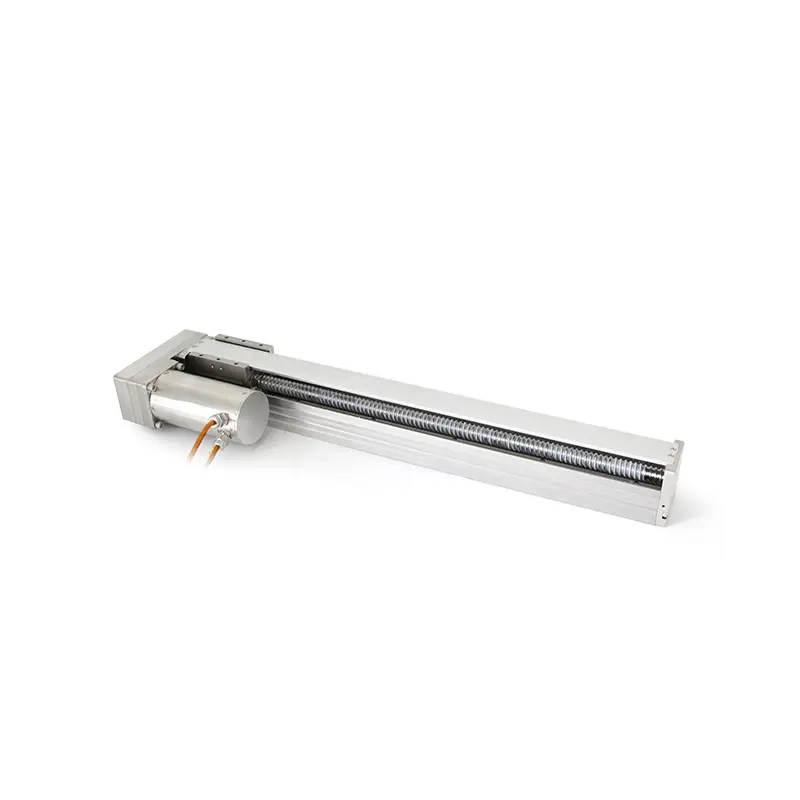
KLS Series Vacuum High-Low Temperature Linear Module - China Suppliers & Factory for Semiconductor Testing

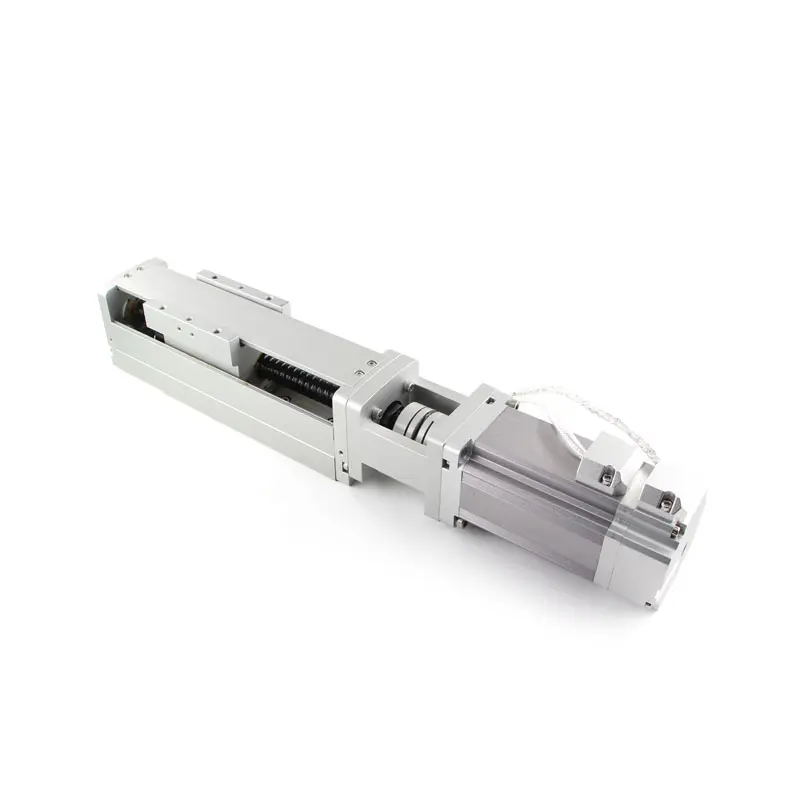
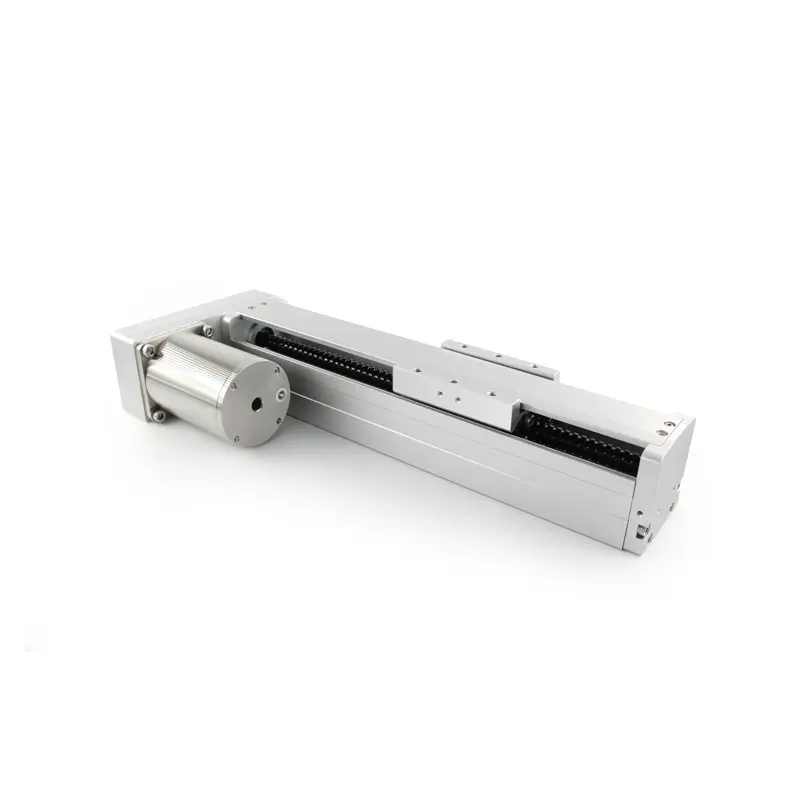
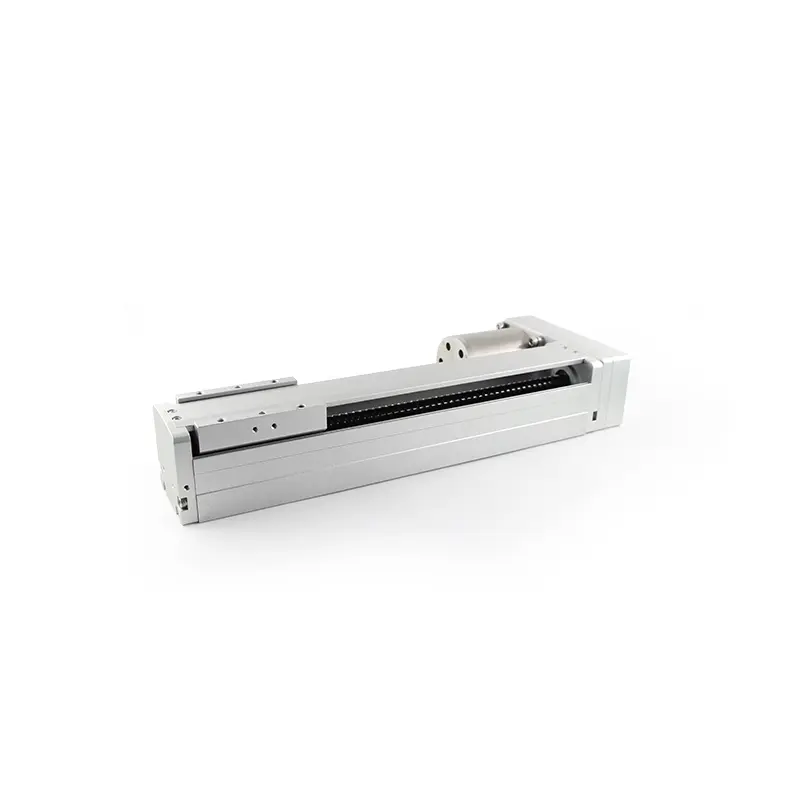
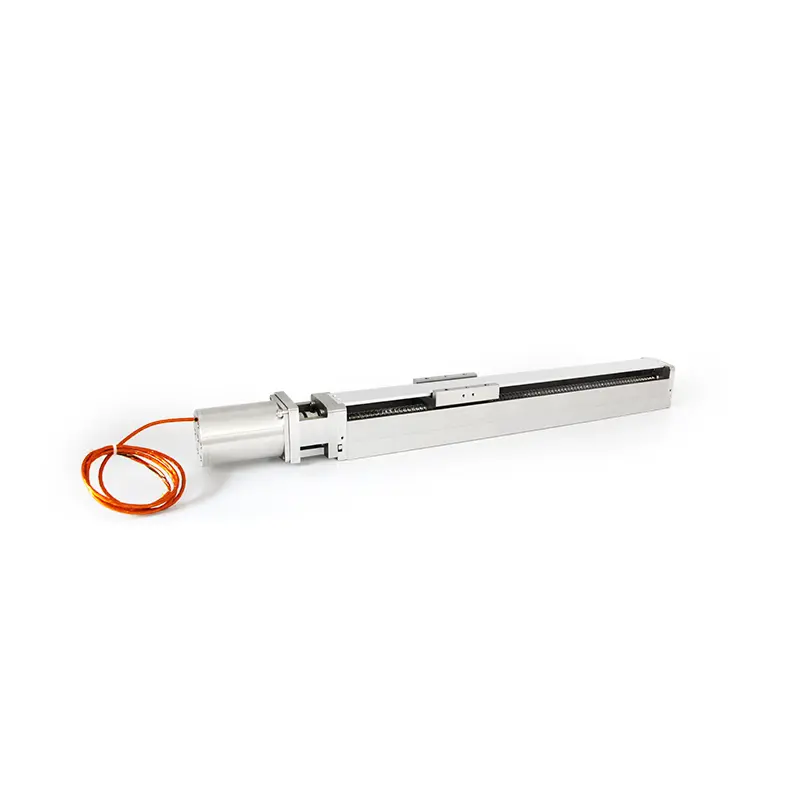
KLS series linear motion stage
30 = 30mm
40 = 40mm
60 = 60mm
80 = 80mm
140 = 135mm
170 = 170mm
50, 100, 150, 200, 250, 300, 350, 400, 450, 500, 550, 600, 650, 700, 750, 800, 850, 900, 950, 1000, 1050, 1100, 1150, 1200, 1250, 1300, 1350, 1400, 1450, 1500
Please refer to the specification tables for the available stroke length.
2, 4, 5, 10, 16, 20mm
Please refer to the specification tables for the available screw lead.
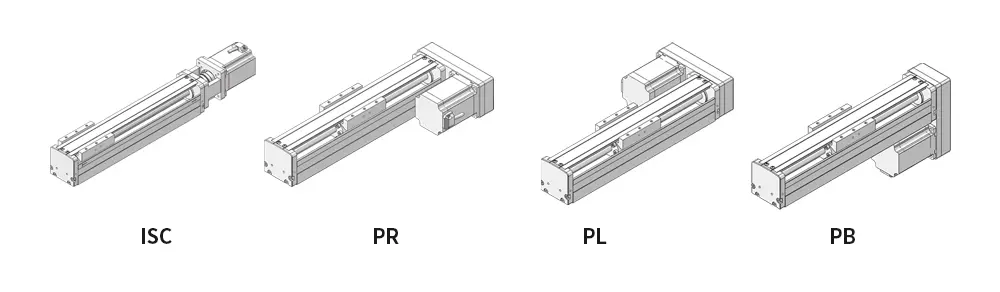
ISC: in-line (with coupling)
PR: parallel on right side (with high precision gear, ratio 1:1)
PL: parallel on left side (with high precision gear, ratio 1:1)
PB: parallel below the linear motion stage (with high precision gear, ratio 1:1)
| Environmental temperature rating code | Temperature range (℃) | Vacuum class (Pa, optional) | Radiation resistance (Gy, optional) |
|---|---|---|---|
| RHT | -20~+200 | 10-3 | 106 |
| SHT | -20~+200 | 10-3/10-5/10-7 | - |
| HT | -20~+150 | 10-3/10-5/10-7 | - |
| NTL1 | -40~+85 | 10-3/10-5 | - |
| NTL2 | -40~+100 | - | - |
| NTL3 | -65~+125 | 10-3 | - |
| NTL4 | -80~+40 | 10-3 | - |
| NTL5 | -55~+150 | - | - |
Blank: Non-vacuum
V3: Low pressure or vacuum to 10-3Pa
V5: Vacuum to 10-5Pa
V7: Vacuum to 10-7Pa
Blank: No radiation resistance
RH: Radiation resistance (total dose 106Gy)
e.g.
KH42: KH series 42mm stepper motor
KVM57: KVM series 57mm stepper motor
KECM400: KECM series 400W servo motor
KSSM750: KSSM series 750W servo motor
PB60L2: PB60 2-stage reducer (please specify the reducer stage, e.g. L1 or L2)
Core Perspective: Solving "thermal shock-induced jamming and precision drift" in three-temperature testing
In semiconductor three-temperature testing, chips are often rapidly transferred from a liquid nitrogen environment at -196°C to a high-temperature test zone at +200°C – a temperature swing of nearly 400°C. Standard linear modules frequently suffer from material mismatch under such drastic thermal shock, leading to "jamming" or "stick-slip" behavior that interrupts testing or damages expensive probe cards. The KLS Series Vacuum High-Low Temperature Radiation-Resistant Linear Module is specifically engineered to overcome this challenge. This vacuum high-low temperature radiation-resistant linear module utilizes specialized anti-galling materials for its leadscrews and guideways, ensuring no brittle fracture at min -196°C while maintaining adequate hardness and stiffness at max +200°C. When the test chamber is evacuated to a high vacuum degree of 10^-7Pa, conventional greases would rapidly outgas and disappear. To counter this, this vacuum high-low temperature radiation-resistant linear module employs ceramic-based dry film lubrication, completely eliminating lubrication failure caused by alternating high and low temperatures.
More critically, the radiation aging test within three-temperature testing requires the module to withstand radiation intensity of 10^6Gy without becoming brittle. Therefore, the KLS Series Vacuum High-Low Temperature Radiation-Resistant Linear Module features radiation-hardened cable jackets and encoder code discs. In terms of mechanical specifications, this vacuum high-low temperature radiation-resistant linear module is offered in body widths of 30/40/60/80/135/170 mm, with the 60mm and 80mm widths being the most common configurations for probe stations. Its maximum load capacity of horizontal 150kg and vertical 100kg is sufficient to support ceramic heating chucks loaded with multiple wafers. The repeatability of ±0.01mm ensures precise alignment between probe tips and bond pads.
In a typical burn-in test system, the vacuum high-low temperature radiation-resistant linear module undergoes dozens of cycles from low to high temperature daily, each accompanied by drastic vacuum fluctuations. The bellows seal structure of this vacuum high-low temperature radiation-resistant linear module effectively balances internal and external pressure differentials. Moreover, the compact body width of 30mm allows dense packing within multi-site parallel test handlers. Additionally, this vacuum high-low temperature radiation-resistant linear module features a nitrogen purge port to prevent condensation on chamber walls at low temperatures, which could otherwise impair optical alignment. For automotive-grade chip three-temperature testing, every sample requires full traceability. The KLS Series Vacuum High-Low Temperature Radiation-Resistant Linear Module integrates position feedback that uploads displacement data at each temperature setpoint to the MES system. In conclusion, whether facing the cryogenic shock of -196°C, prolonged baking at +200°C, or high-energy particle bombardment at 10^6Gy, this vacuum high-low temperature radiation-resistant linear module consistently delivers stable output with ±0.01mm precision, thoroughly resolving the industry's long-standing pain point of temperature-induced motion failure.
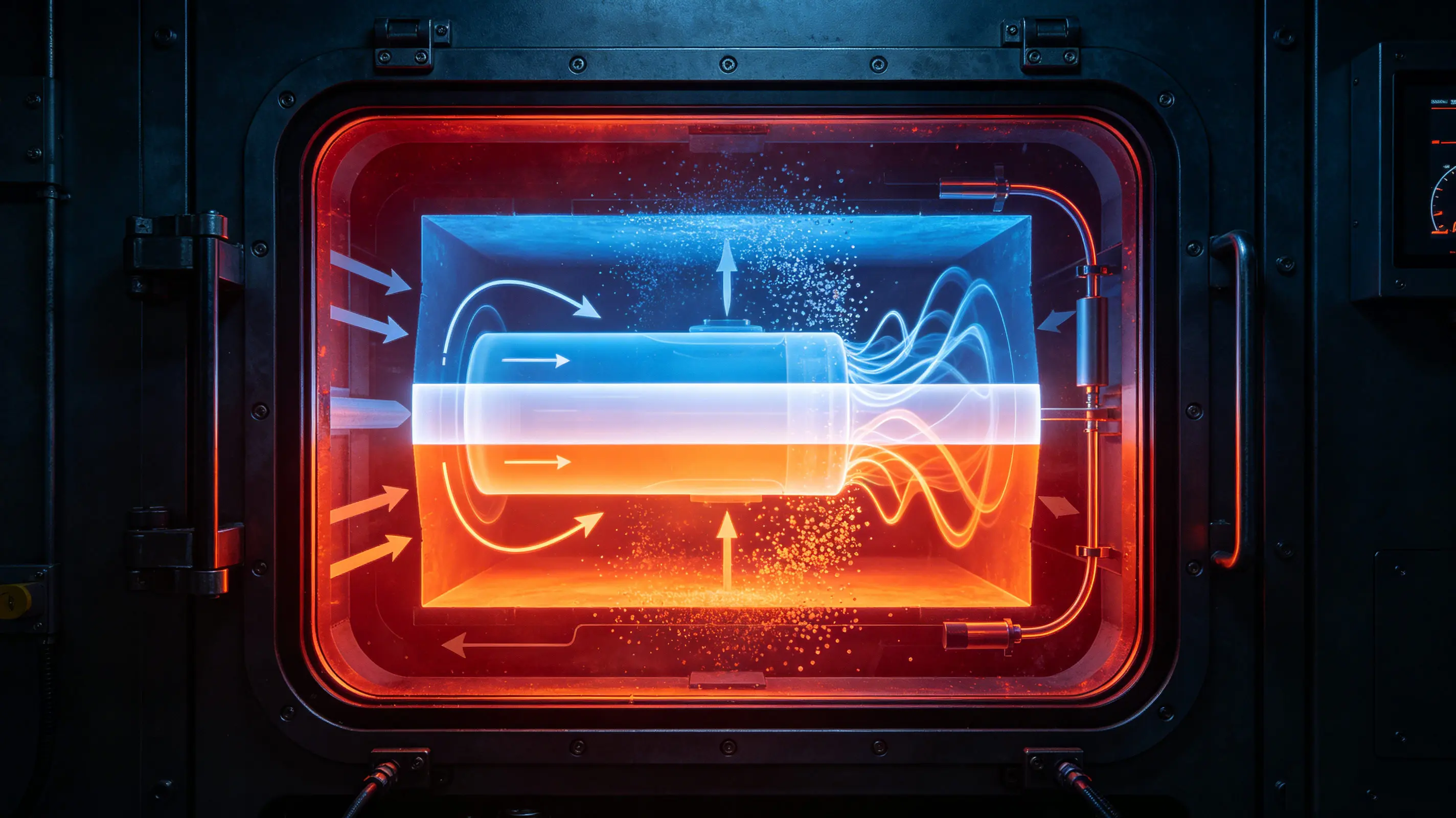
The KLS Series utilizes specialized anti-galling materials for its leadscrews and guideways. This design prevents brittle fracture at cryogenic temperatures as low as -196°C while maintaining necessary structural hardness and stiffness at high temperatures up to +200°C, resolving material mismatch issues.
In high vacuum levels up to 10-7Pa where standard greases outgas and fail, the KLS linear motion stages utilize ceramic-based dry film lubrication. This ensures consistent operation and eliminates lubrication breakdown caused by alternating high and low temperatures.
Yes, the module is designed for radiation aging tests. With the optional radiation resistance (RH) configuration, it features radiation-hardened cable jackets and encoder code discs capable of withstanding radiation intensities up to 106Gy without becoming brittle.
The KLS Series offers a repeatability of ±0.01mm, ensuring precise alignment. It supports a maximum horizontal load capacity of 150kg and a vertical load capacity of 100kg, which is ideal for heavy ceramic heating chucks and wafer test setups.
The module features an integrated nitrogen purge port. Purging with nitrogen prevents condensation on chamber walls and optical components during low-temperature cycles, ensuring clear optical alignment and safety.
Yes, the KLS Series integrates position feedback sensors that upload real-time displacement data at each temperature setpoint directly to the MES (Manufacturing Execution System), providing full traceability for automotive-grade chip testing.