

Leave Your Message
China Stepper Motor Drivers - Pulse/Direction, RS485, EtherCAT, CANopen - Factory Direct from Reliable Suppliers
Hot Products
Products Categories
Featured Products

China Stepper Motor Drivers - Pulse/Direction, RS485, EtherCAT, CANopen - Factory Direct from Reliable Suppliers

,
    ,
  • ,

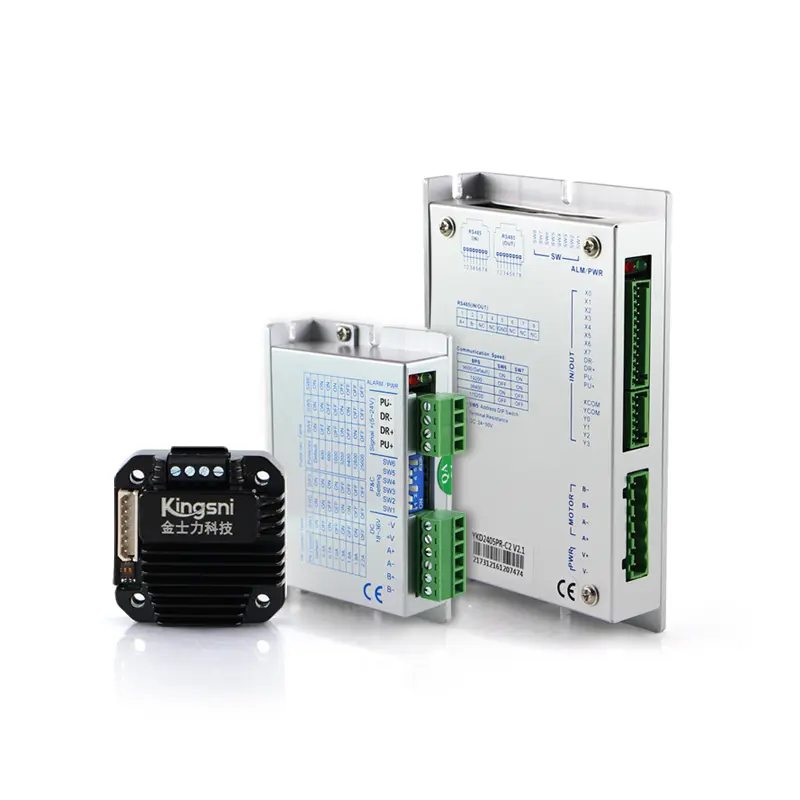
    Advanced Communication Interfaces: Our stepper drivers, designed by leading suppliers in China, support pulse/direction, RS485 (Modbus RTU), EtherCAT, and CANopen. This enables seamless integration with a wide range of stepper motors and automation systems, making them ideal for various factory applications.

    ,
  • ,
  • ,

    High-Precision Microstepping: With a division resolution of up to 256, our stepper drivers ensure exceptionally smooth motion and precise positioning when paired with compatible stepper motors. This high precision is essential for factories requiring meticulous control.

    ,
  • ,
  • ,

    Wide Operating Temperature: Engineered for demanding environments, each stepper driver operates reliably from -40°C to +70°C. This ensures consistent performance even when driving stepper motors in harsh conditions, making them a preferred choice among manufacturers in China.

    ,
  • ,
  • ,

    Superior Current Control: Our stepper drivers utilize best-in-class current control technology, which maximizes torque output and motion smoothness. This capability unlocks the full potential of your stepper motors and enhances overall efficiency in factory operations.

    ,
  • ,
  • ,

    Flexible System Integration: The integrated stepper driver series offers multiple fieldbus options, providing extensive versatility for optimizing system design with various stepper motors. Collaborating with suppliers in China gives you access to the best solutions for your factory needs.

    ,
  • ,
  • ,

    Reliable Automation Solution: Built for industrial applications, these stepper drivers combine robust onboard control with enhanced efficiency, delivering dependable performance for any stepper motor-based system and establishing trust among factory operators worldwide.

    ,
  • ,
,

    Key Features

    Micro-step control, smooth running, low noise and high torque capacity

    Protections: over-voltage, under-voltage, over-current

    Operating temperature: 0 to +50°C or -40 to +85°C

    Control loop: open-loop or closed-loop

    Power supply: DC 12~110VDC or AC 18~80VAC

    Command Source

    Pulse and direction

    Communication: RS485(Modbus RTU), EtherCAT, CANopen

    I/O triggered multi-position or multi-speed control

    Speed control via analog voltage or potentiometer

    Applications

    ⚙️ Biomedical
    ⚙️ Semiconductor manufacturing
    ⚙️ 3C manufacturing
    ⚙️ Scientific Instruments
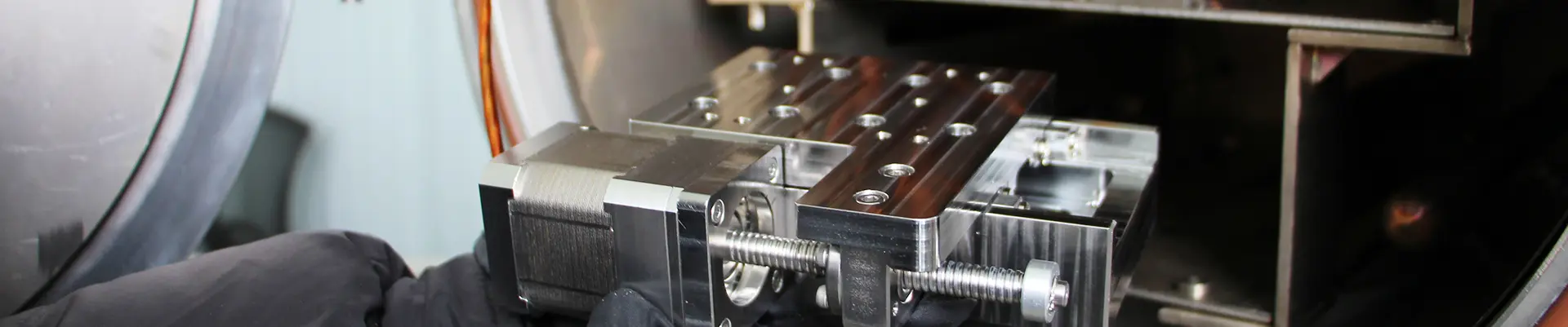
    ⚙️ In-vacuum equipment
    ⚙️ Nuclear energy
    ⚙️ Military and Aerospace
    ⚙️ Automotive parts testing
    ⚙️ General Automation

    Frequently Asked Questions

    What are the primary control loop options for these drivers?

    These drivers support both open-loop and closed-loop control modes, allowing flexibility based on your system's precision requirements.

    What safety protections are built into the system?

    To ensure hardware safety and long life cycles, the drivers feature integrated protections against over-voltage, under-voltage, and over-current.

    Which communication protocols can be used for control?

    The drivers support multiple industrial communication protocols, including RS485 (Modbus RTU), EtherCAT, and CANopen, alongside traditional pulse & direction and analog voltage control.

    What is the operating temperature range?

    Standard operating units support temperatures from 0 to +50°C. For extreme environments, wide-temperature configurations from -40 to +85°C are also available.

    What power supply ratings do these drivers require?

    The drivers are compatible with power inputs ranging from DC 12~110VDC or AC 18~80VAC, making them highly versatile for different power grids.

    What industries are these drivers typically applied in?

    They are widely used in specialized sectors such as biomedical, semiconductor manufacturing, 3C manufacturing, scientific instruments, in-vacuum environments, military/aerospace, and general automation.

    Leave Your Message