
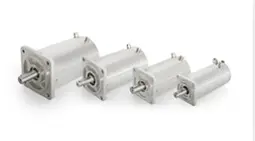

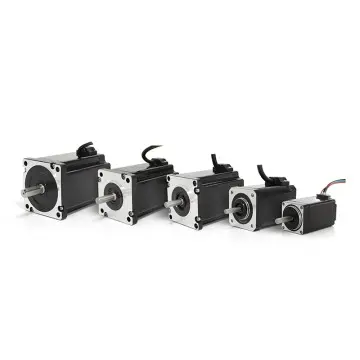
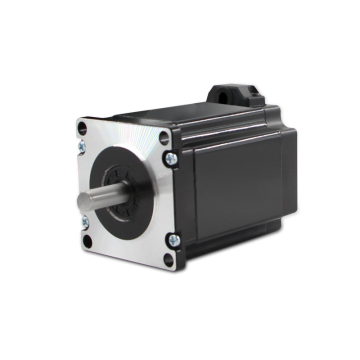
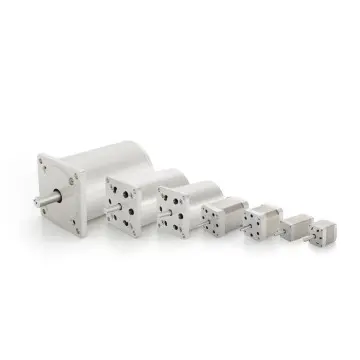
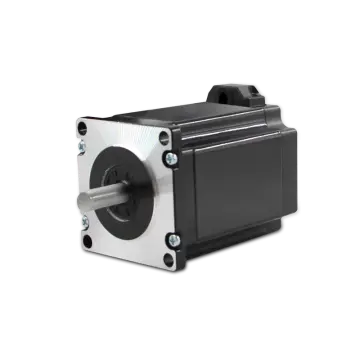
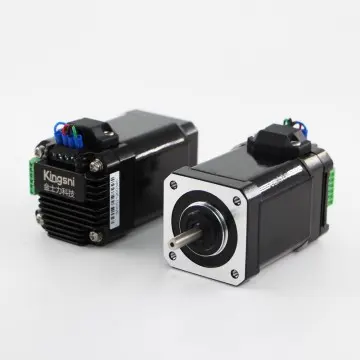
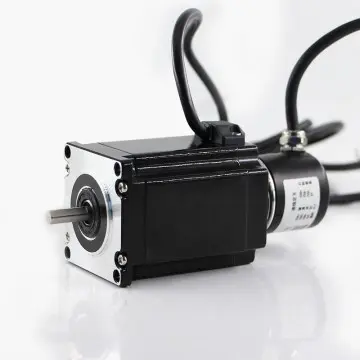


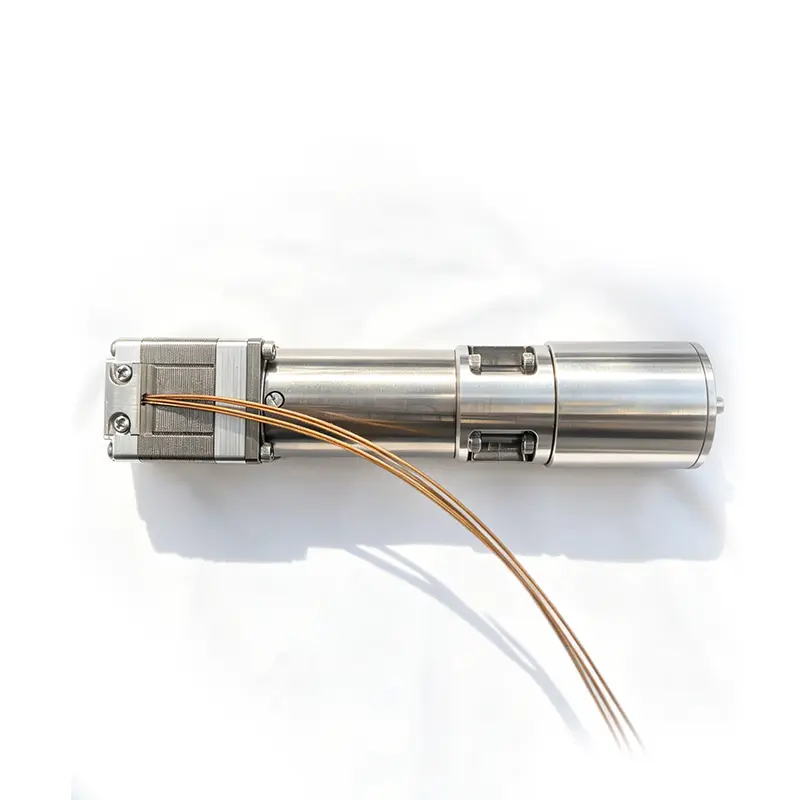
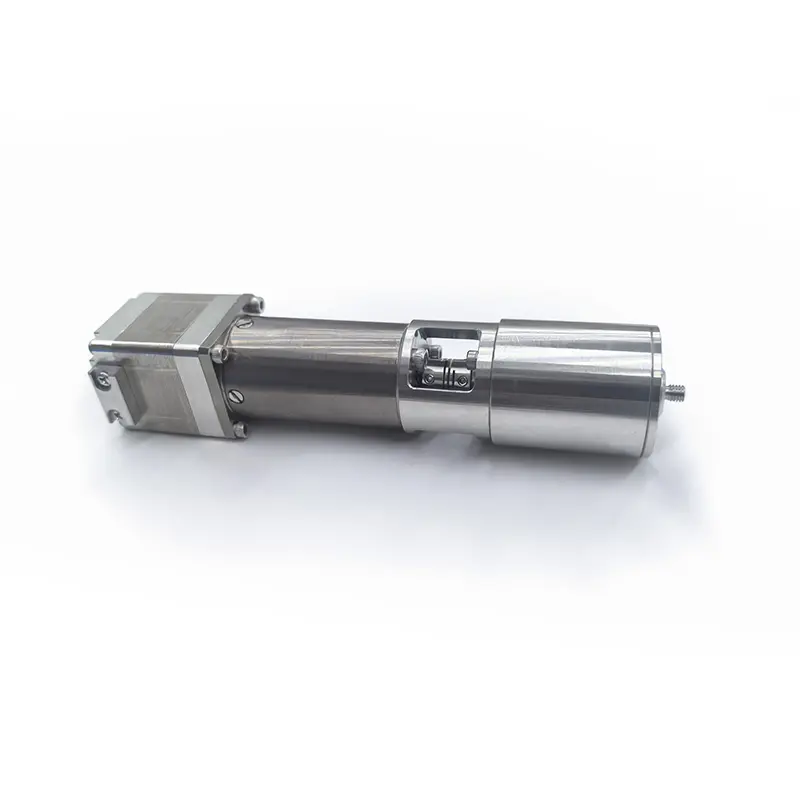
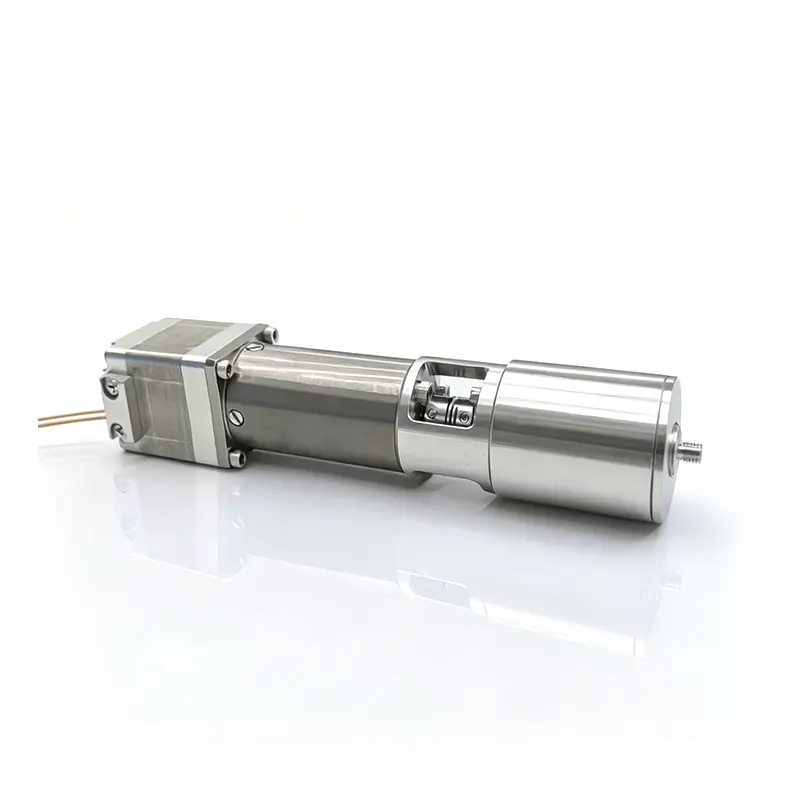
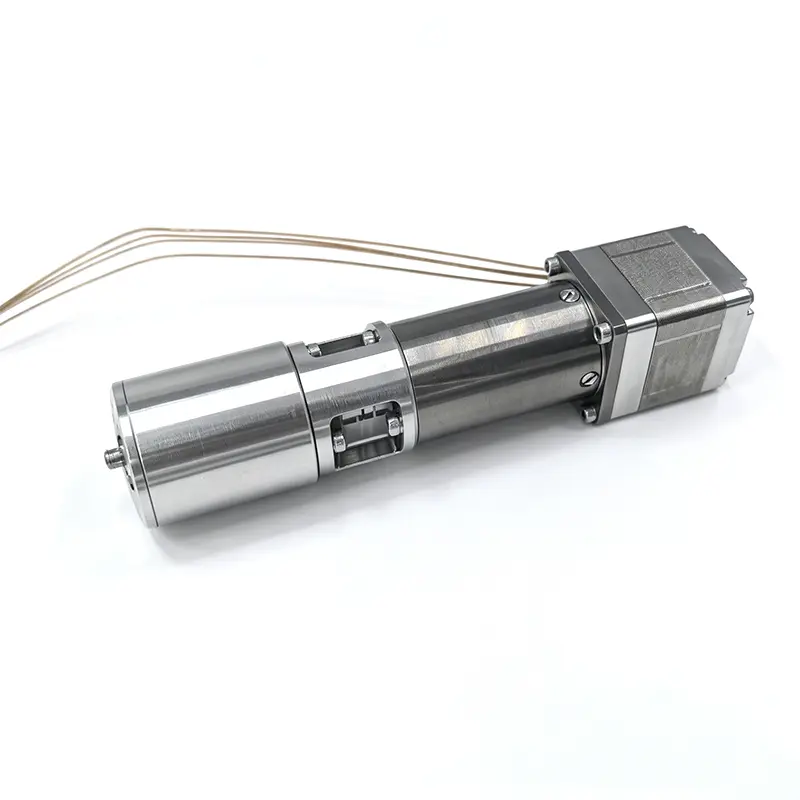
KLA-AC-300 Irradiation-Resistant Miniature Electric Actuator | Applied to Nuclear Fusion Device Positioning
Vacuum · Cryogenic · High-temperature · Radiation
Environmental temperature ratings
| Environmental temperature rating code | Temperature range (℃) |
Vacuum class (Pa,optional) |
Radiation resistance (Gy,optional) |
| VHT1 | -40~+85 | 10-1/10-3/10-5/10-710-9 | 1x1000/1x10000/1x105/1x106 |
| VHT2 | -40~+150 | 10-1/10-3/10-5/10-710-9 | 1x1000/1x10000/1x105/1x106 |
| VHT3 | -20~+200 | 10-1/10-3/10-5/10-710-9 | 1x1000/1x10000/1x105/1x106 |
| VHT4 | -80~+120 | 10-1/10-3/10-5/10-710-9 | 1x1000/1x10000/1x105/1x106 |
Blank = Non-vacuum
V1 = Low pressure or vacuum to 10-¹ Pa
V3 = Low pressure or vacuum to 10-3Pa
V5 = Vacuum to 10-5Pa
V7 = Vacuum to 10-7Pa
V9 = Vacuum to 10-9Pa
RAD1K:1x1000Gy
RAD10K:1x10000Gy
RAD100K:1x10⁵Gy
RAD1MK:1x10⁶Gy
Description
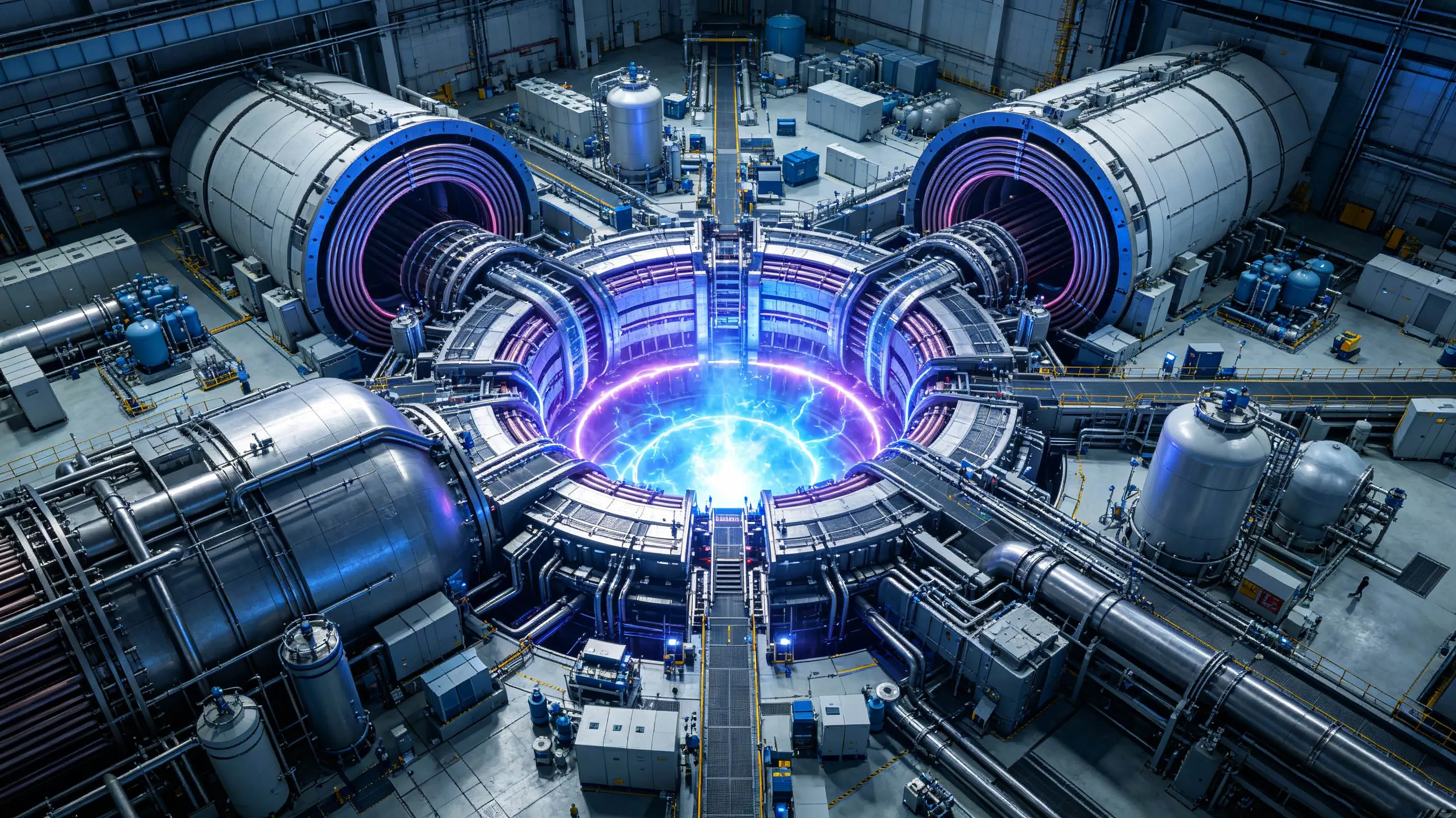
Nuclear fusion devices, especially tokamak and stellarator type magnetic confinement fusion experimental platforms, will produce extremely strong neutron flux and gamma-ray radiation field during their operation, which poses a serious survival challenge to all electromechanical equipment in and near the device. Organic insulating materials, lubricating grease and magnetic components in ordinary electric actuators will rapidly age, decompose or degrade in this high-energy radiation environment, and usually fail in a few hours to a few days. The radiation-resistant micro-electric actuator can increase the tolerance dose to 1 × 10 1 × 10 Gy through comprehensive radiation-resistant material selection and reinforcement design, which enables the actuator to work stably for a long time in the diagnostic port, divertor area and blanket maintenance system of the fusion reactor, and provides the core motion support for the key data acquisition and remote operation maintenance of the nuclear fusion experiment.
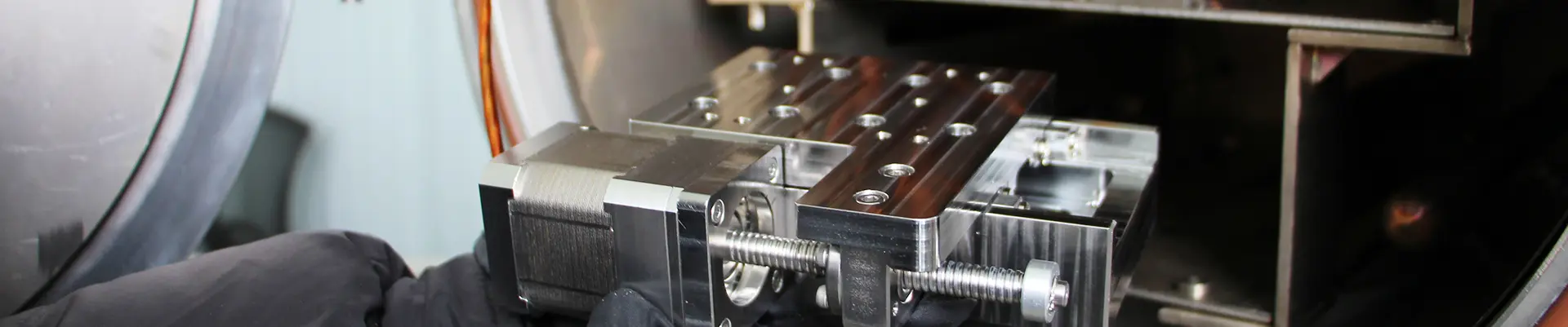
In the diagnostic system of fusion experiments, various physical probes, such as electrostatic probe, neutral particle analyzer and X-ray detector, must be precisely positioned near the plasma boundary in order to obtain accurate key parameters such as density, temperature and confinement time. The radiation-resistant miniature electric actuator is integrated between the diagnostic vacuum flange and the probe, and can perform millimeter-to-micrometer-level stepping advance or rollback operation on the probe during the plasma discharge gap. Thanks to the actuator's minimum step of up to 20 nm, the researchers were able to map the fine structure of the plasma scraped layer with unprecedented resolution. More importantly, during each plasma discharge, the neutron yield in the diagnosis area rises sharply, while the radiation-resistant micro-electric actuator ensures the complete transmission of control signals and the insulation performance of motor windings by virtue of its radiation-resistant ceramic insulation skeleton and metallized packaging structure, and will not misoperate or fall out of step even under high radiation background noise. When the fusion device enters the maintenance cycle, although the radiation level still exceeds the limit of human safety, the remotely controlled maintenance robot must enter the vacuum chamber to carry out maintenance and component replacement tasks. The radiation-resistant micro-electric actuator is used as a key positioning component of the end joint of the mechanical arm or the quick-change interface of the tool to ensure that the end actuator can be aligned with the bolt or the quick connector to be disassembled with high repeatability accuracy. In a typical teleoperation maintenance drill, the radiation-resistant micro-electric actuator drives the vision camera head to perform two-dimensional accurate scanning, providing the operator with high-definition local image feedback, thus guiding the manipulator to complete the fine operation.
In addition to its direct radiation-tolerant capability, the radiation-tolerant micro-electric actuator also has vacuum compatibility, which allows it to be deployed directly in the main vacuum chamber or divertor extraction chamber of a fusion device without becoming an additional source of outgassing or leakage. At the same time, the stability of the actuator in a wide temperature range also enables it to adapt to the local temperature increase of the fusion device wall due to plasma heating. The low wear characteristics of radiation-resistant micro-electric actuators are particularly important in the continuous operation cycle of large scientific devices for several months, which reduces the downtime caused by component replacement, thus improving the utilization efficiency of precious beam time. It is no exaggeration to say that the radiation-resistant micro-electric actuator is a precise bridge between the needs of fusion physical diagnosis and engineering realization. It enables scientists to precisely control every key positioning point inside the device outside the radiation forbidden zone, and provides an indispensable hardware basis for human beings to achieve the great goal of controlled nuclear fusion. With the development of fusion reactors in the direction of longer pulse and higher power in the future, the performance advantages of irradiation-resistant micro-electric actuators will become more prominent, and the technology iteration of irradiation-resistant micro-electric actuators will continue to keep up with the frontier needs of fusion engineering.
KLS series linear motion stage
30 = 30mm
40 = 40mm
60 = 60mm
80 = 80mm
140 = 135mm
170 = 170mm
50、100、150、200、250、300、350、400、450、500、550、600、650、700、750、800、850、900、950、1000、1050、1100、1150、1200、1250、1300、1350、1400、1450、1500
Please refer to the specification tables for the available stroke length.
2、4、5、10、16、20mm
Please refer to the specification tables for the available screw lead.
ISC: in-line (with coupling)
PR: parallel on right side (with high precision gear, ratio 1:1 )
PL: parallel on left side (with high precision gear, ratio 1:1 )
PB: parallel below the linear motion stage (with high precision gear, ratio 1:1 )
| Environmental temperature rating code | Temperature range (℃) |
Vacuum class (Pa,optional) |
Radiation resistance (Gy,optional) |
| RHT | -20~+200 | 10-3 | 106 |
| SHT | -20~+200 | 10-3/10-5/10-7 | - |
| HT | -20~+150 | 10-3/10-5/10-7 | - |
| NTL1 | -40~+85 | 10-3/10-5 | - |
| NTL2 | -40~+100 | - | - |
| NTL3 | -65~+125 | 10-3 | - |
| NTL4 | -80~+40 | 10-3 | - |
| NTL5 | -55~+150 | - | - |
Blank = Non-vacuum
V3 = Low pressure or vacuum to 10-3Pa
V5 = Vacuum to 10-5Pa
V7 = Vacuum to 10-7Pa
Blank = No radiation resistance
RH = Radiation resistance (total dose 106Gy)
e.g.
KH42 = KH series 42mm stepper motor
KVM57 = KVM series 57mm stepper motor
KECM400 = KECM series 400W servo motor
KSSM750 = KSSM series750W servo motor
PB60L2 = PB60 2-stege reducer (please specify the reducer stage, e.g. L1 or L2)
| Model | Thrust (N) | Stroke (mm) | Minimum Incremental Step (nm) | Repeatability (μm) |
| KLA-AC-300 | 300 | ±3 | 20 | ±2 |
| KLA-AC-600 | 600 | ±10 | 18 | ±2 |