



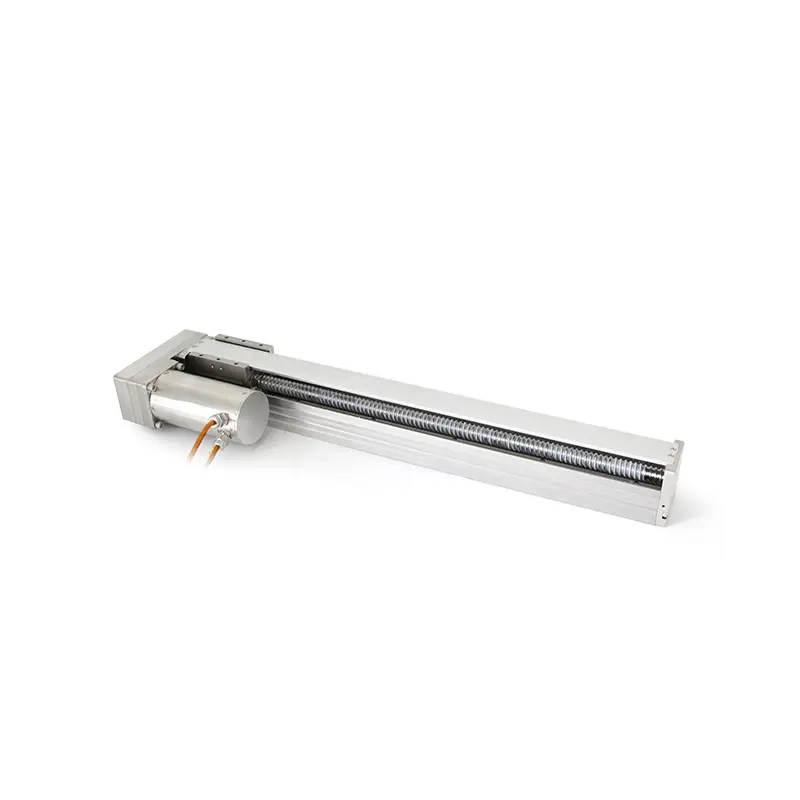
High-Low Temperature Linear Module for Biomedical Sampling | China Suppliers and Factory for Cryogenic and High-Temperature Applications
Ordering Information

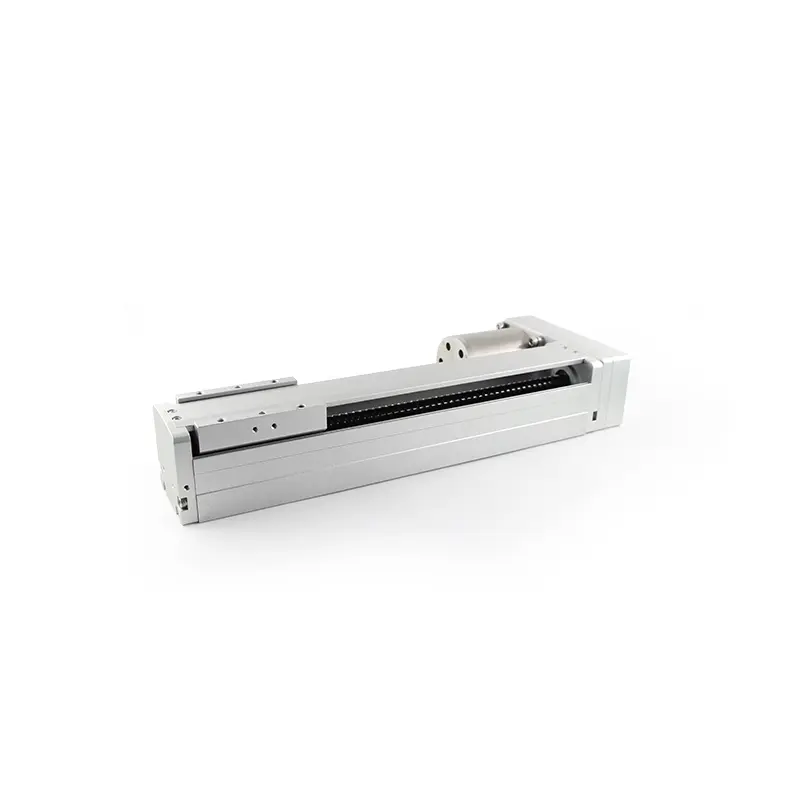
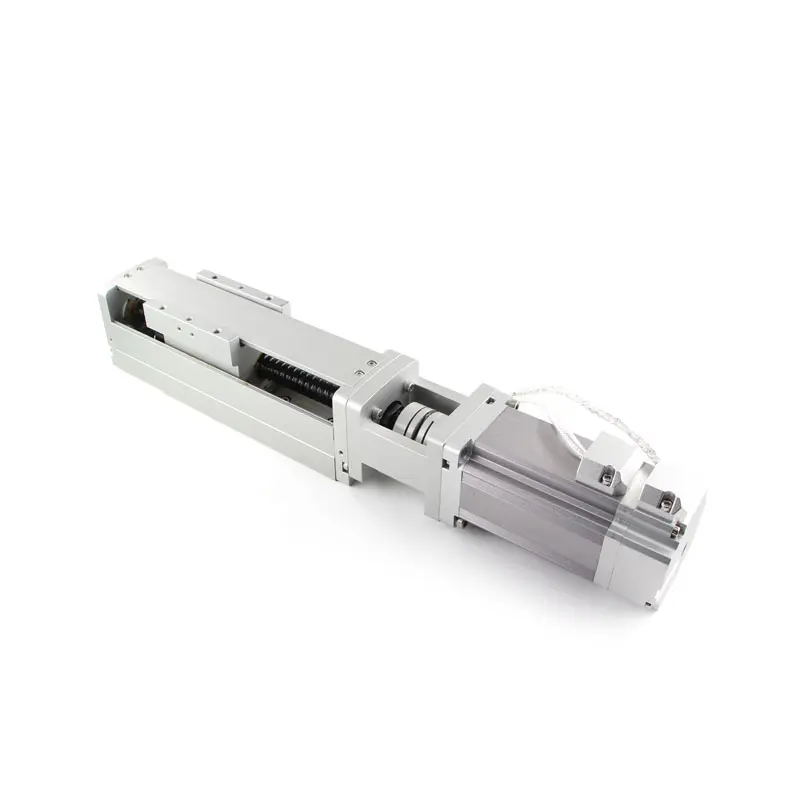
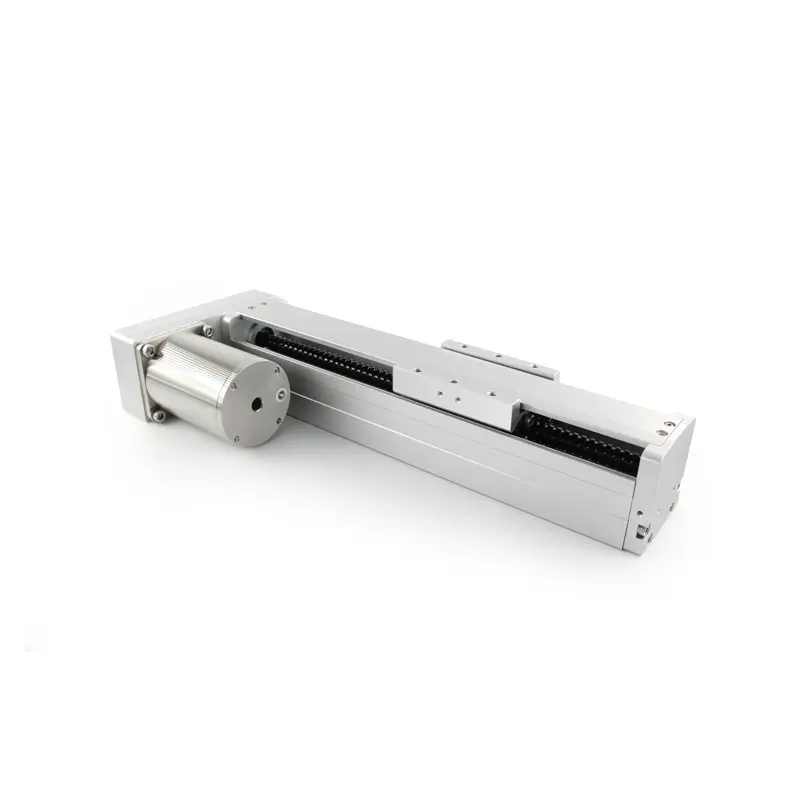
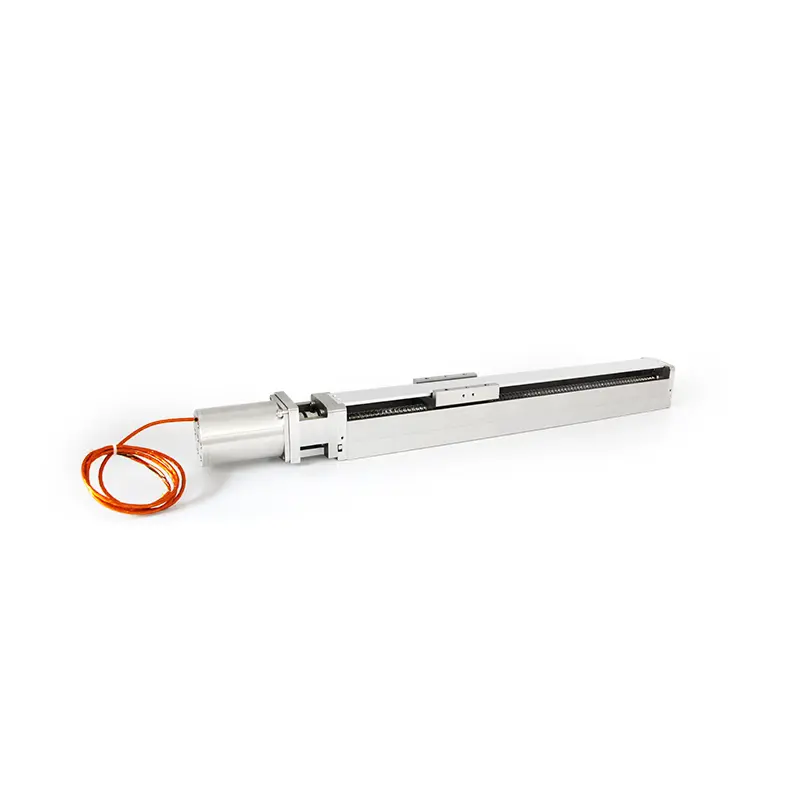
KLS series linear motion stage
30 = 30mm | 40 = 40mm | 60 = 60mm
80 = 80mm | 140 = 135mm | 170 = 170mm
50, 100, 150, 200, 250, 300, 350, 400, 450, 500, 550, 600, 650, 700, 750, 800, 850, 900, 950, 1000, 1050, 1100, 1150, 1200, 1250, 1300, 1350, 1400, 1450, 1500
*Please refer to the specification tables for the available stroke length.
2, 4, 5, 10, 16, 20mm
*Please refer to the specification tables for the available screw lead.
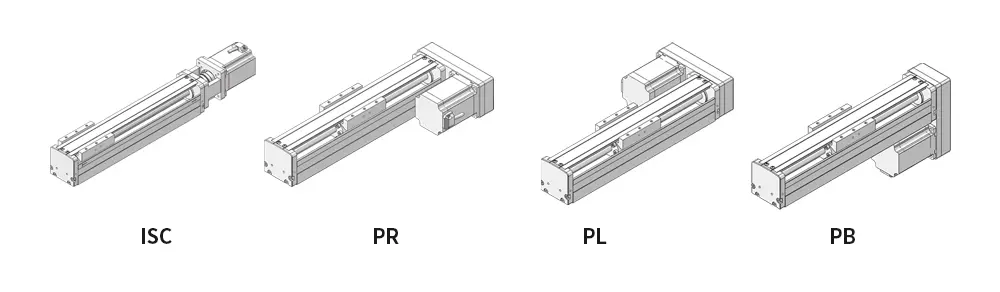
ISC: In-line (with coupling)
PR: Parallel on right side (with high precision gear, ratio 1:1)
PL: Parallel on left side (with high precision gear, ratio 1:1)
PB: Parallel below the linear motion stage (with high precision gear, ratio 1:1)
| Environmental Temperature Rating Code | Temperature Range (℃) | Vacuum Class (Pa, optional) | Radiation Resistance (Gy, optional) |
|---|---|---|---|
| RHT | -20~+200 | 10-3 | 106 |
| SHT | -20~+200 | 10-3/10-5/10-7 | - |
| HT | -20~+150 | 10-3/10-5/10-7 | - |
| NTL1 | -40~+85 | 10-3/10-5 | - |
| NTL2 | -40~+100 | - | - |
| NTL3 | -65~+125 | 10-3 | - |
| NTL4 | -80~+40 | 10-3 | - |
| NTL5 | -55~+150 | - | - |
Blank: Non-vacuum
V3: Low pressure or vacuum to 10-3Pa
V5: Vacuum to 10-5Pa
V7: Vacuum to 10-7Pa
Blank: No radiation resistance
RH: Radiation resistance (total dose 106Gy)
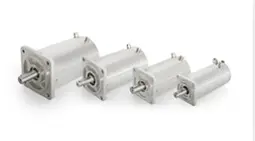
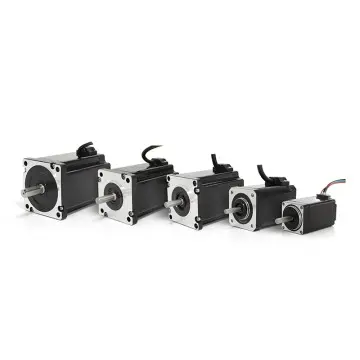
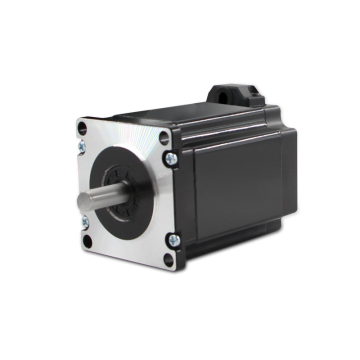
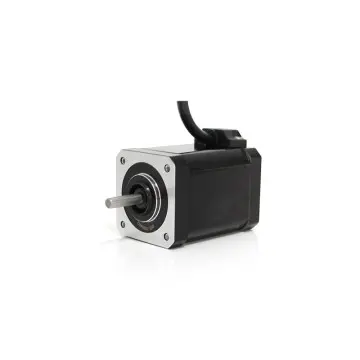
KH42: KH series 42mm stepper motor
KVM57: KVM series 57mm stepper motor
KECM400: KECM series 400W servo motor
KSSM750: KSSM series 750W servo motor
PB60L2: PB60 2-stage reducer (please specify the reducer stage, e.g. L1 or L2)
Description
Core Perspective: Balancing "low-temperature sample viability" with "contamination prevention" in automated workflows
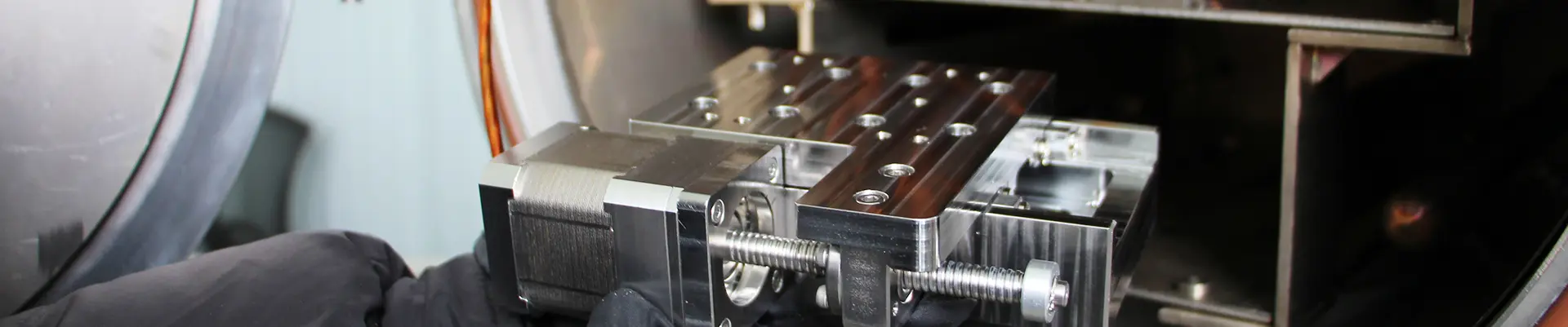
The core dilemma of automated genetic sampling equipment is that sample viability demands a consistently cryogenic environment (-196°C liquid nitrogen), while mechanical transmission systems conventionally freeze and fail at such temperatures due to lubricant solidification. The KLS Series High-Low Temperature Linear Module resolves this contradiction. This high-low temperature linear module is specifically optimized for low-temperature automation in the biomedical industry, focusing on startup torque characteristics. When the ambient temperature plummets to min -196°C, standard motors suffer step-loss as the coercivity of their magnets degrades. In contrast, this high-low temperature linear module employs samarium-cobalt (SmCo) cryogenic-grade magnets, ensuring rated torque output even at liquid nitrogen temperatures.
During the lysis step of nucleic acid extraction, the equipment may rapidly heat to max +200°C to inactivate proteases. The housing of this high-low temperature linear module undergoes special heat treatment to withstand repeated thermal stress without distortion. For sterile sampling requirements, the surface of this high-low temperature linear module is coated with a material resistant to ethanol and vaporized hydrogen peroxide (VHP), with a seamless, crevice-free design facilitating cleaning validation. Operating under a vacuum degree of 10^-7Pa, this high-low temperature linear module suits next-generation fully enclosed sterile sampling systems, effectively preventing cross-contamination. Remarkably, the KLS Series High-Low Temperature Linear Module withstands radiation intensity of 10^6Gy, meaning it will not become a source of radiation-induced degradation when used on production lines for radiation-sterilized vaccines.
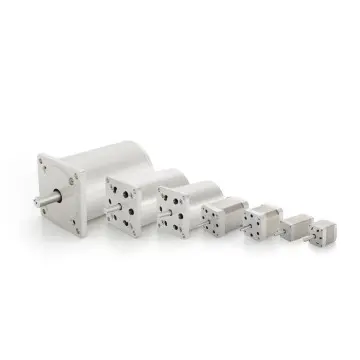
Regarding mechanical selection, the miniature body width of 30mm high-low temperature linear module can be directly embedded into the sampling platform of a microfluidic chip. Its repeatability of ±0.01mm ensures precise alignment between the pipette tip and the microwell. Meanwhile, the wide-body 135mm width version, with a maximum vertical load capacity of 100kg, can carry an entire deep-well plate stacker. In an automated library preparation workstation for next-generation sequencing (NGS), multiple high-low temperature linear modules work in concert, performing all actions from magnetic bead mixing and washing to elution. The key here is that after repeated operation at min -196°C, the straightness of the high-low temperature linear module does not degrade due to microscopic ice crystal formation on rail surfaces. The KLS Series High-Low Temperature Linear Module incorporates precision scrapers and anti-condensation airflow designs, maintaining ±0.01mm repeatability even under extreme humidity swings. For high-throughput qPCR systems used in pathogen detection, this high-low temperature linear module rapidly shuttles sample plates between different temperature zones, compressing overall reaction time. In summary, the KLS Series High-Low Temperature Linear Module is not merely a transmission component; it is a core enabler of sample integrity and high-throughput automation in biomedicine.