


Hot Products
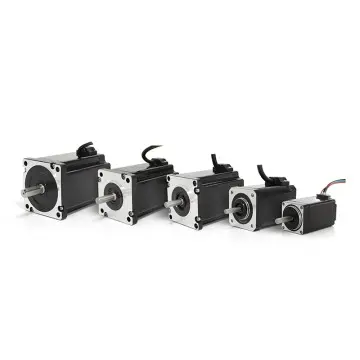
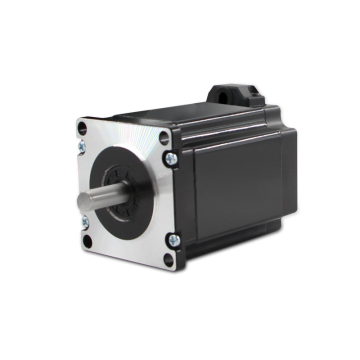
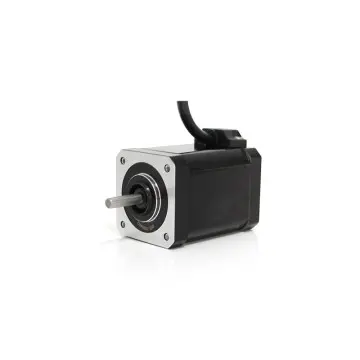
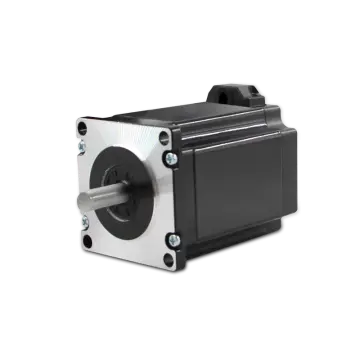
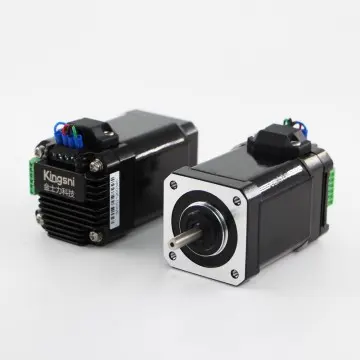
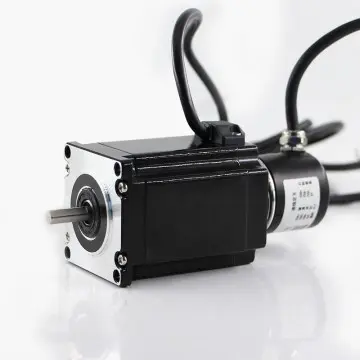


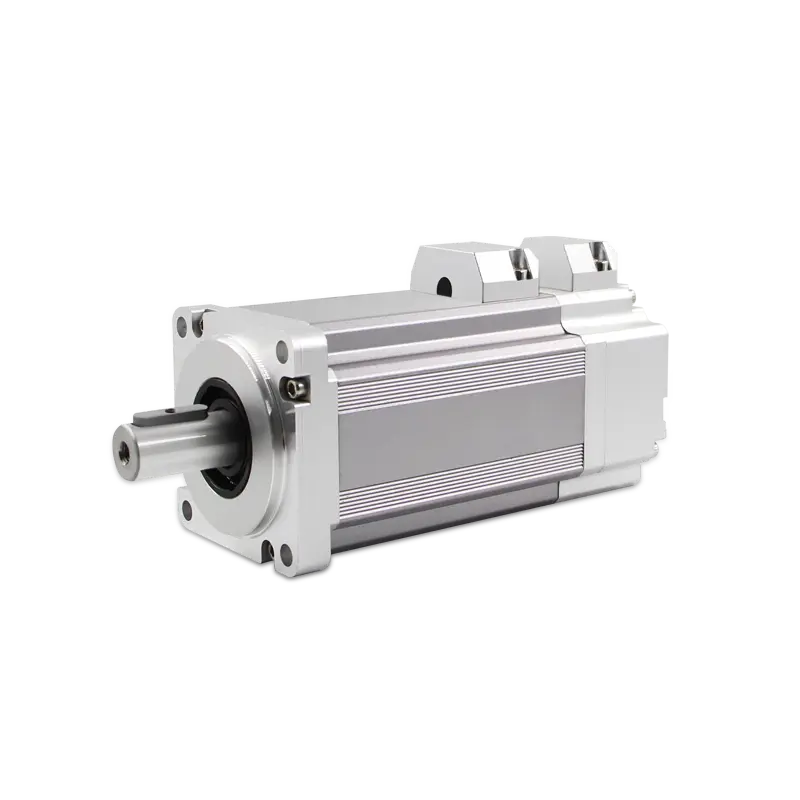
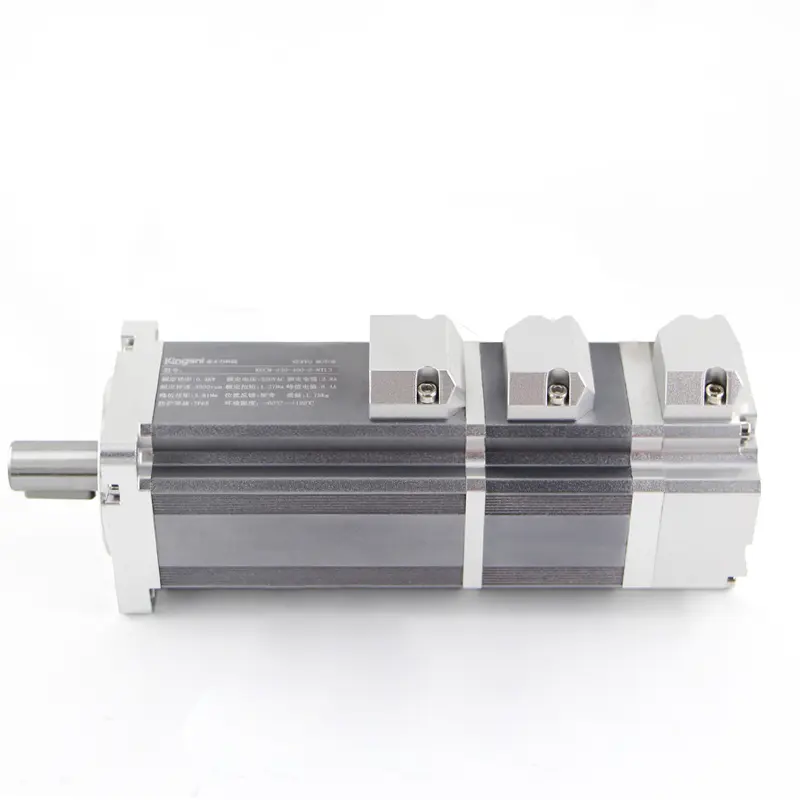
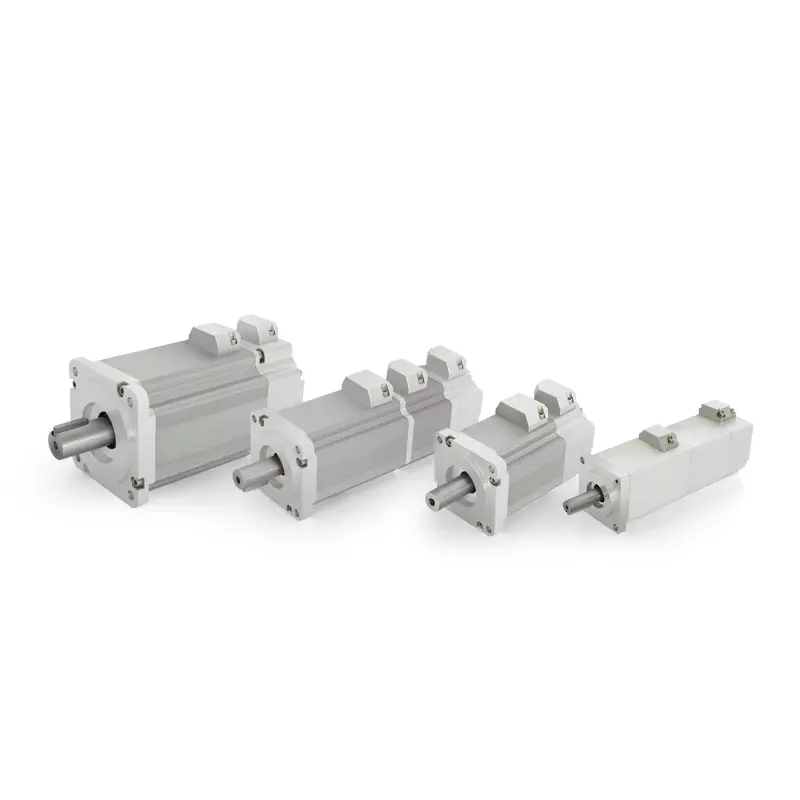
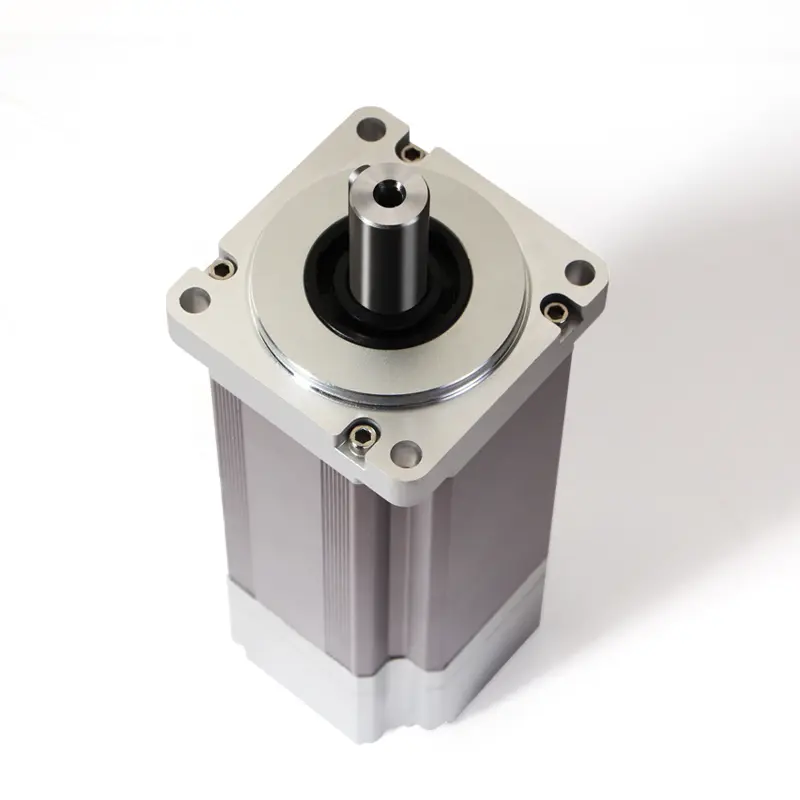
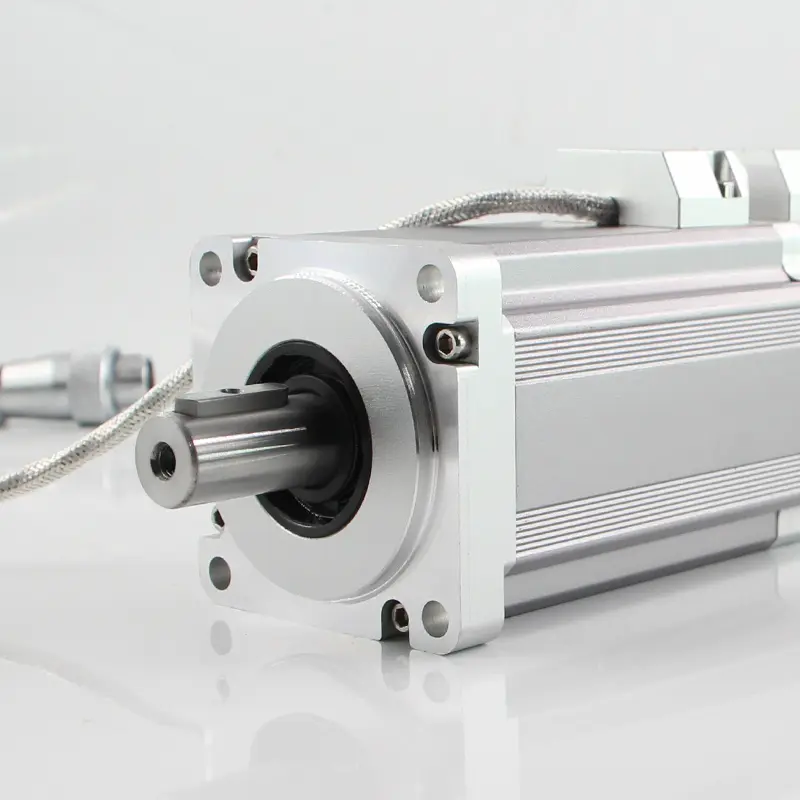
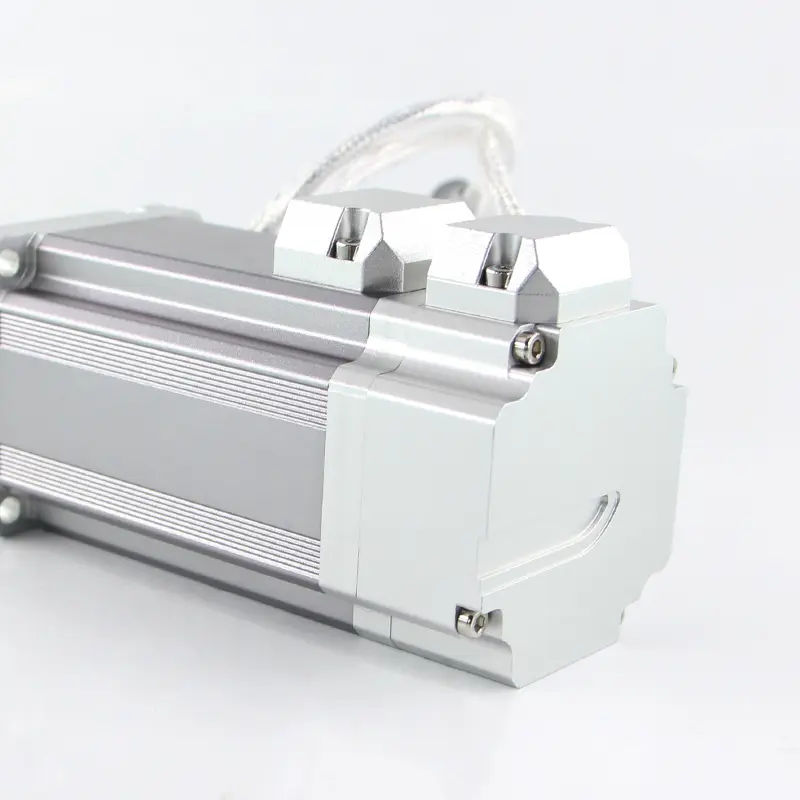
Low Temperature Servo Motor for Actuator Control - China Suppliers & Factory for Vacuum and Cryogenic Applications
Options
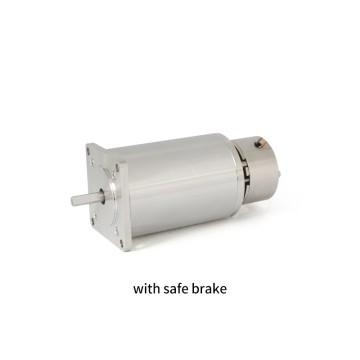
- Safe brake
- Geared multi-turn absolute encoder feedback
- 24/48/110VDC winding voltage
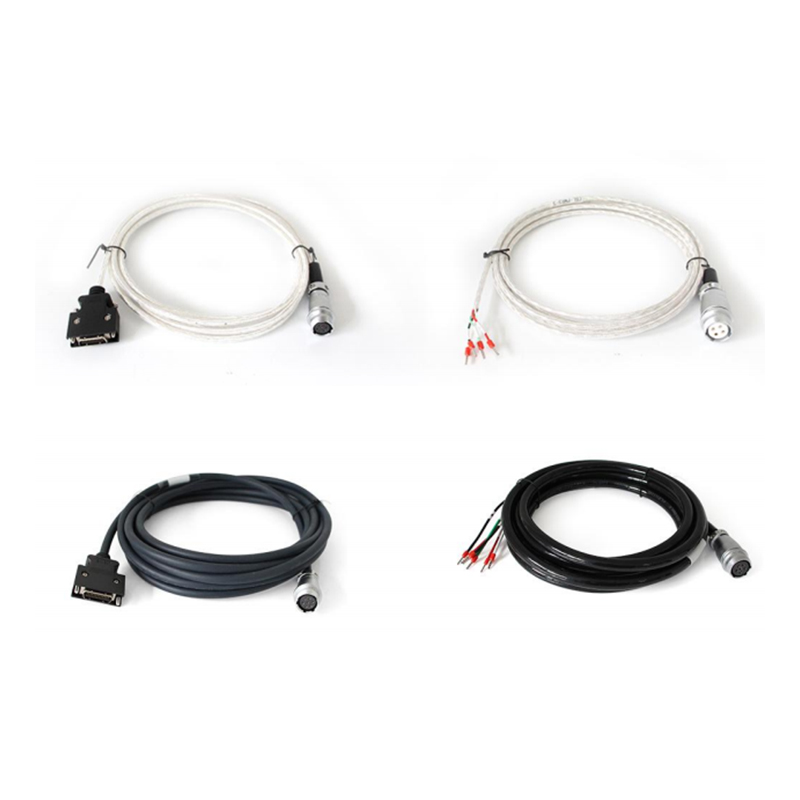
- Pre-assembled cables (power and feedback) ready-to-use
Ordering Information

① Product series
KECM series servo motor
② Winding voltage
24 = 24VDC (for 100/200/400W)
48 = 48VDC (for 400/750/1000W)
220 = 220VAC (for 100/400/750/1000W, 1800/3800W available on request)
380 = 380VAC (for 1800/3800W)
*For servo motors operated in a vacuum pressure range of 10-10000 Pa, we recommend utilizing a low-voltage (24 or 48 VDC) winding motor to eliminate the risk of breakdown.
48 = 48VDC (for 400/750/1000W)
220 = 220VAC (for 100/400/750/1000W, 1800/3800W available on request)
380 = 380VAC (for 1800/3800W)
*For servo motors operated in a vacuum pressure range of 10-10000 Pa, we recommend utilizing a low-voltage (24 or 48 VDC) winding motor to eliminate the risk of breakdown.
③ Rated power
100 = 100W
200 = 200W
400 = 400W
750 = 750W
1000 = 1KW
1800 = 1.8KW
3800 = 3.8KW
200 = 200W
400 = 400W
750 = 750W
1000 = 1KW
1800 = 1.8KW
3800 = 3.8KW
④ Feedback device
Blank = resolver. Incremental feedback
To achieve accurate positioning, it is necessary to implement a homing process, as the motor position is not recorded during power-off.
AE = geared multi-turn absolute encoder
With 17-bit single-turn resolution and 12-bit multi-turn. During power-off, the motor position is recorded. No back-up battery is required.
To achieve accurate positioning, it is necessary to implement a homing process, as the motor position is not recorded during power-off.
AE = geared multi-turn absolute encoder
With 17-bit single-turn resolution and 12-bit multi-turn. During power-off, the motor position is recorded. No back-up battery is required.
⑤ Safe brake
Blank = without brake
B = with brake
B = with brake
⑥ Environmental temperature ratings
| Environmental temperature rating code | Temperature range (℃) | Vacuum class (Pa, optional) |
|---|---|---|
| NTL1 | -40~+85 | 10-3 |
| NTL2 | -40~+100 | - |
| NTL3 | -60~+100 | - |
| NTL4 | -60~+120 | - |
| L*H* | customized | customized |
⑦ Vacuum class
Blank = Non-vacuum
V3 = Low pressure or vacuum to 10-3Pa
V3 = Low pressure or vacuum to 10-3Pa
⑧ Special features
Blank = No special features
SR = Salt spray resistance
SR = Salt spray resistance
Description
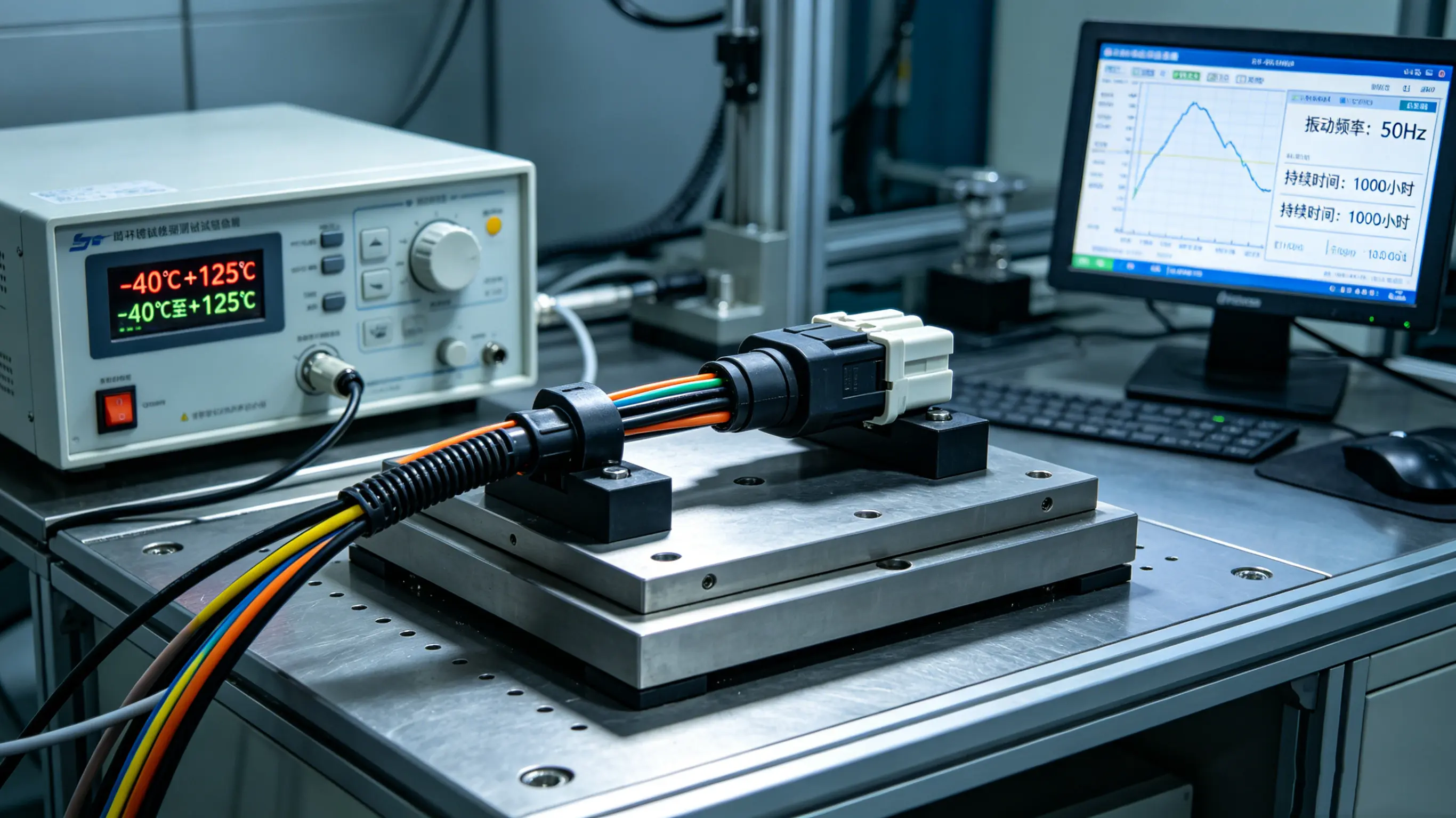
Before being installed in vehicles, automotive wiring harnesses and connectors must undergo rigorous environmental simulation tests to verify their vibration durability under extreme temperatures. The KECM series high and low temperature servo motor plays a core role as an excitation or displacement drive in such testing equipment. As a professional high and low temperature servo motor, this series product can deliver rated torque stably across a wide temperature range of -60℃ to 120℃, and with high dynamic response characteristics, it can accurately reproduce complex vibration waveforms such as road load data, thereby realistically simulating the fatigue stress of wiring harnesses under different temperatures. Unlike conventional motors, the KECM series high and low temperature servo motor does not suffer from insufficient starting torque due to grease solidification at low temperatures, nor does it lose control due to insulation aging at high temperatures. Its robust structural design ensures reliability during long-term operation under alternating temperature conditions. When used for wiring harness vibration simulation, the high and low temperature servo motor typically requires closed-loop control with a high-precision encoder. The optional absolute encoder provides real-time position and velocity feedback, maintaining zero-point accuracy even after extended operation inside a temperature chamber. To prevent free fall of the vibration table during power outages, this high and low temperature servo motor can also be equipped with an optional brake mechanism, safely locking the load during standby or abnormal conditions. By incorporating the KECM series high and low temperature servo motor, test engineers can easily build a full-temperature-range wiring harness vibration simulation platform from -60℃ to 120℃, significantly shortening product development validation cycles. The excellent performance of this high and low temperature servo motor makes it suitable not only for wiring harness testing but also widely for environmental stress screening of other automotive components such as electronic assemblies and plastic parts, fully demonstrating the important application value of high and low temperature servo motors in reliability engineering.
Frequently Asked Questions
What is the operating temperature range of the KECM servo motor?
The KECM series servo motor is designed for extreme conditions, offering standard temperature ratings from -40℃ up to +120℃ (NTL1 to NTL4), with customized configurations (L*H*) available to meet wider temperature requirements.
Which feedback devices are supported by these servo motors?
You can choose between a standard resolver for incremental feedback (requires homing on power-up) and a geared multi-turn absolute encoder (AE) with 17-bit single-turn and 12-bit multi-turn resolution, which retains position memory without a backup battery.
Why is a low-voltage winding recommended for vacuum applications?
For operations within a vacuum pressure range of 10 to 10,000 Pa, using low-voltage windings (24VDC or 48VDC) is highly recommended to prevent electrical breakdown risks associated with low-pressure environments.
Are the KECM servo motors suitable for wiring harness vibration testing?
Yes. The KECM series excels in automotive wiring harness vibration testing. Unlike standard motors, it avoids issues like grease solidification at low temperatures or insulation aging at high temperatures, ensuring stable torque and precise control.
Can these motors be configured with a safety brake?
Yes, an optional safe brake (ordering code B) is available. It is designed to safely lock the load during standby or power outages, preventing the free fall of vibration tables or test setups.