


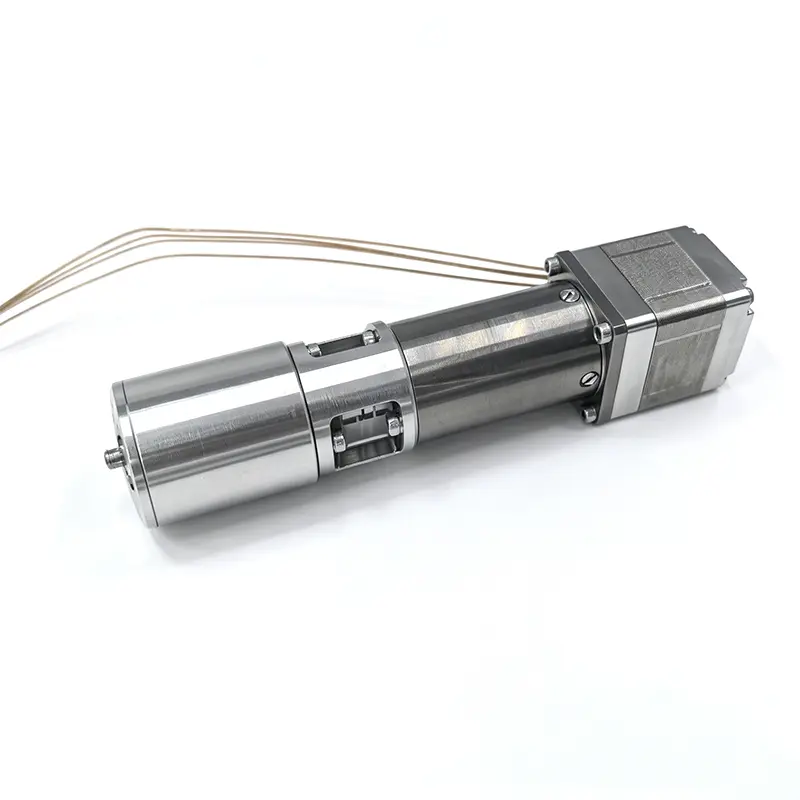
High and Low Temperature Radiation Resistant Micro-Electric Actuator - China Suppliers and Factory for Precision Optical Instruments
Environmental temperature ratings
| Environmental temperature rating code | Temperature range (℃) | Vacuum class (Pa, optional) | Radiation resistance (Gy, optional) |
|---|---|---|---|
| VHT1 | -40~+85 | 10-1/10-3/10-5/10-7/10-9 | 1x1000/1x10000/1x105/1x106 |
| VHT2 | -40~+150 | 10-1/10-3/10-5/10-7/10-9 | 1x1000/1x10000/1x105/1x106 |
| VHT3 | -20~+200 | 10-1/10-3/10-5/10-7/10-9 | 1x1000/1x10000/1x105/1x106 |
| VHT4 | -80~+120 | 10-1/10-3/10-5/10-7/10-9 | 1x1000/1x10000/1x105/1x106 |
- Blank = Non-vacuum
- V1 = Low pressure or vacuum to 10⁻¹ Pa
- V3 = Low pressure or vacuum to 10-3 Pa
- V5 = Vacuum to 10-5 Pa
- V7 = Vacuum to 10-7 Pa
- V9 = Vacuum to 10-9 Pa
- RAD1K: 1x1000Gy
- RAD10K: 1x10000Gy
- RAD100K: 1x10⁵Gy
- RAD1MK: 1x10⁶Gy
Description
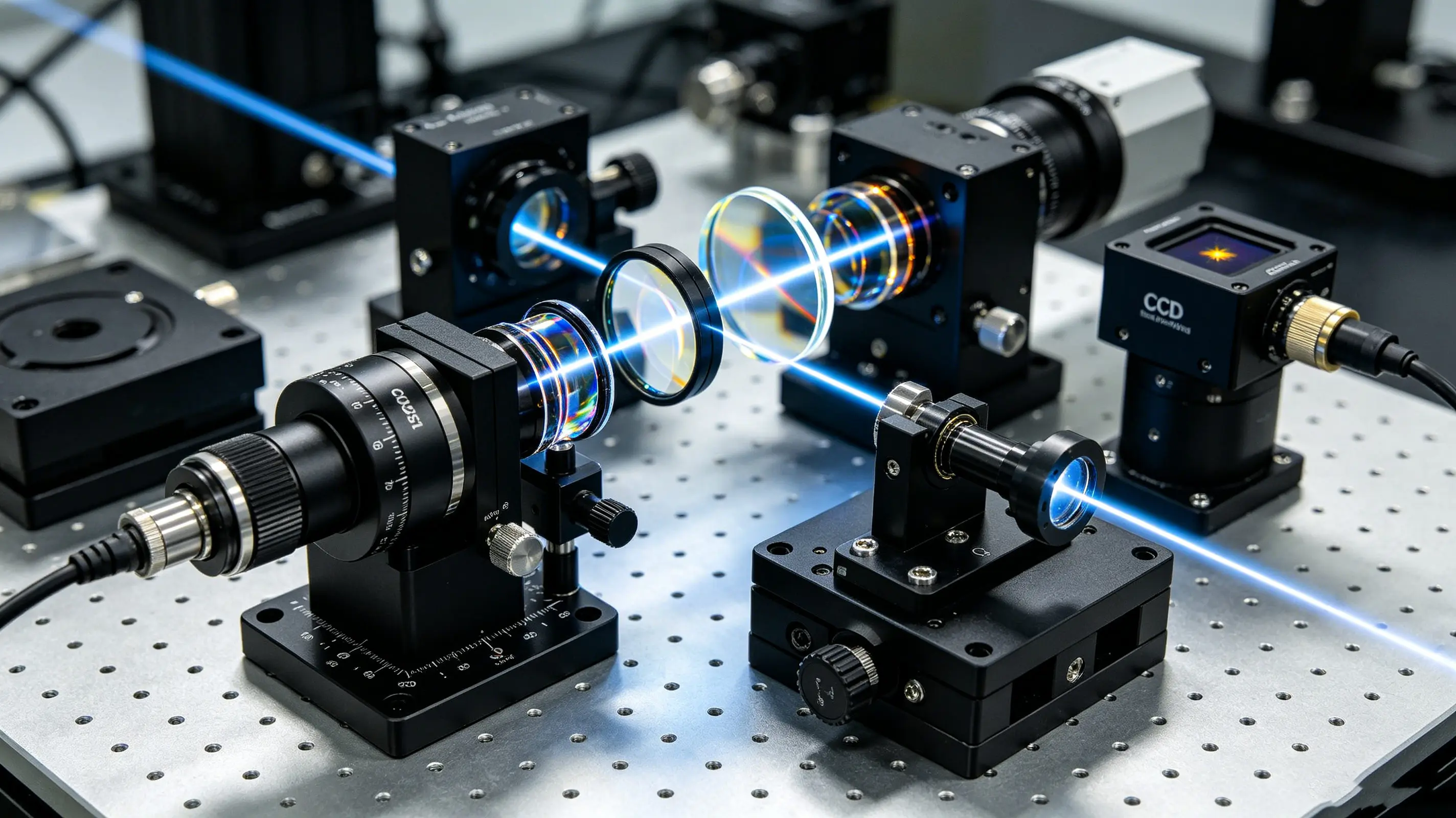
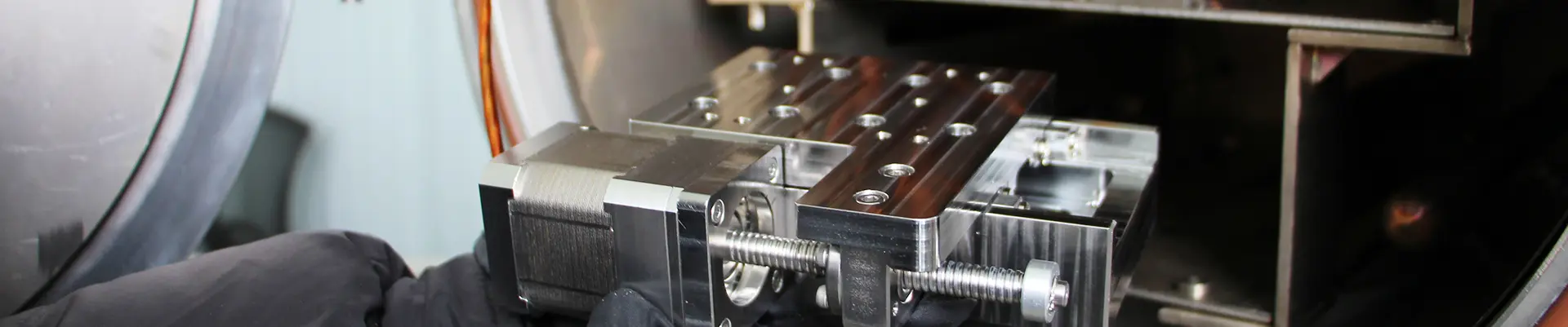
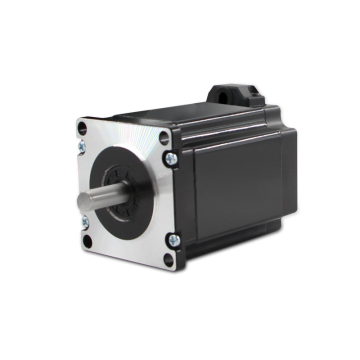
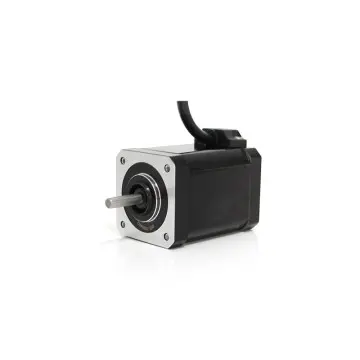
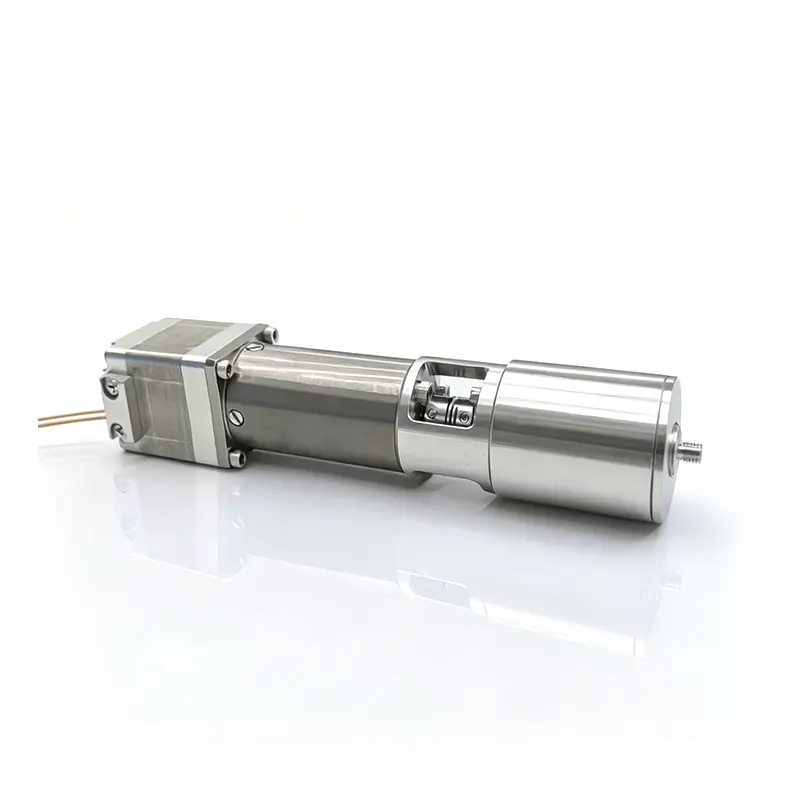
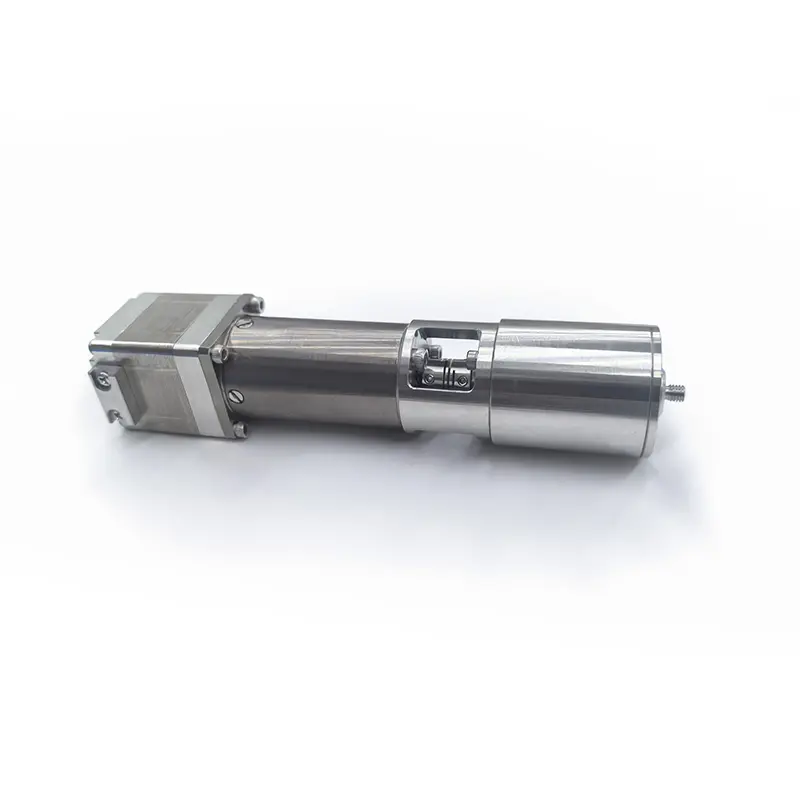
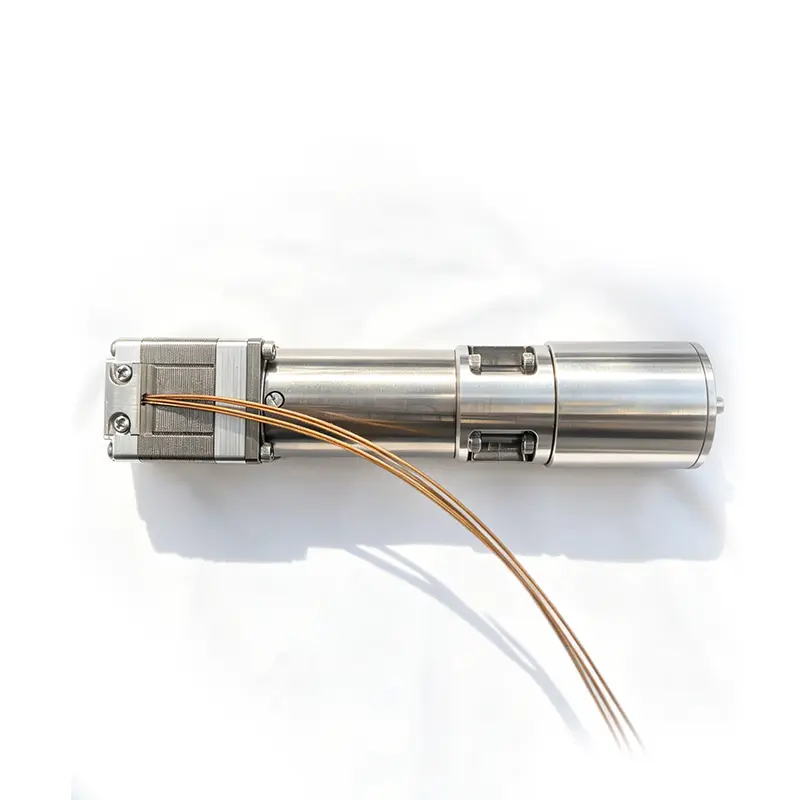
In the process of development and test of precision optical instruments, the final resolution and imaging quality of the system are directly determined by the attitude control of optical elements and the accuracy of optical path alignment. However, when these instruments need to work in vacuum environment, extreme temperature conditions or radiation fields, conventional motion actuators often fail to meet the requirements due to material volatilization, lubrication failure or thermal deformation. Vacuum high and low temperature radiation-resistant micro-electric actuator was born to solve this dilemma, which fully adapts to the harsh environment from material selection, lubrication mode to structural design, and ensures that the optical system maintains its design performance throughout its life cycle.
For the ground calibration and thermal vacuum test of space telescopes, the position of the mirror in the vacuum cavity must be extremely stable, and any micron drift will lead to the degradation of the image quality of the star point. Vacuum high and low temperature radiation-resistant miniature electric actuators use ceramic bearings and oil-free lubrication pairs to eliminate the pollution of organic volatiles on the mirror surface from the root, which is particularly important for optical systems working in extreme ultraviolet or deep ultraviolet bands. At the same time, the actuator can operate reliably between -80 ℃ and + 200 ℃, and its thermal expansion compensation design keeps the motion resolution at the level of about 1 nm. In a typical thermal cycle test, the optical interferometer needs to continuously record the surface shape changes of the mirror at different temperature nodes, while the vacuum high and low temperature radiation-resistant micro-electric actuator provides a reliable displacement reference for the measurement with its extremely small step (≤ 20 nm) and repetitive positioning accuracy, so that the environmental interference can be effectively separated from the measurement data.
In precision optical experiments involving intense radiation environments, such as optical diagnostic systems for high energy physics experiments or observation window calibration inside nuclear facilities, the common actuator motor winding insulation deteriorates rapidly. The vacuum high and low temperature radiation-resistant micro-electric actuator can withstand a cumulative dose of up to 1 × 10⁶ Gy, and its internal radiation-resistant material and reinforcement design ensure its long-term service ability in the radiation field. When optical elements need to be adjusted in situ under high radiation background, this vacuum high and low temperature radiation-resistant micro-electric actuator can respond to external control instructions, complete precise adjustment with nano-scale steps, and will not cause motion stagnation or accuracy loss due to radiation.
In addition, the low outgassing rate of the actuator enables the ultra-high vacuum optical cavity to reach the working pressure more quickly, thus shortening the experimental preparation period. Whether used for vacuum cryogenic testing of ground-based large optical telescopes or for cold optical calibration of space infrared interferometers, vacuum high and low temperature radiation-resistant micro-electric actuators have become indispensable core moving components in precision optical engineering because of their multi-dimensional environmental adaptability. Through the systematic optimization of materials, lubrication and driving logic, this vacuum high and low temperature radiation-resistant micro-electric actuator truly realizes high-precision and high-reliability motion output under extreme multi-physical field coupling conditions, which provides a solid technical foundation for the development of the next generation of precision optical instruments. The wide application of vacuum high and low temperature radiation resistant micro-electric actuators has also promoted the innovation of optical testing methods, making the precision calibration which is difficult to carry out in the real service environment become a conventional means, and its technical value has far exceeded the scope of a single actuator, but has become a key enabling technology in extreme optical system integration.