

Hot Products


PB Series Vacuum Reducer for Vacuum Cabin Door Mechanism - China Suppliers & Factory
Options
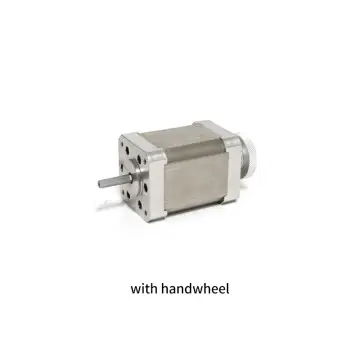
- Side Handwheel
Ordering Information

① Product series
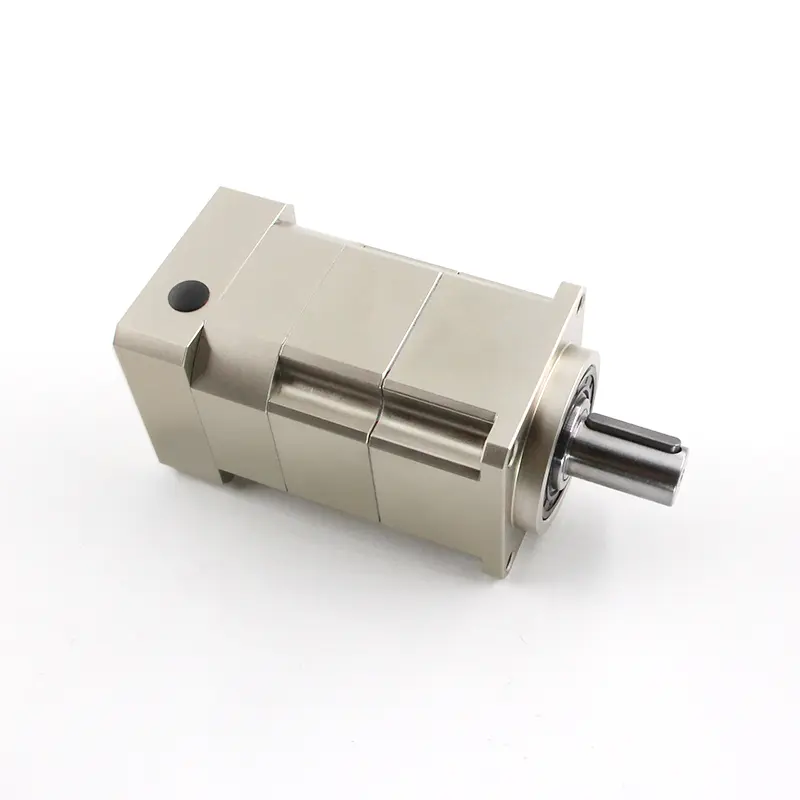
PB series in-line planetary gearbox
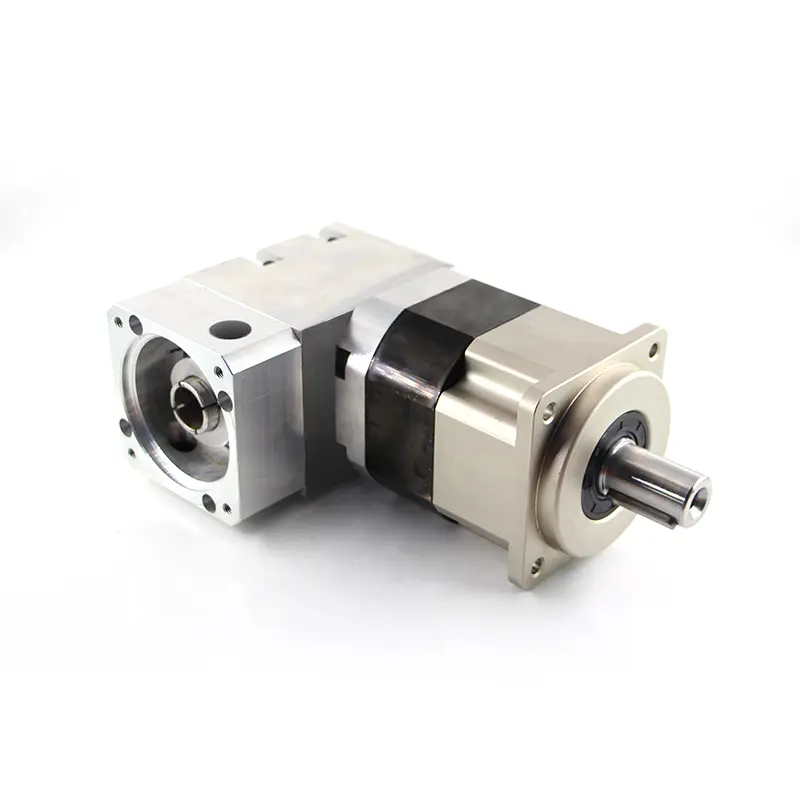
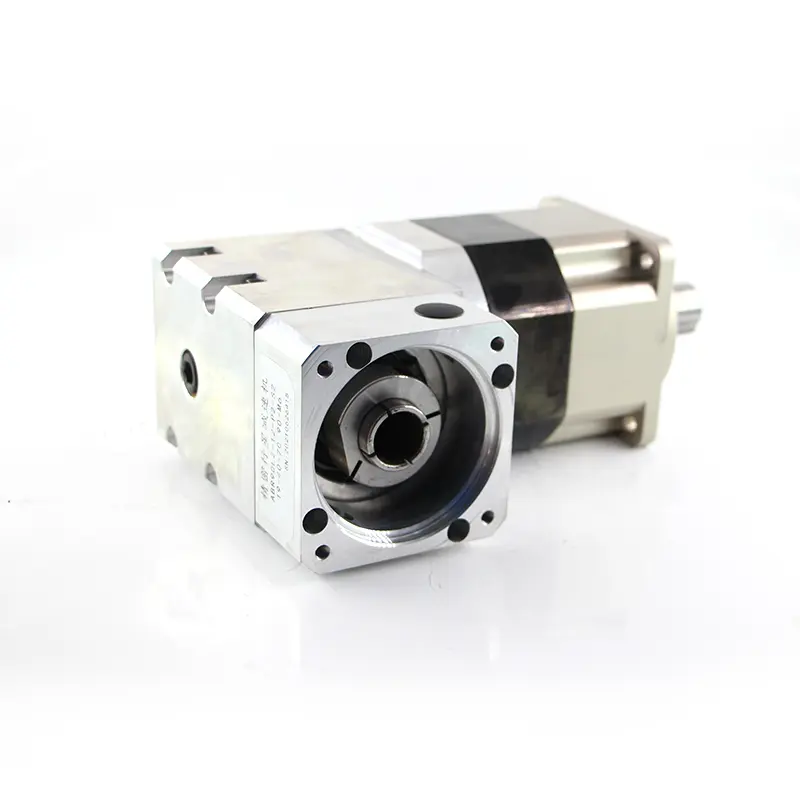
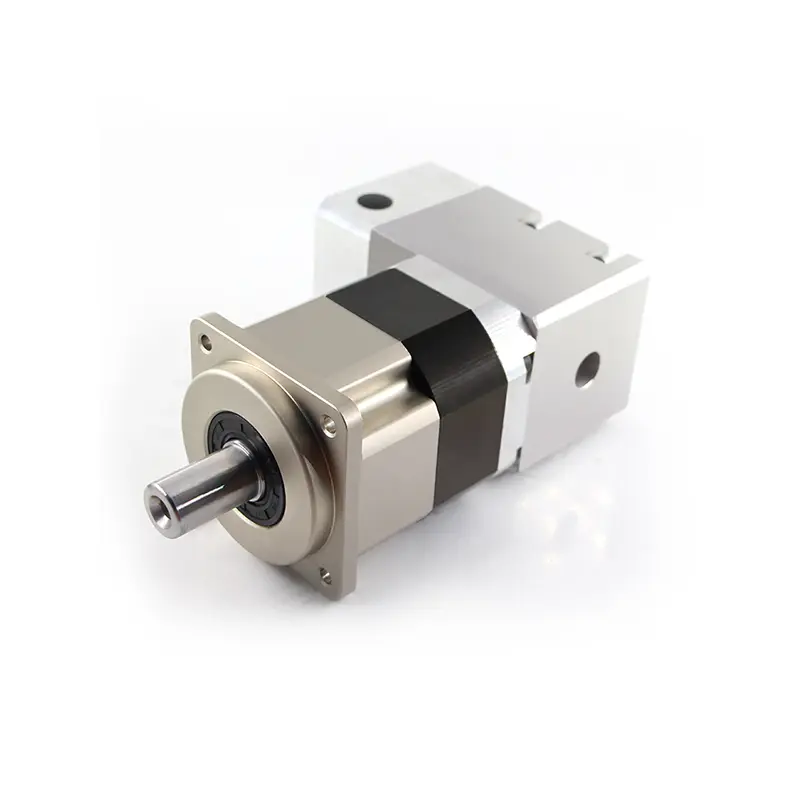
PBR series 90° rectangle planetary gearbox
② Flange size
42/60/90/115/142/180mm
③ Reduction stage
L1 = 1 stage
L2 = 2 stages
④ Reduction ratio
1 stage: 3, 4, 5, 6, 7, 8, 10
2 stages: 12, 15, 16, 20, 25, 30, 32, 35, 36, 40, 50, 60, 64, 70, 80, 100
⑤ Environmental temperature ratings
| Environmental temperature rating code | Temperature range (℃) | Vacuum class (Pa, optional) | Radiation resistance (Gy, optional) |
|---|---|---|---|
| RHT | -20~+200 | 10-3 | 106 |
| SHT | -20~+200 | 10-3/10-5/10-7 | - |
| HT | -20~+150 | 10-3/10-5/10-7 | - |
| NTL1 | -40~+85 | 10-3/10-5 | - |
| NTL2 | -40~+100 | - | - |
| NTL3 | -65~+125 | 10-3 | - |
| NTL4 | -80~+40 | 10-3 | - |
| NTL5 | -55~+150 | - | - |
⑥ Vacuum class code
Blank = Non-vacuum
V3 = Low pressure or vacuum to 10-3Pa
V5 = Vacuum to 10-5Pa
V7 = Vacuum to 10-7Pa
⑦ Radiation resistance code
Blank = No radiation resistance
RH = Radiation resistance (total dose 106Gy)
⑧ Designator of mounted motor
e.g.
KH86 = KH series 86mm stepper motor
KVM57 = KVM series 57mm stepper motor
KECM750 = KECM series 750W servo motor
KSSM400 = KSSM series 400W servo motor
Description
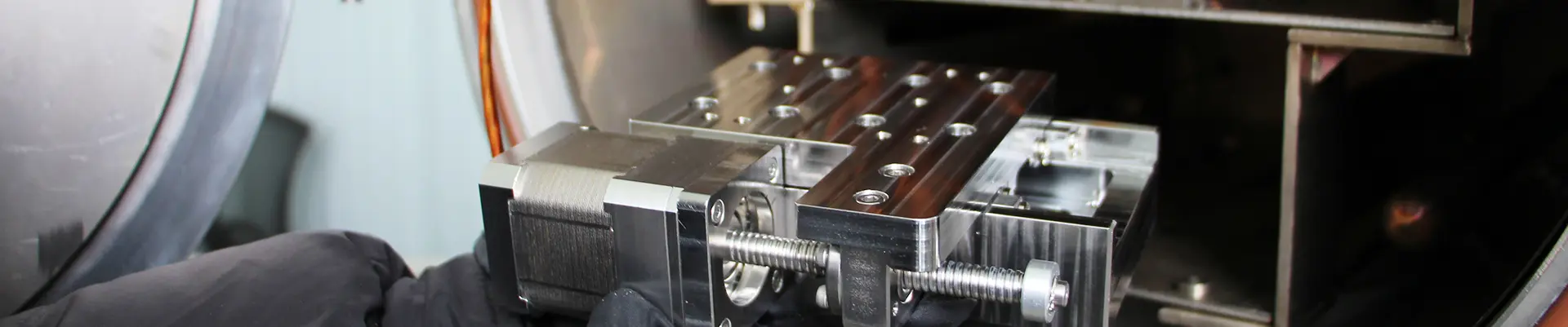
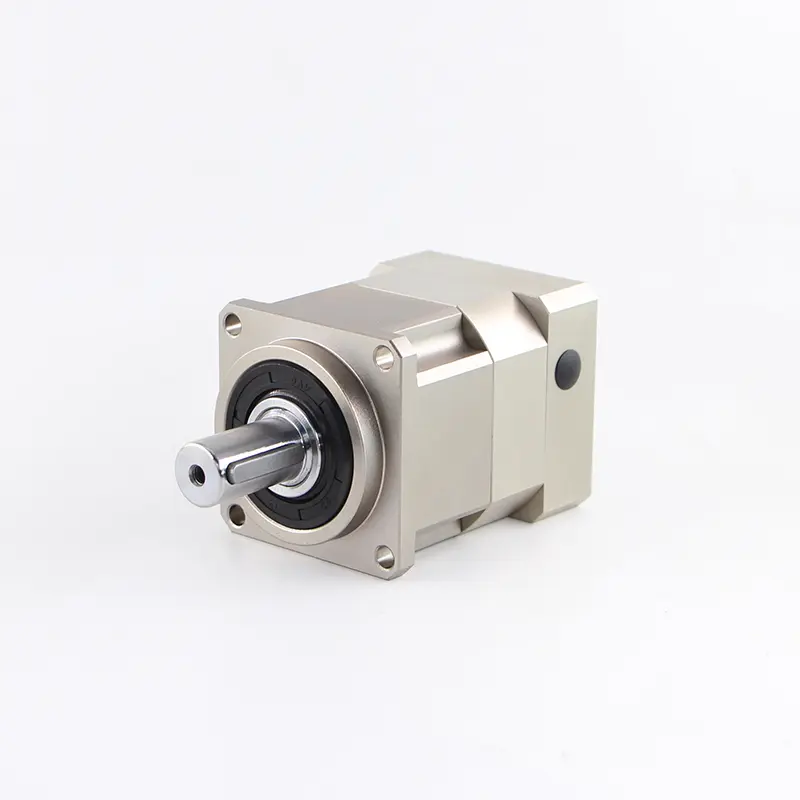
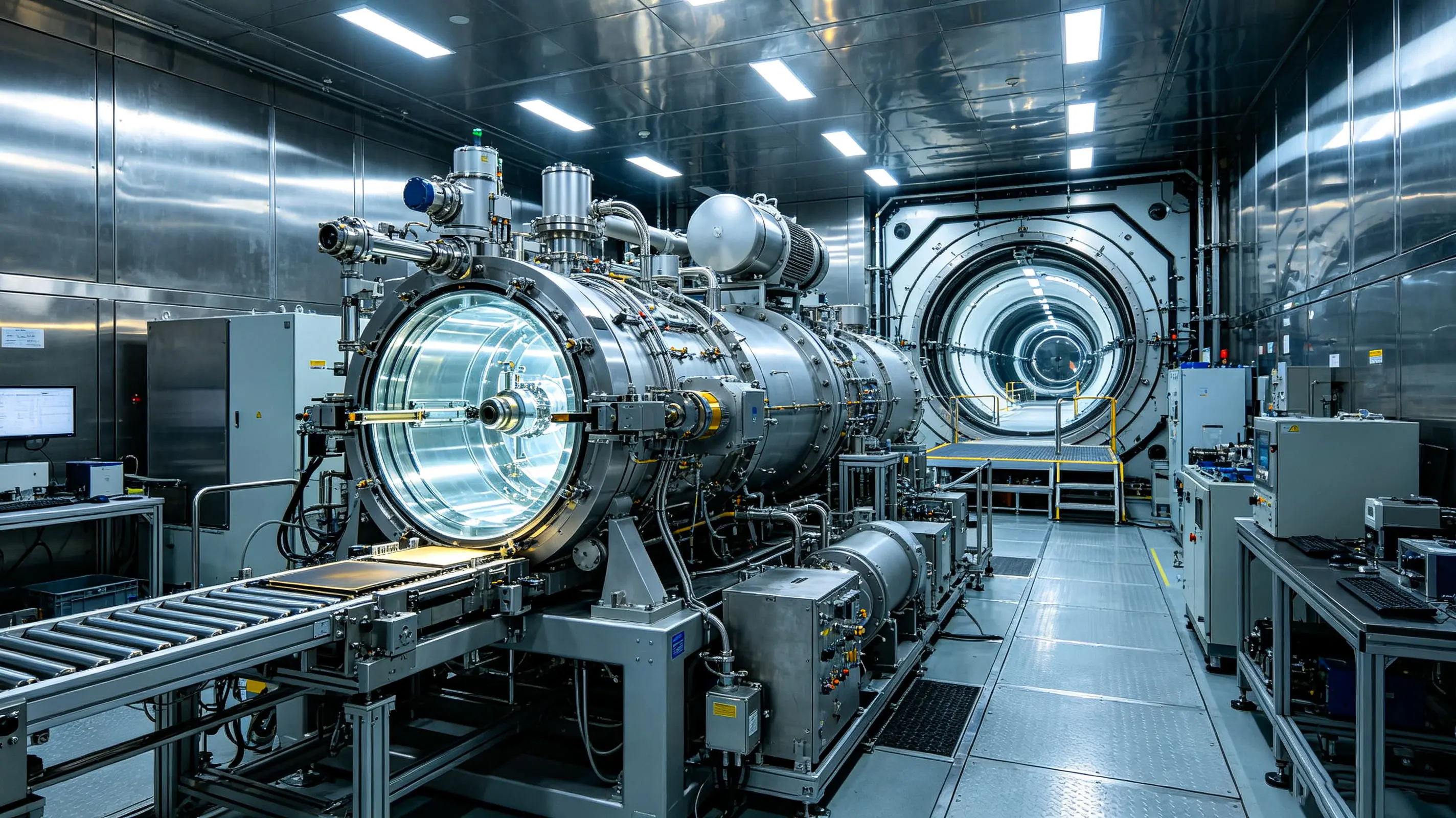
In high-end equipment such as semiconductor coating equipment, ion implantation equipment, vacuum experimental chambers and aerospace simulation cavities, the vacuum cabin door opening and closing mechanism is a key structure to maintain stable cavity vacuum environment. Ordinary reducers easily damage the cavity vacuum degree and pollute precision electronic components due to lubricant volatilization and insufficient sealing performance, while the vacuum reducer is a special precision transmission component adapted to vacuum cabin door opening and closing working conditions. The core advantage of the vacuum reducer is its ultra-high vacuum resistance. It stably adapts to the ultra-high vacuum working condition of 10⁻⁷ Pa, adopts low-outgassing special lubricating materials internally, and precipitates no volatile impurities during operation, permanently maintaining the clean and sealed state of the vacuum cavity. Optimized for sealed vacuum environments, the vacuum reducer has excellent overall sealing performance, preventing external air infiltration and ensuring constant environmental parameters of the vacuum cabin.
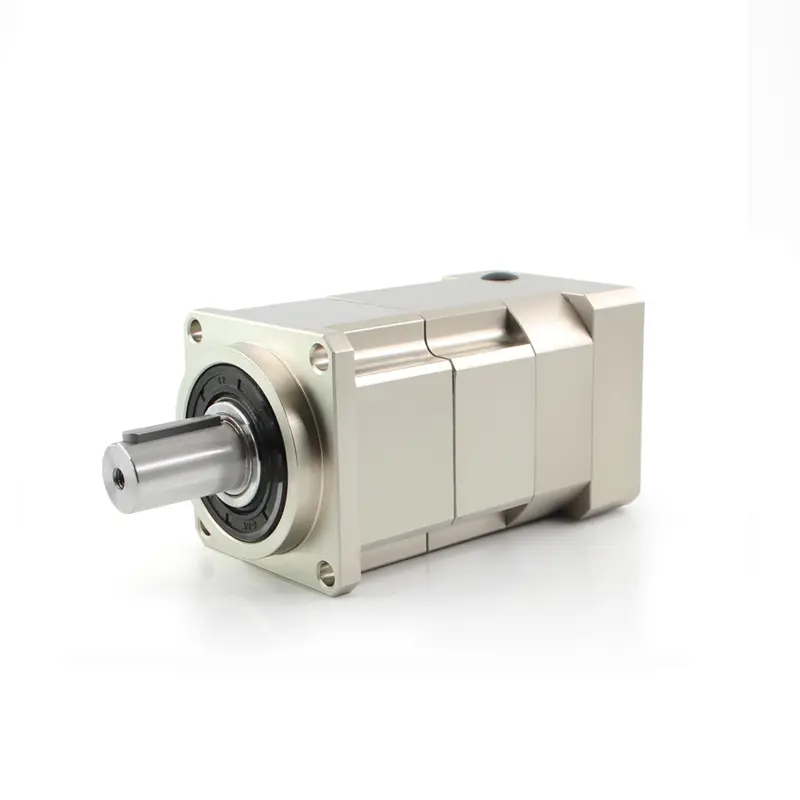
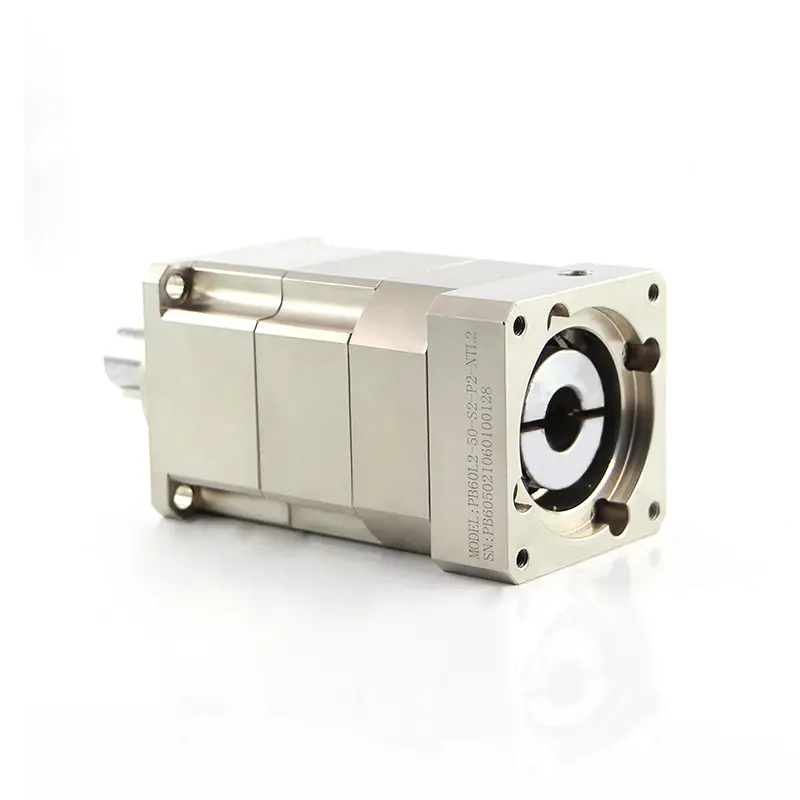
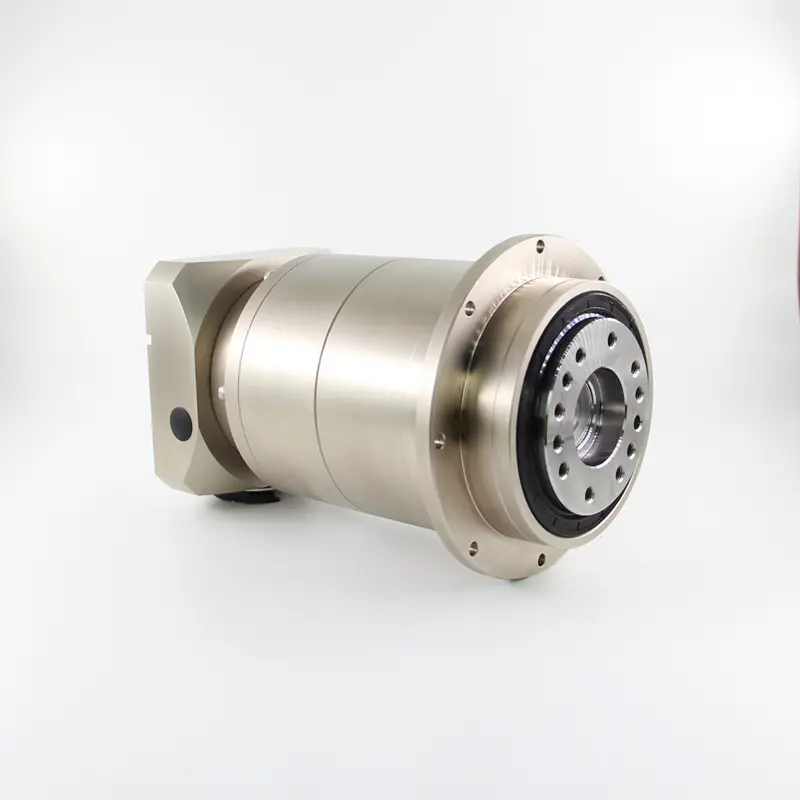
The vacuum reducer has a complete specification system with flange sizes of 42/60/90/100/115/140/180/200/220/255 mm, adaptable to the opening and closing mechanisms of small laboratory vacuum cabins, medium semiconductor process cabins and large industrial vacuum cavities. The vacuum reducer has optional gear ratios from 3 to 100. The low gear ratio ensures smooth and impact-free opening and closing of cabin doors, while the high gear ratio realizes precise locking and positioning of cabin doors for enhanced sealing performance. With a rated torque of 5 to 1200 Nm, small-torque vacuum reducer models adapt to lightweight small cabin doors, and large-torque models drive thick and heavy large vacuum cavity cabin doors for full-scene adaptation. The vacuum reducer supports two output modes: shaft output and flange plate output, matching direct-connected and flange-fixed cabin door transmission structures. Equipped with linear and 90° angle motor connection modes, it perfectly adapts to narrow installation spaces on the side and bottom of cavities and avoids structural interference.
Vacuum cabin doors require tens of thousands of high-frequency opening and closing cycles, demanding high stability and durability of transmission components. The vacuum reducer adopts special vacuum-grade gears, bearings and sealing accessories, resisting vacuum aging and lubricant precipitation, and operates stably for a long time without jamming, air leakage or failure. The vacuum reducer operates continuously and stably in PVD/CVD vacuum coating equipment cabin doors, electron beam welding vacuum cabin doors, aerospace ground simulation vacuum cabin doors and other equipment, ensuring constant vacuum environment of the equipment. Major vacuum equipment manufacturers prefer the vacuum reducer in non-standard cavity design and renovation. Its complete standardized specifications eliminate the need for customized mold opening, effectively shortening equipment R&D cycles and reducing production costs. With excellent ultra-high vacuum adaptability, high transmission precision and long-term stability, the vacuum reducer has become a standard transmission component for the opening and closing mechanism of all kinds of high-end vacuum cabin doors.
Frequently Asked Questions (FAQ)
What applications are vacuum reducers designed for?
They are specifically designed for vacuum cabin door opening and closing mechanisms in high-end equipment like PVD/CVD vacuum coating systems, semiconductor process cabins, ion implantation equipment, electron beam welding cabins, vacuum experimental chambers, and aerospace ground simulation cavities.
What vacuum levels can these planetary gearboxes withstand?
The vacuum reducer is optimized for sealed vacuum environments, stably adapting to ultra-high vacuum conditions of up to 10⁻⁷ Pa. It utilizes low-outgassing special lubricating materials internally to prevent volatile impurity precipitation.
What flange sizes and gear ratios are available?
The reducer offers standard flange sizes including 42, 60, 90, 100, 115, 140, 180, 200, 220, and 255 mm. It supports optional gear ratios ranging from 3 to 100, and a rated torque range of 5 to 1200 Nm.
How does the environmental temperature rating code system work?
The system offers multiple temperature ratings tailored for vacuum and radiation conditions. These range from high-temperature codes like RHT/SHT (-20 to +200°C) to low-temperature codes like NTL4 (-80 to +40°C) and NTL3 (-65 to +125°C), with options for vacuum levels up to 10⁻⁷ Pa and radiation resistance up to 10⁶ Gy.
What motor types and connection modes are supported?
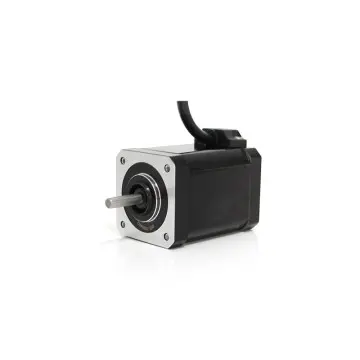
They support stepper motors (such as KH86 and KVM57) and servo motors (such as KECM750 and KSSM400). They support both linear and 90° angle motor connection configurations, as well as shaft and flange plate output structures.