


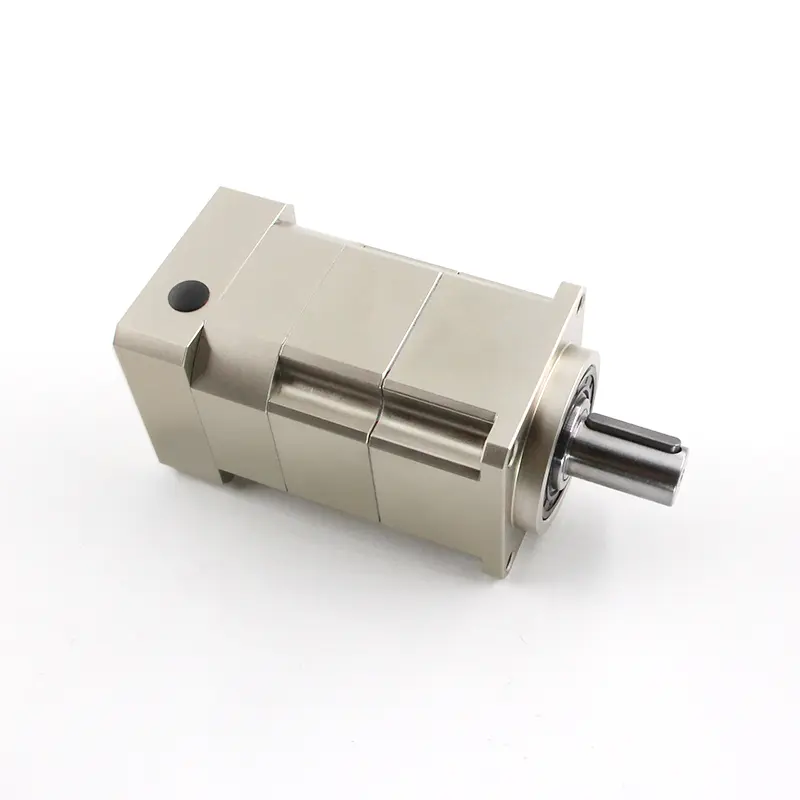
PB Series Vacuum Reducer - China Suppliers & Factory for Vacuum Cabin Door Mechanism, Rated Torque Load 5-1200Nm
Options
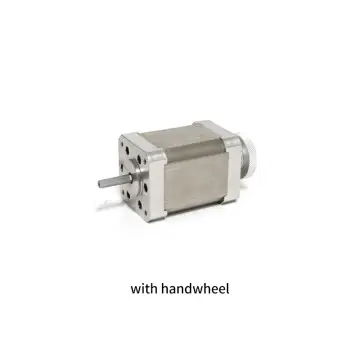
- Side Handwheel
Ordering Information

PB series in-line planetary gearbox
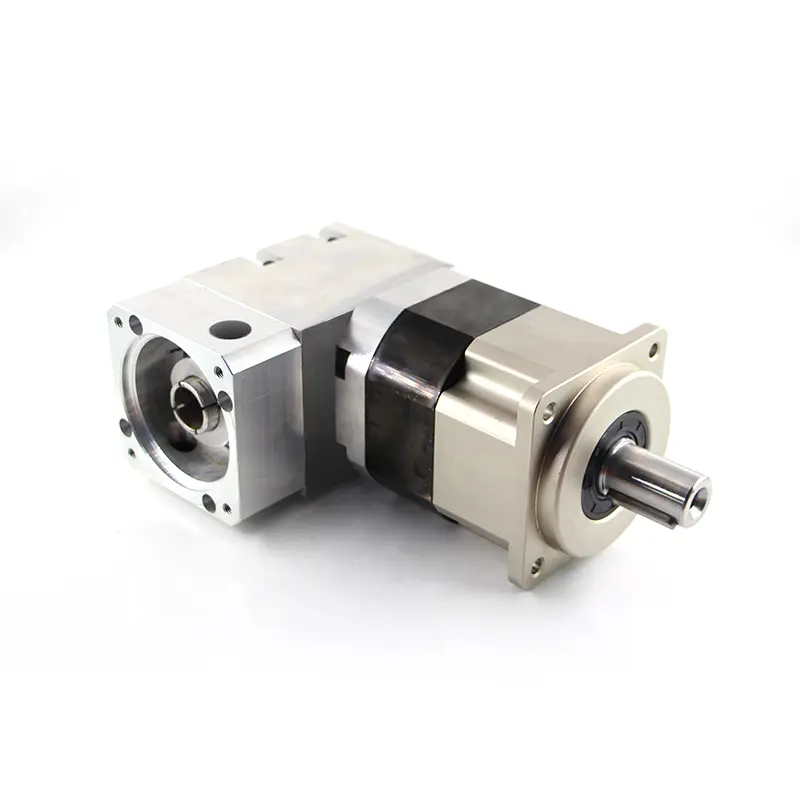
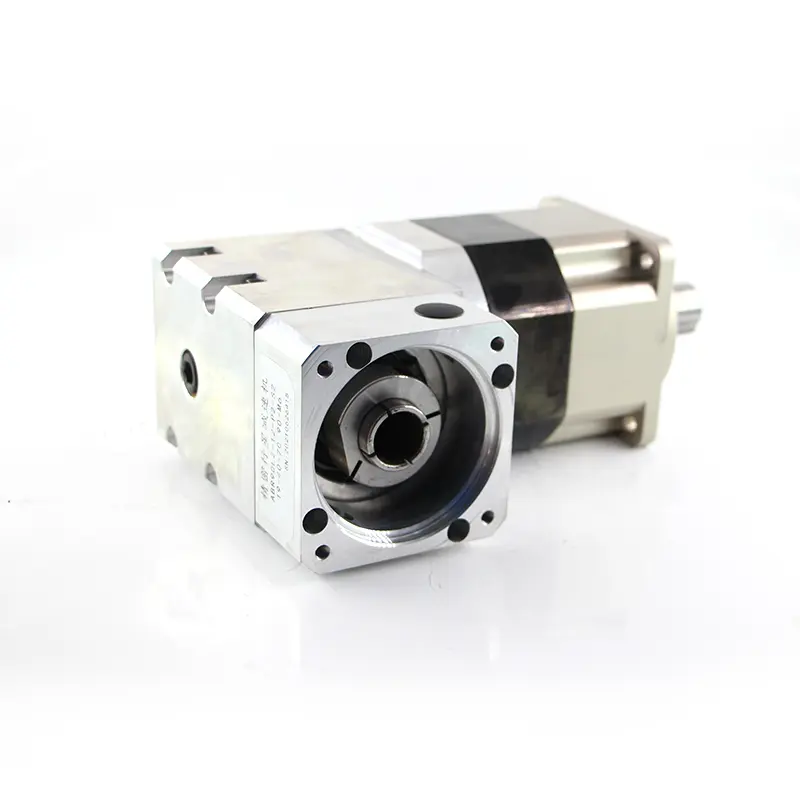
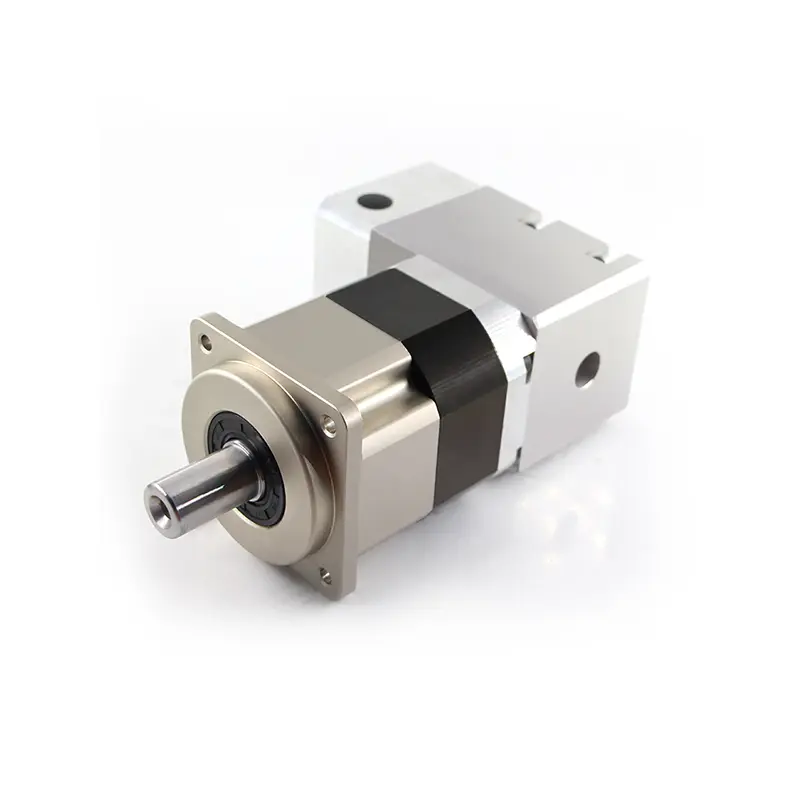
PBR series 90° rectangle planetary gearbox
42 / 60 / 90 / 115 / 142 / 180mm
L1 = 1 stage
L2 = 2 stages
1 stage: 3, 4, 5, 6, 7, 8, 10
2 stages: 12, 15, 16, 20, 25, 30, 32, 35, 36, 40, 50, 60, 64, 70, 80, 100
| Environmental temperature rating code | Temperature range (℃) | Vacuum class (Pa, optional) | Radiation resistance (Gy, optional) |
|---|---|---|---|
| RHT | -20~+200 | 10-3 | 106 |
| SHT | -20~+200 | 10-3/10-5/10-7 | - |
| HT | -20~+150 | 10-3/10-5/10-7 | - |
| NTL1 | -40~+85 | 10-3/10-5 | - |
| NTL2 | -40~+100 | - | - |
| NTL3 | -65~+125 | 10-3 | - |
| NTL4 | -80~+40 | 10-3 | - |
| NTL5 | -55~+150 | - | - |
Blank = Non-vacuum
V3 = Low pressure or vacuum to 10-3Pa
V5 = Vacuum to 10-5Pa
V7 = Vacuum to 10-7Pa
Blank = No radiation resistance
RH = Radiation resistance (total dose 106Gy)
e.g.
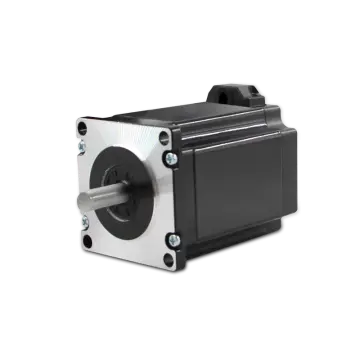
KH86 = KH series 86mm stepper motor
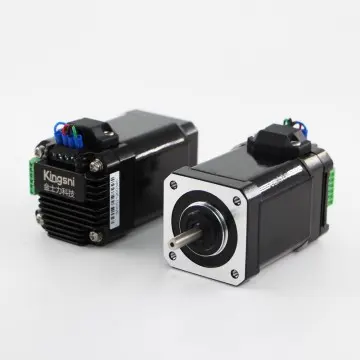
KVM57 = KVM series 57mm stepper motor
KECM750 = KECM series 750W servo motor
KSSM400 = KSSM series 400W servo motor
Description
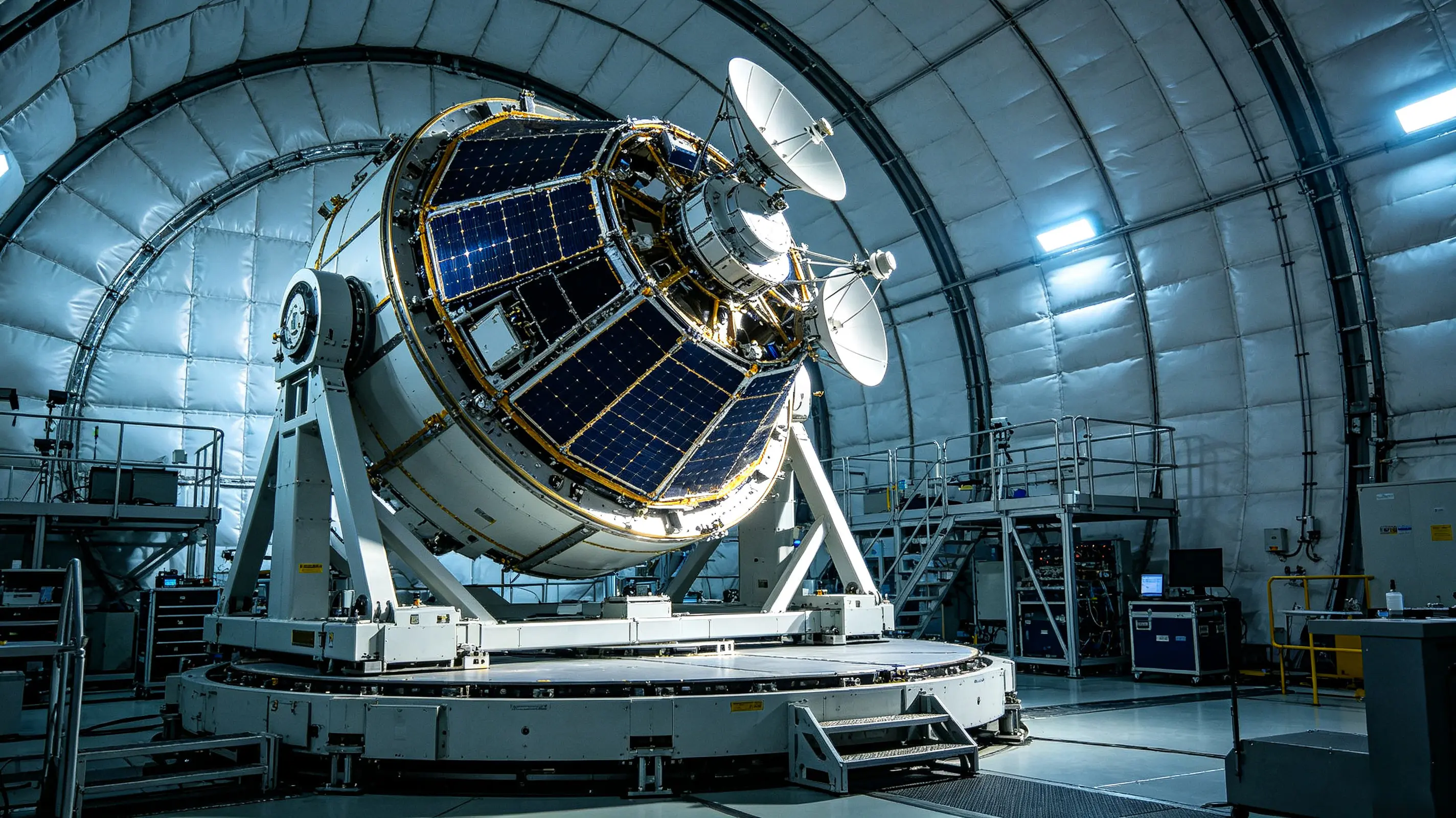
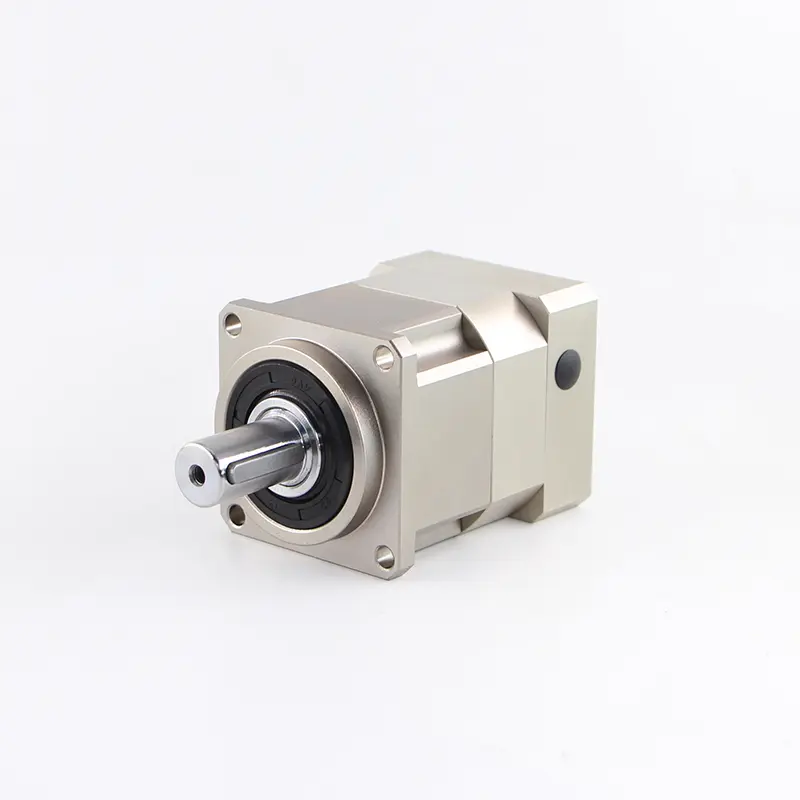
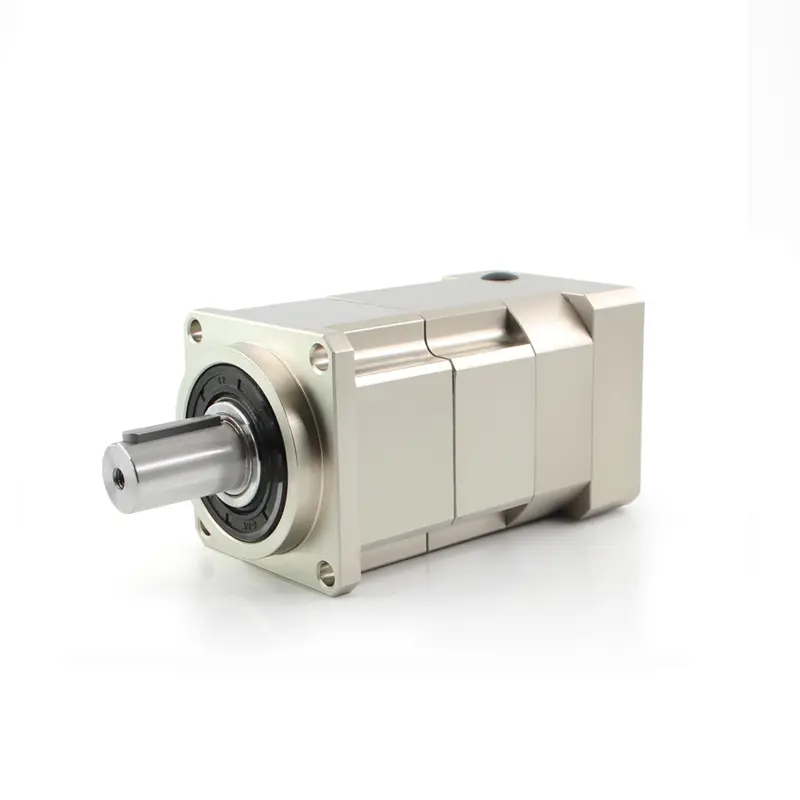
The space rotary table is a core moving component of aerospace satellites, deep space exploration equipment, and ground space simulation chambers. It operates long-term under extreme composite working conditions including ultra-high vacuum, severe temperature difference, and cosmic ray radiation. Ordinary reducers are prone to lubrication failure, structural jamming, material aging and other faults. In contrast, the vacuum high-low temperature radiation-resistant reducer is customized for extreme aerospace working conditions and serves as the core guarantee for stable and precise transmission of space rotary tables. The vacuum high-low temperature radiation-resistant reducer achieves an ultra-high vacuum resistance of 10⁻⁷ Pa, fully adapts to the space vacuum environment without gas precipitation or cavity pollution, and ensures the internal cleanliness of aerospace equipment. Adopting an ultra-wide temperature adaptation performance, the vacuum high-low temperature radiation-resistant reducer stably withstands drastic temperature fluctuations from -196℃ ultra-low temperature to +200℃ high temperature, perfectly matching the complex space environment of high temperature on the sun-facing side and extreme low temperature on the back-facing side. Meanwhile, the vacuum high-low temperature radiation-resistant reducer resists high-intensity radiation of 1×10⁷ Gy, effectively preventing the aging and failure of transmission components caused by long-term erosion of cosmic high-energy rays.
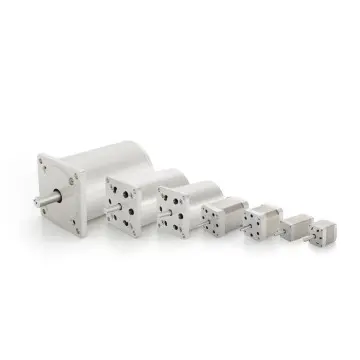
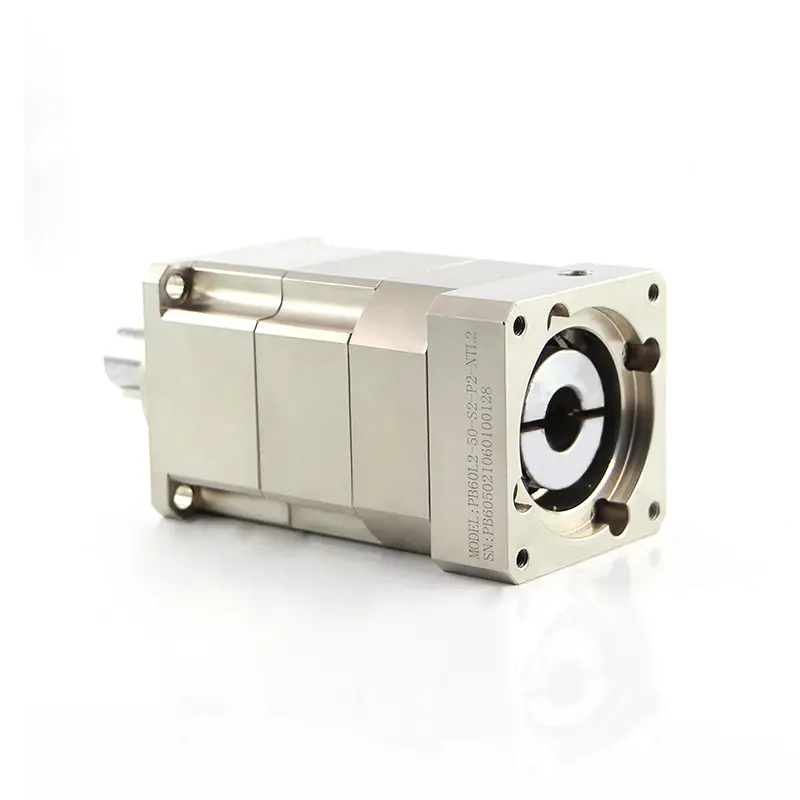
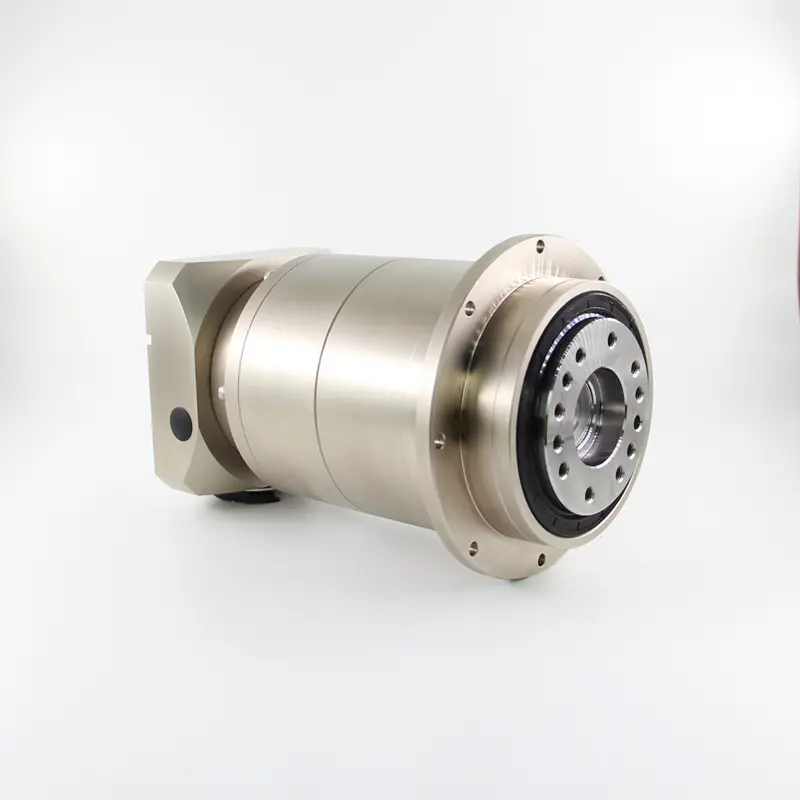
To adapt to space rotary table equipment of various specifications, the vacuum high-low temperature radiation-resistant reducer is equipped with complete standardized flange sizes, covering 42/60/90/100/115/140/180/200/220/255 mm, fully meeting the installation requirements of small cloud platform rotary tables, medium-load rotary tables and large space simulation rotary tables. The vacuum high-low temperature radiation-resistant reducer features a gear ratio ranging from 3 to 100, satisfying diverse transmission demands including high-precision fine adjustment and high-torque heavy-duty driving; its rated torque ranges from 5 to 1200 Nm, adapting to all types of light and heavy space rotary table equipment. In terms of output structure, the vacuum high-low temperature radiation-resistant reducer supports shaft output and flange plate output to match different transmission connection structures. Motors can be connected in linear or 90° angle types, enabling flexible adaptation to the narrow and compact installation space of aerospace equipment.
Aerospace space rotary tables require long-term maintenance-free continuous operation, imposing extremely high requirements on the stability, durability and environmental adaptability of transmission components. The vacuum high-low temperature radiation-resistant reducer adopts special radiation-resistant alloy materials, wide-temperature resistant sealing structure and non-volatile special lubricating medium, fully adapting to extreme space working conditions in structure and material. Whether for attitude adjustment rotary tables of in-orbit satellites, rotating bases of deep space exploration manipulators, or ground space environment simulation test rotary tables, the vacuum high-low temperature radiation-resistant reducer maintains precise transmission and stable operation without jamming, air leakage or performance attenuation. Compared with ordinary reducers, the vacuum high-low temperature radiation-resistant reducer integrates three core performances of vacuum resistance, high-low temperature resistance and radiation resistance without additional adaptation modification, greatly reducing the R&D and maintenance costs of aerospace equipment, and has become the preferred core accessory in the field of space rotary table transmission.