


Analysis and Solution for Severe Heating of Vacuum Stepper Motor
Cause Analysis
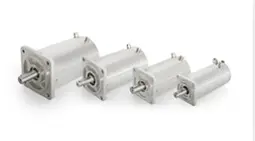
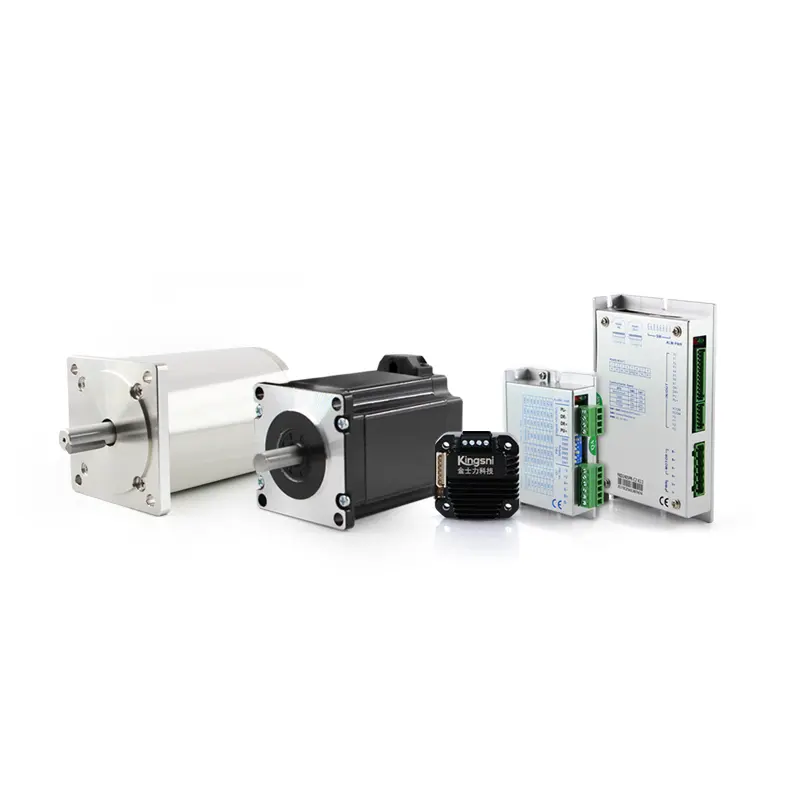
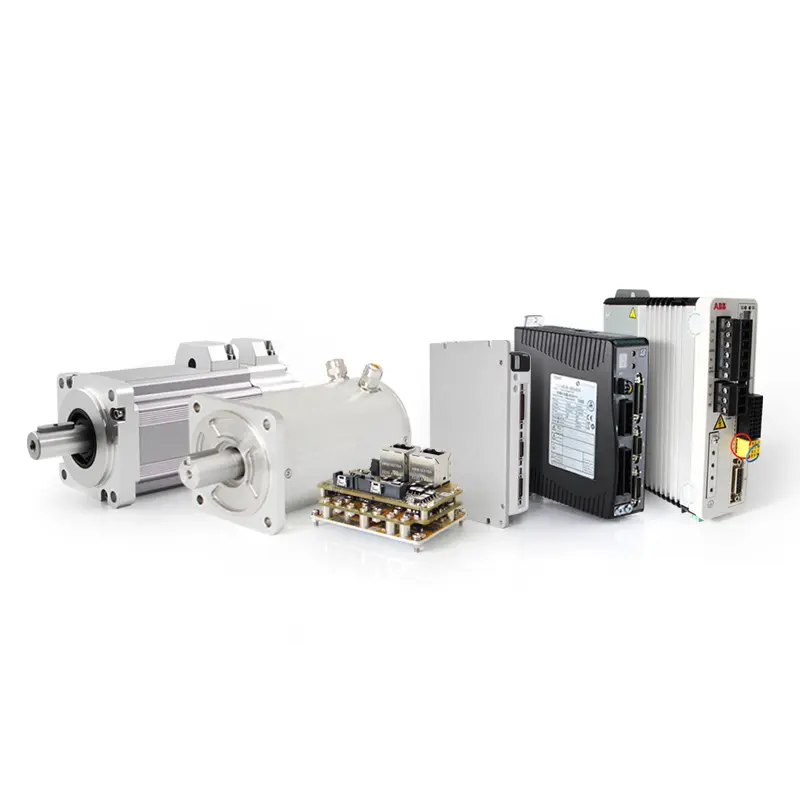
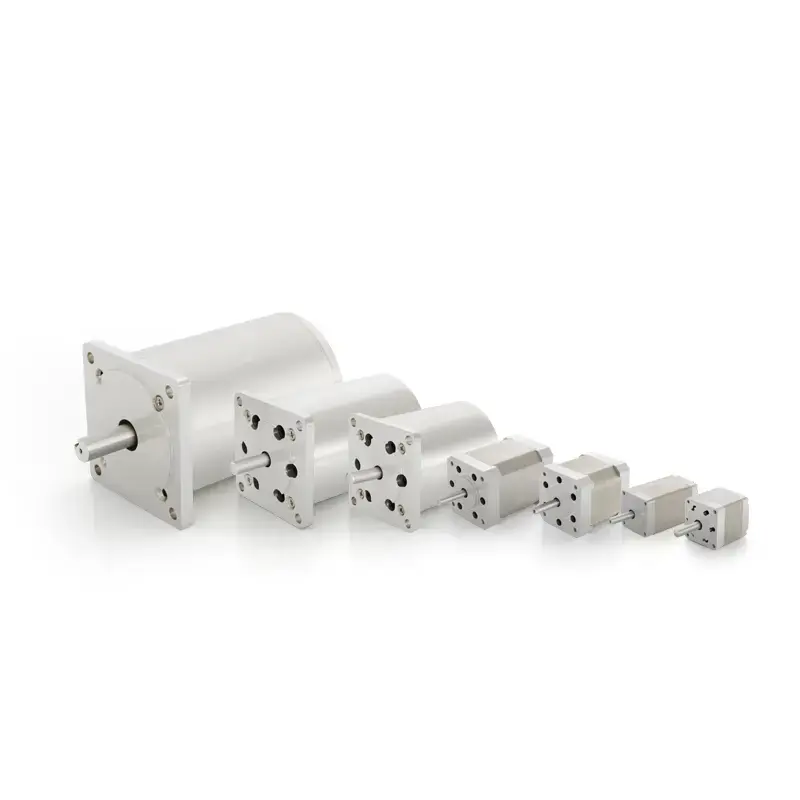
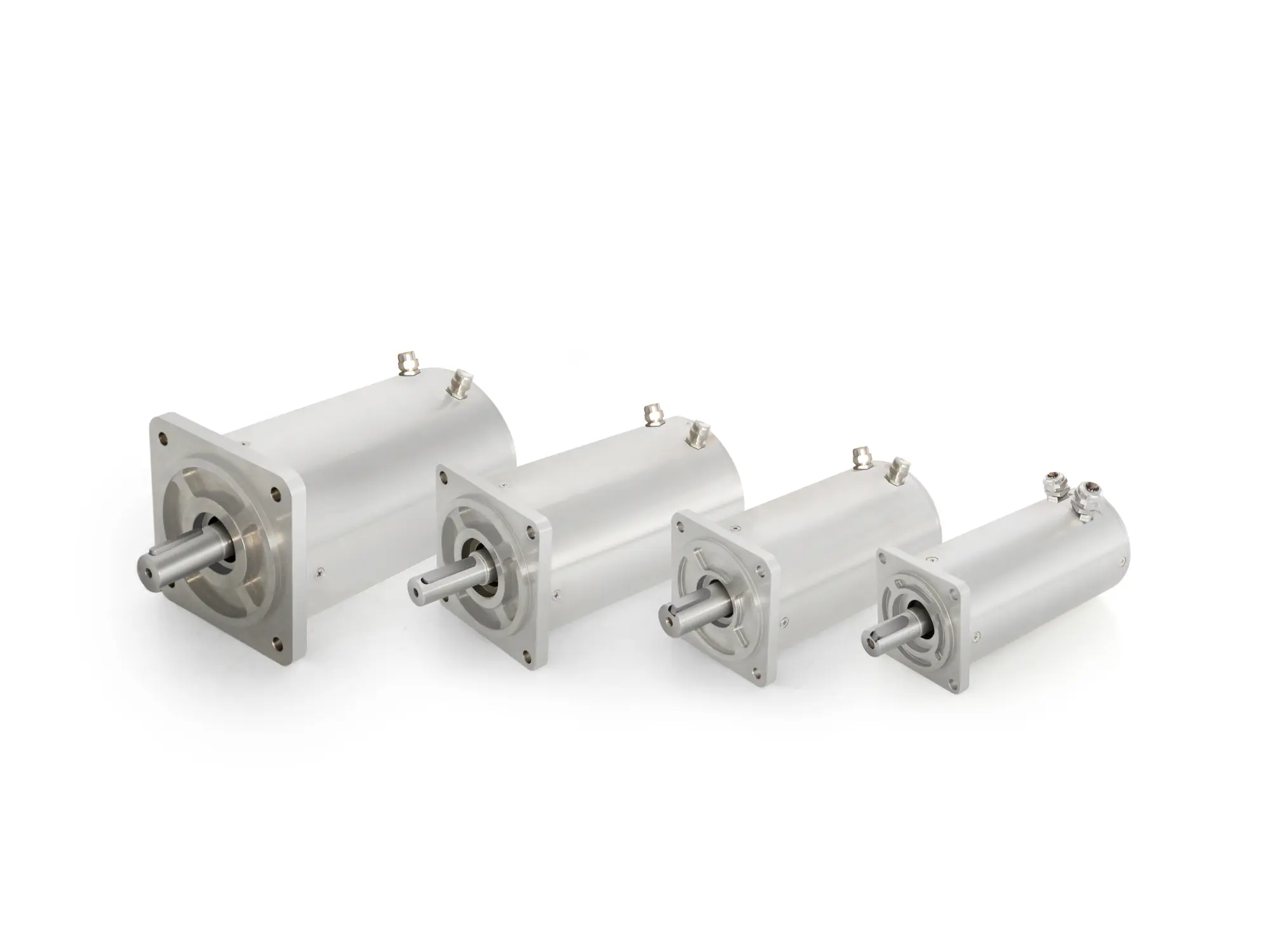
Due to the inherent low efficiency of electrical-to-mechanical energy conversion, heating is a characteristic feature of stepper motors. Our vacuum stepper motors have been specifically designed with high-temperature-resistant bearings, permanent magnets, enameled wire, and other core components. Through optimized electromagnetic design and manufacturing processes, we have achieved heating levels below those of comparable domestic and international products. Nevertheless, in practical applications, heating issues may still be amplified by the following factors:
- Improper Driver Current Parameter Settings
Current directly determines the motor's output torque and heating level. Stepper motor drivers typically define two types of current:
Running current: The winding current when the motor is rotating, set via DIP switches or parameters, affecting output torque.
Standby current: The current used to maintain holding torque when the motor is stationary.
The half-current function must be enabled. Its operating logic is as follows: when the motor is moving, the winding maintains the set current (e.g., 2A); after the motor stops, the current automatically reduces to 50% of the set value (e.g., 1A). **It is particularly important to note that under the same current conditions, heating is significantly higher when the motor is stationary than when it is moving.** This is because during motion, part of the electrical energy is converted into mechanical work, whereas at standstill, all electrical energy is converted into heat, dissipated through the windings and core. If the half-current function is not enabled, the motor will remain at full current during idle periods, leading to substantial temperature rise. For applications requiring stringent thermal management—such as those using clean vacuum stepper motors or semiconductor equipment vacuum motors—proper current configuration is especially critical.
- Vacuum Environment Exacerbates Heat Dissipation Challenges
Heat transfer relies on three mechanisms: convection, radiation, and conduction. In a vacuum environment, air convection is nearly absent, eliminating the motor's primary heat dissipation pathway. Heat generated by the motor can only be dissipated through radiation and conduction via the housing, resulting in significantly reduced heat dissipation efficiency. Heat tends to accumulate internally, causing rapid temperature increases. For high vacuum stepper motors and ultra-high vacuum stepper motors, this limitation is even more pronounced due to the stricter vacuum conditions.
To address this issue, users with appropriate conditions may implement enhanced cooling measures, such as:
- Utilizing water cooling systems;
- Wrapping the motor housing with copper braid and attaching the other end to a low-temperature area within the vacuum chamber to accelerate heat extraction through enhanced conduction.
- Stalling or Step Loss During High-Speed Operation
Stepper motors exhibit a characteristic where output torque decreases as speed increases. If the actual operating speed exceeds the motor's rated speed range, the motor torque may become insufficient to drive the load, resulting in stalling or step loss.
When stalling occurs, the windings continue to carry the rated current but are unable to deliver mechanical output. All electrical energy is instantly converted into heat, causing an abrupt temperature rise. In such cases, winding temperatures may exceed safe thresholds within minutes, potentially leading to burnout. For applications involving vacuum servo motors or high vacuum servo motors, ensuring proper torque-speed matching is essential to avoid such conditions.
Solution
Based on the rated parameters of our vacuum motors, the following measures are recommended:
1. Adjust Driver Current Settings: Set the current to not exceed the motor's rated value, and enable the half-current function. Some advanced drivers allow independent standby current settings, enabling users to adjust the standby current value according to actual needs. For applications requiring low outgassing, such as those using low outgassing stepper motors, precise current control also contributes to minimizing contamination risks.
2. Conduct Testing and Validation:
- No-load temperature rise test: Monitor motor temperature under vacuum conditions (recommended not to exceed 100°C);
- Load operation test: Observe for step loss or stalling;
Fine-tune current based on test results to balance heating and performance.
3. Custom Motor Selection Recommendations:
- High-current custom models: Suitable for high-speed applications but require enhanced heat dissipation (e.g., copper braid thermal conduction, water cooling);
- Low-current custom models: Offer lower heating but with reduced torque and maximum speed;
Users may select the appropriate custom solution based on specific application requirements. For specialized environments such as those requiring high-temperature vacuum motors, radiation-resistant vacuum motors, or cryogenic vacuum motors, customized current configurations can further optimize performance.
Through these measures, heating issues in vacuum stepper motors can be effectively controlled, ensuring stable and reliable equipment operation in vacuum environments.