



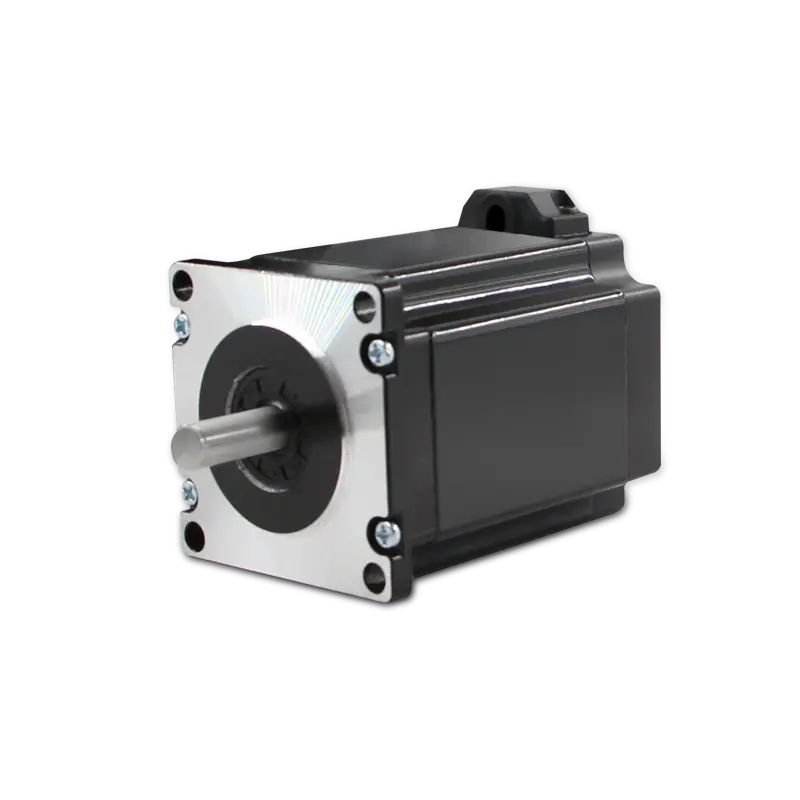
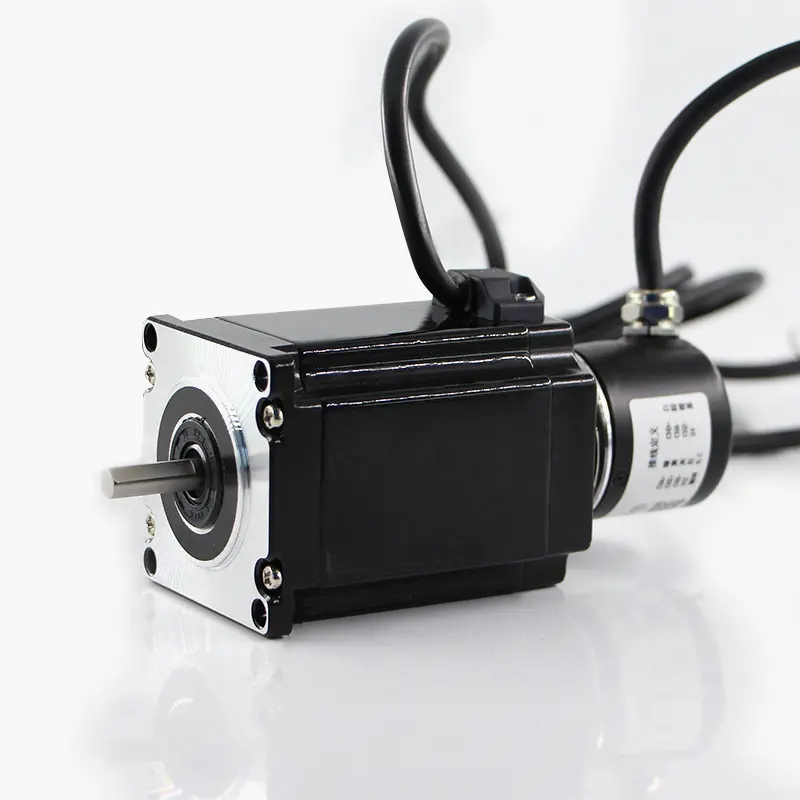
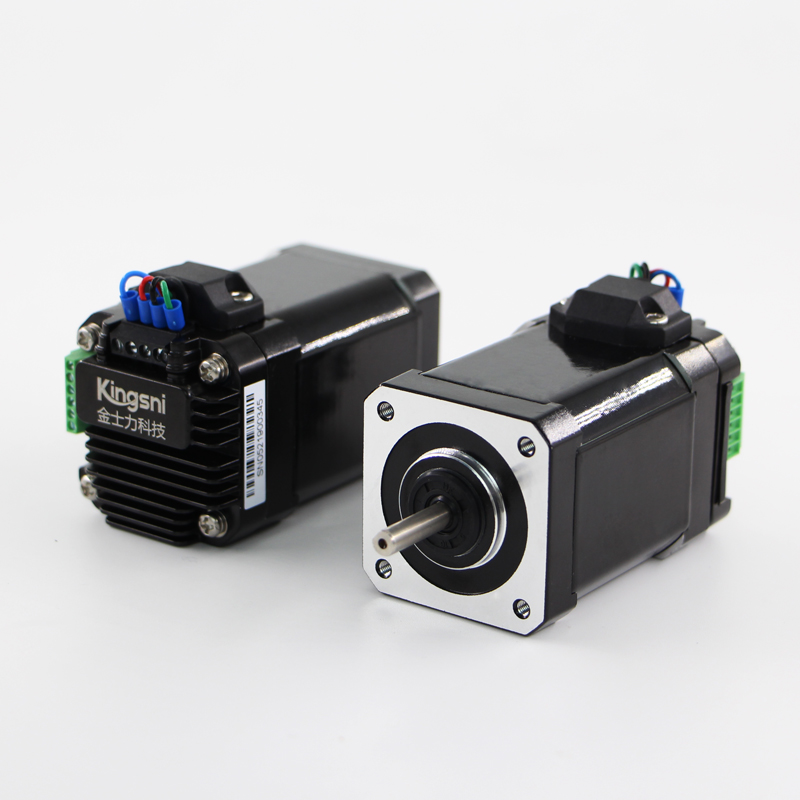
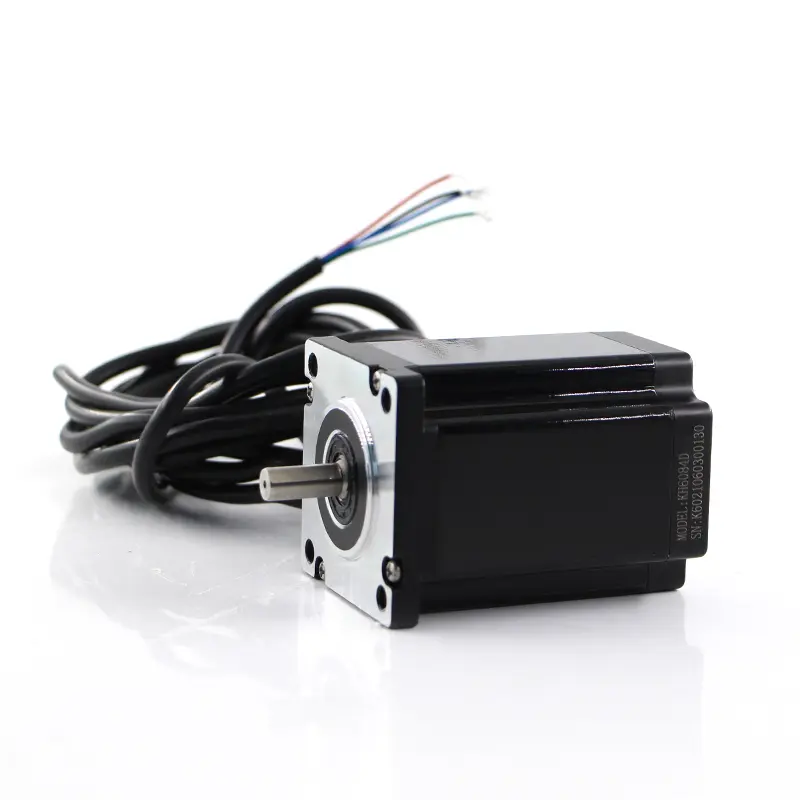
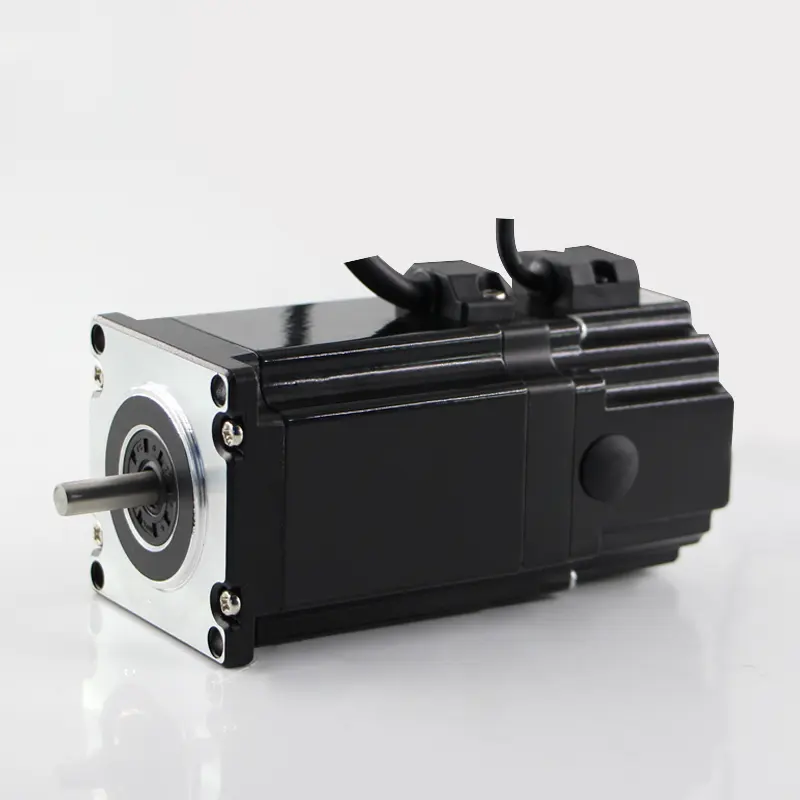
KH Series High-Low Temperature Stepper Motors from China Suppliers | Durable Automotive Wiring Harness Solutions
Options
Ordering Information

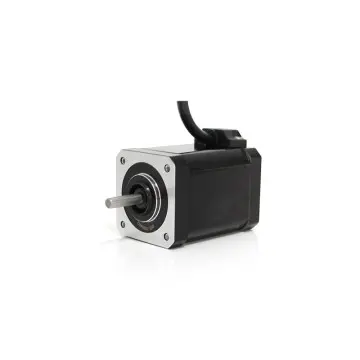
D = single shaft
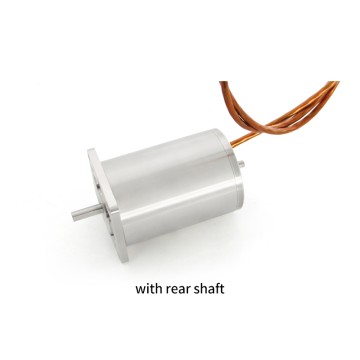
SZ = double shaft
Blank = without brake
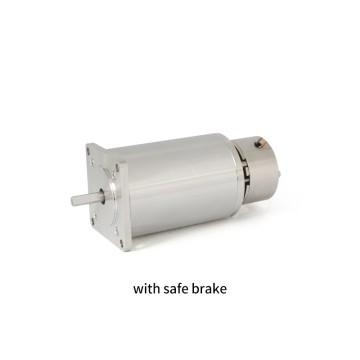
B = with brake
Blank = without feedback
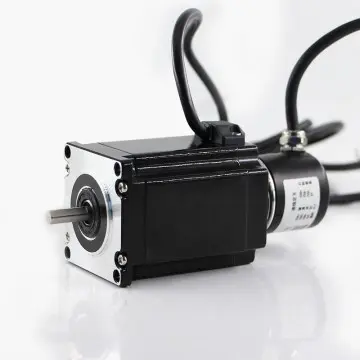
**IE = Incremental encoder
***AE = Absolute encoder (RS485, Modbus RTU)
Blank = Without integrated mounted stepper drive
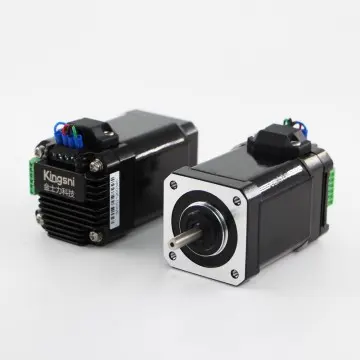
DRC = stepper driver mounted on the side of the motor
DRH = stepper driver mounted at the rear end of the motor
* It is not possible to install both brake and position feedback devices on one single motor.
** In order for the incremental encoder signal to be received and processed by the closed-loop stepper drive, the encoder output signals must be 5V differential signals with a maximum resolution of 2500PPR.
*** The absolute encoder feedback signals need to be received and processed by the user′s controller.
Description
Frequently Asked Questions
What is the operating temperature range for the KH Series stepper motors?
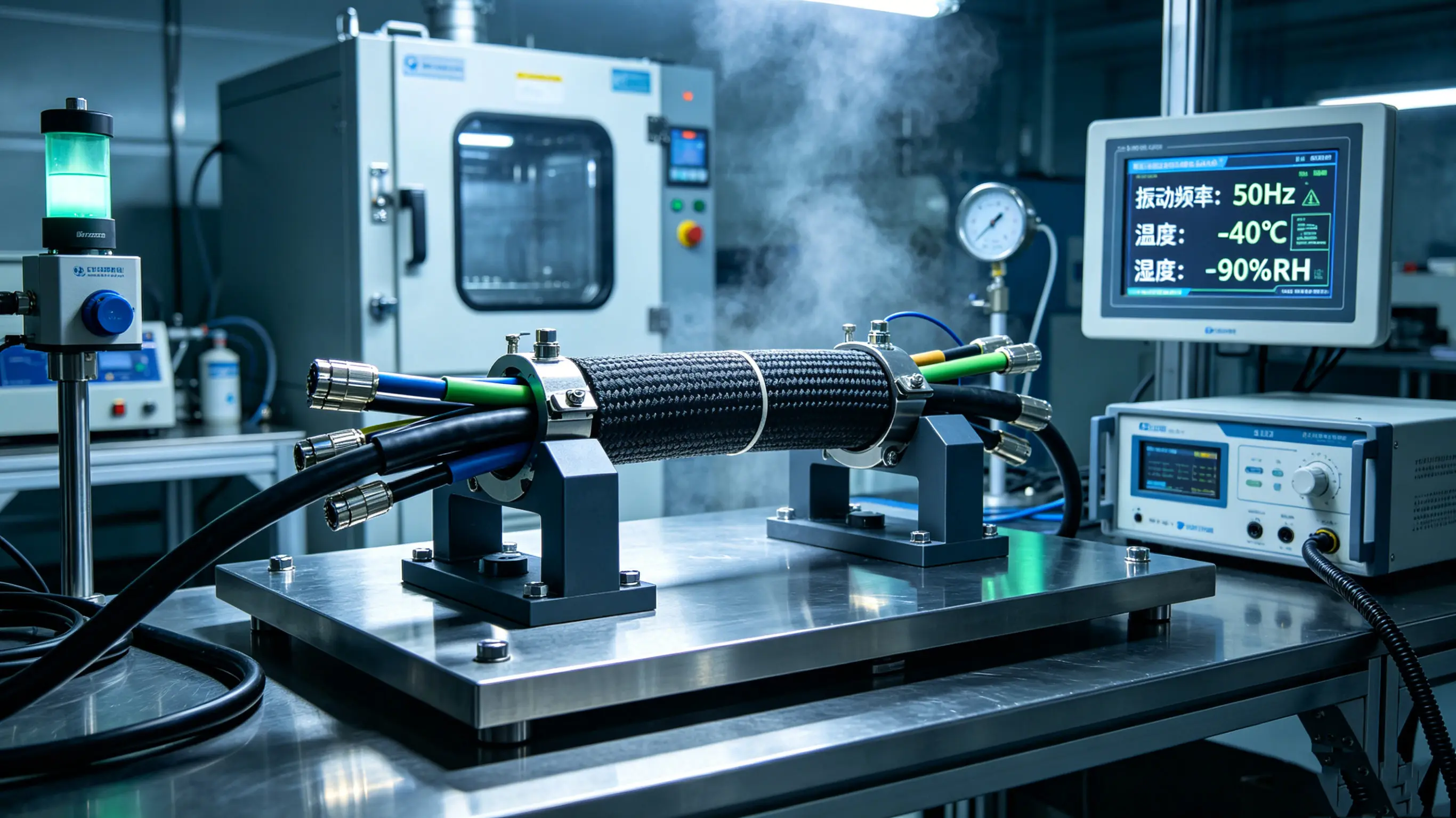
The KH Series stepper motors are specifically designed to operate reliably in extreme environments ranging from -45°C to +100°C, making them ideal for automotive wiring harness durability testing.
Can I install both a safety brake and a feedback device on the same motor?
No, it is not possible to install both a brake and position feedback devices (such as encoders) on a single KH series stepper motor simultaneously.
What are the requirements for using an incremental encoder with these motors?
For the closed-loop stepper drive to properly receive and process the feedback, the incremental encoder output signals must be 5V differential signals with a maximum resolution of 2500PPR.
How do the KH motors perform during cold starts at -45°C?
Due to special low-temperature grease and anti-cold-shrink rotor bearing treatments, the KH series motors can still deliver over 90% of their rated torque during cold starts at -45°C.
What integrated driver and communication options are available?
The motors offer optional integrated drivers mounted either on the side (DRC) or at the rear end (DRH) of the motor, supporting CANopen or Modbus communication to simplify wiring.
What insulation class is used to protect the motor at high temperatures?
During high-temperature wiring harness aging tests at 100°C, the motor windings utilize Class H insulation to ensure a safe thermal margin and prevent demagnetization.