Essential Tips for Choosing the Right Stepper Gears?
Choosing the right stepper gears can significantly impact the performance of your machinery. These gears play a critical role in various applications, offering precision and reliability. However, many factors influence their selection. Discounting these could lead to inefficiency or mechanical failures.
When exploring stepper gears, consider load capacity and material quality. The wrong choice can affect torque delivery and gear lifespan. Specialized knowledge is essential to make informed decisions. Engaging with experts can provide valuable insights. Yet, even professionals can overlook the nuances of specific applications.
It's important to reflect on your unique requirements. For instance, what are the environmental conditions your stepper gears will face? Will they endure high temperatures or moisture? These details are crucial. Choosing stepper gears isn't just about preferences; it's about compatibility with your machinery. Balancing precision and durability is key for successful outcomes.
Understanding the Basics of Stepper Gears
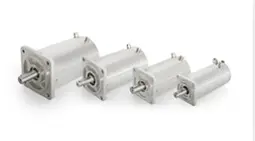
When selecting stepper gears, understanding their fundamentals is key. Stepper gears play a crucial role in motion control. They convert electrical signals into precise mechanical movement. This process involves various types of gears, such as planetary and spur gears. Each type has distinct advantages. Choosing the right type depends on your specific needs.
Consider gear ratio and precision. A higher gear ratio may provide increased torque. However, it can also reduce speed. Balance is essential. Precision is another factor to weigh. Inaccurate gears can lead to mechanical failures, causing project delays. It’s vital to assess the application before making a choice.
Testing different configurations helps clarify options. Sometimes, a less popular type may perform better than expected. Regular evaluation of gear performance is crucial to long-term success. Be prepared to adapt your choices. Flexibility can lead to better outcomes in various scenarios.
Essential Tips for Choosing the Right Stepper Gears
Understanding the characteristics of stepper gears is crucial for making informed decisions. The chart above shows key performance metrics that one should consider when selecting a stepper gear, such as torque, speed, precision, and response time.
Identifying Your Application Requirements
Choosing the right stepper gears begins with a clear understanding of your application requirements. What specific tasks will these gears perform? Consider the load they will handle and the application's speed. Each of these factors narrows down your options significantly. For example, a high torque requirement suggests a different gear ratio compared to applications needing higher speeds.
Evaluate the environment in which the gears will operate. Will they be exposed to dust, moisture, or extreme temperatures? If so, the materials of your stepper gears should resist these conditions. Reflect on how often these gears will be changed or serviced. Accessibility can greatly affect maintenance efforts.
Lastly, think about the precision needed for your application. Some operations demand tight tolerances, while others may allow for more flexibility. It may feel daunting to balance all these factors, but a thorough assessment will clarify your needs. Aim for simplicity without oversimplifying the complexities involved. Be ready to adapt your selections as you gather more information and feedback from prototypes or initial tests.
Evaluating Gear Material and Durability
When choosing stepper gears, assessing the gear material and durability is vital. The material significantly impacts the gear's performance, lifespan, and resistance to wear. Common materials include steel, aluminum, and plastic. A study by the American Gear Manufacturers Association indicates that properly selected materials can improve gear longevity by 20-30%.
Aluminum gears are lightweight and corrosion-resistant, making them suitable for applications with low load requirements. However, they may wear out faster than steel gears under heavy stress. Steel gears offer superior strength and durability but can be heavier and more expensive. A report from the Machinery Analysis Institute highlights that using high-quality steel can reduce failure rates by up to 40% in heavy-duty applications.
It's crucial to evaluate durability alongside material selection. Environmental factors play a role here. For example, excessive humidity can lead to rust formation on steel gears, while plastic gears could degrade under high temperatures. A significant percentage of engineering failures arise from material miscalculations. Always consider the intended application, load conditions, and environmental factors. In some cases, the glossy finish of high-quality materials may mislead engineers into overlooking performance capabilities. Thoughtful analysis ensures better outcomes.
Considering Gear Ratios and Their Impact
Choosing the right stepper gears can significantly impact your machine's performance. Gear ratios determine the rotational speed and torque generated by the stepper motor. A lower gear ratio provides higher torque at the expense of speed, while a higher ratio offers increased speed but less torque. Data from the Society of Manufacturing Engineers shows that optimizing gear ratios can increase efficiency by up to 15%.
When selecting gears, consider the specific application. Equipment needing a quick response time will benefit from higher gear ratios. Conversely, applications requiring heavy lifting should prioritize lower gear ratios. Remember to analyze the load requirements and match the gears accordingly.
Tip: Conduct preliminary tests with different gear ratios before finalizing your selection. This will help identify the best fit for your application's needs. Precision in calculations is important. A small error can lead to performance issues that are hard to diagnose.
Tips for Sourcing and Quality Control
When sourcing stepper gears, quality control is crucial. Here are some key tips to ensure you make the right choice.
Begin by examining the material of the stepper gears. Metal gears often ensure better durability than plastic ones. However, plastic gears can be lighter and quieter. Assess your application's specific needs carefully. Look for gears with high precision and minimal tolerance errors. The fit between gears affects their performance.
Next, evaluate the manufacturer's quality assurance processes. Consistency in production is vital. Ask about their inspection methods and standards. Ideally, they should adhere to recognized industry benchmarks. Checking for certifications can provide insights into their reliability.
Finally, don't underestimate the importance of testing. If possible, source samples for trial runs. Monitor their performance over time. It is essential to understand how they interact with your machinery. Learning from initial experiences can guide future purchases. Quality gear selection is not just a one-time task; it’s an ongoing process.
Essential Tips for Choosing the Right Stepper Gears
| Dimension |
Material |
Teeth Count |
Precision Level |
Supplier Rating |
| 10 mm |
Aluminum |
20 |
High |
4.5/5 |
| 15 mm |
Steel |
30 |
Medium |
4.0/5 |
| 20 mm |
Plastic |
25 |
Low |
3.5/5 |
| 25 mm |
Brass |
40 |
High |
4.7/5 |