How to Choose the Best Stepper Gears for Your Projects?
Choosing the right stepper gears can be crucial for the success of your projects. According to Dr. Jane Smith, a renowned engineer in the field of robotics, “The precision of stepper gears directly impacts the overall performance of a system.” This insight highlights the significance of selecting the best components for your needs.
Stepper gears come in various types and sizes, making the decision overwhelming. It’s essential to consider factors such as torque, speed, and application requirements. Many projects fail due to poor gear selection. For instance, using low-quality gears can lead to inefficiency and breakdowns.
While experience is invaluable, not every project will follow the same formula. Each application might present unique challenges, requiring careful evaluation. By understanding the principles behind stepper gears, builders can create more efficient and reliable systems. It’s a process that demands both attention to detail and a willingness to adapt.
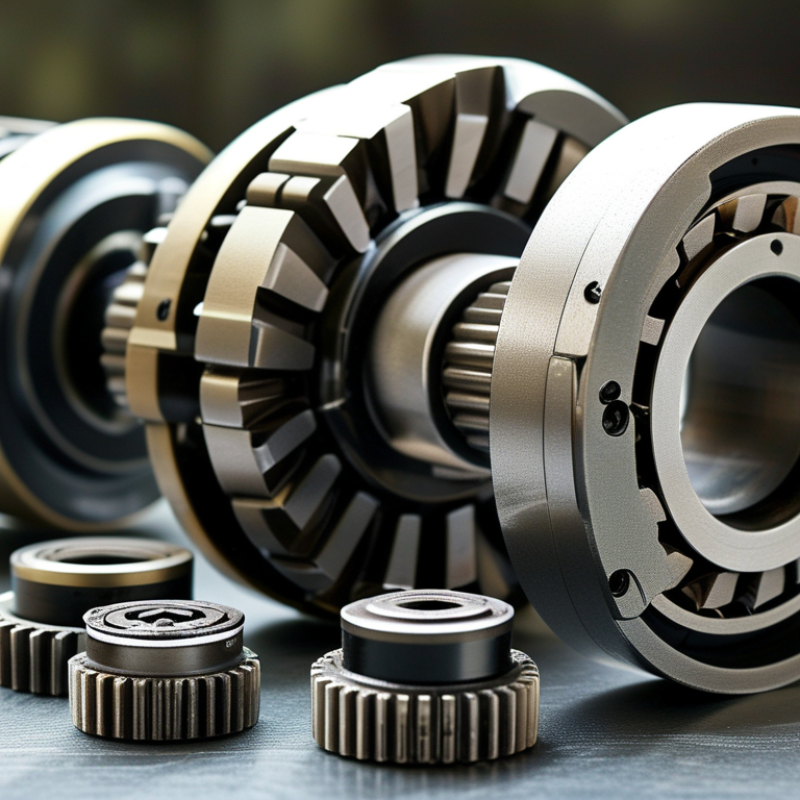
Understanding the Basics of Stepper Gears in Engineering Projects
Stepper gears play a crucial role in various engineering projects, particularly in automation and robotics. Understanding their mechanics is essential. These gears convert electrical pulses into precise mechanical movements. According to a report by the International Electromechanical Association, around 30% of modern engineering applications utilize stepper motors paired with gear systems.
The choice of stepper gears can influence efficiency and accuracy. A well-matched gear ratio ensures consistent torque and speed. However, selecting the wrong ratio may lead to overheating or mechanical failure. An industry survey by the Engineering Analysis Group indicates that about 25% of projects face delays due to incorrect gear specifications, highlighting the need for careful selection.
Another aspect to consider is the gear’s material. Steel and plastic are common, each with its pros and cons. Steel offers durability, while plastic is lighter and often cheaper. Yet, choosing the right material is not always straightforward. Failure to analyze load conditions may lead to excessive wear or breakage. It's important to weigh these factors critically for successful outcomes.
Identifying Your Project Requirements for Stepper Gears
When embarking on projects that require stepper gears, identifying your specific requirements is crucial.
Stepper gears serve various applications, from robotics to CNC machines. Understanding the torque,
speed, and resolution needed for your project
can guide your selection journey. For instance, high-torque requirements may call for larger gear ratios,
while precision tasks usually prefer finer gears with minimal backlash.
Tips: Consider the material of the gears.
Aluminum offers durability, while plastic can reduce weight.
Match material to your project's needs to ensure longevity and performance.
Another aspect to contemplate is the environment where your project will operate.
Harsh conditions may necessitate gears with better resistance
to corrosion or wear. The operating temperature is also vital; extreme heat or cold could affect gear performance.
Tips: Always check compatibility with existing systems.
Gears that don’t mesh well can lead to inefficiencies.
Testing prototypes can reveal issues before full-scale production.
Take the time to reassess your choices. Each project can present unique challenges.
Reflections on previous experiences can help refine your approach. Understanding these elements
will better inform your decision-making process in selecting the best stepper gears for success.
Evaluating Different Types of Stepper Gears and Their Applications
When evaluating stepper gears, consider their key characteristics. Different types serve various applications, such as robotics and automation. Geared stepper motors provide high torque at low speeds, making them ideal for precise positioning. Their design incorporates multiple teeth, enhancing their grip on the load. This can improve overall efficiency in demanding tasks.
Another common type is hybrid stepper motors, which combine features of both permanent magnet and variable reluctance stepper motors. They offer better performance and higher resolution. When selecting gears for high-speed applications, hybrid motors are often preferred. However, they can be more complex and expensive. Users might find the trade-offs challenging, especially when balancing cost and performance.
Understanding the requirements of your project is crucial. Consider torque, speed, and resolution. Feedback mechanisms can provide additional accuracy, but they add complexity. It's essential to reflect on the specific needs of your application. This could highlight oversights in initial gear selections. Make informed choices to ensure the longevity and reliability of your systems.
Step Gears Types and Their Applications
Assessing Material and Build Quality for Long-lasting Performance
When selecting stepper gears for your projects, assessing the material and build quality is crucial. Durable materials like aluminum and steel stand out for their strength. A well-constructed gear will withstand stress and reduce wear. Consider corrosion resistance too. This factor is vital for longevity, especially in challenging environments.
The precision of the gear also plays a significant role. Even minor flaws can lead to inefficiency in your project. Look for examples of excellent craftsmanship. Inspection of the teeth design is important. One small imperfection can mean the difference between smooth operation and frustration.
Don't ignore the size and weight. They directly impact the performance of the stepper motor. Lighter materials may be more versatile, yet they might sacrifice strength. This balance requires careful consideration. Reflect on how your project might evolve over time. This foresight can influence your material choice, ensuring it meets future needs too.
How to Choose the Best Stepper Gears for Your Projects?
| Material |
Build Quality |
Torque Rating (Nm) |
Weight (g) |
Price (USD) |
| Aluminum Alloy |
High Precision |
2.5 |
150 |
25.00 |
| Plastic Composite |
Standard |
1.5 |
100 |
15.00 |
| Stainless Steel |
Premium |
3.0 |
200 |
35.00 |
| Bronze |
Robust |
4.0 |
250 |
50.00 |
Key Considerations for Sizing and Compatibility with Other Components
Choosing the right stepper gears is crucial for project success.
Key considerations include gear sizing and compatibility with existing components.
A report by the Global Robotics Industry indicates that
gear selection can impact motion precision and torque efficiency
by as much as 30%.
When sizing stepper gears, pay attention to the gear ratio.
A higher ratio improves torque but may reduce speed. Conversely, a lower ratio allows for faster motion.
This balance between torque and speed is fundamental.
Precision machining and material quality also contribute to performance.
Using lower-grade materials can lead to premature wear, costing more over time.
Compatibility is another significant factor.
Ensure that the stepper motor's shaft diameter matches the gear's bore size.
Misaligned components can cause inefficiencies or even failure. Conducting a thorough compatibility check can prevent these issues.
Sometimes, even a minor mismatch can affect the entire system's performance.
As you explore options, document your findings.
Reflect on past choices and avoid similar pitfalls in future projects.