How to Effectively Repair Stepper Motors for Maximum Performance?
Stepper motors are essential components in various applications, from 3D printers to robotic arms. Proper maintenance is crucial for optimal performance. This introduction focuses on the importance of effective stepper motor repair.
Stepper motor repair is not just about replacing parts. It involves understanding the mechanical and electrical aspects of these motors. Many technicians rely on trial and error, often leading to subpar fixes. This approach can result in recurring issues and wasted resources.
Taking a methodical approach can enhance performance significantly. Identifying common failure modes is vital. Increased awareness of these can prevent future breakdowns. Proper tools and techniques can make the repair process more reliable. Nevertheless, not every repair will be perfect. Learning from mistakes is an essential part of the journey. Embracing a culture of continuous improvement will lead to better outcomes in stepper motor repair.
Understanding the Basics of Stepper Motors and Their Functionality
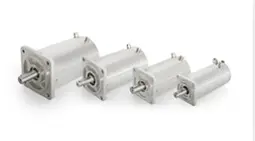
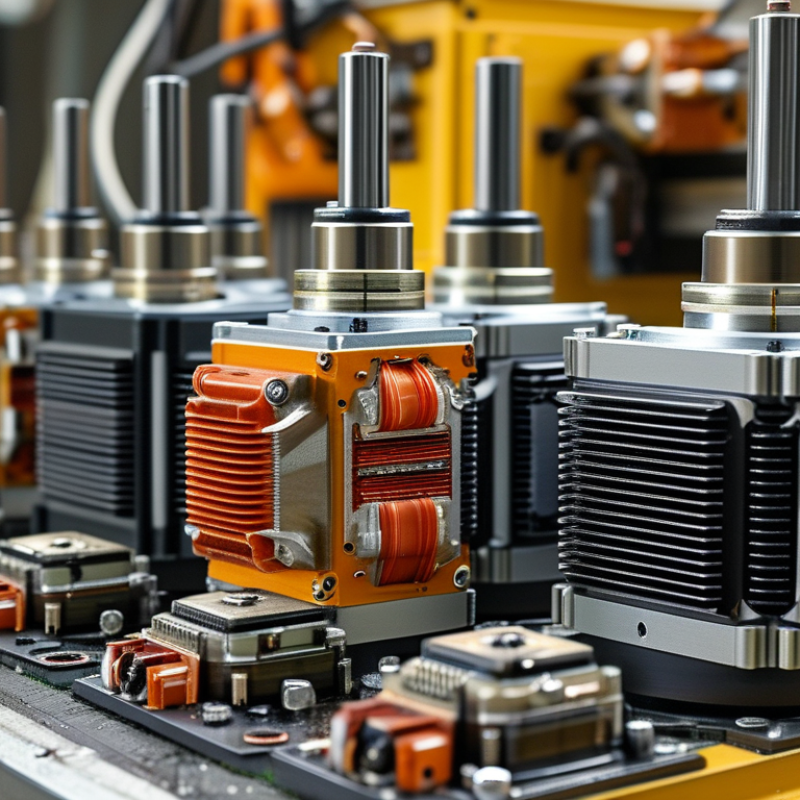
Stepper motors are essential in various applications, from 3D printers to robotics. Understanding their functionality is crucial for effective repair. These motors operate by dividing a full rotation into discrete steps, allowing precise control of movement. Each step corresponds to a specific angle, often 1.8 degrees. This precision makes stepper motors ideal for situations requiring exact positioning.
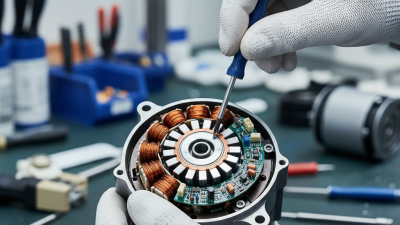
Common issues arise during their operation. Bearings may wear out from prolonged use, affecting performance. Additionally, the wiring can experience shorts or breaks. It's vital to inspect these components regularly. Conducting a thorough examination before repairs can save time and resources. Consider using a multimeter to check for continuity in the windings. Uneven resistance can indicate damage that needs attention.
Even with expertise, repairs can sometimes lead to further issues. Misalignment during reassembly can cause unusual noises or erratic movements. Documenting the disassembly process can help prevent mistakes. Learning from these experiences can enhance your understanding of motor mechanics. This approach fosters a mindset where continuous improvement becomes essential in achieving maximum performance.
Common Issues Affecting Stepper Motor Performance
Stepper motors are invaluable in various applications due to their precision and reliability. However, several common issues can hinder their performance. One frequent problem is misalignment. This occurs when the rotor and stator do not align correctly. It often leads to excessive vibrations and noise during operation. Ensuring proper alignment involves careful installation and regular checks.
Another significant issue is overheating. Stepper motors can generate excessive heat under prolonged use or inadequate cooling. This can lead to reduced efficiency and even damage. Using adequate cooling methods, such as fans or heatsinks, is crucial. Additionally, one should monitor the load applied to the motor. An overloaded motor can overheat quickly and diminish its lifespan.
Damaged wiring is also a common concern. Frayed wires can cause interruptions in power supply. Checking the wiring periodically ensures that connections remain intact. Users should be aware of the physical condition of the wires and replace any that show signs of wear. Addressing these common issues can greatly enhance the performance of stepper motors and extend their operational life.
How to Effectively Repair Stepper Motors for Maximum Performance? - Common Issues Affecting Stepper Motor Performance
| Issue |
Description |
Impact on Performance |
Repair Suggestions |
| Overheating |
Stepper motor generates excessive heat during operation. |
Reduced efficiency and potential thermal damage. |
Ensure proper ventilation and consider using heat sinks. |
| Loss of Steps |
Motor fails to complete the expected number of steps. |
Loss of positioning accuracy in applications. |
Check power supply and adjust current settings. |
| Mechanical Binding |
Friction or obstruction in the mechanical system. |
Can lead to stalling or erratic movement. |
Inspect and lubricate moving parts as needed. |
| Electrical Noise |
Interference affecting the motor's performance. |
May cause erratic behavior or missed steps. |
Use shielded cables and connect grounds properly. |
| Incorrect Wiring |
Wiring connections not according to specifications. |
Can lead to malfunctioning or non-operation. |
Double-check wiring configuration and connections. |
Step-by-Step Guide to Diagnosing Stepper Motor Problems
Diagnosing stepper motor problems requires a systematic approach. Begin by examining the motor’s connections. Loose or corroded connections can lead to performance issues. Check lead wires for damage. A multimeter can help in detecting electrical continuity. Inspecting the power supply is vital, too. Ensure it delivers stable voltage and current. Inconsistent power can cause erratic movements.
Next, evaluate the mechanical parts. Look for any obstructions or misalignments in the motor's shaft or mounting. Sometimes, a misaligned motor can cause skipped steps. Listen for unusual noises while the motor operates. These sounds can indicate mechanical faults. Additionally, assess the driver circuitry. Faulty drivers can drastically affect performance. Pay attention to overheating, which could signal deeper issues.
Always keep a log of the symptoms observed. Patterns can reveal underlying problems. After repairs, test the motor under various loads. This helps assess whether the issue was resolved. Remember to reflect on previous experiences. Not every problem will have a clear solution. Sometimes, multiple factors contribute. Being patient during diagnostics is essential for effective repair.
Stepper Motor Performance Diagnostics
Effective Repair Techniques for Stepper Motors
Stepper motors are crucial in precision applications, from 3D printers to CNC machines. Proper repair techniques can enhance their performance significantly. Common issues include loss of torque and overheating. Identifying these problems early can extend motor life.
One effective method is inspection and cleaning. Dust and debris can cause overheating. Regular cleaning can reduce friction, which directly influences efficiency. According to a study by the International Journal of Electrical Engineering, routine maintenance can increase motor life by up to 30%. This emphasizes the importance of proactive care.
Additionally, winding repairs may be necessary for optimal performance. Damaged coils can reduce current flow. Rewinding a stepper motor is a delicate process, requiring precision. It's a skill that can be developed with practice. Yet, improper rewinding can lead to further issues. Understanding when to replace versus repair is critical. Having this knowledge brings significant value in maintaining motor functionality and efficiency.
Best Practices for Maintaining Stepper Motors Post-Repair
Maintaining stepper motors post-repair is crucial for ensuring their optimal functionality and longevity. A report from the International Society of Automation highlights that properly maintained stepper motors can sustain up to 30% longer operational life compared to poorly maintained ones. Regular inspections can prevent unexpected failures and enhance efficiency.
One effective practice is to frequently clean the motor's exterior. Dust accumulation can lead to overheating, which impacts performance. In addition, lubrication should be checked every six months. Proper lubrication can reduce friction, improving both speed and torque. A study from the Electrical Engineering Journal indicates that motors with well-maintained lubrication show a reduction in energy consumption by 20%.
Wiring integrity is another key aspect. Over time, wires can become frayed or disconnected, leading to erratic behavior. Regularly inspecting and replacing damaged wires can prevent these issues. Many technicians overlook this step, resulting in avoidable downtime. Lastly, keeping a detailed maintenance log provides insights into the motor's performance. Patterns may surface that indicate deeper issues requiring attention.