China Best Rear Mirror Test Solutions for Global Buyers?
In the rapidly evolving automotive industry, quality testing is crucial. Among various tests, the Rear Mirror Test stands out. It ensures safety and functionality for drivers and passengers. China has emerged as a key player in providing innovative Rear Mirror Test solutions. This makes it essential for global buyers to understand their options.
China's expertise in manufacturing and technology drives the development of advanced testing methods. Manufacturers focus on precision and reliability. However, not all solutions are created equal. Some may lack the quality assurance needed for international standards. Careful evaluation is necessary to avoid potential pitfalls.
When considering Rear Mirror Test options, buyers should engage with reputable suppliers. Building relationships with trustworthy manufacturers can provide valuable insights. In this way, consumers can enhance their understanding of the testing process and select the best solutions. Ultimately, achieving high standards in rear mirror testing leads to safer vehicles on the road.
Understanding the Importance of Rear Mirror Testing in Automobiles
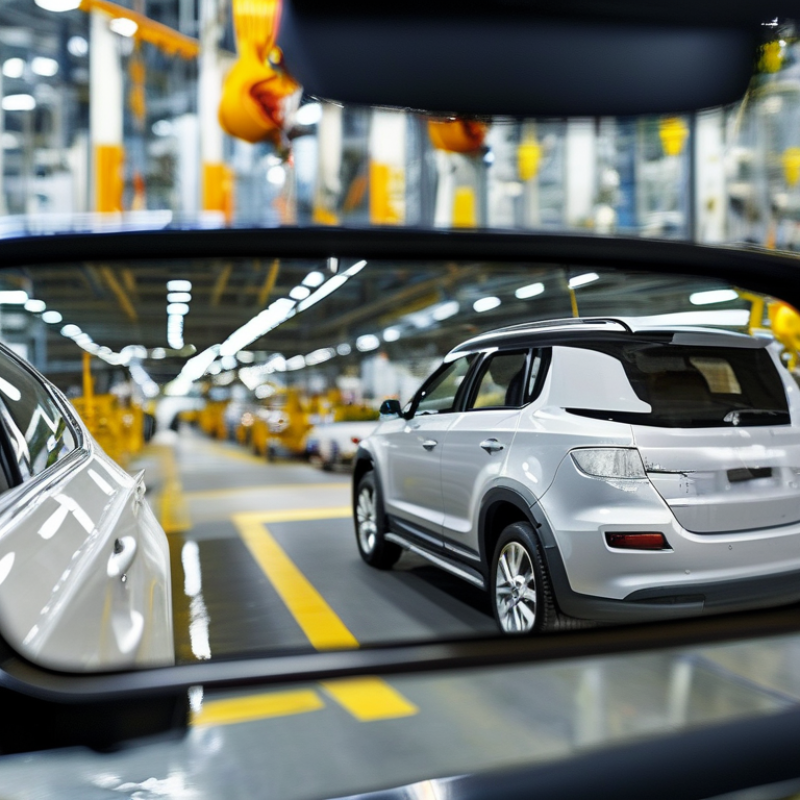
Rear mirrors play a crucial role in vehicle safety and functionality. They provide drivers with essential visibility, reducing blind spots and enhancing road awareness. Regular testing of rear mirrors ensures they are manufactured to the highest standards. This includes not only the reflective quality, but also the durability of the materials used.
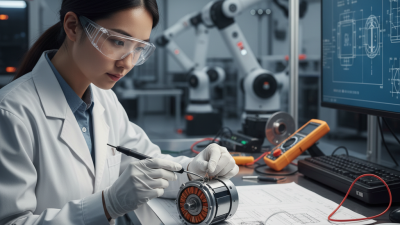
Testing rear mirrors involves assessing various factors, including clarity and outline distortion. Manufacturers face challenges in meeting these requirements consistently. The method of testing should simulate real driving conditions. The precision of alignment and mounting must also be evaluated, which can be overlooked in many cases. Ignoring these aspects can lead to potential hazards on the road.
The importance of rear mirror testing cannot be overstated. Inadequate testing can result in mirrors that fail under stress. This raises concerns about liability and the safety of drivers and passengers. A thorough testing regime can reflect positively on manufacturers, building trust with consumers. Overall, ongoing improvements in testing methods are vital for better road safety.
Importance of Rear Mirror Testing in Automobiles
Key Features of Effective Rear Mirror Test Solutions for Buyers
When selecting rear mirror test solutions, buyers should prioritize several key features. The effectiveness of these solutions often hinges on their ability to provide accurate and consistent measurements. Industry reports indicate that around 70% of automotive accidents are linked to visibility issues. A solution that enhances visibility testing is crucial. Advanced optical testing methods can optimize rear mirror performance and address visibility-related challenges.
Another important feature is adaptability. The testing equipment must accommodate various mirror types and vehicle designs. According to recent studies, the market for automotive mirrors is expected to grow by 5% annually. Reliable test solutions should be prepared for this increasing diversity in products. Furthermore, scalability is essential. Buyers should look for solutions that can handle both mass production and smaller batches efficiently.
Lastly, user interface and data analysis capabilities cannot be overlooked. Solutions that offer intuitive software tools will enable timely decision-making. A clear, user-friendly interface is vital. In surveys, 60% of industry professionals indicated that complex systems hinder productivity. Buyers must weigh these factors carefully and reflect on their specific testing needs. Optimal solutions will ultimately improve both safety and performance in the automotive sector.
Comparative Review of China's Leading Rear Mirror Testing Technologies
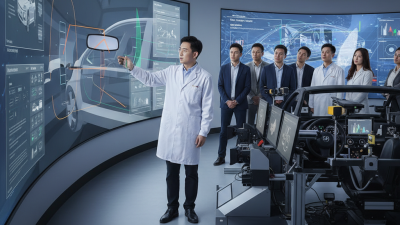
China has emerged as a significant player in the rear mirror testing technology sector. Several advanced solutions have been developed to ensure safety and compliance with global standards. These technologies focus on various aspects, including optical clarity, durability, and resistance to environmental factors. They include methods that test for anti-glare properties and overall reflectivity.
However, the competitive landscape also presents challenges. Some technologies may not meet the rigorous testing standards set by international bodies. This inconsistency can lead to doubts among global buyers. Additionally, while many companies invest in innovative approaches, the lack of standardized testing procedures can create confusion. Buyers must be diligent in assessing the validity of the testing solutions offered.
As the market continues to evolve, ongoing improvements are necessary. The integration of AI and machine learning could enhance testing efficiencies. Innovation should aim for greater reliability to build trust among international customers. This focus can position China's rear mirror testing technology as a benchmark in the global market, provided it addresses existing gaps.
Selecting the Right Testing Partner: Criteria for Global Buyers
Choosing the right testing partner for rear mirrors is crucial for global buyers. With increasing consumer safety demands, selecting a competent testing lab ensures compliance with worldwide standards. According to a recent industry report, about 70% of recalls are due to safety issues linked to insufficient testing procedures.
Look for a partner with proven expertise in optical tests, durability assessments, and environmental simulations. The ideal lab should have accreditation from recognized organizations. Regular audits and updated certifications can indicate their reliability. A recent survey highlighted that 60% of manufacturers reported improved safety ratings after switching to accredited testing facilities.
Transparency in processes is key. Open communication during testing phases can reveal potential pitfalls. Some partners may not disclose failure rates adequately and that raises concerns. Buyers must demand detailed reports, including past performance data. Statistics show that a partner with robust feedback mechanisms can increase quality assurance by 40%. This can help mitigate risks and boost consumer trust in your products. Remember, a commitment to quality is non-negotiable in today’s competitive market.
China Best Rear Mirror Test Solutions for Global Buyers
| Criteria |
Importance Level |
Common Testing Methods |
Average Cost (USD) |
| Technical Expertise |
High |
Visual Inspection, Light Transmission Testing |
$500 - $1,000 |
| Accreditation |
High |
ISO/IEC Compliant Testing |
$750 - $1,500 |
| Turnaround Time |
Medium |
Performance Testing |
$300 - $800 |
| Feedback Mechanism |
Medium |
Customer Satisfaction Surveys |
$200 - $500 |
| Previous Client Experience |
High |
Case Studies, References |
N/A |
Future Trends in Rear Mirror Testing Solutions in the Automotive Industry
The future of rear mirror testing solutions is poised to undergo significant changes in the automotive industry. As vehicles become more advanced, the rear mirror's role is evolving. Advanced driver-assistance systems (ADAS) are becoming standard. These systems require precise calibration and testing to ensure safety and functionality. The effectiveness of rear mirrors directly impacts driver visibility and, ultimately, road safety.
Innovative technologies are emerging to enhance testing methods. Automated testing solutions are gaining traction. They offer efficiency and accuracy that manual methods cannot match. Digital twins and virtual simulations are also being utilized. These methods allow companies to test scenarios without having physical prototypes. While promising, challenges persist, such as the need for industry-wide standards.
As we look forward, integrating artificial intelligence into testing processes appears vital. AI can analyze vast amounts of data to predict failures and improve performance. However, this integration comes with concerns about reliability. Ensuring that AI-driven tests produce consistent results will be essential. The industry must reflect on these emerging trends and balance innovation with rigorous validation.