Top 10 Tips for Choosing the Best Stepper Electric Motor?
Choosing the right stepper electric motor can be a daunting task. With countless options available, understanding what sets one apart is crucial. Renowned expert Dr. Emily Tran, a leading figure in motion control systems, emphasizes, "Selecting the best stepper electric motor is key to achieving optimal performance in applications." Her insight underscores the importance of informed choices in this field.
Stepper electric motors are integral in various industries, from robotics to CNC machinery. These motors offer precise control, making them popular. However, not every motor is suitable for every application. The decision-making process can involve complexities. Evaluating torque, speed, and driver compatibility is essential.
Factors like thermal performance and cost also play significant roles. Many overlook these details, leading to unsatisfactory outcomes. As you navigate through your selection, keep in mind that the right choice can significantly enhance your project's success. Reflecting on your needs and the specific features of motors is crucial for a wise decision.
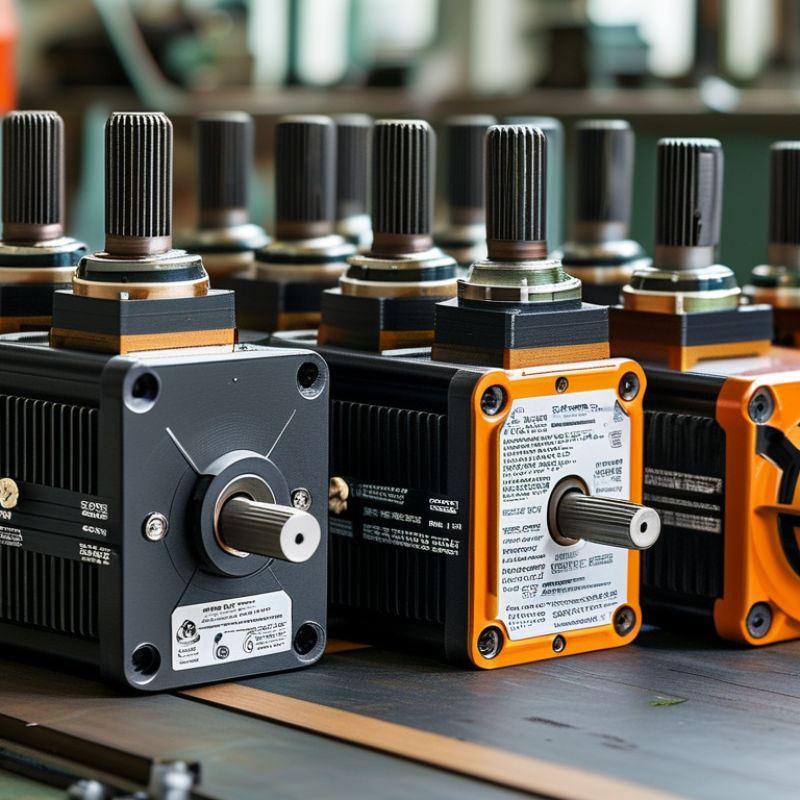
Understanding Stepper Electric Motors and Their Applications
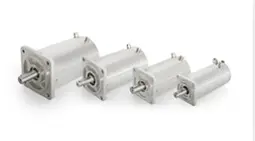
Stepper electric motors are widely used in various industries. They provide precise control over movement, making them ideal for applications that require accuracy. From 3D printers to CNC machines, their role cannot be overstated. Understanding their basic functions can guide you in selecting the right type.
When choosing a stepper motor, consider the torque requirements. Analyze the load you intend to move. Different applications can strain motors differently. It's also crucial to evaluate the step angle. A smaller step angle results in finer control but can complicate the design. Know your application well to avoid mismatches.
Pay attention to driver compatibility. The motor and driver must work seamlessly. A mismatch can lead to suboptimal performance. Also, think about heat dissipation. Some motors generate significant heat, which can affect reliability. Assess the environment where the motor will operate. Compromises made here can lead to failures down the road. Making informed decisions is vital for long-term success.
Key Factors to Consider When Selecting a Stepper Motor
When selecting a stepper motor, several key factors come into play. Understanding your application is crucial. For example, motor torque, speed, and holding capability significantly affect performance. Industry data suggests that the right torque is essential for maintaining precision. A motor with inadequate torque can lead to skipped steps, causing issues in accuracy.
Size and form factor are equally important. Ensure that the stepper motor fits your design specifications. Typically, NEMA standards provide a range of sizes. Choosing an oversized motor may cause unnecessary weight. Conversely, a smaller motor might not deliver required performance. Balance is essential.
Power requirements must also be assessed. Power ratings vary among motors. According to recent studies, up to 60% of selection errors stem from miscalculating power needs. Additionally, consider thermal management. Overheating can reduce lifespan, leading to failures. These considerations highlight the complexity of stepper motor selection.
Different Types of Stepper Motors and Their Characteristics
Stepper motors are commonly used in various applications, and understanding their types is essential for making an informed choice. There are several types of stepper motors, each with distinct characteristics.
Permanent Magnet stepper motors are widely used for their simplicity. They have good torque and are suitable for lower speeds. However, they can lose steps under heavy loads.
Another type is the Variable Reluctance stepper motor. This motor design provides higher resolution and better speed performance. It operates by varying the magnetic reluctance. This can improve efficiency, but these motors are more sensitive to misalignment.
Hybrid stepper motors combine the best of both worlds, offering superior torque and accuracy. They excel in applications like CNC machines and 3D printers.
When choosing a stepper motor, consider application requirements carefully. Think about factors like torque, speed, and environmental impacts. Not every motor type fits all needs. There might be trade-offs, like cost versus performance. It’s essential to evaluate your specific situation.
Careful assessment will lead to better outcomes.
Evaluating Torque and Speed Requirements for Your Project
When selecting a stepper electric motor, evaluating
torque and
speed is crucial. You need to assess your
project's specific demands. Torque indicates how much force the motor can exert, while speed refers to how
quickly it can rotate. According to industry reports, a stepper motor's performance often hinges on these
two factors. Higher torque ratings suit applications like CNC machines,
where precision is vital.
For example, a motor with 1 Nm of torque can handle heavier loads
at lower speeds. However, if you need rapid movement, a motor with lower torque but higher RPM may be more
suitable. The typical speed range for stepper motors is between
200 to 1200 RPM. This variability can significantly
influence project outcomes.
Furthermore, it's essential to consider potential limitations. A motor that excels in speed might not deliver
sufficient torque for all tasks. Balancing these elements can sometimes lead to inefficiencies. Keeping weight
and load conditions in mind is vital for making informed choices. Explore these aspects closely to ensure
optimal performance for your applications.
Assessing Compatibility with Drivers and Controllers
When selecting a stepper electric motor, compatibility with drivers and controllers plays a crucial role. Not all motors are created equal. It's vital to ensure that your chosen motor works seamlessly with the driver. Consider the motor's voltage and current ratings.
These specifications must match the driver’s capabilities to avoid overheating or damaging components.
Another critical factor is the motor's step angle. This parameter can affect precision. If your application demands high accuracy, pick a motor with finer step angles. Review the specifications of your controller too. It should support microstepping if you need smoother operation. Often, users overlook this detail.
Additionally, consider the communication protocols used by the driver and controller. Protocol mismatches can complicate integration. It's essential to be detailed when checking connectivity options. Precise alignment between the motor's requirements and the controller's features ensures reliability. Remember, making the right choice now can save significant time and cost down the line.