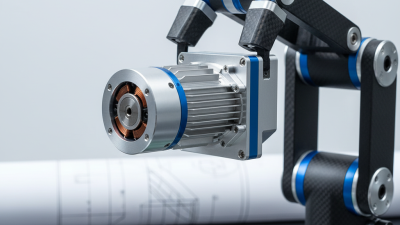
Why You Should Consider Stepper Motor Repair for Your Machinery
In the intricate world of machinery, stepper motors play a crucial role in precision and functionality. According to industry expert Dr. Michael Stevens, "Often, overlooked repairs can drastically extend the life of your stepper motor." This highlights the significance of "Stepper Motor Repair" in maintaining operational efficiency.
Many businesses face challenges when their machinery begins to malfunction. Ignoring these issues can result in costly downtime and diminished production quality. Repairing stepper motors, instead of replacing them, can save resources. This approach requires understanding the specifics of the equipment and the repair process.
Nevertheless, not all repair services provide equal value. Some may promise quick fixes but lack the expertise to deliver lasting solutions. Engaging with specialists who possess the necessary technical knowledge ensures reliability. Ultimately, “Stepper Motor Repair” is not just an option; it's an essential practice for robust machinery maintenance.
The Importance of Stepper Motors in Industrial Machinery Performance
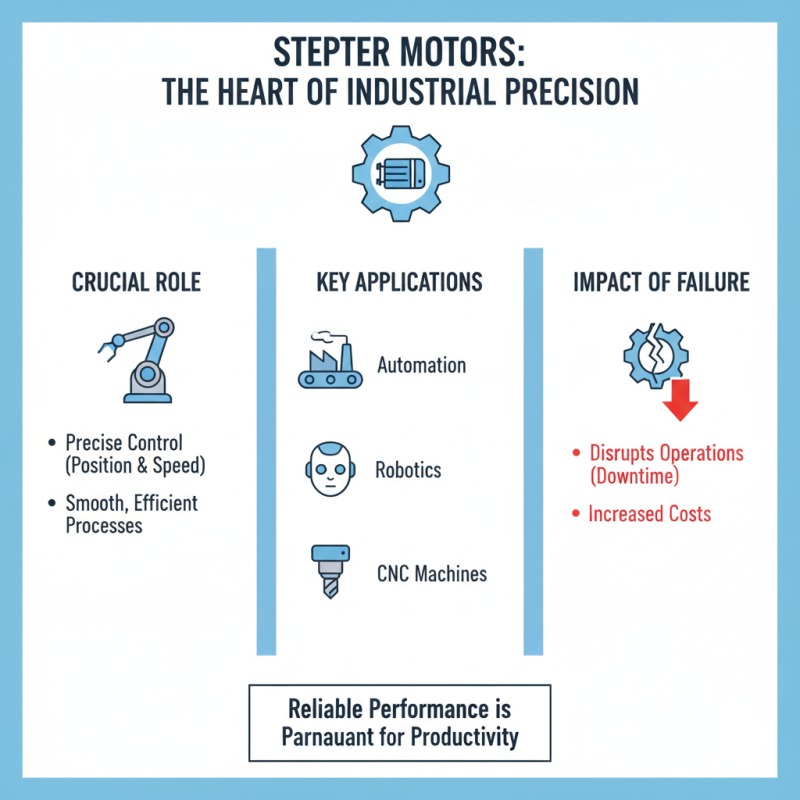
Stepper motors play a crucial role in the functionality of industrial machinery. These motors provide precise control over position and speed, ensuring that processes run smoothly and efficiently. They are often utilized in automation, robotics, and CNC machines. When these motors fail or degrade, the entire operation can be affected. This can lead to downtime and increased costs.
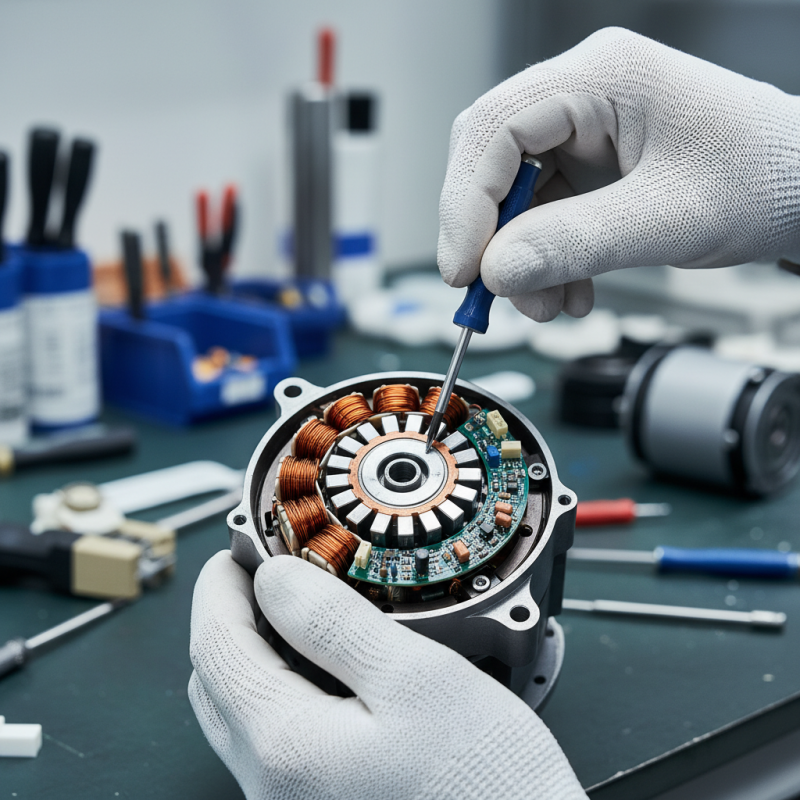
Repairing stepper motors should be a consideration for manufacturers. Regular maintenance can prevent unexpected failures and improve overall equipment efficiency. A knowledgeable technician can identify issues early, saving both time and expense. However, not all repairs are straightforward. Poor diagnosis can result in repeated failures or worsened performance. Therefore, it's important to invest in skilled professionals who understand the intricacies of stepper motor mechanics.
Complex machinery often relies on a network of components. When one part falters, it can disrupt the entire system. Awareness of this interconnectedness is essential. Often, a simple fault can cause extensive delays. Seeking expert repair services helps ensure that these motors function optimally. This proactive approach is critical for maintaining industrial success and avoiding significant setbacks.
Common Issues Affecting Stepper Motors and Their Impact on Production
Stepper motors are crucial for precision in machinery. However, they can face various issues that may disrupt production. Common problems include overheating, loss of steps, and erratic movement. Each of these can lead to decreased efficiency and increased downtime. Overheating can occur due to excessive load or insufficient cooling, which may damage the motor winding.
Loss of steps is another significant issue. When a stepper motor loses steps, it can result in positioning errors. This can lead to faulty products or misaligned machinery. Such errors not only waste materials but also cause delays in the production line. Erratic movement may stem from inadequate power supply or poor wiring connections. This inconsistency can cause machines to malfunction intermittently, creating additional challenges.
Repairing stepper motors promptly is essential to avoid extended downtime. Addressing these issues not only enhances productivity but also prolongs the motor's lifespan. Skilled technicians can diagnose problems quickly, offering solutions that improve performance. Investing in repair services can yield significant returns and reduce operational headaches in the long run.
Cost-Benefit Analysis of Stepper Motor Repair vs. Replacement
Stepper motors are vital in various machinery, providing precise movement and control. When they fail, companies often face a dilemma: should they repair or replace? A cost-benefit analysis reveals that repair can offer significant savings. According to industry reports, repairing a stepper motor typically costs 30% to 50% less than purchasing a new unit.
The longevity of repaired stepper motors is worth considering. Many repairs restore motors to nearly original specifications. Some reports suggest that properly repaired motors can last 50% longer than expected. Companies may overlook the hidden costs of replacement, such as installation and downtime, which can add up quickly.
Yet, not all repairs are equal. Some repairs may require iterative adjustments, learning from past mistakes. This can lead to operational delays or increased maintenance. Companies should evaluate the skill level of their repair technicians. Investing in training and quality control processes is crucial for reliable repairs. Balancing cost and quality can provide a competitive edge while ensuring machinery efficiency.
Key Metrics for Assessing the Effectiveness of Stepper Motor Repairs
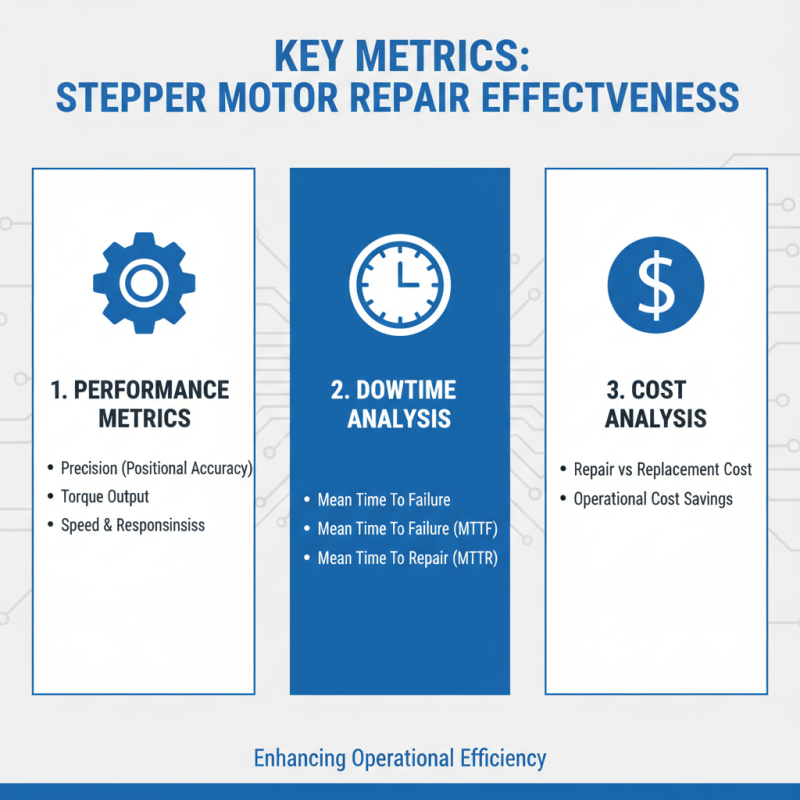
Stepper motors are essential in various machinery applications due to their precision and reliability. However, failures can occur, making repairs necessary. Evaluating repair effectiveness can significantly enhance operational efficiency. Key metrics in this assessment involve performance metrics, downtime, and cost analysis.
Performance metrics focus on the steps the motor can accurately reach after repair. Research indicates that motors repaired with precision can reach upwards of 98% of original specifications. Additionally, assessing downtime is vital. A reduction of downtime by 20% or more is often achievable with quality repairs. Lastly, cost analysis plays a crucial role. Investing in repairs can save up to 30% compared to purchasing new motors. Assessing these metrics helps in determining the long-term benefits of stepper motor repair.
Recognizing the importance of repair projects can sometimes be overlooked. Companies may dwell too much on initial costs rather than focusing on the potential long-term savings and improved performance. Reflecting on these key metrics can lead to better decision-making in machinery management and maintenance. Monitoring repair effectiveness not only enhances immediate performance but also contributes to overall equipment lifecycle management.
Industry Best Practices for Maintenance and Troubleshooting of Stepper Motors
Stepper motors are crucial in many industries, driving precision and control in machinery. Proper maintenance is vital to ensure their longevity and reliability. Regular inspection of connecting cables and power supply can prevent many common issues. Checking for wear on the rotor and stator can help avoid potential failures. Dust and debris can accumulate, affecting performance. Keeping the area clean is essential.
When troubleshooting, first, check the motor’s responsiveness. A lack of movement could indicate electrical issues or misalignment. Sometimes, recalibrating the control system is all it takes. Listening for unusual sounds during operation can reveal mechanical problems. If a motor vibrates excessively, it might signal an imbalance. Taking immediate action can save time and resources.
Repairing stepper motors instead of replacing them can be beneficial. It not only preserves the machine's integrity but also reduces costs. However, knowing when to repair or replace requires experience. Not every issue is straightforward. Understand your machinery's history; this knowledge is invaluable. Gathering data over time helps in making informed decisions. Regular assessment and documentation can lead to better outcomes in maintenance strategies.
Why You Should Consider Stepper Motor Repair for Your Machinery - Industry Best Practices for Maintenance and Troubleshooting of Stepper Motors
| Aspect |
Details |
| Common Issues |
Loss of steps, overheating, unusual noises, erratic movements |
| Maintenance Frequency |
Every 6-12 months depending on usage |
| Inspections |
Visual inspections for wear, checking wiring, dust removal |
| Repair Signs |
Performance drop, inconsistent torque, mechanical wear |
| Common Repair Methods |
Rewinding coils, replacing bearings, recalibrating |
| Testing Techniques |
Use of multimeter, oscilloscopes, load testing |
| Cost Considerations |
Cost-effective compared to complete replacement |
| When to Replace |
Irreparable damage, outdated technology, frequent breakdowns |