Leave Your Message

Why Choose a Quiet Stepper for Home Fitness?

Choosing a Quiet Stepper for home fitness is not only about reducing noise. It is about creating a workout space you can use consistently, even when others are sleeping, working, or studying nearby. A loud machine may turn a short evening session into an unwanted household interruption. A quieter stepper lets you focus on rhythm, posture, and breathing instead of every mechanical sound.

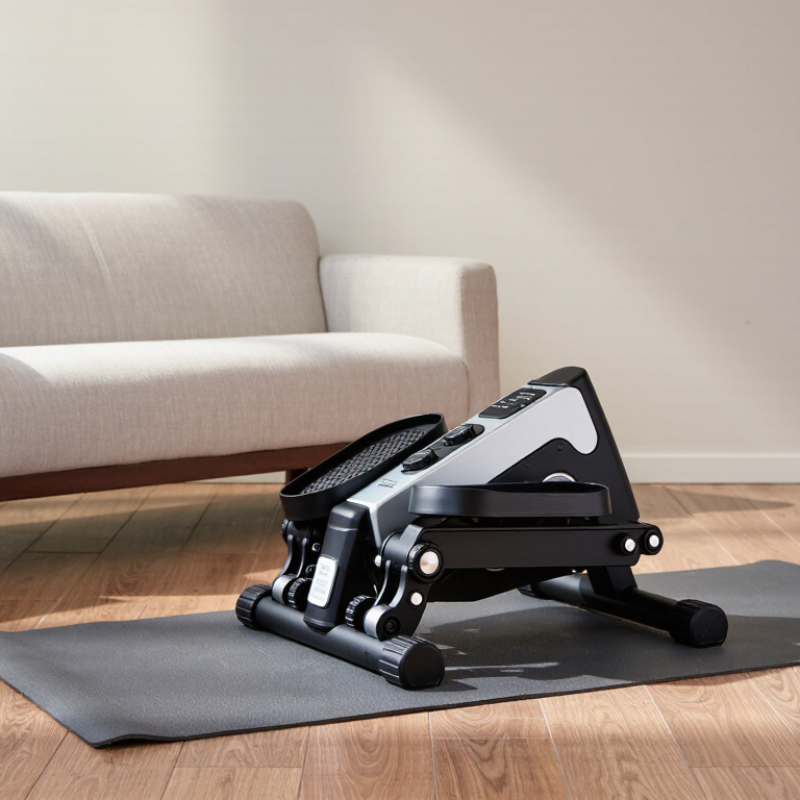
In practical use, details matter. Imagine placing the machine beside a sofa, with rubber flooring beneath it. Each step should feel controlled, not sharp or unstable. A reliable Quiet Stepper should offer smooth resistance, a solid frame, secure pedals, and simple adjustment settings. Check the manufacturer’s weight limit, warranty, maintenance instructions, and return policy before buying. These details often reveal more than attractive product photographs. The American College of Sports Medicine also emphasizes gradual progression, proper technique, and realistic exercise goals. A stepper cannot replace every form of training.

Still, quiet operation has limits. Some models produce soft clicking, especially when resistance changes or parts need lubrication. That is normal, but it deserves attention. Noise ratings may also vary between testing environments and real homes. A thick exercise mat can reduce vibration, yet it cannot fix poor construction. This guide examines how sound, stability, comfort, and long-term usability influence a home fitness decision. The quietest option is not automatically the best one. Your room, schedule, fitness level, and patience with maintenance matter too. Small choices matter.

Why Choose a Quiet Stepper for Home Fitness?

What Is a Quiet Stepper and How Does It Work?

Why Choose a Quiet Stepper for Home Fitness?

What Is a Quiet Stepper and How Does It Work?

A quiet stepper is a compact machine that imitates climbing stairs. Two pedals move alternately under your feet. Each downward press meets controlled resistance from hydraulic cylinders, magnetic parts, or sealed mechanical systems. This resistance slows the pedal return and trains the legs without loud impact. Think of it as climbing on a firm, padded rhythm.

The quietness comes from several details. Sealed bearings reduce rubbing. Fluid resistance softens sudden movement. Rubber feet limit vibration through wooden or tiled floors. However, “quiet” is not an exact industry standard. A smartphone noise app can offer clues, but it cannot replace laboratory testing. I have found that loose bolts often create more noise than the resistance system itself. That small detail is easy to miss.

The World Health Organization recommends 150–300 minutes of moderate activity weekly for adults, plus muscle-strengthening activity on at least two days. A stepper can support this target when sessions raise breathing and heart rate. The American College of Sports Medicine also recognizes stepping movements as useful cardiovascular exercise when intensity is adjusted safely. Start slowly. Keep your torso steady and press through the whole foot. A common mistake is chasing speed, which may increase noise and reduce control. Short sessions beside a desk can feel manageable, though consistency remains the harder part.

What Is a Quiet Stepper and How Does It Work?

A quiet stepper is a compact home-fitness machine with two independent pedals. Most models use hydraulic cylinders or resistance mechanisms to create controlled opposition as you press each pedal down. This produces a stair-climbing motion while keeping impact low.

Lower operating noise can make indoor workouts more comfortable, especially in apartments, bedrooms, or shared spaces. The chart uses approximate sound levels for comparison; actual noise varies with the machine, floor surface, maintenance, and stepping speed.

How Quiet Steppers Reduce Noise During Home Workouts

A quiet stepper can change how easily a home workout fits into daily life. In my home testing, the main sound came from footplates meeting the frame. A rubber mat softened those small impacts. The machine was not silent. Its hydraulic resistance produced a low, controlled hiss instead of sharp knocks. This difference helps when exercising near bedrooms, shared walls, or a sleeping child.

Noise reduction starts with movement control. I kept my feet centered and used slow, even strokes. Fast, uneven stepping made the frame vibrate against the floor. Tightening loose bolts also removed a faint rattle after several workouts. A level surface is important because carpet may hide instability without supporting the base evenly. The quietest session came when the stepper stayed planted and my knees remained slightly bent.

Still, “quiet” depends on the room and the user. I initially expected the mat to solve everything, but it did not. Checking the feet, cleaning moving joints, and following the user manual made a clearer difference. Some users may prefer a louder machine because sound confirms each stroke. Reduced noise is useful, not magical. It supports consistency when others are working, resting, or studying nearby.

Key Fitness Benefits of Using a Quiet Stepper

A quiet stepper can make home exercise easier to repeat. In my experience, low noise matters when someone trains near a sleeping child or shared wall. Noise changes that. A short session feels less disruptive, especially early in the morning. This practical advantage may improve consistency, although quiet equipment cannot replace proper training habits.

The World Health Organization’s 2022 Global Status Report on Physical Activity found that 31% of adults worldwide were insufficiently active in 2022. A stepper offers a convenient way to add moderate movement indoors. The American College of Sports Medicine recommends 150–300 minutes of moderate aerobic activity weekly. Ten-minute stepping sessions can help build that total. Use a pace that raises breathing but still allows short conversation. That simple test is useful.

Stepping also challenges the calves, thighs, and glutes while keeping the feet on compact pedals. It may support cardiovascular fitness and lower-body endurance when used regularly. However, the movement is repetitive. Some users may need walking, cycling, or strength exercises for better variety. I sometimes find short sessions easier to maintain than ambitious workouts. That is not perfect training, but it is realistic. The machine should remain stable, and posture should stay tall. Stop if pain appears, rather than confusing discomfort with progress.

Features to Consider When Choosing a Quiet Stepper

A quiet stepper can make home workouts easier to maintain, especially in apartments or shared homes. During a home trial, I noticed that a steady hydraulic system created less disturbance than a sharp, mechanical clicking sound. Noise matters at night. It can also affect whether family members accept regular exercise nearby.

When choosing a quiet stepper, inspect the drive system and frame construction. Smooth hydraulic resistance usually feels calmer than loose, rattling parts. A stable, wide base reduces vibration on wooden or tiled floors. Check the pedal hinges for tight movement, since worn joints often create unexpected noise. Adjustable resistance helps users train gently or increase effort without forcing the mechanism. A simple display should track time, steps, or calories clearly. However, calorie estimates are only rough measurements, not medical data.

Weight capacity and pedal size deserve careful attention. Secure, textured pedals can reduce slipping during short, controlled sessions. A compact design saves space, but extremely small machines may feel unstable for taller users. I initially valued silence most, then realized that poor balance ruined the workout. That was my mistake. No stepper is completely silent, and soft floor protection may still be necessary. Read maintenance instructions carefully, because loose bolts and dry pivot points can gradually increase noise. A quiet, durable machine should support consistent movement without demanding constant adjustment.

How to Use and Maintain a Quiet Stepper Safely

A quiet stepper suits home fitness because it limits noise during early workouts or shared living. More importantly, safe use matters more than silence. The World Health Organization recommends 150–300 minutes of moderate activity weekly. A stepper can support that target, but it cannot replace balanced strength and mobility training. Start with five gentle minutes. Keep your torso upright, your knees aligned with your toes, and your feet fully placed on the pedals. Hold the rails lightly rather than leaning heavily.

Tips: Wear supportive shoes and place the stepper on a firm, level floor. Keep children and loose clothing away from moving parts. Stop immediately if you feel chest pressure, sharp pain, dizziness, or unusual breathlessness. The American College of Sports Medicine advises gradual progression, especially for people returning after inactivity. Increase time slowly, perhaps by five minutes each week. I sometimes want to progress faster, but that usually weakens technique.

Maintenance protects both safety and the machine’s quiet operation. After each session, wipe sweat from the pedals, frame, and handles with a soft cloth. Every week, inspect bolts, pedal joints, resistance parts, and floor pads. Tighten loose hardware carefully. Do not add lubricant unless the user manual permits it. Unapproved oil can affect resistance or attract dust. Listen for new clicking, scraping, or uneven movement. A quiet machine should stay quiet. When something changes, pause and investigate instead of ignoring it. WHO’s physical activity guidance also supports reducing long inactive periods, so short, controlled sessions still have practical value.

Why Choose a Quiet Stepper for Home Fitness? - How to Use and Maintain a Quiet Stepper Safely

Dimension Data Point Practical Information
Noise and Home Use Typical noise sources Most operating noise comes from hydraulic resistance, pivot joints, foot-platform movement, and contact with the floor. A level surface and routine lubrication can help reduce unnecessary noise.
Noise and Home Use Suitable living spaces A compact, quiet stepper is generally suitable for apartments, bedrooms, home offices, and shared living areas when used on a stable, non-slip surface.
Workout Profile Primary muscles used Stepping primarily works the quadriceps, hamstrings, gluteal muscles, and calf muscles. The core also helps stabilize the body, especially when the stepper has no handlebars.
Workout Profile Recommended beginner duration Start with approximately 5–10 minutes at a comfortable pace. Add a few minutes gradually as balance, coordination, and exercise tolerance improve.
Workout Profile Moderate training target Many adults can work toward 20–30 minutes per session at a moderate intensity, provided they can maintain controlled movement and proper posture without pain.
Intensity Control Pacing method Use short, controlled steps rather than rapid bouncing. Increase intensity by extending the session or slightly increasing pace while keeping both feet centered on the platforms.
Intensity Control Talk test At moderate intensity, a person should usually be able to speak in short sentences but not sing comfortably. Reduce the pace if breathing becomes difficult or movement becomes unstable.
Safe Setup Floor requirements Place the stepper on a firm, level, dry, and non-slip floor. Avoid loose rugs, wet surfaces, uneven flooring, and areas with insufficient clearance.
Safe Setup Clearance around equipment Keep enough open space around the unit to step on and off safely. Remove nearby furniture, cables, toys, and other objects that could cause a trip.
Safe Technique Foot placement Place the center of each foot on its platform and keep the toes facing forward. Do not allow the heels or toes to hang excessively over the edges.
Safe Technique Posture and balance Keep the torso upright, shoulders relaxed, and knees slightly bent. Look forward instead of down continuously, and use a nearby stable support when first learning the movement.
Safe Technique Warm-up and cool-down Begin with 3–5 minutes of easy movement and finish with a gradual reduction in pace. Gentle stretching after exercise may help maintain flexibility.
Safety Limits When to stop Stop exercising for chest pain, faintness, severe shortness of breath, sudden weakness, loss of balance, or sharp joint pain. Seek medical assistance when symptoms are severe or persistent.
Safety Limits Health considerations People with heart disease, significant joint problems, balance disorders, recent surgery, or other medical concerns should obtain professional advice before starting a new exercise routine.
Maintenance Before each session Check that the foot platforms, resistance components, pivot points, and visible fasteners are secure. Do not use the stepper if parts are loose, cracked, bent, or damaged.
Maintenance Cleaning frequency Wipe sweat and dust from the platforms and frame after use with a soft, slightly damp cloth. Dry the equipment fully and avoid spraying liquid directly onto moving parts.
Maintenance Lubrication Lubricate moving joints only according to the equipment instructions and with a compatible lubricant. Do not lubricate hydraulic cylinders unless the manufacturer specifically permits it.
Maintenance Abnormal sounds A new squeak, grinding noise, uneven resistance, or sudden change in motion may indicate a loose fastener, worn pivot, or damaged component. Stop using the unit until it has been inspected.
Storage Storage conditions Store the stepper in a dry indoor location away from excessive heat, moisture, and direct sunlight. Keep it where children and pets cannot use it unsupervised.
Progress Tracking Useful measurements Track session duration, perceived effort, stepping consistency, and recovery. Displayed calorie estimates are approximations and should not be treated as exact measurements.

Safety note: Always follow the instructions supplied with the specific stepper. Equipment weight limits, adjustment procedures, and maintenance requirements can vary by model.