Top Stepper Electric Motors for Efficient Automation Solutions?
In the realm of automation solutions, Stepper Electric motors have emerged as pivotal components. These motors excel in precision control and efficiency, making them ideal for diverse applications. Industries ranging from robotics to manufacturing rely on Stepper Electric technology to enhance productivity and streamline processes.
The evolution of Stepper Electric motors showcases advancements in design and functionality. Their ability to provide accurate positioning without the need for feedback mechanisms sets them apart. This feature is critical, especially in environments where timing and accuracy are paramount. However, the increasing complexity of automation systems also presents challenges. Users must navigate the intricacies of motor specifications and integration.
Despite their advantages, the journey with Stepper Electric motors is not without hurdles. Issues such as torque limitations and heating can arise. Users often need to reflect on their specific requirements and adaptability. Continuous learning and adaptation are essential in this dynamic field, ensuring optimal performance and reliability in automation solutions.
Overview of Stepper Electric Motors in Automation
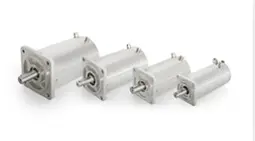
Stepper electric motors play a significant role in the field of automation. They provide accurate positioning and repeatability, essential for various applications. These motors convert electrical energy into mechanical motion. Their precise control allows for smooth and gradual movement, making them ideal for tasks requiring high precision.
When selecting a stepper motor, consider factors like torque and speed. Assess the environment where they will operate. Temperature and humidity can affect performance. Also, ensure compatibility with your control system. Not all systems work seamlessly with every motor type.
Managing heat generation is crucial for efficient operation. Overheating can lead to performance issues. Using proper heat sinks or cooling solutions can prolong motor life. Look out for unusual noises or vibrations, as these may indicate underlying problems. Monitoring performance regularly can help in troubleshooting potential issues before they escalate.
Types of Stepper Motors and Their Applications
Stepper motors are crucial in various automation applications. They provide precise control over movement. There are different types of stepper motors, including permanent magnet, variable reluctance, and hybrid. Each type has unique features and applications.
Permanent magnet stepper motors are efficient for low-torque applications. They are commonly used in printers and 3D printers. With an average holding torque of 45 oz-in, these motors can deliver reliable performance. Variable reluctance stepper motors, on the other hand, work well in high-speed applications. They are often found in applications that require rapid positioning.
Hybrid stepper motors combine characteristics of both types. They offer high torque and excellent control. According to an industry report, the global stepper motor market is expected to reach $3.82 billion by 2026, with a CAGR of 6.6%. The versatility of these motors supports various sectors including robotics, CNC machinery, and medical equipment. However, some may question their energy efficiency compared to servo motors. This area warrants further exploration and improvement.
Key Features of High-Performance Stepper Motors
Stepper motors have become crucial in automation, providing accurate control and efficiency. High-performance stepper motors feature several key characteristics. Their precision is a standout trait, with positioning accuracy often reaching 1.8 degrees per step. This level of precision ensures that they can be relied upon for tasks demanding high accuracy, such as 3D printing and CNC machines. According to industry reports, precision robotics applications have seen a 20% improvement in efficiency due to advanced stepper technology.
Another vital feature is torque output. High-performance stepper motors deliver substantial torque at low speeds, which is essential for applications requiring immediate response and strength. Performance data reveal that stepping motors can generate up to 1.5 Nm of holding torque at low frequencies, making them ideal for equipment like conveyor systems and automated assembly lines. However, inefficiencies can arise if stepper motors are not matched correctly to their load, leading to loss of torque or overheating.
Moreover, thermal management is a significant concern for stepper motors. Many systems experience performance dips due to overheating, especially during prolonged use. Users must ensure proper cooling mechanisms are in place to maintain optimal operation. Addressing these issues can lead to greater longevity and reliability of automation systems.
Efficiency Factors in Stepper Motor Designs
When discussing efficiency factors in stepper motor designs, it's essential to recognize specific attributes that enhance their performance. Stepper motors offer precise control over positioning and speed, making them ideal for automation applications. The combination of high torque at low speeds with reduced energy consumption adds to their appeal. Designers must prioritize these features to ensure that the motors remain effective in various settings.
Another crucial factor is thermal management. Efficient heat dissipation can significantly improve a motor's lifespan and reliability. Engineers often explore various materials and cooling systems to optimize performance. However, achieving the right balance between performance and energy usage remains a challenge. Sometimes, over-engineering a system can lead to inefficiencies, counteracting the initial goals.
Lastly, the integration of advanced drive technologies plays a vital role in stepper motor efficiency. These systems can enhance torque control and minimize vibration during operation. However, the complexity of implementation can pose difficulties. As the field evolves, continuous reflection on design choices will help improve future solutions, ensuring a more reliable and efficient automation experience.
Choosing the Right Stepper Motor for Automation Needs
When selecting a stepper motor for automation needs, several factors come into play. It’s crucial to consider the motor's torque, speed, and controller compatibility. According to a report by the International Federation of Robotics, stepper motors are widely adopted in automation, with growth rates expected to rise by 6% annually. This growth signals an increasing reliance on precise motion control in various applications.
Torque is vital. A motor with higher torque can handle heavier loads and provide better performance. However, if the required torque exceeds the motor's capacity, it can lead to reduced efficiency and potential failure. Speed is also important. The operating speed must match the application's requirements. A mismatch could result in diminished performance or even system breakdowns.
It's important to evaluate different types of stepper motors. Bipolar motors often offer better torque at higher speeds, while unipolar motors provide simpler wiring and control. Reports indicate that many applications benefit from considering NEMA standards for sizing and compatibility. Addressing the challenges of motor selection involves careful analysis and may not yield a perfect fit on the first try. Therefore, iteration and testing are key to achieving optimal performance in automation solutions.