Top 10 Stepper Electric Motors for Global Buyers?
Stepper Electric motors play a critical role in various applications, from robotics to manufacturing. Industry expert Dr. Alice Chen emphasizes, “Choosing the right stepper electric motor can significantly influence operational efficiency.” This highlights the importance of understanding the options available in the market.
With numerous models on the international stage, selecting the right stepper electric motor may feel overwhelming. Each motor type brings unique features and requirements. Therefore, it is crucial to assess the specific needs of your project. Small decisions can lead to significant outcomes.
In this landscape of diverse offerings, buyers must consider both performance and reliability. Many products may appear attractive but can fall short. Not all manufacturers guarantee long-term support or durability. Reflecting on these aspects can help refine your choices. Understanding the fundamentals of stepper electric motors will lead to informed decisions, ensuring better results in your applications.
Overview of Stepper Electric Motors and Their Applications
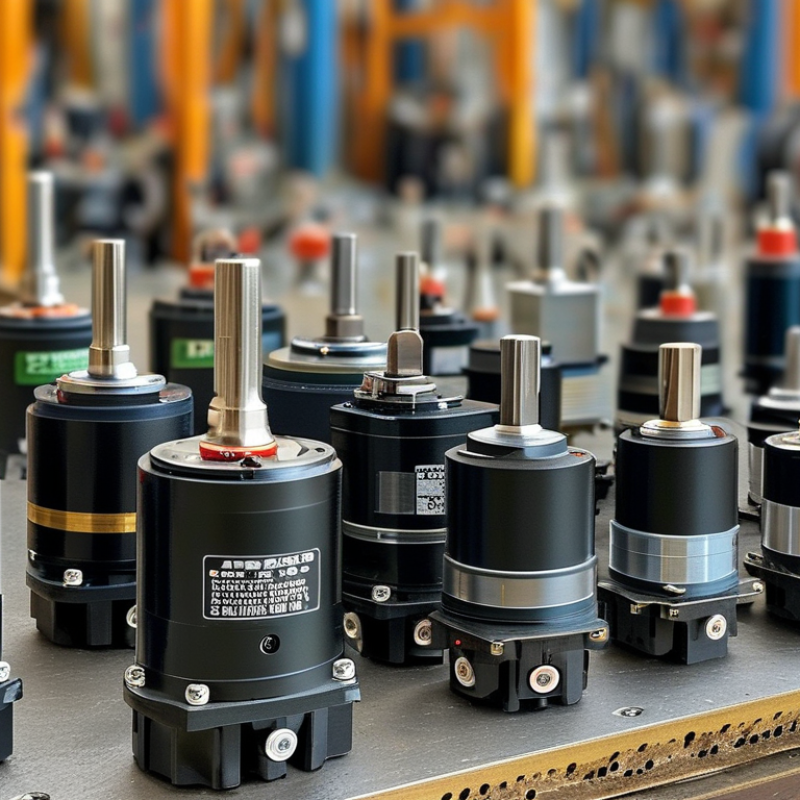
Stepper electric motors are widely used across various industries, thanks to their precision and reliability. These motors convert electrical pulses into discrete angular movements. According to a report by MarketsandMarkets, the global stepper motor market is projected to reach $3.8 billion by 2025, growing at a CAGR of 4.5%. This growth reflects the rising demand from sectors like robotics, 3D printing, and CNC machinery.
In industrial settings, stepper motors play a critical role. They are often used in applications requiring precise control, such as conveyor systems and automated assembly lines. Their ability to maintain position without feedback systems makes them attractive for applications in medical devices and aerospace technology. A study by Technavio indicates that the manufacturing sector accounts for over 50% of the total stepper motor market. However, their performance can be sensitive to environmental factors, underscoring the importance of appropriate enclosure and cooling solutions.
Challenges remain in the integration of stepper motors within larger systems. While their open-loop control simplifies setup, it can lead to missed steps under heavy load. This can result in inaccuracies in automated tasks. Researchers are exploring hybrid systems to leverage both stepper and servo characteristics, enhancing efficiency and reliability. The evolution of stepper motor technology continues to provide valuable solutions, but careful consideration is needed to address potential shortcomings.
Top 10 Stepper Electric Motors - Performance Comparison
Factors to Consider When Choosing a Stepper Electric Motor
When choosing a stepper electric motor, several factors must be considered. The motor's torque and speed specifications are crucial. For instance, a report by Technavio forecasts a growth rate of over 6% in demand for stepper motors in automation. High torque is essential for precise control in applications like 3D printing or CNC machinery. Yet, higher torque often means more heat generation. This factor can impact the motor's longevity and overall performance.
Step angle is another vital detail. Motors with smaller step angles provide higher resolution, which is significant for applications requiring fine movements. According to the International Journal of Engineering Research, stepper motors with a step angle of 1.8 degrees are common. But some specialized applications may require finer resolutions of 0.9 degrees. Buyers should assess their requirements before making a decision.
Lastly, consider the environmental factors. Motors may be exposed to dust, moisture, or varying temperatures. The correct rating can prevent failure due to these conditions. The motor’s operating environment is often overlooked. Selecting a motor without considering these aspects can lead to unforeseen issues down the line.
Top 10 Stepper Electric Motors: A Comparative Analysis
When selecting the best stepper electric motors, it's essential to understand key features. Options vary in torque, size, and voltage requirements. Typically, higher torque means better performance for heavy applications. Size is another critical aspect. A compact motor can benefit space-constrained projects, while larger units may provide more power.
Not every motor suits every application. Some designs excel in precision and control, while others may focus on speed. Assessing your project's needs is crucial. Consider automation tasks that demand exact positioning. For these, look for motors with microstepping capabilities. Understanding the required voltage and current ensures compatibility with your system.
Quality matters significantly. Not all manufacturers provide consistent performance. Scrutinize user reviews and technical specifications to make informed decisions. Expect variations in durability and efficiency across different models. Sometimes, cheaper options may lead to more frequent replacements. Reflecting on these aspects can guide you toward a suitable choice for your needs.
Key Features of the Leading Stepper Electric Motors
When exploring the top stepper electric motors, understanding their key features is essential for informed choices. Stepper motors are prized for their precision in positioning and repeatability. They are commonly used in 3D printers, CNC machines, and robotics. Their ability to move in defined steps makes them ideal for applications requiring fine control.
One noteworthy feature is the torque-to-speed relationship. A good stepper motor delivers high torque at low speeds. This can be challenging in some motors, leading to overheating issues. A useful tip is to verify the specifications before purchasing. Ensure the motor can handle your project's demands without excessive strain.
Another important aspect is driver compatibility. Not all motors work with every driver, so it's wise to match them correctly. It's often overlooked but can significantly affect performance. A tip to keep in mind: check if a dedicated driver is required. This compatibility can improve efficiency and prolong the motor's lifespan.
Always consider power ratings as well. The motor should align with your voltage and current requirements. Sometimes this gets misunderstood, causing performance issues. Balancing these factors is crucial in selecting the best stepper motor for your needs.
Top 10 Stepper Electric Motors for Global Buyers
| Model |
Holding Torque (N·cm) |
Step Angle (Degrees) |
Rated Current (A) |
Voltage (V) |
Weight (kg) |
| NEMA 17 |
45 |
1.8 |
1.2 |
3.6 |
0.40 |
| NEMA 23 |
90 |
1.8 |
2.8 |
4.2 |
1.30 |
| NEMA 14 |
30 |
1.8 |
0.7 |
5.0 |
0.30 |
| NEMA 34 |
150 |
1.8 |
4.0 |
48 |
3.60 |
| Integrated Driver |
35 |
1.8 |
1.5 |
9.0 |
0.50 |
| High Torque |
75 |
1.8 |
3.0 |
12 |
1.20 |
| Microstepping Motor |
40 |
0.9 |
0.8 |
5.0 |
0.25 |
| Gear Reduction |
60 |
1.8 |
2.0 |
6.0 |
0.80 |
| Compact Motor |
25 |
1.8 |
0.5 |
4.5 |
0.20 |
| High Voltage |
100 |
1.8 |
4.5 |
30 |
2.00 |
Buying Guide for Global Customers: Where to Purchase Stepper Motors
When looking to purchase stepper motors, global buyers should consider several factors. Understanding the supply chain is crucial. Reports indicate that over 30% of global stepper motors are sourced from Asia. Countries like China and Japan dominate the market, providing affordable options with diverse specifications. However, this can create quality variability. Buyers need to verify suppliers' reliability and product standards.
Price is another important aspect. In 2022, the average cost of a standard stepper motor ranged between $25 and $150. This price fluctuation is influenced by motor specifications, including torque, size, and performance characteristics. For specific applications, such as robotics and CNC machinery, customization may be required. This often raises costs and extends lead times. Researching manufacturers before purchase can reveal competitive pricing and potential hidden costs.
Online platforms are increasingly popular for purchasing stepper motors. However, there have been incidents of fraud. According to recent studies, around 15% of buyers reported issues related to counterfeit products. It is important to use trusted e-commerce websites and contact customer service for inquiries. Buyer reviews and certifications also provide insights. This vigilance can lead to better quality products and successful projects.