China Top Stepper Electric Motor Suppliers for Your Needs?
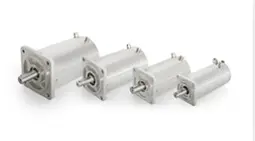
The demand for Stepper Electric motors is on the rise. According to a recent market analysis by IHS Markit, the global stepper motor market is projected to reach $6.7 billion by 2025. This growth is fueled by the increasing adoption of automation across various industries. Stepper motors provide precise control, making them ideal for applications in robotics, CNC machines, and 3D printers.
Dr. Emily Zhang, a renowned expert in the Stepper Electric field, emphasizes the importance of quality in this sector. She notes, "Choosing the right stepper motor supplier can significantly impact efficiency and performance." The competitive landscape is evolving, with numerous Chinese suppliers emerging as key players. However, it is crucial to assess their reliability and expertise.
While many suppliers offer a variety of products, not all meet the required standards. Businesses must evaluate the technical specifications and certifications of these motors. The potential risks associated with subpar products could lead to inefficiencies. As the industry evolves, understanding these dynamics is vital for making informed decisions in selecting a stepper electric motor supplier.
Top Features to Consider When Choosing Electric Motors for Your Needs
When selecting an electric motor, consider its efficiency. The global market for electric motors is projected to reach $170 billion by 2026, according to industry reports. Higher efficiency ratings indicate lower energy consumption, which can significantly reduce operational costs. A motor with high efficiency may have an initial higher cost, but the return on investment is often worth it.
Thermal management is crucial too. Motors generate heat during operation. Excessive heat can lead to failures or decreased lifespan. Many suppliers offer motors with built-in cooling features. However, not all designs are equally effective. Pay attention to the temperature ratings and ensure proper installation for optimal performance.
Torque is another important factor. This determines how much load an electric motor can handle. A motor with low torque might struggle under heavy loads, causing inefficiencies. The torque characteristics should match the specific application to avoid potential issues. For precise tasks, consider variable speed drives. They can help maintain efficiency across varying loads and speeds.
Overview of the Electric Motor Industry in China: Market Trends and Data
The electric motor industry in China has experienced significant growth. This sector plays a crucial role in various applications, from industrial machinery to household appliances. Recent data indicates that the demand for electric motors has surged, attributed to rising automation and energy efficiency trends.
One key trend is the shift towards greener technology. Many manufacturers are investing in research and development. They aim to create more energy-efficient motors. However, the industry still grapples with challenges such as fluctuating raw material prices and strict environmental regulations. These factors can impact production costs and timelines, requiring companies to adapt swiftly.
Another important aspect is the competitive landscape. Numerous suppliers boast advanced manufacturing capabilities. Yet, not all maintain the same quality standards. Businesses must carefully evaluate potential partners, focusing on their technical expertise and reliability. This process often highlights the importance of building strong relationships in the supply chain. Balancing cost and quality is an ongoing concern for many in the industry.
Overview of Electric Motor Production in China (2023)
Leading Electric Motor Suppliers in China: Key Players and Their Offerings
China has become a significant hub for electric motor production. An array of suppliers offers various types of electric motors, especially stepper motors. These suppliers cater to diverse industries from automation to robotics. Their products often emphasize efficiency, durability, and precision.
Some key players focus on research and development. This commitment leads to innovative solutions in electric motor technology. They provide customized options to suit specific client needs. However, navigating this landscape can be challenging. Not every supplier meets the required standards consistently. Prospective buyers must verify the credentials and quality certifications of these manufacturers.
In evaluating suppliers, consider factors like production capacity and after-sales service. Customer reviews can provide insight into reliability. It’s essential to communicate clearly about specifications and expectations. Establishing a dialogue will allow for better alignment with supplier capabilities.
Comparison of Stepper Motor Types: Specifications and Applications
Stepper motors play a crucial role in various applications, from 3D printers to CNC machines. Understanding their types and specifications is essential for choosing the right one. There are several types of stepper motors: permanent magnet, adjustable, and hybrid. Each type has unique characteristics tailored to specific needs. Permanent magnet stepper motors are known for their simplicity and reliability. They can provide good torque at lower speeds.
Adjustable stepper motors allow for varying step angles and can achieve better precision. These motors find use in robotics and automation systems. Hybrid stepper motors combine features from both permanent magnet and variable reluctance types, offering improved performance. They are suitable for applications requiring both accuracy and torque. However, hybrid motors can be more complex to control.
When selecting a stepper motor, consider factors like torque, speed, and application. Sometimes, the ideal motor might not be immediately clear. It’s important to weigh options and seek expert advice if needed. Experimentation with different types can yield insights into performance variations. Reflecting on specific project requirements is key to making informed decisions in the selection process.
Quality Standards and Certifications for Electric Motors in China
When sourcing electric motors from China, quality standards and certifications are crucial. Many manufacturers comply with international standards to ensure reliability and efficiency. These standards, such as ISO and CE, provide a framework for assessing and ensuring motor performance. Buyers should pay attention to these details. It helps establish trust with suppliers.
In addition to certifications, thorough inspections are necessary. Regular quality checks can prevent defects. Some manufacturers claim high standards but lack the facilities for proper testing. It's essential to verify the production processes. Engaging third-party inspectors can add another layer of assurance.
Understanding these quality benchmarks offers insight into product reliability. Not every manufacturer meets these rigorous standards, which can impact performance in usage. Therefore, due diligence in selecting suppliers is key. Building strong relationships with reliable partners creates long-term benefits for both sides.