How to Choose the Right Servo Motor for Your Project?
Choosing the right Servo Motor for your project can be challenging. With so many options available, understanding your specific requirements is crucial. According to Dr. Emily Warren, a leading expert in servo technology, “Selecting the appropriate Servo Motor can significantly enhance performance and efficiency in automated systems.”
When evaluating a Servo Motor, consider torque, speed, and application demands. The right motor can impact precision in robotics and manufacturing. Dr. Warren emphasizes the importance of matching motor specifications to project goals. It's easy to overlook details, believing all Servo Motors are the same, but they are not. Each project has unique requirements that must be met.
Inexperience can lead to costly mistakes. For instance, selecting a motor with insufficient torque can halt operations. Many project managers underestimate this aspect. Thus, taking the time for thorough analysis is essential. Understanding specific needs will pave the way for improved project outcomes. In the world of automation, every detail matters. Choose wisely, and your project will thrive.
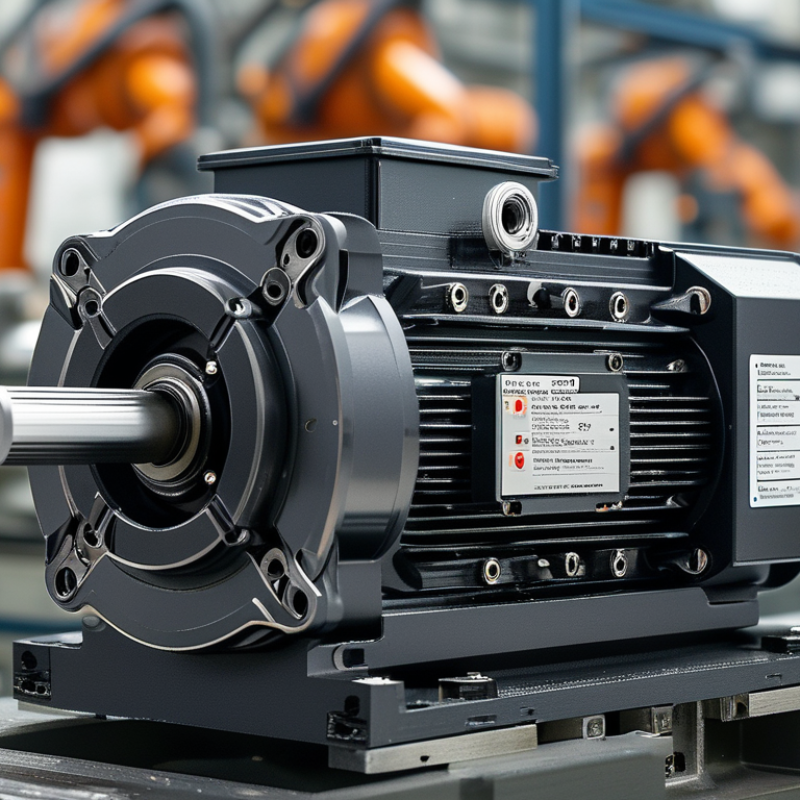
Understanding the Basics of Servo Motors and Their Applications
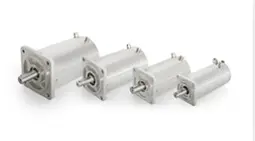
Servo motors are essential components in various applications, from robotics to automation. Understanding their fundamentals can greatly influence your project's success. A servo motor typically includes a motor, a controller, and a feedback device. This setup allows precise control over angular position, speed, and acceleration. It's critical to grasp these elements when selecting the right motor for your needs.
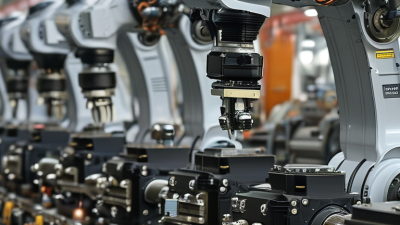
In practical applications, servo motors excel in tasks that demand accuracy. For instance, in robotic arms, they ensure precise movements needed for assembly tasks. However, the choice of servo motor often comes down to specific project requirements. Consider factors such as torque, speed, and power supply. Overlooking these details could lead to underperformance or motor damage. Some users find it challenging to balance power needs with size constraints.
Another aspect to reflect on is the feedback types used in servo motors. Options include potentiometer or encoder feedback, with each serving different accuracy needs. A common mistake is opting for a less costly alternative without considering the project's demands. Proper assessment of your requirements will help avoid costly errors. Understanding these basic elements will empower you to choose wisely, enhancing your project’s effectiveness.
Identifying Key Specifications for Selecting Servo Motors
Choosing the right servo motor begins with understanding key specifications.
Torque, speed, and precision are vital factors.
Torque defines how much load the motor can handle. Evaluate your project's requirements.
Too little torque can lead to failure. Too much can waste power.
Speed is another crucial element. Consider the response time you need. A fast servo motor may be ideal for robotics.
However, slower motors might suffice for simpler tasks. Measure the application carefully.
Precision ensures that your movements are accurate.
Look at the motor's resolution. Some projects require high resolution, while others do not need it as much.
Don’t overlook feedback systems. They can enhance performance but add complexity. Analyze whether your project requires
closed-loop or open-loop systems. Each has its pros and cons. It's often worth investing in more reliable components.
In the end, consider your budget.
Balancing quality and cost is tricky but necessary. Prioritize your project's needs to make the best choice.
Evaluating Torque, Speed, and Precision Requirements
When choosing a servo motor, torque, speed, and precision are critical metrics. Torque determines how much force the motor can exert. For example, in robotic arms, high torque is essential for lifting heavy loads. If your application involves delicate movements, consider motors with low torque ratings. Understand your specific needs to avoid over-specifying or under-specifying torque.
Speed is equally important. The speed of a servo motor can affect how quickly your project operates. If you are designing a conveyor system, for instance, the motor should provide sufficient speed to keep up with production demands. However, excessive speed may lead to loss of control and inaccuracies. Balance is crucial for optimal performance.
Precision is often overlooked. High precision ensures that movements are accurate and repeatable. This is especially vital in applications like CNC machines. A high-precision servo motor can minimize errors, leading to better product quality. Without careful evaluation of these parameters, you might find your project falling short of expectations. Take the time to assess your requirements thoroughly to make a well-informed decision.
Considering Power Supply and Control Systems in Your Choice
When selecting a servo motor for your project, the power supply and control systems are critical factors. A well-chosen power supply ensures that the servo motor operates at optimal efficiency. According to a recent industry report, mismatched power ratings can reduce performance by nearly 30%. It's essential to consider both voltage and current ratings. An underpowered servo may not respond accurately. Overpowering can lead to overheating. Understanding the specific requirements of the servo motor is fundamental.
Control systems also play a crucial role in the selection process. A study by the International Society of Automation highlights that approximately 40% of servo-related issues stem from inadequate control algorithms. The relationship between the control system and the servo motor impacts overall project success. Digital and analog systems can yield different outcomes. For example, digital control increases precision but may require more complex programming. The right choice hinges on the intended application and any project constraints.
Many projects encounter challenges due to a lack of comprehensive research. Operators may overlook essential specifications during selection. This oversight can lead to operational failure. Thorough analysis of both power supply and control configurations is vital for optimal functionality. Taking the time to assess these elements can prevent costly mistakes.
Assessing Budget and Long-Term Maintenance for Servo Motors
When selecting a servo motor, it's vital to consider budget constraints upfront. The initial cost is just one aspect of the investment. Servo motors vary widely in price, influenced by performance specifications. Cheaper motors might seem attractive but may lack durability. Choose wisely to avoid replacement costs later on.
Long-term maintenance can significantly impact your overall expenses. Regular upkeep ensures optimal performance and extends the motor's lifespan. Some motors require specific maintenance, while others are more forgiving.
Investing in reliable components can minimize future repairs and service interruptions.
Reflect on your project’s future needs. As technology evolves, your requirements might change. This could necessitate upgrades or replacements, which can strain your budget.
Analyzing both current and anticipated needs is crucial. Think about balancing immediate affordability and future-proofing your project.