How to Choose the Best Servo Motor for Your Project?
Selecting the right servo motor for a project can significantly impact performance and efficiency. According to a report by MarketsandMarkets, the global servo motor market is expected to reach $13.8 billion by 2026, growing at a CAGR of 5.9%. This growth highlights the increasing importance of servo motors in automation and robotics.
Expert in motion control systems, Dr. Emily Winters, states, "Choosing the correct servo motor can enhance precision and operational speed." This reflects the reality that a well-chosen servo motor improves project outcomes. However, many engineers face challenges in making the right selection. Common pitfalls include overlooking torque requirements, integration complexities, and the application’s specific demands.
Ultimately, understanding these factors is essential for success. Servo motors come in various types, each with unique specifications. The right choice requires careful analysis. A hasty decision can lead to inefficiencies and higher costs, underscoring the need for thorough research.
Understanding the Basics of Servo Motors and Their Functionality
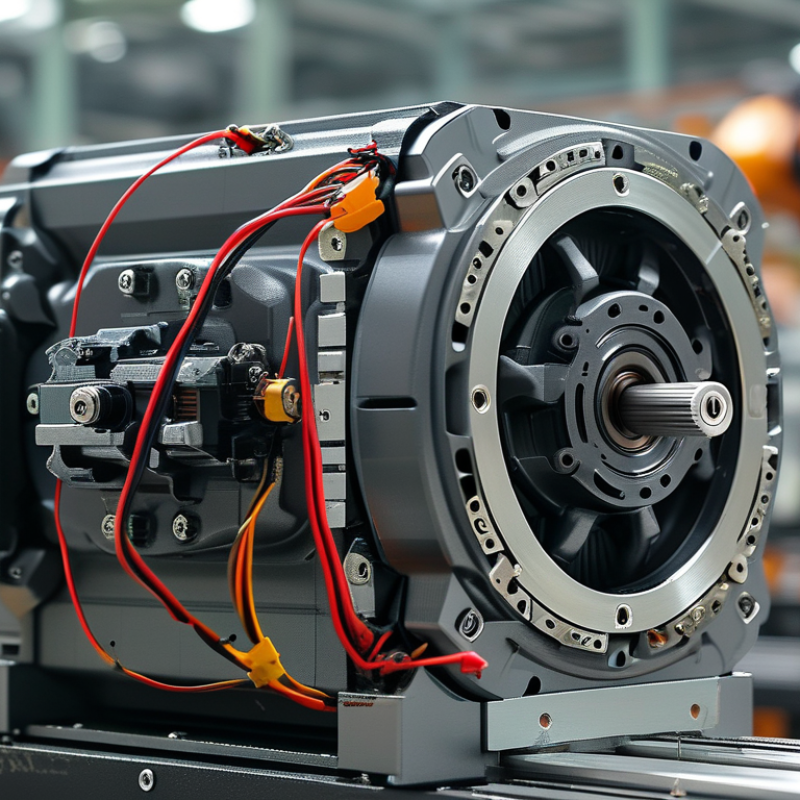
Servo motors are essential components in various automation projects. Understanding their functionality is crucial for making informed decisions. These motors convert electrical energy into precise mechanical movement. They operate based on feedback control, allowing precise positioning. The core parts include a motor, a gear system, and a control circuit.
When selecting a servo motor, consider torque and speed ratings. Torque indicates the motor's strength. Speed affects how quickly it can move to a desired position. It's vital to choose a motor that matches your project's requirements. For example, a CNC machine may need a high-torque motor for cutting metal.
However, finding the perfect servo motor can be challenging. You may face compatibility issues with your control systems. Additionally, some motors might not perform as expected under load. It's essential to test your choices under real conditions before finalizing. This hands-on approach can save you time and resources. Always be ready to adapt, as your project's needs may evolve.
Servo Motor Types and Their Torque Ratings
Identifying Your Project Requirements and Specifications
When choosing a servo motor, it’s essential to identify your project’s specific requirements. Start by determining the necessary torque. This ensures the motor can handle the load without excessive strain. A servo motor that operates well under your load can maintain a long lifespan. Measure your project’s dimensional aspects too. The physical size of the motor must fit within your design constraints.
Next, consider the speed needed for your application. Speed affects the overall performance. A mismatch can lead to delays or precise failures in operation. Think about the resolution as well. The precision required by your project influences the type of servo motor that suits your needs. Some applications need finer control than others.
Lastly, don’t overlook your budget and energy efficiency. It’s easy to get drawn into powerful motors without considering costs. Sometimes, over-specifying leads to unnecessary expenses. Reflect on how often you will use the motor. A motor that is too powerful for a simple task can be wasteful. Balancing performance and cost is crucial for a successful project.
Comparing Different Types of Servo Motors Available in the Market
When choosing the right servo motor for your project, understanding the types available is crucial. Servo motors are generally classified into three categories: DC servo motors, AC servo motors, and stepper motors. Each type has its strengths and weaknesses. DC servo motors are great for applications requiring high speed. However, they may not provide the necessary torque for heavier loads. AC servo motors deliver excellent precision and are often used in industrial settings, but they can be more expensive. Stepper motors are cost-effective and ideal for simple tasks, although they may lack the smooth motion of other types.
Tips: Always assess the required torque and speed for your application. Don't overlook the environment where the motor will operate. A motor that works well indoors might not last long outdoors. Pay attention to heating; excessive heat can reduce motor lifespan greatly.
Project requirements can sometimes change over time. It’s essential to choose a motor that allows for flexibility. Don’t be swayed solely by price; consider quality and longevity. It’s a common mistake to choose based on what’s cheaper. High initial costs may save money in the long run.
Evaluating Key Features and Performance Metrics of Servo Motors
Selecting the right servo motor for your project requires careful evaluation of key features. Torque and speed ratings are essential metrics to consider. A typical servo motor may offer between 5 to 20 Nm of torque, which is crucial for applications like robotics or automation. Understanding your project’s specific torque requirements can prevent mechanical failures or inefficiencies. For instance, a motor with insufficient torque may fail to perform under load, leading to increased wear and potential operational downtime.
Another critical performance metric is the response time of the servo motor. Response times can vary significantly, often ranging from 5 to 20 milliseconds. This variation can impact the precision and speed of your system. Using data from industry reports, professionals recommend a response time of less than 10 milliseconds for high-speed applications. Additionally, evaluating feedback mechanisms is vital. Many servo motors now include advanced feedback systems that provide real-time data, enhancing accuracy and control.
Lastly, it's essential to consider environmental factors. Temperature ranges and resistance to moisture or dust can affect motor performance. Many servo motors are rated for use in harsh conditions, but this may come at a higher cost. Therefore, balancing environmental requirements with budget constraints is often a challenge. Reflecting on these factors will inevitably lead you to contemplate the best fit for your application.
Making an Informed Decision Based on Budget and Availability
When selecting a servo motor for your project, budget and availability are crucial factors. Research indicates that servo systems can range from a few dollars to several thousand based on specifications. Understanding these costs can help narrow down choices. Many industry studies highlight that budget constraints often lead to compromised component selection, which can impact overall system performance.
Tips: Always consider the long-term costs. A cheaper motor might lead to higher maintenance and energy expenses later.
Availability also plays a significant role. According to the Robotics Industries Association, supply chain issues have affected many electronics components, including servo motors. If your project has tight deadlines, prioritize motors that are readily available from multiple suppliers.
Tips: Build relationships with multiple vendors to monitor stock levels and lead times.
Analyze your project’s specific needs. Underestimating torque or oversizing a motor can lead to inefficiencies and wasted resources. Reflecting on these aspects during the selection can ensure a smoother development process.