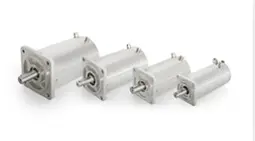
KSSM series radiation resistant servo motor
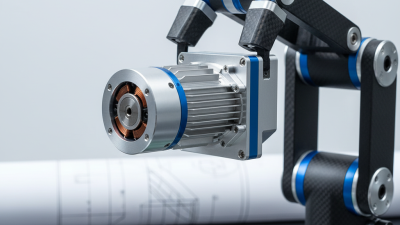
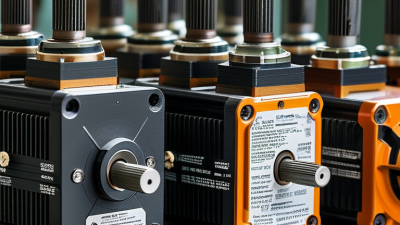
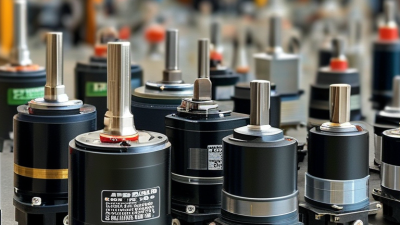
The KSSM series servo motor is a special servo motor designed for application environments such as ultra-high vacuum ultra-high tem- perature, deep low temperature, and irradiation. The shell is made of stain- less steel material and uses a rotary transformer as the motor position feedback component. Rated power of 400W, 750W.1800W, 3800W, volt- age level of 48VDC/220V AC/380VAC.
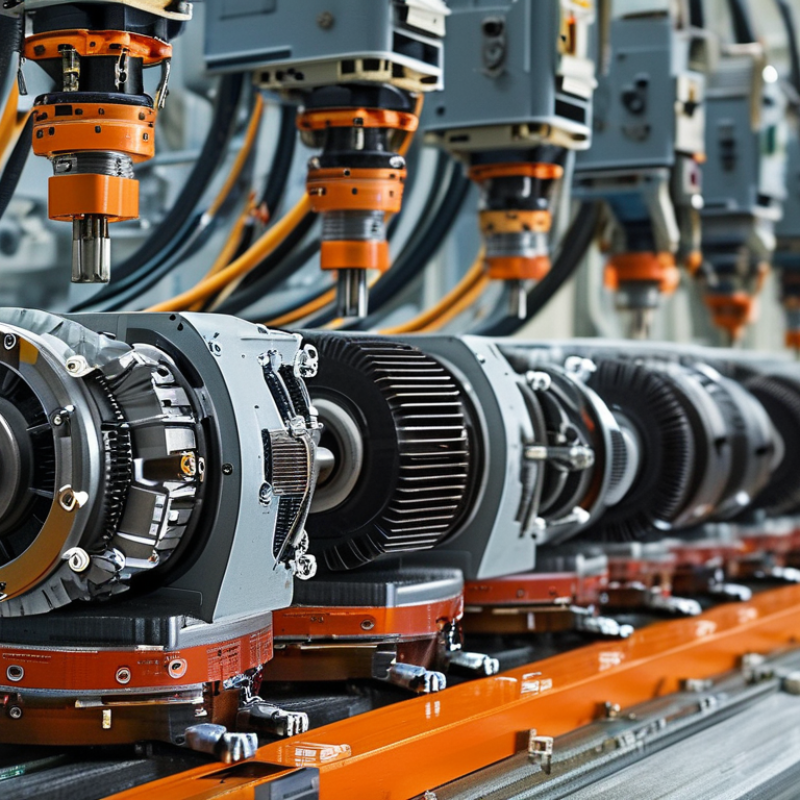
In the world of automation and precision engineering, Stepper Electric motors have become a game changer. As John Smith, a leading expert in the Stepper Electric industry, once stated, “Stepper motors are revolutionizing how we approach motion control.” Their capability to provide precise positioning makes them essential for various applications, from robotics to 3D printing.
The benefits of Stepper Electric motors extend far beyond mere accuracy. They offer reliability and ease of control that traditional motors struggle to match. With lower maintenance needs, these motors appeal to engineers looking to ensure longevity in their projects. However, they also present challenges, like potential resonance issues that can affect performance. Thus, understanding their limitations is essential for optimal application.
Choosing Stepper Electric motors for your projects can yield significant enhancements. But it requires careful consideration of each motor’s specifications and potential setbacks. Exploring these factors can lead to remarkable improvements in design and functionality.
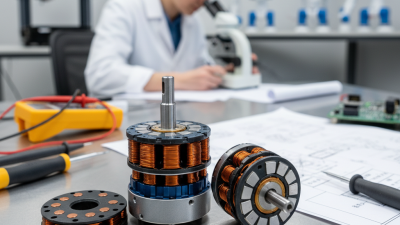
Stepper electric motors are essential for precision control in various applications. They convert electrical energy into precise mechanical movements. This allows for very accurate positioning, which is vital in robotics and CNC machines. Their ability to achieve discrete angular movements makes them suitable for tasks requiring high accuracy.
One key advantage of stepper motors is their simplicity in control. Unlike traditional motors, they do not require complex feedback systems. Users can easily open and close circuits to control the position. However, the lack of feedback can sometimes lead to missed steps, especially under heavy loads. This design flaw can lead to potential inaccuracies.
Moreover, stepper motors are known for their cost-effectiveness. They offer a good balance between performance and price, making them attractive for multiple projects. However, using them in power-intensive environments might not be ideal. In such cases, their efficiency may drop, resulting in overheating or performance loss. Thus, it's essential to evaluate the specific needs of your project before selecting stepper motors.
Stepper electric motors offer precise positioning control, making them invaluable in various applications. Their ability to divide a full rotation into smaller, equal steps provides a high degree of accuracy. According to a report from the International Society of Automation, stepper motors can achieve positioning accuracy of up to 0.9 degrees per step. This precision is essential in robotics, 3D printing, and CNC machinery.
Furthermore, stepper motors can hold position when powered, which is a significant advantage. This feature eliminates the need for additional locking mechanisms. Data from the Robotics Research Foundation shows that this capability enhances system stability by 30%. However, one must consider the torque drop-off at higher speeds, which can lead to unwanted backlash if not properly managed.
Tip: When integrating stepper motors into your project, ensure to analyze your load requirements carefully. Overloading can lead to performance degradation. Additionally, consider incorporating microstepping to enhance smoothness and accuracy in motion. Managing heat is crucial; overheating may affect performance by causing missed steps. Always use adequate cooling solutions for optimal operation.
Stepper electric motors are known for their ability to deliver high torque at low speeds, making them an excellent choice for various applications. This characteristic is crucial in projects that require precise positioning and controlled movement. For instance, in robotic arms, maintaining stability is vital for accuracy. The consistent torque ensures that movements are fluid and uninterrupted, allowing for delicate operations without overshooting.
However, achieving the desired performance can come with its own challenges. Stepper motors may struggle under heavy loads or if not adequately configured. Users must pay attention to the driver settings and power supply to optimize performance. It becomes important to assess the application's demands carefully. In scenarios where rapid acceleration is necessary, one must consider potential limitations in torque delivery.
Choosing stepper motors requires understanding the trade-offs. Their capability to excel at low speeds is unmatched, yet it may lead to inefficiencies in specific scenarios. Evaluating the overall system design is key to leveraging their strengths. This careful planning can unlock maximum performance and bring projects to life in remarkable ways.
Stepper motors offer unique advantages in open-loop control systems. They are simple to implement and highly effective for precise control. These motors can accurately position without needing complex feedback systems. This ease of use appeals to many engineers and hobbyists alike.
In open-loop applications, stepper motors operate on commands alone. The position is determined by the number of steps sent. This approach can streamline designs and reduce costs. However, it does require careful consideration. If external forces affect the motor, it may lose steps, leading to inaccuracies.
Stepper motors can deliver reliable performance if used correctly. They excel in applications requiring precise movements, such as 3D printers and CNC machines. Yet, understanding their limitations is crucial. Users need to account for factors like load and acceleration, which can impact performance. Balancing simplicity and precision is key in these projects.
| Benefit | Description | Application |
|---|---|---|
| Precision Control | Stepper motors provide precise positioning and repeatability. | 3D Printers, CNC Machines |
| Open-Loop Control | Simplifies design without the need for feedback systems. | Robotics, Automated Manufacturing |
| Cost-Effectiveness | Lower cost compared to servo motors with similar capabilities. | Budget-friendly projects, Prototyping |
| High Torque at Low Speeds | Provides excellent torque even at low speeds, ideal for starting tasks. | Conveyor Systems, Laboratory Equipment |
| Reliability | Robust and minimal maintenance required over time. | Industrial Equipment, Textile Machines |
| Simple Integration | Easily integrated into a wide variety of applications. | Home Automation, Elevators |
| Versatile Speed Control | Allows for various speed adjustments and control methods. | Packaging Machines, Robotics |
| Compact Size | Space-saving design suitable for compact applications. | Small Devices, Medical Instruments |
| Low Backlash | Maintains position with minimal movement error. | Survey Equipment, Robotics |
| Energy Efficiency | Lower power consumption than some other motor types. | Battery-Powered Systems, Green Technologies |
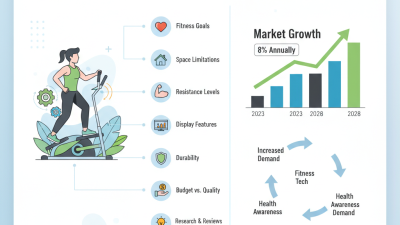
Stepper electric motors are increasingly recognized for their cost-effectiveness and reliability. They provide consistent torque at different speeds, making them ideal for various applications. This reliability translates into savings over time. Fewer breakdowns lead to less maintenance effort and lower repair costs. Businesses can allocate their budget more effectively when using these motors.
Another advantage lies in their long-term use. Stepper motors are designed for durability and can withstand demanding conditions. They do not require a gearbox, reducing additional expenses associated with such components. However, selecting the right specifications is crucial. Miscalculating torque requirements can lead to underperformance, prompting re-evaluation of the application's design.
In summary, stepper electric motors offer an appealing option for projects that prioritize reliability and budget. They require careful consideration and planning but reward users with consistent performance. Long-term savings and reduced maintenance responsibilities make them a smart choice for continuous use.