
2026 Top Vacuum Servo Motor Types for Global Buyers?
What Vacuum Servo Motors Are and Why Their Design Matters in 2026
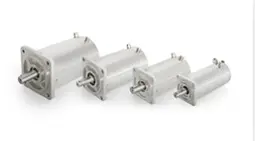
Vacuum servo motors provide accurate motion inside low-pressure chambers. They control wafer stages, inspection platforms, robotic arms, and precision positioning systems. Unlike standard motors, they must limit outgassing, heat release, particles, and electrical arcing. Their design affects cleanliness, positioning accuracy, service life, and process stability.
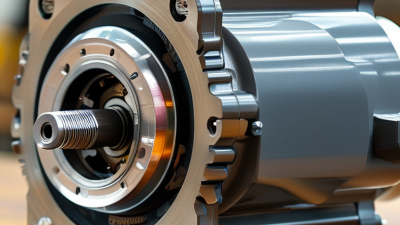
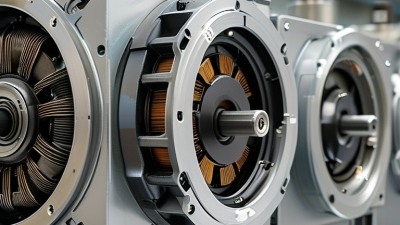
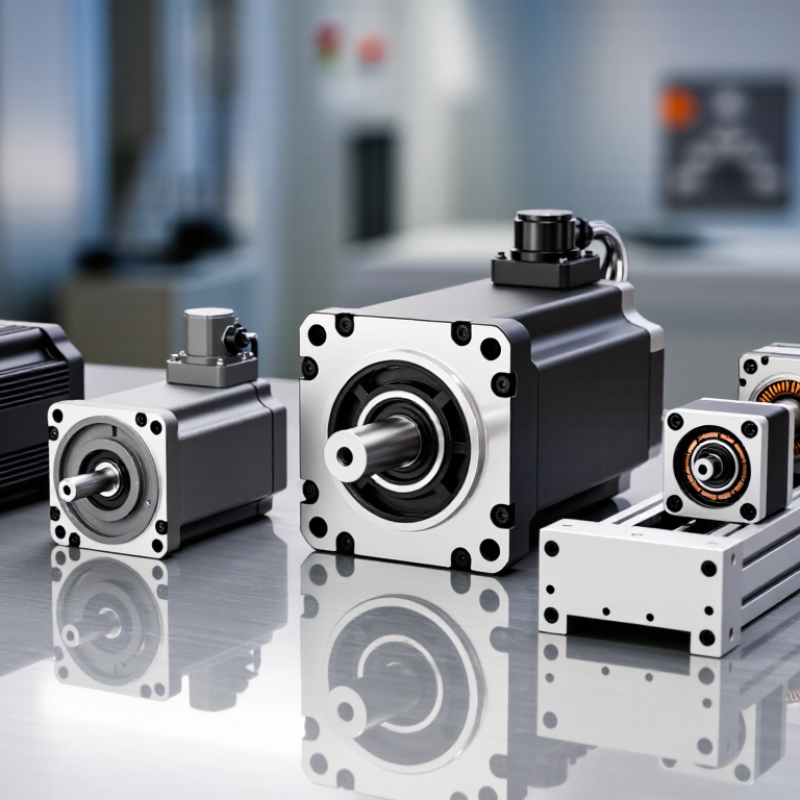
Common choices include brushless DC, AC synchronous, and frameless torque motors. Brushless designs offer compact control and strong dynamic response. AC synchronous motors suit demanding continuous motion. Frameless motors reduce mechanical space and integrate directly into equipment.
The International Federation of Robotics reported 541,302 industrial robots were installed globally in 2023. This growth increases demand for reliable motion components in controlled manufacturing environments. SEMI also continues to report major investment in semiconductor production capacity, where vacuum motion accuracy remains critical.
In 2026, buyers should evaluate the complete motor system, including feedback sensors, drive compatibility, thermal paths, and emergency recovery behavior. A smaller motor may save chamber space but create thermal limits. Higher torque may improve motion, yet increase heat and settling time. There is no universal best type. Actual chamber testing remains necessary, and even experienced engineers can underestimate cable-generated particles.