Top 5 Vacuum Servo Motor Benefits for Global Buyers?
The Vacuum Servo Motor has become a key component in various industries. Buyers globally are increasingly recognizing its unique advantages. This motor offers precision control, which is critical for applications requiring high accuracy. Its efficiency can significantly reduce energy consumption, leading to cost savings over time.
Moreover, the compact design of the Vacuum Servo Motor allows for easy integration into existing systems. This adaptability makes it appealing to a wide range of buyers. However, not all motors are created equal. It is essential to consider quality and reliability when making a purchase. Users should reflect on their specific needs and how these motors can meet those requirements.
As the market evolves, staying informed about the latest developments in Vacuum Servo Motors is crucial. Buyers should engage with experienced suppliers and manufacturers. This will ensure they make informed decisions. Ultimately, the right choice can enhance operational performance and lead to significant improvements in productivity.
Understanding Vacuum Servo Motors: An Overview
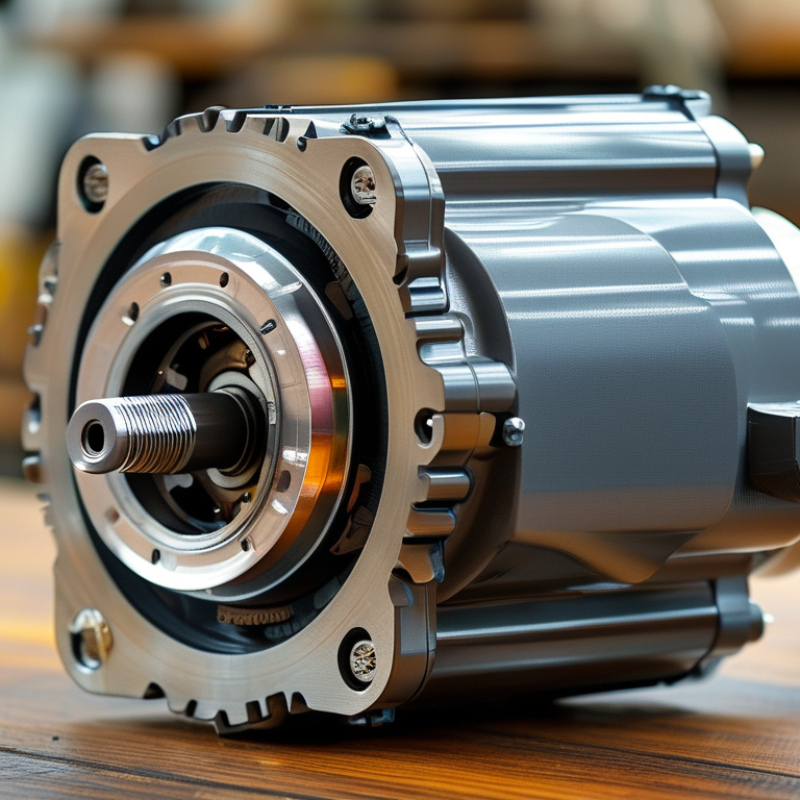
Vacuum servo motors are gaining popularity in various industries due to their unique advantages. These motors utilize vacuum pressure to create motion, allowing for precision control and high responsiveness. According to a recent industry report, the global market for vacuum servo motors is expected to reach $2 billion by 2025, growing at a CAGR of 6.5%. This growth reflects the increasing demand for automation and enhanced efficiency in manufacturing processes.
The construction of vacuum servo motors contributes significantly to their reliability. Their robust design minimizes failure rates, which is crucial in high-demand environments. Moreover, their ability to operate in environments with limited space makes them a preferred choice for many applications. They can ensure smooth operation without compromising on performance, even in challenging conditions.
While vacuum servo motors offer compelling benefits, there are challenges to consider. The initial setup can be complex, requiring skilled technicians for optimized integration. Additionally, maintenance practices are critical. Failing to adhere to recommended maintenance can lead to performance dips. Companies need to reflect on these aspects before transitioning to vacuum servo technology. This assessment is necessary for maximizing return on investment in the long term.
Top 5 Benefits of Vacuum Servo Motors for Global Buyers
Key Benefits of Vacuum Servo Motors for Industrial Applications
Vacuum servo motors play a crucial role in various industrial applications. They offer precision control in automation processes. The global vacuum servo motor market is expected to reach USD 5 billion by 2025, reflecting a robust demand. A significant benefit lies in their efficiency. Studies show that these motors can reduce energy consumption by up to 30%. This efficiency translates into lower operational costs, appealing to many manufacturers.
Another advantage of vacuum servo motors is their reliability. They are designed to operate in harsh environments. With an expected lifespan of over 20,000 hours, maintenance requirements are minimized. This reliability is essential for industries where downtime can cost thousands. Furthermore, the motors provide enhanced performance. They achieve quick response times, crucial for applications requiring rapid adjustments.
Despite the benefits, challenges do exist. Not all users may understand the technology fully. This uncertainty can lead to underutilization. Users must invest time in training and understanding motor capabilities. Better awareness could maximize operational advantages. Additionally, costs associated with high-quality components can be a concern. However, the long-term savings often justify the initial investment.
Cost Efficiency: How Vacuum Servo Motors Save Money for Buyers
Vacuum servo motors stand out as a cost-effective solution for various industries. According to a recent report by the International Society of Automation, employing vacuum servo motors can reduce overall operational costs by up to 20%. This remarkable saving stems from their efficiency and reduced energy consumption. They utilize less power while providing the same, if not enhanced, performance levels compared to traditional motors.
Another key advantage is their maintenance requirements. Vacuum servo motors typically involve fewer moving parts, resulting in lower wear and tear. The American Society of Mechanical Engineers highlights that companies have reported a decrease in maintenance costs by nearly 30% after switching to these advanced motors. This not only cuts expenses but also minimizes downtime during repairs, offering a smoother operational flow.
While the initial investment can seem high, the long-term savings are substantial. Businesses may initially struggle with the upfront costs, but the return on investment often justifies the expenditure. Their reliability and efficiency ultimately lead to significant financial benefits over time. Thus, understanding these dynamics is crucial for buyers aiming to make informed decisions in the ever-evolving industrial landscape.
Enhanced Precision: The Importance of Accuracy in Vacuum Servo Motors
Precision plays a crucial role in the effectiveness of vacuum servo motors. These devices are designed to deliver exact movements and positioning. According to a report by the International Society of Automation, precision is vital in applications where even slight deviations can lead to significant operational inefficiencies. In automated systems, every millimeter matters.
The enhanced accuracy of vacuum servo motors can reduce production errors by nearly 30%. This reduction translates into substantial cost savings for manufacturers. Additionally, precise control enhances the quality of finished products, which influence customer satisfaction. When systems fail to perform accurately, it often leads to rework and increased waste, raising overall production costs.
However, achieving this high level of precision requires ongoing efforts. Not all vacuum servo motors meet the same quality standards. Variability in manufacturing processes can impact performance. Pursuing exceptional accuracy often means continuous testing and calibration. This can be resource-intensive but is necessary for maintaining optimal operational standards. Companies must weigh the costs of maintaining precision against the risks of inaccuracies.
Environmental Impact: The Sustainable Advantage of Vacuum Servo Motors
Vacuum servo motors are increasingly recognized for their environmental advantages. Their efficiency in energy consumption can lead to significant reductions in carbon footprints. According to a report by the International Energy Agency, the shift to high-efficiency motors, including vacuum servo types, has the potential to save up to 30% of energy in industrial applications. This transition not only lowers costs but also supports sustainability goals globally.
The manufacturing process of vacuum servo motors tends to use fewer raw materials than traditional motors. This reduces waste and promotes recycling, aligning with circular economy principles. The durability of these motors further contributes to sustainability, as they require less frequent replacement. It's essential to highlight that while vacuum servo motors are more efficient, initial cost considerations can pose challenges for buyers.
Tips: Consider the long-term energy savings when evaluating costs. Look for lifecycle assessments to understand the full environmental impact. Stay updated on industry regulations promoting sustainable practices to make informed decisions. Investing in vacuum servo technology could enhance both operational efficiency and environmental responsibility.