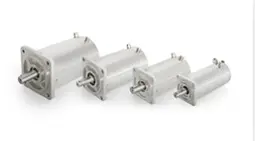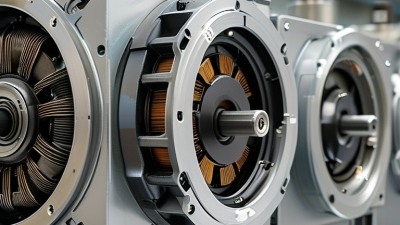
KSSM series radiation resistant servo motor
The KSSM series servo motor is a special servo motor designed for application environments such as ultra-high vacuum ultra-high tem- perature, deep low temperature, and irradiation. The shell is made of stain- less steel material and uses a rotary transformer as the motor position feedback component. Rated power of 400W, 750W.1800W, 3800W, volt- age level of 48VDC/220V AC/380VAC.
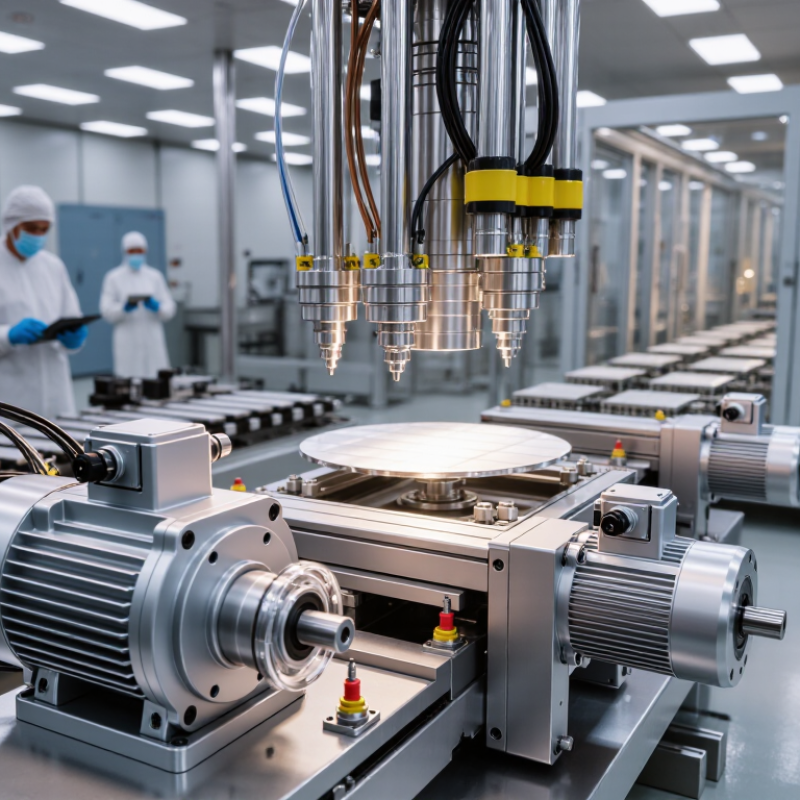
The 2026 global market for Vacuum Servo Motor systems is becoming more specialized, not merely larger. Semiconductor fabs, wafer handling tools, flat-panel production lines, and laboratory automation now demand motion without lubrication, particle shedding, or unstable torque. SEMI’s World Fab Forecast reported continued multi-year investment in semiconductor manufacturing capacity, while the International Federation of Robotics recorded 541,302 industrial robot installations worldwide in 2023. These figures indicate stronger demand for clean, repeatable motion platforms.
But market size alone cannot identify the right supplier. A servo motor may survive in a cleanroom yet fail near a high-vacuum chamber. Seal design, outgassing performance, encoder stability, thermal transfer, cable routing, and service response matter more than a glossy specification sheet. Dr. John F. O’Hanlon, author of A User’s Guide to Vacuum Technology, stated, “There is no such thing as a perfect vacuum.” That practical warning remains highly relevant to motor selection.
This supplier overview examines companies serving demanding vacuum applications in 2026. It considers engineering depth, product customization, testing evidence, regional support, and long-term reliability. Data from SEMI, IFR, and established industrial automation reports provides market context, but rankings still require judgment. No supplier is ideal for every chamber, stroke, or duty cycle. Real installations can expose weaknesses that catalogs hide. The best choice may depend on a small detail, such as encoder behavior after repeated thermal cycles. That detail can decide production stability.
A vacuum servo motor is a precision motor designed to operate inside a controlled vacuum chamber. It converts electrical commands into accurate rotary or linear movement. Unlike standard motors, it must limit outgassing, contamination, and heat release. Special insulation, sealed construction, and vacuum-compatible lubricants support stable operation. Some models use ceramic bearings or carefully selected metal components.
These motors are used in semiconductor equipment, wafer handling systems, vacuum robots, electron microscopes, and space simulation chambers. They can position a stage within tiny distances while maintaining repeatable speed and torque. Feedback devices, such as encoders, report shaft position to the controller.
This allows engineers to correct motion quickly. However, cooling is difficult in vacuum because air cannot carry heat away. The design is not flawless. Engineers must balance acceleration, cleanliness, service life, and thermal limits.
Tips: Check the chamber pressure range, allowable outgassing rate, cable materials, and encoder compatibility before selection. Confirm whether the motor needs brakes or a separate cooling path. Maintenance teams should watch for rising temperature, position drift, and unusual vibration. These signs may appear before a complete failure. In practice, a motor that performs well on a test bench may behave differently after repeated vacuum cycles. Testing under real operating conditions remains essential.
When evaluating vacuum servo motor suppliers for 2026, published torque is only one data point. The International Federation of Robotics recorded 541,302 industrial robot installations in 2023. That scale increases demand for precise, contamination-controlled motion systems.
Check the operating envelope carefully. Ask for continuous torque at vacuum temperature, speed stability, encoder resolution, bake-out limits, and allowable pressure range. A supplier should provide outgassing results, particle data, insulation resistance, and documented life testing. ISO 14644-1 offers a useful framework for cleanroom classification, but it does not prove motor suitability. The test chamber matters.
Traceability separates experienced suppliers from capable-looking sellers. Review serial-level inspection records, calibration methods, failure analysis, and change-control procedures. Request evidence from independent laboratories when possible. MarketsandMarkets and other industrial reports project continued growth in automation, yet their market estimates vary widely. Treat forecasts as context, not purchasing evidence.
Service capability deserves equal attention. Can engineers analyze vibration data remotely? Are replacement encoders available for several years? Does the supplier understand thermal conduction through a vacuum flange? These questions expose practical knowledge. Specifications can mislead. I would also challenge unusually high lifetime claims unless duty cycles, load profiles, and test conditions are clearly stated. A lower-cost motor may become expensive after one failed chamber run.
Leading vacuum servo motor suppliers worldwide in 2026 are serving semiconductor, laboratory, inspection, and precision automation markets. Their products must operate reliably inside vacuum chambers, where heat removal becomes difficult and material outgassing can damage sensitive processes. Experienced suppliers usually provide motors with vacuum-rated insulation, low-particle construction, and carefully selected lubricants. Some systems operate below 10⁻⁶ mbar, so small design flaws can become expensive failures.
Practical supplier evaluation should include test data, traceable production records, and responsive engineering support. Ask for torque curves at operating temperature, encoder accuracy, bake-out limits, and expected service life. A supplier should explain how its motor handles radiation, rapid acceleration, and repeated chamber cycling.
Not every published figure reflects real installation conditions. That deserves scrutiny. Installation experience also matters. Cable routing, connector sealing, and thermal paths often influence performance more than the motor label.
Reliable suppliers will discuss these details without hiding limitations. They may also provide customization for flange patterns, shaft dimensions, feedback systems, and controller compatibility. Local technical support can shorten downtime when a chamber stops unexpectedly. However, global coverage does not guarantee equal service quality everywhere. Buyers should verify regional inventory, response times, and documentation before signing contracts. A careful comparison usually reveals the strongest supplier for the application, not merely the lowest quoted price.
Selecting vacuum servo motor suppliers in 2026 requires more than comparing rated torque. Engineers should examine motor construction, feedback technology, thermal behavior, and service capability. Vacuum-compatible motors often use low-outgassing insulation, sealed bearings, and materials tested for pressure changes. These details matter inside semiconductor, medical, aerospace, and laboratory equipment.
A practical comparison starts with operating pressure, temperature range, speed, and continuous torque. Encoder resolution affects positioning accuracy, while resolver systems may offer stronger resistance to radiation and electrical noise. Some motors use water cooling for high-duty cycles; others depend on conductive housing paths. Check acceleration curves, cable materials, flange dimensions, and allowable bakeout temperatures. A specification sheet can look impressive, but test conditions may differ.
Application needs should guide supplier evaluation. Wafer handling may demand rapid settling and extremely clean materials. Space simulation equipment may prioritize radiation tolerance and low maintenance. Precision optics often need quiet motion, minimal vibration, and repeatable micron-level positioning. Engineers should request test reports, vacuum chamber data, calibration records, and replacement timelines. I have found that published performance values rarely explain every installation constraint. That gap deserves careful questioning. No comparison is perfect. Procurement teams should also inspect technical support, documentation quality, and regional repair access before approving a motor for continuous operation.
2026 Top Vacuum Servo Motor Suppliers Worldwide
How to Select the Right Vacuum Servo Motor Supplier
Choosing a vacuum servo motor supplier requires more than comparing torque and price. The International Federation of Robotics reported 541,302 industrial robots installed worldwide in 2023. This figure shows the scale of modern automation, but vacuum applications demand stricter control. Ask suppliers for vacuum-rated torque curves, outgassing data, encoder accuracy, thermal limits, and tested operating pressure. A standard motor may work briefly, then fail under heat, radiation, or repeated cycling.
Supplier experience matters. Review projects involving semiconductor tools, inspection systems, or space-related equipment. Request traceability records, failure analysis, and lifecycle-test results. SEMI’s World Fab Forecast continues to track capacity expansion through 2026, increasing demand for clean, reliable motion components. A supplier should explain how its motor supports cleanroom requirements, maintenance intervals, and integration with your controller. Do not accept vague claims. Evidence is more useful than polished language.
Tips: Compare complete system cost, not motor price alone. Check lead times, spare-unit plans, and local technical support. Run a sample motor through your real vacuum cycle before approval. It may expose unexpected heating or cable stress. I would also question unusually perfect test results; real engineering usually includes limits, exceptions, and lessons learned. Supplier audits should include production controls, calibration practices, and documented corrective actions.
Vacuum classifications help define the operating environment when evaluating a servo motor supplier. The ranges shown are approximate; boundaries vary by convention. Confirm the supplier’s pressure rating and suitability for your application, including outgassing, thermal performance, and cable or feedthrough requirements.