Why Vehicle Seats Test Matters to Global Buyers?
A vehicle seat is more than a cushion, frame, and adjustment rail. It is a key safety interface between the occupant and the vehicle. The World Health Organization’s Global Status Report on Road Safety 2023 estimates that road crashes cause about 1.19 million deaths annually. This figure makes seat performance a global purchasing concern, not merely a design preference.
The stakes are global. Vehicle Seats Test programs examine seat strength, belt anchorage, head restraint geometry, whiplash protection, and occupant movement during crashes. They may also evaluate vibration, fatigue, corrosion, temperature changes, and repeated adjustment cycles. In the United States, NHTSA crash data and IIHS evaluations show how restraint systems and seat design influence injury outcomes. Euro NCAP’s published protocols also place strong attention on occupant protection and post-crash performance. These independent assessments help buyers compare suppliers using measurable evidence rather than attractive showroom materials.
A reliable supplier should provide traceable test records, calibrated equipment details, sample identification, and clear failure analysis. Small details matter. A loose recliner, uneven foam density, or poorly positioned head restraint can change the result. Comfort is not enough. A seat may feel premium during a five-minute inspection, yet fail after thousands of cycles or a severe crash pulse. Buyers should also recognize the limits of testing. Laboratory conditions cannot reproduce every road, body shape, climate, or seating habit. That distinction matters. Vehicle Seats Test results are valuable evidence, but responsible sourcing still requires audits, field feedback, and continuous design review.
Vehicle Seat Testing: Definition, Scope, and Core Objectives
Why Vehicle Seat Testing Matters to Global Buyers?
Vehicle Seat Testing: Definition, Scope, and Core Objectives
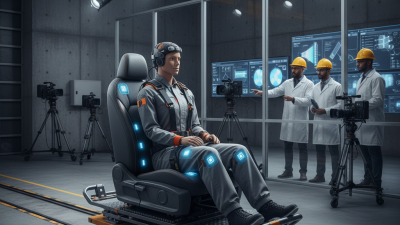
Vehicle seat testing evaluates whether a seat supports occupants before, during, and after a crash. It examines structure, anchorage strength, head restraints, belt integration, durability, and adjustment performance. Dynamic tests use crash sleds, sensors, and anthropomorphic dummies to measure movement, loads, and injury risk. Static tests expose weak frames and mounting points. The scope also includes vibration, temperature changes, repeated adjustments, and corrosion-prone conditions.
The need is substantial. The World Health Organization’s Global Status Report on Road Safety 2023 estimates 1.19 million annual road deaths worldwide. Seat performance cannot prevent every injury, but it influences occupant control and restraint effectiveness. UNECE Regulation No. 17 and FMVSS 207 and 210 define important seat and anchorage requirements. These rules help buyers compare engineering evidence across markets. A test certificate alone is not enough. Manufacturing consistency matters.
Real vehicles are less tidy than laboratories. Occupants vary in height, posture, clothing, and seating habits. A well-designed seat should maintain support when a driver sits too close, reclines too far, or adjusts the cushion repeatedly. That expectation is difficult to measure perfectly. Independent assessment protocols, such as those used in consumer crash testing, add useful evidence beyond minimum compliance. Buyers should request test conditions, sample numbers, failure records, and durability results. Missing details deserve attention. Safety claims need traceable data, not polished language.
Key Safety and Performance Standards for Vehicle Seats
Why Vehicle Seats Test Matters to Global Buyers?
Vehicle seats are safety systems, not simple interior furniture. Their testing shows how they protect occupants during sudden impact, daily use, and long journeys. Global buyers should review dynamic crash results, seat-belt anchorage strength, head-restraint performance, and seat-frame durability. Regional requirements may differ, so compliance evidence must match the destination market.
A reliable evaluation also covers foam resilience, adjustment mechanisms, corrosion resistance, flammability, and repeated loading. In practical testing, technicians inspect damaged joints, measure movement, and record force data from calibrated equipment. Accredited laboratories and traceable test reports improve confidence. However, paperwork alone is not enough. A seat may pass one condition but feel unstable after months of vibration. That gap deserves honest attention.
Tips: Ask for complete test reports, not only certificates. Check test dates, methods, sample conditions, and laboratory credentials. Compare results with the intended vehicle platform. Request durability data for recliners, sliders, and height adjusters. Small details matter.
Comfort is part of performance. Poor support can cause fatigue, even when impact protection is strong. Testers should examine pressure distribution, visibility, posture, and access to controls. I have found that real-use feedback can reveal issues that laboratory measurements miss. No test predicts every road. That is why careful validation, clear records, and continuous review remain essential for responsible global purchasing.
How Seat Tests Evaluate Strength, Comfort, and Durability
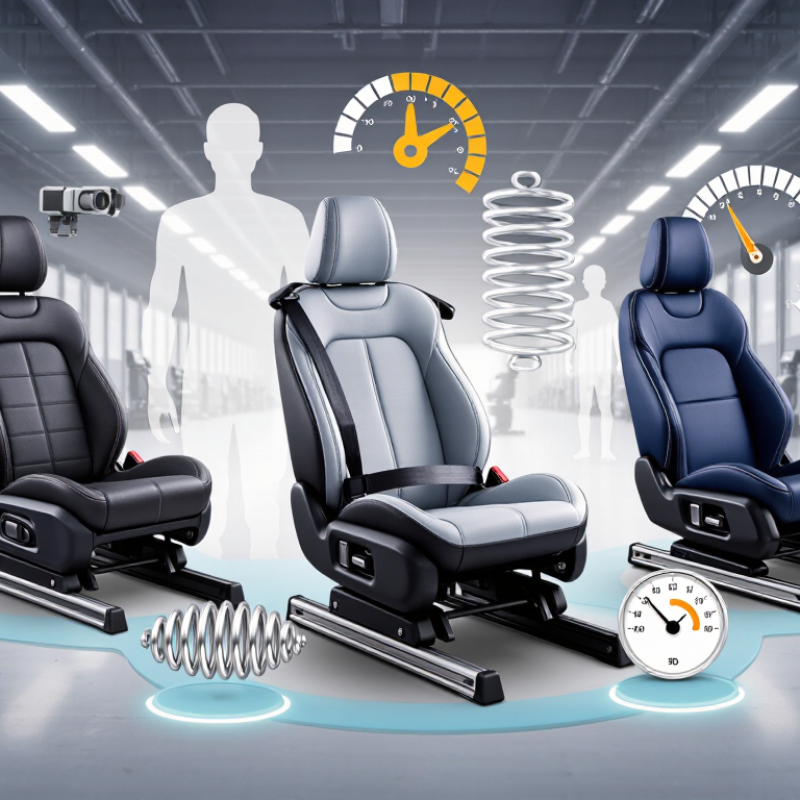
Vehicle seat testing matters because buyers need more than attractive upholstery. They need evidence that a seat performs under real driving conditions. Strength tests apply controlled loads to the frame, recliner, tracks, and anchorage points. Engineers watch for deformation, loose joints, and sudden failure. A seat that feels solid in a showroom may behave differently after repeated use.
Comfort testing measures pressure distribution, posture support, cushion firmness, and vibration. Testers may use pressure mapping while occupants sit for extended periods. They also assess entry, adjustment, and visibility. Comfort is not entirely objective, though. Body size, driving position, and climate can change the result. That is where some test conclusions need careful review. Durability testing adds repeated loading, vibration, temperature changes, humidity, and surface wear. Thousands of adjustment cycles can expose noise, foam collapse, or weakened stitching. Results should match applicable regulations and buyer specifications.
Tips: Ask for test conditions, not only pass statements. Check the applied load, cycle count, temperature range, and measurement method. Compare comfort data with hands-on evaluations. Inspect seams, cushion recovery, and adjustment movement after testing. Small flaws may reveal larger process problems. Reliable suppliers should explain limitations clearly and provide traceable records.
How Test Results Guide Vehicle Buyers and Manufacturers
Seat-test results give global buyers evidence beyond showroom comfort. They reveal how a seat supports the pelvis, chest, neck, and head during sudden impact. NHTSA’s 2022 Traffic Safety Facts reported 26,325 passenger-vehicle occupants killed in the United States. More than half were unrestrained. That figure makes belt geometry, anchor strength, and seating position practical buying concerns, not technical trivia.
Independent test scores also guide manufacturers during design reviews. A weak head-restraint result can trigger changes to foam density, frame stiffness, or adjustment range. UNECE Regulation No. 17 and FMVSS 207 and 210 establish important requirements for seat strength and anchorage performance. Consumer programs add dynamic crash assessments, child-occupant checks, and whiplash evaluations. Buyers can compare these results across markets, while engineers can identify repeated failure patterns.
Comfort still matters. A seat may pass a crash test yet create pressure under the thighs during a long journey. That is where test reports can feel incomplete. Short laboratory pulses cannot reproduce every body shape, posture, or road condition. Buyers should inspect adjustment travel, lumbar support, belt fit, and rear-seat access in person. Manufacturers should combine certified testing with field feedback, because a technically strong seat can remain uncomfortable, confusing, or poorly suited to real families.