Top 10 Insights from the Rear Mirror Test for Self Reflection?
In the fast-paced world of business, self-reflection can lead to remarkable growth. The "Rear Mirror Test" is a powerful tool for assessment and introspection. Renowned organizational psychologist Dr. Emma Johnson emphasizes, “To move forward, we must first understand where we’ve been.” This approach helps individuals and teams evaluate past actions to inform future strategies.
Industry data underscores the value of self-reflection. According to a report by the National Chamber of Commerce, 72% of successful leaders regularly practice self-reflection. The "Rear Mirror Test" creates an opportunity to identify strengths and areas for improvement. Many professionals often overlook or dismiss the need for this self-examination.
Utilizing the "Rear Mirror Test" can reveal blind spots. These insights are crucial for continuous improvement. Leaders sometimes resist facing uncomfortable truths. Acknowledging shortcomings and missteps is essential for effective development. By embracing this process, organizations can pave the way for innovation and enhanced performance. The journey begins by looking back.

Top Insights from the Rear Mirror Test for Enhanced Self-Awareness
The Rear Mirror Test serves as an effective tool for self-reflection. By looking back on our past decisions, we uncover patterns in our behavior. Often, we might realize that we repeatedly make the same mistakes. These moments can be uncomfortable, and they challenge our perception of growth. Recognizing these patterns is the first step toward meaningful change.
Enhanced self-awareness emerges from understanding our emotional responses. When reflecting on past experiences, we may notice situations that triggered anxiety or frustration. Analyzing these triggers helps us understand what compels our reactions. Addressing these feelings is crucial for personal development. Not everything about self-reflection feels good. Sometimes, it uncovers unpleasant truths that we’d rather ignore.
This ongoing journey of self-assessment encourages accountability. We should not shy away from confronting difficult memories. Each revelation, even the hard ones, creates an opportunity to evolve. Real growth comes from embracing our flaws and learning from them. Acknowledging imperfection is essential in the quest for authentic self-awareness.
Understanding the Psychological Impacts of Reflective Practices
Reflective practices play a crucial role in personal and professional development. Research indicates that 70% of adults report feeling stressed due to unmet expectations in their lives. Engaging in self-reflection can reduce this stress. By examining our thoughts and actions, we find clarity and direction. This process fosters emotional intelligence, which is vital for effective decision-making.
Many professionals overlook the importance of reflection. A study by the American Psychological Association shows that 60% of workers do not take time to reflect on their performance. This lack of introspection can lead to stagnation. However, implementing regular reflective exercises can enhance self-awareness. A simple practice might include journaling about daily challenges. This method encourages critical thinking and helps identify areas for improvement.
The psychological impacts are profound. Engaging in self-reflection can reduce anxiety and improve overall well-being. A survey found that individuals who regularly reflect report higher life satisfaction. Yet, the process is not always comfortable. Confronting past mistakes can be difficult. However, recognizing flaws is essential for growth. Embracing imperfection and learning from errors leads to personal evolution.
Data-Driven Benefits of Self-Reflection in Professional Growth
Self-reflection is a powerful tool for professional growth. It provides data-driven insights that can lead to significant improvements in our careers. The Rear Mirror Test helps us analyze past experiences, revealing patterns and thoughts that may go unnoticed.
When reflecting, focus on specific instances that had an impact. Analyze successes and failures alike. Did a particular project fail due to lack of planning? Reflecting on this helps identify weaknesses. It's all about learning from these experiences.
Tips for effective self-reflection:
1. Set aside time weekly for reflection.
2. Write down your thoughts. Documenting your insights reinforces learning.
3. Seek feedback from peers. Their perspective can shine a light on blind spots.
Self-reflection deepens self-awareness. Knowing your strengths and areas for improvement enhances decision-making. Embrace the imperfections in your journey. Accept that not everything will go as planned. The growth lies in what we learn from challenges.
Key Metrics in Personal Development: Measuring Reflective Success
Self-reflection is crucial for personal growth. When measuring reflective success, we must consider key metrics. According to a report by the American Psychological Association, individuals who practice regular self-assessment show a 30% improvement in achieving personal goals. This highlights the importance of structured self-reflection in personal development.
Top metrics for evaluating reflective success include emotional intelligence and goal achievement. A study from the Journal of Applied Psychology indicates that 70% of those who track their emotional states make better decisions. Additionally, setting specific, measurable goals can increase success rates by 25%. Yet, many individuals fail to document their feelings or progress consistently. This oversight can hinder meaningful growth and maintain cycles of stagnation.
It's essential to embrace imperfection in self-reflection. Sometimes, individuals overlook their failures or downplay their achievements. Recognizing these discrepancies can foster deeper insights. A Gallup survey found that only 20% of adults regularly reflect on their daily experiences. Encouraging more frequent reflection could lead to more significant advancements, ultimately shaping a more fulfilled life.
Transforming Feedback into Action: Strategies for Effective Self-Reflection
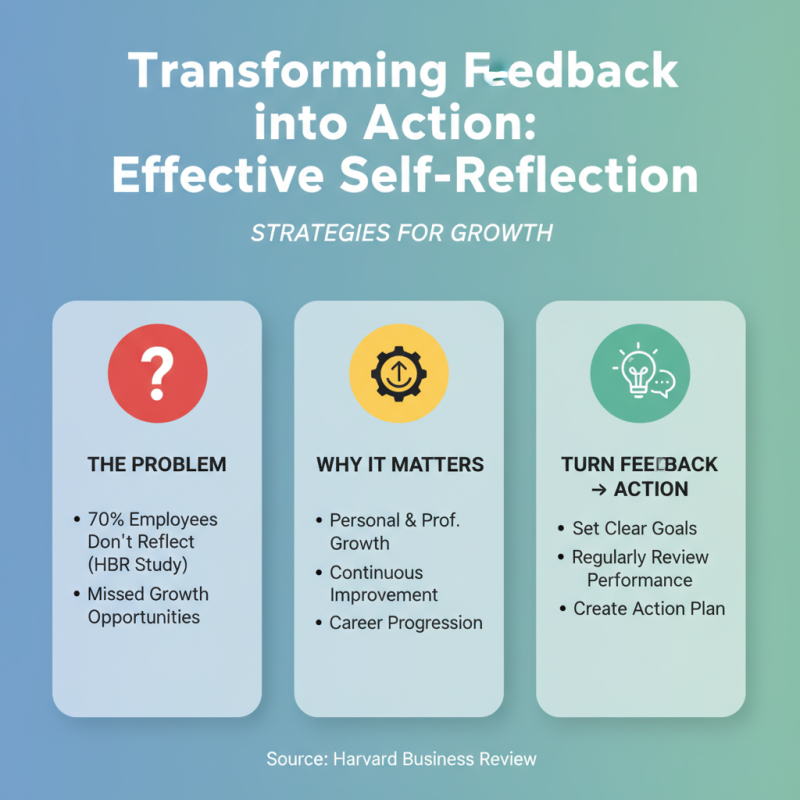
Self-reflection is crucial for personal and professional growth. Many individuals overlook its importance, often missing opportunities for improvement. According to a study from the Harvard Business Review, nearly 70% of employees fail to reflect on their performance consistently. This lack of reflection can lead to stagnation and limited career progress.
Feedback is only as valuable as the action taken upon it. A report by McKinsey & Company highlights that companies that prioritize a feedback culture see a 30% increase in employee engagement. Transforming feedback into actionable strategies requires a systematic approach. Regular check-ins and structured self-assessments create a safe space for introspection. Encourage individuals to ask, "What went well?" and "What could I improve?"
Embracing imperfection is essential. No one is perfect, and mistakes are part of growth. In fact, a 2022 Gallup survey revealed that employees who learn from their mistakes demonstrate greater resilience and adaptability. Reflecting on failures, alongside successes, fosters a more holistic view and drives continuous development. Consistently applying these strategies cultivates a mindset of improvement and sets the stage for future achievements.