Why Is Motor Moving Essential for Modern Manufacturing Success?
In today's fast-paced manufacturing environment, Motor Moving has become a cornerstone of operational efficiency. This concept involves the dynamic movement of motors within various machinery, streamlining processes and enhancing productivity. Companies that prioritize Motor Moving often find themselves at a competitive advantage. They can adapt quickly to market changes, meet customer demands, and optimize resource allocation.
Moreover, Motor Moving plays a crucial role in automation. Advanced motor technologies contribute to precision and reliability. This precision ensures that products meet high-quality standards. However, not all manufacturers fully embrace Motor Moving. Some still rely on outdated practices that hinder potential growth and innovation. These companies risk falling behind in an increasingly competitive landscape.
Embracing Motor Moving is not just a trend but a necessity for sustainable success in manufacturing. Companies must continually assess their motor strategies to stay relevant. Reflecting on current practices can reveal inefficiencies. Adopting modern motor solutions may require investment and training but promises significant returns in the long run.
The Role of Motor Movement in Manufacturing Efficiency
Motor movement plays a pivotal role in modern manufacturing efficiency. It powers machinery, facilitates assembly lines, and enhances productivity. When machines operate smoothly, production speeds increase. This reduces wait times and improves workflow, resulting in a more streamlined process.
Efficient motor movement can greatly reduce energy consumption. Machines that are well-tuned consume less power and minimize waste. This is not just cost-effective but also environmentally friendly. Manufacturers should regularly check the health of their motors to ensure optimal performance. When motors lag, so does production. A breakdown can halt operations entirely, which can be costly.
Here are some tips to improve motor efficiency:
1. Regular maintenance checks can identify issues before they escalate.
2. Upgrade to energy-efficient motors when possible.
3. Train staff on best practices for operating machinery.
Embracing motor movement’s crucial role can significantly affect overall efficiency. However, not all manufacturers prioritize this. Many overlook the significance of even minor adjustments. Reflecting on these processes and making continual improvements is vital.
Types of Motors Used in Modern Manufacturing Processes
Motors play a critical role in modern manufacturing.
They drive machines, assembly lines, and various tools. The types of motors used can greatly impact efficiency and precision.
Electric motors are widely used due to their versatility.
They can provide high torque and speed control. These motors are common in robotics and conveyor systems.
Stepper motors are another key type. They excel in applications requiring precise positioning, like CNC machines. Their ability to move in discrete steps can enhance accuracy.
Pneumatic and hydraulic motors also have their place.
Pneumatic motors use compressed air, making them lightweight and easy to control. Hydraulic motors, on the other hand, deliver high power in a compact design.
However, they can lead to complexities in maintenance and repair.
Each motor type comes with its advantages and drawbacks. Understanding these nuances is essential for optimization.
Manufacturers must choose the right motor to align with their operational goals.
Impact of Motor Movement on Production Speed and Quality
Motor movement plays a vital role in modern manufacturing. It directly affects production speed. When motors operate efficiently, machines can run faster. This accelerates the entire manufacturing process. Faster production means meeting higher demands. It allows companies to deliver products on time.
Quality is another critical factor influenced by motor movement. Consistent motor operation ensures precise manufacturing. This reduces errors and defects in products. However, not all motor systems are perfect. Some might experience delays or malfunctions. These issues can lead to quality concerns. Investing in reliable motor technology is essential.
Manufacturers need to monitor motor performance continuously. This proactive approach can catch potential problems early. Regular maintenance is also necessary. It helps extend the longevity of motor systems. Addressing these challenges can enhance both speed and quality. Ultimately, the effectiveness of motor movement can determine a manufacturing company's success.
Integration of Automation and Robotics in Motor Movement
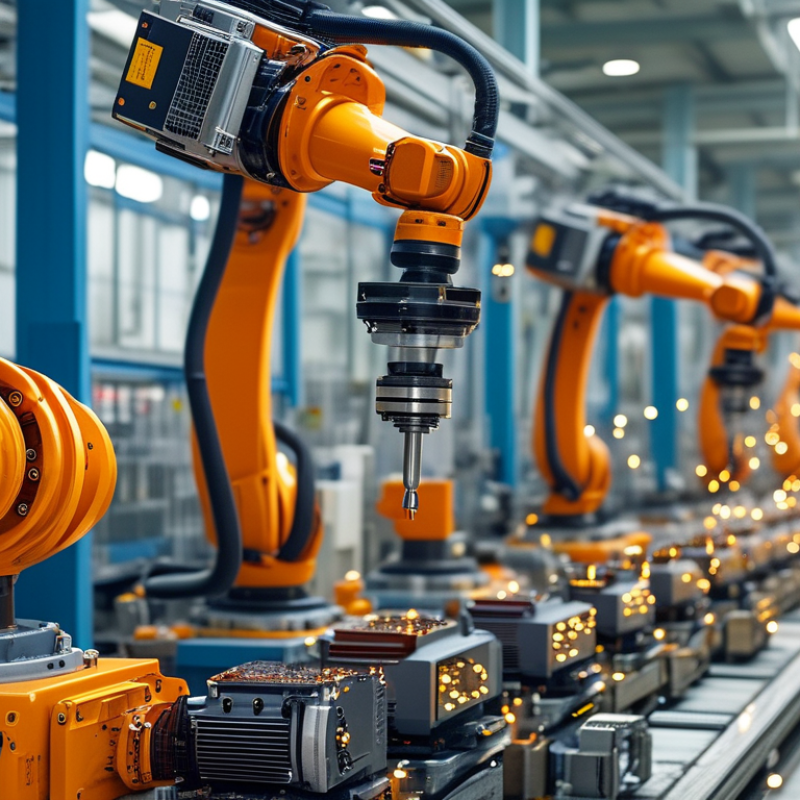
The integration of automation and robotics in motor movement is revolutionizing modern manufacturing. Motors drive precision and efficiency in today's factories. According to a McKinsey report, firms using advanced robotics can boost productivity by 20% to 30%. This leap in efficiency can reshape production lines and inventory management.
However, the shift to automated systems isn't effortless. A recent survey highlighted that 45% of manufacturers face challenges in integrating robotics. Technical expertise and upfront costs are significant barriers. Despite these issues, companies that evolve can access a global market advantage. For instance, smart motors enable real-time data feedback for optimal performance. They support continuous monitoring and process adjustments, aligning with Industry 4.0 standards.
Moreover, the reliance on motor movement demands a re-evaluation of workforce skills. As machine operators transition to monitoring roles, ongoing training is essential. The World Economic Forum predicts the need for over 100 million new skilled workers in the coming decade. Hence, while the future is promising, a reflective approach is crucial for successfully navigating these changes in motor-driven manufacturing landscapes.
Why Is Motor Moving Essential for Modern Manufacturing Success? - Integration of Automation and Robotics in Motor Movement
| Aspect |
Description |
Impact on Manufacturing |
| Motor Efficiency |
High-efficiency motors reduce energy consumption and operational costs. |
Lower production costs enhance competitiveness. |
| Automation |
Integration of motors in automated systems increases production speed and accuracy. |
Increased output and reduced error rates. |
| Robotics |
Robots powered by advanced motors perform repetitive tasks with precision. |
Improved quality and consistency in production. |
| Flexibility |
Modern motors support variable speed and torque for diverse applications. |
Ability to adapt to changing market demands. |
| Maintenance |
Smart motors with diagnostic capabilities reduce downtime. |
Enhanced operational reliability and reduced maintenance costs. |
Future Trends in Motor Technology for Manufacturing Success
Motor technology is evolving rapidly, driving significant changes in modern manufacturing. New trends focus on energy efficiency, smart systems, and automation. These advancements are essential for staying competitive. Manufacturers are increasingly adopting intelligent motors that can communicate data, optimize performance, and reduce downtime.
Tips: Invest in training for your team. Understanding these new technologies is vital for effective integration. Regularly update your machinery to keep pace with innovations.
The push towards sustainable solutions influences motor design. Manufacturers aim for reduced energy consumption while maximizing output. This shift is not without challenges. Adapting existing systems to these technologies can be complex.
Tips: Consider gradual implementation. Test new motors in smaller setups before a full rollout. Review performance data regularly to ensure alignment with your operational goals.
Motor Moving Impact on Manufacturing Efficiency
This chart illustrates the efficiency gain from various types of motors used in modern manufacturing. As industries embrace advanced motor technology, the adoption of precision and servo motors has notably enhanced production efficiency, reflecting their increasing importance in the manufacturing sector.