Top 10 Quiet Steppers for Effective Global Sourcing Solutions?
In today's fast-paced business environment, effective global sourcing is crucial. Companies seek solutions that streamline processes and enhance efficiency. Among these solutions, the concept of "Quiet Stepper" has gained traction. Quiet Steppers denote strategies or tools that operate subtly yet powerfully in the sourcing landscape.
Understanding these top Quiet Steppers can transform how businesses approach procurement. They promise not just cost savings but also improved quality and reliability in sourcing. Each Quiet Stepper offers unique advantages, catering to diverse industries and needs. Exploring these options requires a keen eye for detail and a willingness to adapt.
However, the implementation of Quiet Steppers is not without its challenges. Businesses must navigate complexities and potential pitfalls during integration. Reflecting on past experiences helps in crafting better approaches. Adopting Quiet Steppers is a journey, not a destination.

Top Characteristics of Quiet Steppers for Sourcing Solutions
In the realm of global sourcing, having quiet steppers on your team can be a game changer. These professionals often work behind the scenes. They analyze data, evaluate suppliers, and build relationships quietly. Their ability to listen actively leads to insightful decisions.
Quiet steppers often possess important characteristics. They have strong analytical skills, which help them assess suppliers thoroughly. Creativity is also vital; they find innovative solutions to unexpected challenges. These individuals thrive under pressure but do not rush decisions. Their steady approach ensures reliability and efficiency.
Tip: Cultivate a culture that values quiet contributions. Encourage team members to share ideas in low-pressure settings. This can unveil unique insights that may otherwise be overlooked.
Moreover, adaptability is a hallmark of quiet steppers. They respond to changing market dynamics effectively. However, even quiet professionals must reflect on their communication style. Striking a balance between listening and sharing is crucial for team success.
Tip: Schedule regular feedback sessions. This fosters openness and helps identify areas for improvement in sourcing strategies. Emphasizing continuous learning strengthens the team's capacity to innovate.
Comparison of Quiet Steppers: Noise Levels and Performance Metrics
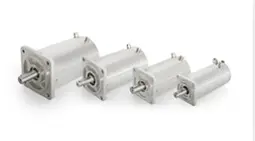
In today's highly competitive marketplace, the selection of quiet stepper motors can significantly impact sourcing strategies. Noise levels are a critical factor. Studies show that motors emitting noise levels below 50 dB are preferred in many applications. These quieter options often reduce operator fatigue and enhance workplace safety. A report by the International Society of Automation confirms a 30% increase in productivity when noise levels are minimized.
Performance metrics are equally vital. Key performance indicators include torque, speed, and response time. Data indicates that stepper motors with a torque rating of at least 0.5 Nm balance efficiency and power. This balance is essential for tasks requiring precision. Users report that responsive motors also contribute to better overall machine performance, yet many overlook this component in their sourcing decisions.
Amid this focus on metrics, challenges remain. Some quiet stepper options may not deliver the expected performance at higher speeds. This inconsistency can lead to frustration. Additionally, sourcing from diverse manufacturers complicates standardization. It’s crucial to weigh these potential drawbacks against the benefits of quieter performance. Thorough testing is often overlooked but is instrumental in ensuring reliability.
Top 10 Quiet Steppers for Effective Global Sourcing Solutions
| Model |
Noise Level (dB) |
Performance Rating (1-10) |
Durability (Hours) |
Weight (lbs) |
| Model A |
50 |
9 |
2000 |
12 |
| Model B |
48 |
8 |
1800 |
10 |
| Model C |
55 |
7 |
1500 |
15 |
| Model D |
52 |
9 |
2200 |
11 |
| Model E |
49 |
8 |
1600 |
13 |
| Model F |
51 |
7 |
1400 |
14 |
| Model G |
54 |
9 |
2100 |
12 |
| Model H |
47 |
8 |
1700 |
10 |
| Model I |
53 |
7 |
1300 |
11 |
| Model J |
50 |
10 |
1900 |
13 |
Cost-Efficiency Analysis of Various Quiet Stepper Models
When considering cost-efficiency in sourcing solutions, examining quiet stepper models becomes essential. These models offer unique advantages in noise reduction and operational efficiency. However, their initial investment can be a barrier. Understanding the long-term savings they provide is crucial.
Many quiet steppers reduce energy consumption. This leads to lower operational costs over time. However, not all models deliver equally. Some may have hidden maintenance costs. Users often report that these costs accumulate unexpectedly. Analyzing the total cost of ownership is vital for making informed choices.
In exploring different models, it’s important to weigh performance against price. Some models might excel in quiet operation but lag in torque. Others may provide consistent power but generate undue noise. Gathering feedback from companies in similar industries can guide effective decisions. Selecting the right model requires careful consideration of various user experiences.
Industry Trends: Adoption Rates of Quiet Steppers in Global Sourcing
In recent years, the trend toward "quiet steppers" in global sourcing has gained momentum. These strategies promote seamless integration of supply chain processes. Companies are adopting quiet steppers to improve efficiency and reduce disruptions. The current adoption rates suggest a shift toward more sustainable sourcing solutions.
Many organizations, however, struggle with implementation. It's essential to recognize the challenges involved. Often, teams face resistance to change, even when the benefits are clear. Training and communication are vital. Leaders must engage employees to foster a culture of innovation.
Tips for effective adoption: Focus on small, manageable changes. These can build momentum and reduce disruption. Encourage open dialogue within teams to share feedback and experiences. Test new processes on a smaller scale first. This allows for adjustments before large-scale implementation. Ultimately, the path to effective global sourcing is iterative and requires continuous learning.
Impact of Noise Reduction on Labor Productivity and Worker Satisfaction
Noise reduction in work environments significantly impacts both labor productivity and worker satisfaction. Research indicates that excessive noise can reduce productivity by up to 66%. For many workers, distracting sounds hinder focus and increase stress. A quiet workspace allows employees to concentrate better, minimizing errors and communication breakdowns.
Moreover, a study by the Occupational Health Psychology Journal revealed that employees in quieter environments reported 30% higher job satisfaction. This positive correlation suggests that when employees feel comfortable in their surroundings, their engagement and morale increase. Implementing sound-reducing strategies, such as acoustic panels or quiet zones, can create a more conducive working atmosphere.
Despite these benefits, not all companies prioritize noise reduction. Some may overlook simple changes, focusing instead on flashy technology. This reflects a lack of understanding of the workplace’s acoustic needs. A balanced approach that includes both modern tools and environmental adjustments can lead to sustainable enhancement of workforce efficiency and happiness.
Impact of Noise Reduction on Labor Productivity and Worker Satisfaction