2026 How to Efficiently Handle Motor Moving for a Smooth Transition?
Efficiently handling motor moving is crucial for a seamless transition, whether for personal relocation or business operations. Motor moving involves not just the act of transporting machinery, but also meticulous planning and execution. This field requires comprehensive knowledge and a careful approach to avoid common pitfalls.
Many people underestimate the complexities of motor moving. It involves multiple aspects such as safety protocols, equipment handling, and logistics management. Effective preparation includes understanding the specific requirements of each motor. Choosing the right tools and methods can make a significant difference.
Mistakes in handling motor moving can lead to damaging consequences. It’s essential to reflect on past experiences, both successes and failures. Learning from these can enhance our approach. A well-planned motor moving strategy not only safeguards the equipment but also ensures a smooth transition overall. Emphasizing reliability and professionalism in these operations is key to achieving desired outcomes.

Understanding the Importance of Efficient Motor Moving Techniques
Efficient motor moving is crucial for smooth transitions in industrial settings. When relocating motors, proper techniques can minimize downtime and prevent damage. Understanding the layout and weight distribution of equipment is key. A well-planned move can save time and reduce costs. Often, teams overlook the importance of pre-move checks. These checks can identify potential issues before they become major problems.
Developing a protocol for moving motors helps ensure safety and efficiency. Training staff on best practices is vital. Many workers may not grasp the nuances of motor handling, which can lead to mistakes. Engaging in hands-on training can foster a better understanding. Moreover, using the right tools for lifting and transport cannot be emphasized enough. However, some teams may assume they need less equipment, which can be risky.
Additionally, communication is essential during the moving process. Team members must coordinate to avoid confusion. Miscommunication often leads to delays and unexpected challenges. While the goal is a seamless transition, it's important to prepare for setbacks. Reflecting on past moves can reveal valuable lessons. Each transition offers insights that can be applied to future projects, enhancing overall efficiency.
Preparing for the Motor Moving Process: Essential Tools and Materials
Preparing for a motor moving process requires careful planning. Collecting essential tools is the first step. You will need it to ensure everything goes smoothly. A sturdy dolly can help transport heavy motors. Having straps is important for securing loads during transport.
Don’t forget to gather materials for protection. Blankets or bubble wrap can prevent scratches. Labeling materials are also crucial. They guide you during the reassembly. If you mislabel, you might face confusion later. It’s vital to organize all components clearly.
Reflect on your previous moving experiences. Did you overlook anything last time? Perhaps there were tools you didn’t have. Write a checklist and review your needs. Making adjustments can save time and frustration. Being meticulous in preparation leads to a more efficient move.
Motor Moving Process Efficiency Analysis
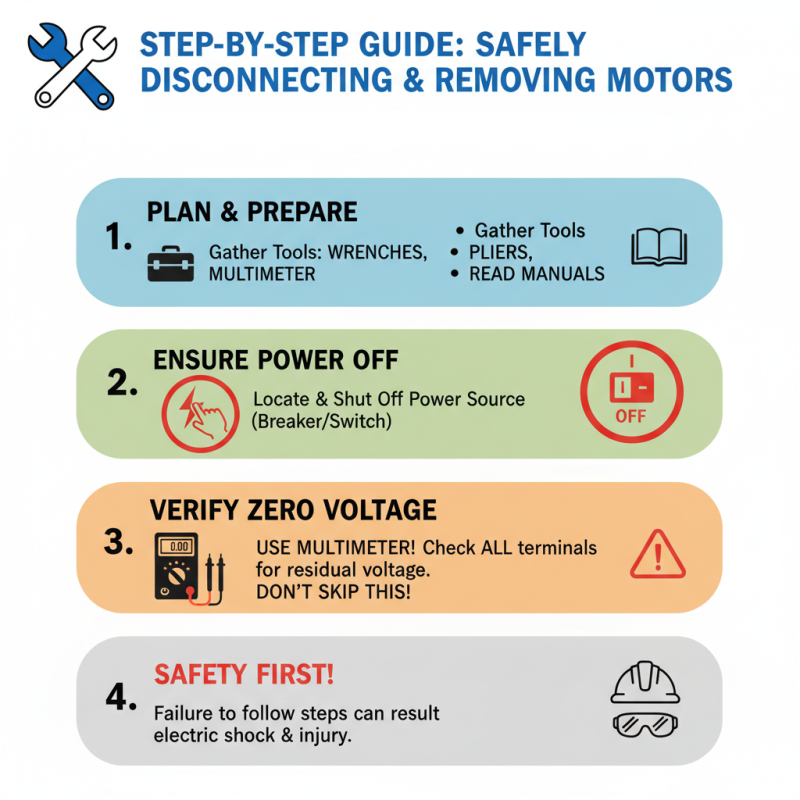
Step-by-Step Guide to Safely Disconnecting and Removing Motors
Disconnecting and removing motors requires careful planning to ensure safety and efficiency. Begin by gathering the necessary tools, such as wrenches, pliers, and a multimeter. Ensure that power sources are completely turned off. Use a multimeter to check for residual voltage, even after disconnecting. This step is often overlooked, leading to potential hazards.
Identify the mounting type of the motor. Motors can be attached through bolts or brackets, and knowing this can simplify removal. Loosen bolts gradually. If bolts are rusted, apply penetrating oil to ease the process. Always support the motor while loosening. Gravity can be unforgiving if the motor were to fall unexpectedly. As you disconnect wiring, label each wire clearly. Losing track of wiring configurations causes delays and confusion during reinstallation.
Once detached, be mindful of storage. Place the motor in a dry area to prevent damage. It’s important to consider that not every motor removal goes as planned. Mistakes can happen. For instance, not fully checking all connections can lead to accidents later. Documenting the process also helps in reflecting on improvements for future tasks.
Transporting Motors: Best Practices for Safe and Secure Movement
Transporting motors requires careful planning and execution. Best practices ensure not only safety but also efficiency. Securely fastening the motor is vital to prevent movement during transit. Use quality straps or chains to hold the motor tightly to the transport vehicle. A stable load reduces the risk of damage and accidents.
Consider the environment when moving your motor. Uneven surfaces can pose risks. Selecting a flat, stable path for transport can improve safety. Additionally, having sufficient manpower is essential. Rushing often leads to mistakes. It's important to communicate clearly with your team during the process to avoid missteps. Small oversights can lead to significant issues later on.
Maintain awareness of your surroundings while transporting. Obstacles may arise unexpectedly. Keeping the area clear reduces potential hazards. It’s also wise to have a contingency plan. If something goes wrong, being prepared can save time and resources. Reflecting on past transport experiences can help improve future efforts. Each move is a learning opportunity.