Tips for Choosing the Right Stepper Motor Rotor for Your Needs?
Choosing the right stepper motor rotor can significantly impact the efficiency of your application. A suitable rotor not only enhances performance but also ensures reliability and longevity. With various types of stepper motor rotors available, it becomes essential to understand their unique characteristics.
When selecting a stepper motor rotor, multiple factors come into play. These include the rotor's material, size, and magnetic properties. Each element influences how the motor behaves under different conditions. A poorly chosen stepper motor rotor might lead to reduced torque or overheating. It's crucial to consider the specific requirements of your project.
Moreover, understanding torque curves and the application environment helps in making an informed decision. Keep in mind that what works well in one scenario may not suit another. A thoughtful approach in evaluating your needs will yield better results in rotor selection. The process might seem overwhelming at times, but forming a clear understanding of each rotor type will guide your choice effectively.
Understanding Stepper Motors: Types and Their Applications
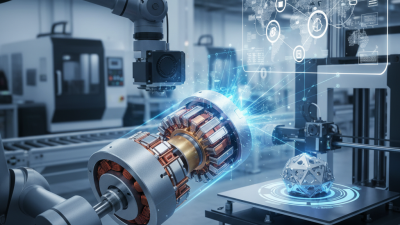
Stepper motors are widely used in various applications, driving precision in industries like robotics and 3D printing. These motors operate through discrete steps, enabling precise control of position and speed. There are several types of stepper motors, each suited for specific tasks. For example, permanent magnet stepper motors are ideal for applications requiring high torque, while variable reluctance motors are better for low-torque scenarios.
When selecting a stepper motor, consider the application carefully. The required torque, speed, and precision dictate the type of stepper motor you need. Some applications may require a specific type of rotor to achieve the desired performance. It's essential to balance these factors, as choosing the wrong rotor can lead to inefficiencies. The complexity of this decision can often be daunting. Furthermore, using motors outside their designed specifications can cause overheating or mechanical failure.
Real-world testing can reveal the nuances of motor behavior that specifications may not cover. Sometimes, ideal conditions do not mirror actual working environments. Observing how these motors perform in practice is crucial. This experience highlights the importance of fine-tuning motor selection after rigorous analysis. Don't underestimate the need for adaptability in your motor choices. The right stepper motor rotor can enhance performance significantly, but the selection process isn't always straightforward.
Key Specifications of Stepper Motor Rotors: Torque and Speed Ratings
When selecting a stepper motor rotor, two key specifications stand out: torque and speed ratings. Torque determines the rotor's ability to handle loads. It's crucial for applications requiring precision. A higher torque rating allows the motor to handle more weight without stalling. But be wary of too much torque. It may cause overheating.
Speed ratings indicate how fast the rotor can turn, affecting overall performance. If a motor spins too slowly, it may not meet operational demands. Conversely, excessive speed can lead to vibration and instability. Balancing these factors is vital. Consider your application's specific requirements.
Always assess the environment where the motor will operate. High temperatures or dust can impact performance. Your choice must align with real-world conditions. Reflect on the application’s needs. Test various configurations when possible. The perfect rotor may require some trial and error.
Evaluating Rotor Sizes: Matching Dimensions to Your Project Requirements
When evaluating rotor sizes for stepper motors, matching dimensions to project requirements is crucial. A rotor that is too large can lead to inefficiencies. It may hinder performance or consume excess power. Conversely, a rotor that is too small may not provide adequate torque. This mismatch can cause poor operation and potential damage to the motor.
Consider the load of your application. Heavier loads often require larger rotors for sufficient torque. It's essential to calculate the required torque based on your project’s specifications. Take measurements for both the rotor and the available space in your design. This will help avoid conflicts in fitting and performance.
Bear in mind the limitations of your setup. Sometimes, the most efficient solution isn't the largest rotor; it's the one that fits best. Pay attention to the weight distribution and how it affects motor stability. Selecting the right rotor size is a balance, requiring careful thought and consideration. Adjusting this might result in better efficiency and reduced wear over time.
Tips for Choosing the Right Stepper Motor Rotor for Your Needs
| Rotor Size (mm) |
Weight (g) |
Max Torque (Nm) |
Operating Voltage (V) |
Recommended Applications |
| 35 |
150 |
0.5 |
12 |
3D Printers, CNC Machines |
| 42 |
250 |
1.2 |
24 |
Robotics, Automation |
| 57 |
400 |
2.0 |
48 |
Industrial Equipment, Automated Production Lines |
| 65 |
600 |
3.5 |
72 |
CNC Machining, CNC Routers |
Material Choices for Stepper Motor Rotors: Performance and Durability Factors
When selecting a stepper motor rotor, material choice plays a critical role in performance and durability. Common materials include iron, aluminum, and composite materials. Each type presents unique benefits. Iron rotors, for instance, are favored for their excellent magnetic properties. They offer high torque density but may face challenges such as weight and corrosion. In certain applications, these downsides can be significant and should be considered.
Aluminum rotors are lighter and help reduce overall motor weight. This advantage can enhance responsiveness in dynamic applications. However, aluminum rotors may not provide the same torque as iron. A balance between weight and performance is often necessary, especially in precision applications. Recent studies show that motors with aluminum rotors can exhibit up to 15% lower inertia, improving acceleration time.
Composite materials are gaining popularity in the industry. They present a blend of properties, offering a balance of strength and weight. However, their performance can vary significantly based on formulation. Testing these materials under real-world conditions is essential. Considering factors like environmental exposure and mechanical stress can lead to better rotor selection. Understanding these factors helps create reliable and efficient stepper motor systems.
Tips for Choosing the Right Stepper Motor Rotor for Your Needs
This chart illustrates the performance ratings of different materials used for stepper motor rotors. Selection of material is crucial for ensuring durability and performance. Steel generally offers the highest performance rating, while aluminum and plastics are also common choices, each offering a balance of weight and strength. Composites provide an alternative with moderate performance, suitable for specific applications.
Integrating Stepper Motor Rotors with Control Systems: Best Practices
Integrating stepper motor rotors with control systems requires meticulous planning. The correct compatibility between rotors and controllers impacts performance significantly. A reliable report from the International Society of Automation (ISA) indicates that 70% of automation failures are linked to integration issues. Such data underlines the importance of knowledge in system compatibility.
Precision is crucial. Ensure that the step angle of the rotor aligns closely with your application’s requirements. For example, motors with a step angle of 1.8° provide excellent resolution for tasks needing high accuracy. Additionally, the relationship between torque and speed must be understood. An experienced engineer knows that insufficient torque can lead to missed steps, which disrupts operation. Such failures can result in operational downtime.
Tools for simulation and modeling play a vital role in this integration. They allow engineers to visualize system behavior before actual implementation. However, many professionals overlook this step, leading to preventable complications. Collecting feedback from early trials can help refine the system setup. Even slight modifications in rotor selection can ensure enhanced synchronization and improved energy efficiency during operation.