China Top Rear Mirror Test What You Need to Know
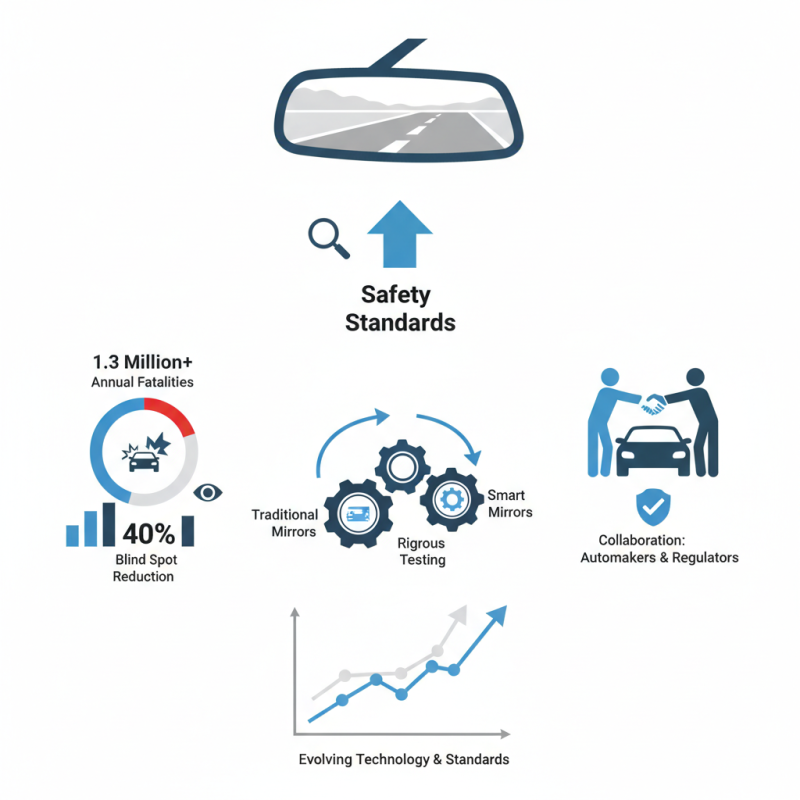
The rear mirror test is a critical component in automotive safety standards. As road accidents rise, ensuring the effectiveness of rearview mirrors is crucial. According to the 2022 Global Automotive Safety Report, over 1.3 million fatalities occur annually due to traffic accidents, highlighting the need for precise testing measures.
In China, the implementation of the rear mirror test is becoming more standardized. This comprehensive evaluation ensures that vehicles meet the industry’s safety and visibility requirements. Reports indicate that properly designed mirrors can reduce blind spots by 40%, significantly enhancing driver awareness. However, many manufacturers still face challenges. Some avoid rigorous testing processes, leading to potential safety risks.
Moreover, as the industry evolves, new technologies emerge. The integration of smart mirrors is on the rise, but testing standards must adapt accordingly. There is a clear need for increased collaboration between automakers and regulatory bodies. Reflecting on current practices, we must strive for higher safety standards and reliable testing methods.
Understanding China's Rearview Mirror Testing Standards
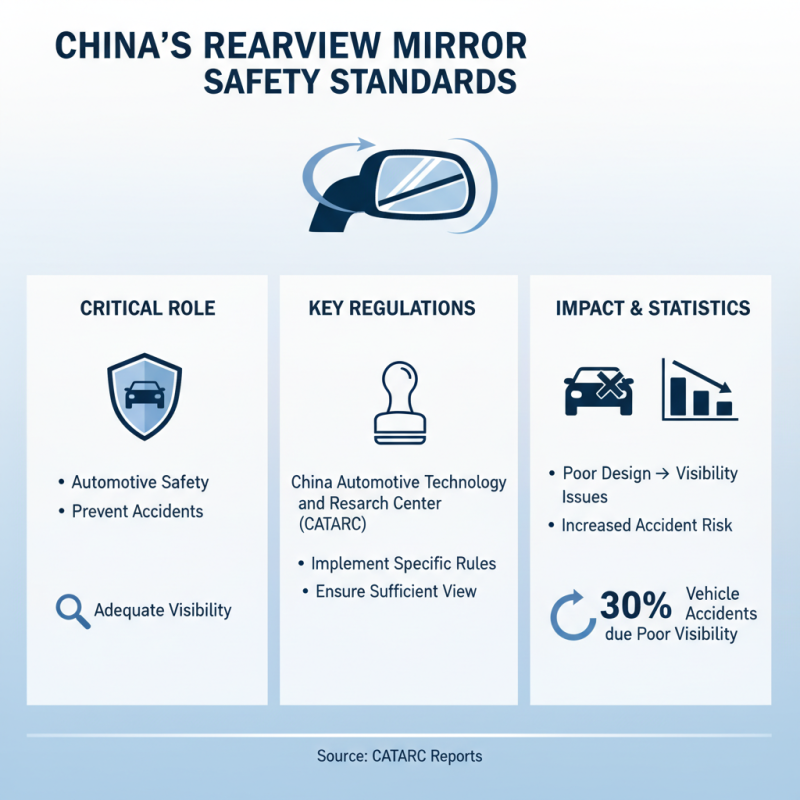
China's rearview mirror testing standards play a critical role in automotive safety. The country has implemented specific regulations to ensure that rearview mirrors provide adequate visibility. According to the China Automotive Technology and Research Center, improper mirror design can lead to visibility issues, increasing accident risks. Reports state that approximately 30% of vehicle-related accidents involve poor visibility as a contributing factor.
Notably, China's testing procedures focus on both the reflective quality and the durability of materials used in rearview mirrors. These standards emphasize that mirrors must withstand extreme temperatures and impacts to maintain functionality. An industry report indicates that around 15% of accident claims in urban areas are linked to rearview mirror failures, underscoring the importance of rigorous testing.
While the standards are relatively comprehensive, there remain gaps in enforcement and consistency across manufacturers. Inconsistencies can lead to a lack of trust in safety measures. Continuous monitoring and improvement of these regulations are essential to further enhance automotive safety. A recent survey highlighted that 40% of drivers are concerned about mirror quality. This feedback could drive future enhancements in testing protocols.
Key Stages in the Rearview Mirror Testing Process in China
Rearview mirror testing in China involves several critical stages. Each phase ensures that mirrors meet safety and quality standards. The process begins with initial design evaluations. Experts examine the materials and designs for durability and functionality. This step is crucial for preventing flaws that could lead to accidents.
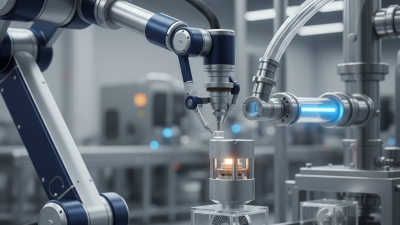
Following design assessments, prototypes undergo rigorous performance tests. These tests include stress tests under various conditions. For example, mirrors face temperature extremes and vibration simulations. Data collected during these tests highlight potential weaknesses. Sometimes, results reveal unexpected issues, prompting manufacturers to revisit the design phase.
When testing wraps up, certification comes next. Authorities review results meticulously before issuing approvals. It's not uncommon for manufacturers to encounter delays at this stage. Some find themselves reworking their designs based on feedback. This reiteration cycle can be frustrating yet necessary for safety. Overall, rigorous testing ensures that the final products enhance driver visibility and safety on the road.
Significance of Rearview Mirror Quality in Vehicle Safety
The rearview mirror plays a crucial role in vehicle safety. It provides essential visibility for drivers to monitor their surroundings. Without a quality rearview mirror, blind spots can become hazardous. Poor visibility leads to accidents that could be easily avoided.
Quality matters when it comes to rearview mirrors. A mirror that distorts images can mislead drivers. Often, people underestimate the importance of clear reflections. This can result in dangerous maneuvers and collisions. Regular testing can ensure that mirrors meet safety standards, yet some manufacturers may overlook this essential step.
Awareness of rearview mirror quality is vital. Drivers should regularly check their mirrors for clarity and damage. A simple crack may reduce visibility significantly. Even slight imperfections can affect driving safety. It’s a reminder that every detail counts when it comes to staying safe on the road.
China Top Rear Mirror Test - Significance of Rearview Mirror Quality in Vehicle Safety
| Feature |
Quality Rating |
Safety Impact |
Comments |
| Field of View |
High |
Critical |
Wider view reduces blind spots |
| Mirrors Clarity |
Moderate |
Important |
Clear images enhance visibility |
| Durability |
High |
Very Important |
Resistant to impact and weather conditions |
| Anti-Glare Technology |
High |
Very Important |
Reduces glare from headlights |
| Adjustability |
Moderate |
Important |
Easier to find optimal viewing angle |
| Installation Ease |
High |
Important |
Simple installation reduces chances of misalignment |
Common Challenges Faced in Rearview Mirror Testing
Testing rearview mirrors in vehicles involves several common challenges. One major issue is ensuring the mirrors provide a wide field of vision. This can be tricky. Proper adjustments must be made during installation. If not, drivers may struggle to see critical areas around their vehicles.
Another challenge is glare and distortion. Testing under different lighting conditions is essential. Mirrors must perform well in both bright daylight and at night. Poor visibility can lead to dangerous situations on the road. Manufacturers often need to refine their designs to minimize these effects.
Durability is also a concern. Rearview mirrors must withstand harsh weather and vibrations from driving. Testing for impact resistance is critical. They should remain intact during accidents. Evaluating these aspects ensures that mirrors are both functional and reliable. Regular revisions and updates to testing protocols can enhance safety standards.
Future Trends in China's Rearview Mirror Testing Industry
The rearview mirror testing industry in China is evolving rapidly. With advancements in technology, manufacturers are focusing on enhanced safety features. Testing now includes rigorous assessments of mirror durability, clarity, and functionality under various conditions. This ensures the mirrors can withstand extreme weather effects like heat and fog.
As consumer awareness grows, the demand for high-quality rear mirrors rises. Many users seek clear visibility and effective design. However, there's a notable gap in standardization. Some products fail to meet consumer expectations, leading to safety concerns. This inconsistency in quality highlights the need for better regulations and testing protocols.
Looking ahead, innovation in this field is promising. Emerging technologies like smart mirrors could redefine user experience. These mirrors might integrate navigation, alerts, and even vehicle diagnostics. However, the challenge remains to ensure these features do not compromise safety. The industry must balance new technology with stringent testing to build consumer trust.