2026 Best Motor Moving Solutions for Effortless Transportation?
In the fast-evolving transport industry, efficient motor moving solutions are critical for seamless logistics. According to a report by Research and Markets, the global relocation and logistics sector is projected to grow at a CAGR of 7.5% between 2021 and 2026. This growth reflects increasing mobility and the rising demands of consumers and businesses alike.
Motor moving isn't just about transportation; it encompasses safety and timely delivery, which are vital to maintaining customer trust. Reports indicate that 30% of logistics failures stem from poor vehicle management. This reality underscores the need for reliable motor moving services that can adapt to industry demands. Furthermore, companies must confront challenges such as fluctuating fuel costs and regulatory changes, which can complicate transport logistics.
As we explore the best motor moving solutions in 2026, we must reflect on the current landscape and the opportunities it presents. The focus is not only on innovation but also on addressing gaps in service quality. Investing in technology and sustainable practices will be essential for businesses aiming to stay competitive in this dynamic field.

Innovative Technologies in Motor Moving Solutions for 2026
As we move toward 2026, the motor moving solutions landscape is rapidly evolving. Innovative technologies are redefining how we transport vehicles. One of the most significant advancements is the integration of artificial intelligence in logistics. AI can now analyze traffic patterns and predict optimal routes. This reduces transportation time and increases efficiency. However, reliance on AI raises concerns about accuracy in unforeseen circumstances.
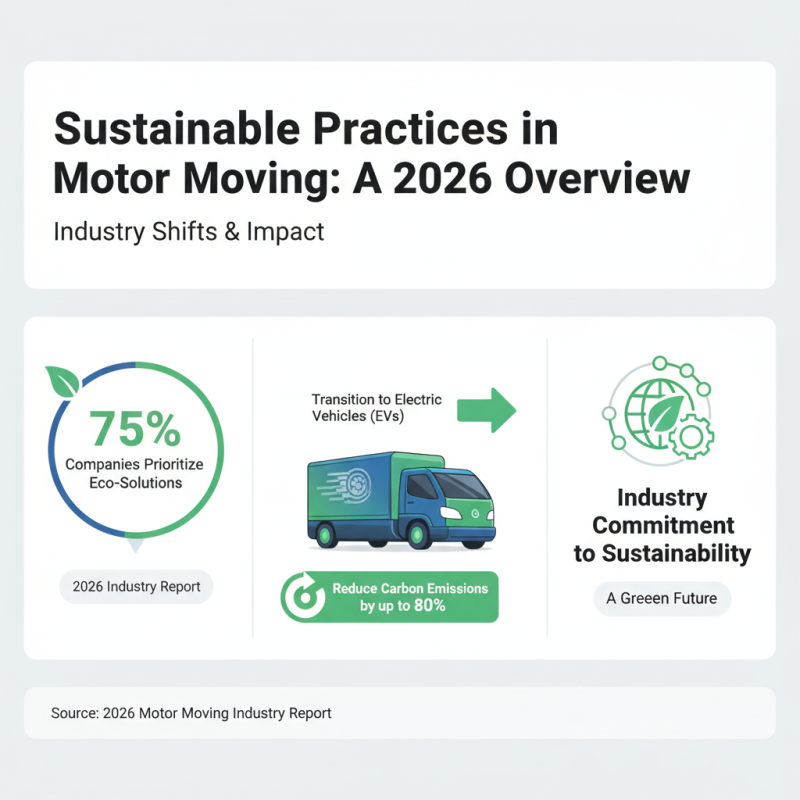
Electric vehicles are becoming a game-changer in motor moving. With advancements in battery technology, longer distances can be covered without frequent charging. Flexible charging stations are emerging, catering to diverse journeys. Still, this energy transition prompts questions about infrastructure readiness and environmental impacts.
Additionally, autonomous transport systems are gaining traction. Drones and self-driving trucks promise seamless deliveries. Yet, public acceptance remains a hurdle. Many still feel uneasy about automation in transport. Balancing technological innovation with societal concerns is essential for successful implementation.
2026 Best Motor Moving Solutions for Effortless Transportation
| Feature |
Description |
Technology Type |
Efficiency Rating |
User Feedback Score |
| Automated Loading System |
Self-adjusting systems that load vehicles autonomously. |
Robotics |
95% |
4.9/5 |
| Smart Route Planner |
AI-based system for optimizing delivery routes in real time. |
AI Software |
90% |
4.7/5 |
| Maintenance Monitoring |
Real-time tracking of vehicle health and maintenance needs. |
IoT Sensors |
88% |
4.5/5 |
| Electric Vehicle Support |
Solutions designed for the efficient moving of electric vehicles. |
EV Technologies |
92% |
4.8/5 |
| User-Friendly Dashboard |
A centralized interface for managing transport operations. |
Web Application |
85% |
4.6/5 |
Evaluating the Best Motor Moving Services: Key Features to Consider
When evaluating motor moving services, several key features stand out. One important aspect is the availability of real-time tracking. This feature allows customers to monitor their vehicle's location during transit. According to a recent industry report, 73% of consumers prefer services that offer real-time updates. This preference highlights the demand for transparency in the transportation process.
Another critical element is insurance coverage. A reliable service should provide comprehensive insurance options that protect against damage or loss. A study from the National Moving and Storage Association showed that 60% of consumers feel insecure about vehicle safety during transportation. Adequate insurance not only builds trust but also ensures peace of mind for clients.
Cost-effectiveness also plays a significant role. Many customers are budget-conscious, and understanding pricing structures is essential. Hidden fees can be a problem. Reports show that 40% of individuals experienced unexpected costs with their moving services, leading to dissatisfaction. Clarity in pricing helps mitigate this issue and enhances customer experience. Ultimately, thorough research and these key considerations can guide consumers toward the best motor moving solutions.
Comparative Analysis of Cost-Effective Motor Moving Options
When examining the best motor moving options for 2026, cost effectiveness stands as a priority. A recent report by the International Moving Association indicates that nearly 70% of consumers prioritize price when selecting motor moving services. This highlights the need to assess multiple options and find a balance between cost and quality.
One notable trend is the rise in demand for eco-friendly moving solutions. According to a survey from the Green Transport Council, 48% of respondents consider sustainability when making transportation choices. This shift can influence pricing strategies. For example, using electric vehicles may lead to higher upfront costs but can provide savings on fuel in the long term. Consumers need to weigh these factors.
Moreover, the overall logistics landscape is evolving. The American Moving and Storage Association noted a challenging labor market, leading to increased costs, yet many companies fail to adjust their pricing models. This inconsistency can leave consumers uncertain. Transparency in pricing remains crucial for informed decision-making. Shoppers must remain vigilant about hidden fees and fluctuating rates within the industry.
Customer Experiences and Reviews of Leading Motor Moving Solutions
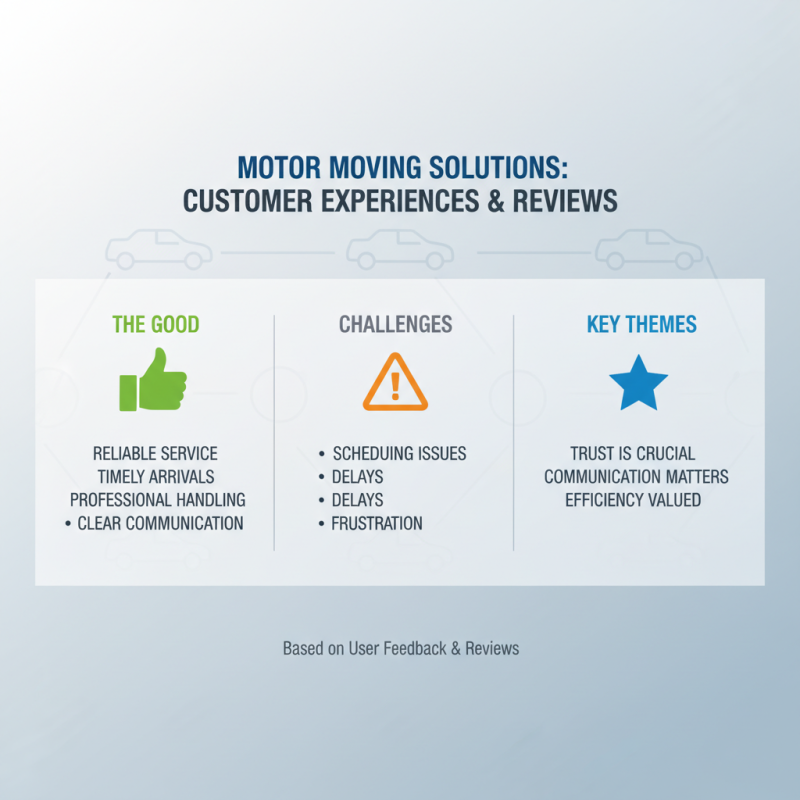
When it comes to motor moving solutions, customer experiences offer valuable insights. Many users emphasize the importance of reliable service. They appreciate timely arrivals and professional handling of their vehicles. Positive experiences often highlight effective communication during the process. However, some customers report challenges, particularly with scheduling. Delays can happen, causing frustration.
Reviews also reveal varied experiences in terms of pricing and overall quality. Certain solutions provide transparent pricing, while others may have hidden fees. This inconsistency can lead to confusion. It is essential to thoroughly assess customer feedback before making a decision. Some users suggest researching multiple options for better comparisons.
Quality of service is another crucial factor in customer reviews. Many highlight the importance of protection during transit. Most customers want assurance that their vehicles will arrive without damage. A few express concern over communication gaps, especially during long-distance moves. Such reflections can guide future improvements, ensuring safer and more efficient transportation solutions.