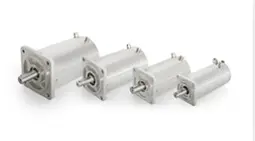
Top Stepper Electric Motors for Global Buyers in 2026?
In the ever-evolving world of technology, stepper electric motors play a crucial role in various applications. Renowned expert Dr. Emily Zhang states, "The future of stepper electric technology hinges on precision and innovation." This assertion reflects the growing importance of stepper electric solutions for global buyers as we approach 2026.
Companies rely on stepper electric motors for automation and robotics. These motors are known for their precise positioning and control. For manufacturers, choosing the right stepper electric motor can enhance efficiency and reliability. However, many buyers struggle to keep up with the rapidly changing landscape.
As demand increases, buyers must also be aware of quality and performance. Not every product on the market meets the expected standards. Decisions based solely on price can lead to unsatisfactory outcomes. The delicate balance between cost and quality will be a significant challenge for buyers in the coming years.

Overview of Stepper Electric Motors and Their Applications
Stepper electric motors are essential in various applications today. They provide precise control over movement. Industries like robotics, CNC machines, and 3D printing heavily rely on them. Their ability to divide a full rotation into smaller steps makes them ideal for tasks requiring accuracy.
These motors operate on the principle of electromagnetism. When electric current flows through the coils, they create a rotating magnetic field. This field interacts with the permanent magnets in the rotor. As a result, the rotor moves in fixed increments. This mechanism allows for accurate positioning and control.
However, not all applications suit stepper motors. They may struggle under heavy loads or high speeds. There's also a risk of overheating with prolonged use. Potential users need to consider these factors carefully. Understanding the limitations is key to making informed decisions about motor selection.
Key Features and Advantages of Top Stepper Motors in 2026
Stepper motors are increasingly relevant in various industries. Their ability to provide precise control makes them invaluable. In 2026, global buyers will look for stepper motors that excel in performance and reliability. Key features include high torque at low speeds, which enhances efficiency in applications like CNC machines and robotics.
Deciding factors also include thermal stability and step resolution. Motors with higher step resolution often deliver smoother motion. Additionally, improvements in energy efficiency will play a role in buyer preferences. Many potential buyers will want motors that consume less power while maintaining performance.
Another critical aspect is ease of integration. Stepper motors should be compatible with diverse control systems. This flexibility can significantly reduce setup time. Nonetheless, buyers must remain cautious. Not all motors will meet the new standards for reliability and performance. It's vital to key considerations in selection. Balancing cost with quality might pose challenges. Clear understanding of design requirements will enhance decision-making processes.
Top Stepper Electric Motors for Global Buyers in 2026
| Model |
Holding Torque (Nm) |
Step Angle (Degrees) |
Max Current (A) |
Gear Ratio |
Weight (kg) |
Advantages |
| Model A |
0.45 |
1.8 |
2.5 |
1:5 |
1.2 |
High Accuracy |
| Model B |
0.65 |
1.8 |
3.0 |
1:10 |
1.5 |
Smooth Operation |
| Model C |
0.85 |
1.8 |
4.0 |
1:20 |
1.8 |
High Torque |
| Model D |
1.0 |
1.8 |
4.5 |
1:15 |
2.0 |
Durable Construction |
Market Trends Influencing Stepper Motor Demand Globally
The global demand for stepper motors is rising due to various market trends. Automation in manufacturing plays a pivotal role in this surge. Industries are increasingly relying on automation for efficiency and consistency. This trend significantly boosts the demand for precise motion control devices, like stepper motors.
Electric vehicles (EVs) are also influencing the market. As more consumers switch to EVs, the need for reliable and efficient driving solutions grows. Stepper motors are essential in various applications within these vehicles. However, adapting to new technologies can be challenging for some manufacturers.
Tips: Always conduct thorough research before choosing a stepper motor. Understand your specific application needs. Consider factors like torque, speed, and control methods.
Additionally, sustainability trends impact the stepper motor market. Companies strive to reduce their carbon footprint. However, finding eco-friendly components is not always straightforward. Balancing performance and sustainability may require some trade-offs.
Leading Manufacturers and Their Innovations in Stepper Motors
The stepper motor market is rapidly evolving, driven by innovations in technology and manufacturing. Notably, many leading manufacturers are focusing on improving efficiency and precision. This shift is evident in the development of hybrid stepper motors, which combine the benefits of both permanent magnet and variable reluctance designs. These motors typically offer higher torque and smoother operations, making them suitable for diverse applications.
Innovative materials are becoming increasingly relevant in the production process. Companies are experimenting with lightweight composites to enhance performance while reducing weight. This transformation not only boosts motor efficiency but also addresses sustainability concerns. Additionally, advancements in digital control systems are paving the way for smarter integration. This enables better monitoring and adaptability in automated environments.
The ongoing pursuit of miniaturization is another intriguing trend. Smaller, more powerful motors can fit into compact devices without compromising performance. However, this trend raises questions about reliability and heat management. Manufacturers must navigate these challenges carefully, ensuring that quality remains at the forefront of their innovations. Balancing size and durability is a complex task that requires thorough testing and validation.
Future Challenges and Opportunities for Buyers of Stepper Motors
As the demand for stepper motors grows, global buyers face distinct challenges. One issue is the increasing complexity of motor specifications. Understanding torque, speed, and resolution is crucial. Many buyers struggle to match these parameters to their applications, leading to inefficiencies. Buyers must seek partnerships with knowledgeable suppliers to navigate these specifications effectively.
Opportunities abound for informed buyers. The rise of automation and robotics is driving the demand for stepper motors. Buyers can leverage advances in technology to enhance performance and reduce costs. However, being adaptive is essential. Manufacturers are frequently introducing new technologies and features. Buyers must stay updated on trends and innovations to make informed decisions.
Sourcing materials is another challenge. Availability and pricing can fluctuate due to global supply chain issues. Buyers must strategize and anticipate potential delays. A collaborative approach with suppliers can help mitigate risks. It's clear that a proactive mindset will lead to better outcomes in the evolving landscape of stepper motor procurement.