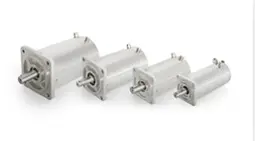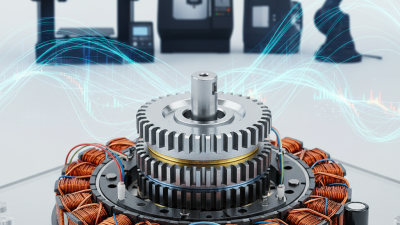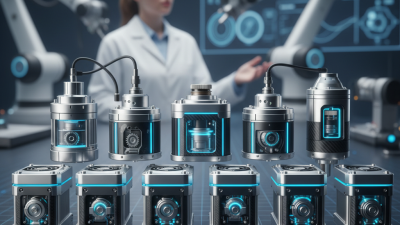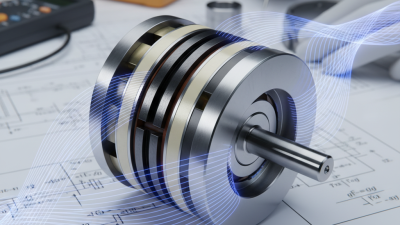
KSSM series radiation resistant servo motor
The KSSM series servo motor is a special servo motor designed for application environments such as ultra-high vacuum ultra-high tem- perature, deep low temperature, and irradiation. The shell is made of stain- less steel material and uses a rotary transformer as the motor position feedback component. Rated power of 400W, 750W.1800W, 3800W, volt- age level of 48VDC/220V AC/380VAC.
China’s vehicle seating sector is becoming more technical, competitive, and closely connected to global safety programs. This article introduces China’s Top 10 Vehicle Seat Testing Suppliers, focusing on their testing capabilities, equipment, certification experience, and engineering support.
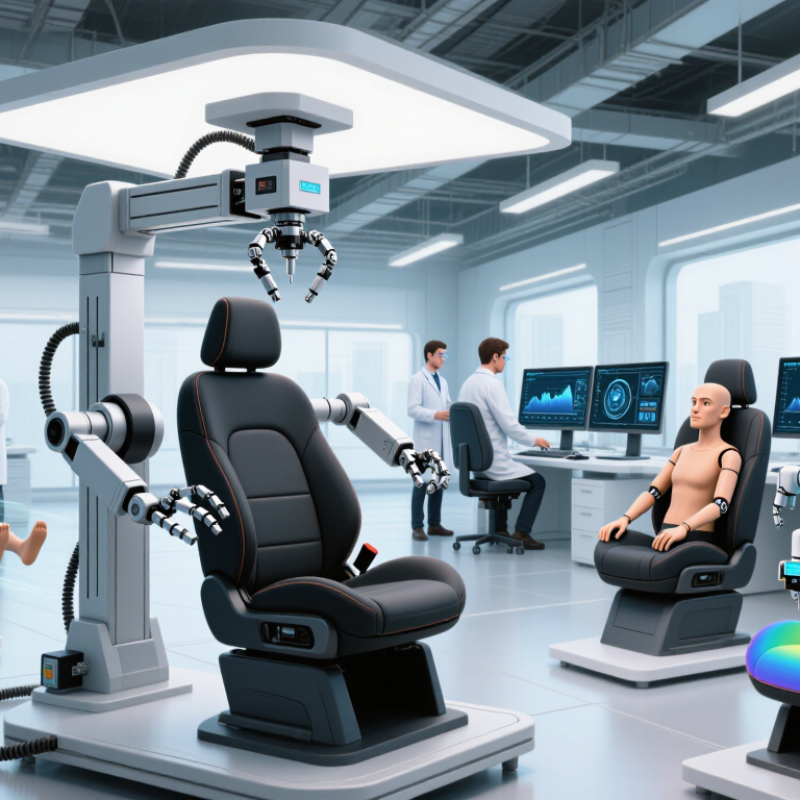
Vehicle Seats Test services may include static strength checks, durability cycles, recliner testing, head restraint assessment, anchorage inspection, and dynamic crash simulation. In a laboratory, engineers may record seat-belt loads, dummy movement, weld deformation, and foam compression. These details reveal weaknesses that visual inspection cannot find.
Dr. David Zuby, Chief Research Officer at the Insurance Institute for Highway Safety, has stated, “Crash tests are designed to show how well a vehicle protects its occupants.” This principle also applies to supplier evaluation. A reliable testing company needs more than modern machines. It needs trained technicians, traceable measurement systems, controlled procedures, and clear technical reporting.
The selected Chinese suppliers should be viewed as practical industry references, not as an unquestionable ranking. No ranking is perfect. Supplier capabilities can change with equipment investment, staff expertise, accreditation status, and project experience. Some public information is also difficult to compare fairly.
For buyers, the strongest partner may not be the largest company. It may be the supplier that explains test limits clearly, identifies abnormal seat movement, and provides repeatable data. This introduction examines those differences through a professional Vehicle Seats Test perspective. It also considers laboratory credibility, response speed, customization ability, and evidence of real engineering experience. Safety testing is never finished by a certificate alone.
China Top 10 Vehicle Seat Testing Suppliers
Vehicle Seat Testing in China: Scope, Standards, and Industry Role
Vehicle seat testing in China covers strength, durability, restraint performance, comfort, and crash protection. Qualified laboratories examine seat frames, recliners, tracks, belts, head restraints, and anchorage points. They use static loads, repeated cycles, vibration, sled tests, and controlled impact simulations. The details matter. A loose fastener after testing can reveal a deeper design weakness.
Testing commonly references GB 15083, GB 14166, and relevant UN regulations, including R14, R16, R17, and R25. Export programs may also require FMVSS or regional requirements. Reliable facilities maintain calibrated load cells, accelerometers, force transducers, and high-speed cameras. ISO/IEC 17025 competence supports traceable measurements and dependable reports. Yet certification alone is not enough. Engineers must understand the vehicle platform and the intended seat position.
China’s leading seat testing suppliers support manufacturers, component developers, and technical approval projects. Their work helps identify fatigue cracks, poor belt geometry, excessive head movement, and uncomfortable vibration before production. Experienced teams also review test preparation, fixture design, sample conditioning, and data interpretation. Small preparation errors can change results. This remains a practical weakness.
Good suppliers communicate clearly when a method is unsuitable or a result needs confirmation. They preserve raw data, photographs, calibration records, and failure evidence. This creates a defensible technical trail. The strongest industry role is not merely passing tests. It is converting physical evidence into safer, more durable seat designs.
Evaluating China’s top vehicle seat testing suppliers requires more than comparing quotations. Check whether the laboratory follows ISO/IEC 17025 or an equivalent accreditation framework. Review its scope carefully. It should cover seat strength, durability, recliner performance, head restraint behavior, and crash-related testing when required. Ask for recent calibration records, equipment photographs, and technician qualifications. Practical experience matters.
Request anonymized sample reports before signing a contract. Reliable reports should show test conditions, sample identification, measurement uncertainty, failures, and corrective notes. Visit the facility if possible. Observe how engineers secure a seat, record deformation, and protect test data. Ask how failed samples are stored and traced. Small details reveal working discipline.
Do not judge quality by price alone. Compare equipment capacity, scheduling reliability, technical communication, and retest procedures. A supplier should explain unclear requirements instead of promising every result. That matters. Confirm whether the laboratory can support your seat design throughout development, not only during final approval. Check response times during a difficult test. Delays can expose weak project control. No supplier is perfect, and even an experienced team may miss a design detail. The best partner acknowledges uncertainty, documents it clearly, and helps engineers investigate the cause. A short on-site audit and a carefully written test plan can prevent expensive misunderstandings.
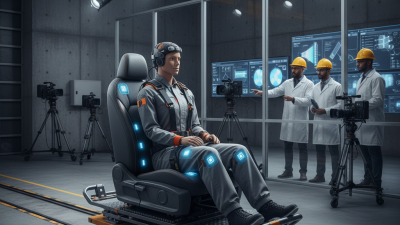
China’s leading vehicle seat testing suppliers provide services covering safety, durability, comfort, and production validation. Their laboratories commonly perform static strength tests on seat frames, recliners, head restraints, and belt anchorages. Dynamic sled testing reproduces crash pulses and records occupant movement, belt loads, chest acceleration, and seat deformation.
Instrumentation is central to reliable results. Engineers install calibrated load cells, accelerometers, displacement sensors, and pressure mapping systems. High-speed cameras reveal frame distortion and cushion behavior that ordinary inspection may miss. Suppliers also conduct vibration, fatigue, corrosion, temperature, and humidity tests. These tests expose weaknesses after thousands of adjustment cycles or long exposure to changing cabin conditions.
Experienced teams usually combine physical testing with finite element analysis and test-data correlation. They can review seat drawings, define test fixtures, manage sample preparation, and issue traceable reports. Clear fixture alignment matters greatly. A small installation error can change the measured load path. No laboratory is flawless. A rushed pre-test inspection may overlook loose wiring or uneven foam compression. That is why strong suppliers repeat critical measurements, document deviations, and invite technical review before releasing results. Their value lies not only in equipment, but in disciplined procedures, competent interpretation, and evidence that engineers can verify.
China Top 10 Vehicle Seat Testing Suppliers
Choosing among China’s leading vehicle seat testing suppliers requires more than comparing prices. Start with test coverage, including static strength, durability, vibration, recliner performance, head restraint movement, and crash-related evaluation support. A capable laboratory should explain its methods clearly. It should also identify limitations before testing begins.
Equipment quality is a practical comparison point. Check calibration records, sensor ranges, fixture condition, and data acquisition frequency. Ask whether engineers can reproduce a test after a failed run. Traceable measurements matter. So does controlled temperature and humidity. Small environmental changes can affect foam behavior, fabric friction, and adjustment forces.
Experience should be judged through technical evidence, not impressive wording. Review sample reports, measurement uncertainty, failure photographs, and corrective-action notes. Compare the supplier’s understanding of international and regional requirements, while confirming the exact standard version used. Reporting speed also matters, but rushed conclusions create risk. A strong supplier protects test data, preserves sample identity, and provides a clear chain of custody. No laboratory is perfect. Some may have excellent endurance equipment but limited material analysis. Others may communicate well but lack flexible fixtures. This is where careful questioning helps. Visit the facility when possible. Watch how technicians install a seat. That detail often reveals more than a sales presentation.
Selecting the right supplier requires more than comparing equipment lists. A capable laboratory should support sled tests, static strength checks, durability cycles, and restraint evaluations. ISO/IEC 17025 accreditation is a useful starting point because it confirms technical competence and controlled measurement processes. Ask for scope details, not only the certificate. The laboratory must cover your exact seat, dummy, restraint, and environmental conditions.
Safety data shows why this choice matters. The WHO Global Status Report on Road Safety 2023 records about 1.19 million annual road deaths worldwide. NHTSA’s Traffic Safety Facts also reported that seat belts saved an estimated 14,955 lives in the United States during 2017. These figures do not prove every test method works equally well. They do show the consequences of weak validation. Request evidence of repeatability, calibration records, failure reporting, and raw data access. Check whether engineers can explain unusual chest acceleration, belt loads, or seat deformation in plain language.
Look beyond price. A lower quotation may hide limited fixture capacity, outsourcing, or slow corrective action. Visit the site if possible. Watch one test setup. Does the team control temperature, seating posture, and sensor installation carefully? Small inconsistencies can change results.
No laboratory is perfect. That is a useful warning. Select a supplier that admits uncertainty, documents deviations, and proposes realistic improvements. A strong technical partner should also understand regional regulations, project timing, confidentiality controls, and production constraints.