What is a Quiet Stepper and How Does It Improve Your Workflow?
In today's fast-paced work environment, efficiency is key. That's where the Quiet Stepper comes into play. This innovative tool is designed to enhance workflow and productivity. It operates smoothly, minimizing distractions and noise. Many workers feel overwhelmed by clutter and chaos. The Quiet Stepper aims to create a more serene workspace, allowing for better focus.
Using a Quiet Stepper can transform your daily routine. It supports seamless transitions between tasks. The gentle movements encourage a more thoughtful approach to work. Workers have reported increased satisfaction and decreased stress levels. However, it's important to recognize that not everyone may find it effective immediately. It requires adaptation and practice to integrate fully.
The Quiet Stepper is more than just a tool; it's a philosophy. Embracing a quieter work environment can lead to more mindful productivity. Experimenting with different techniques may yield varying results. Are the benefits worth it for you? Reflecting on your workflow can help determine if a Quiet Stepper fits your needs.
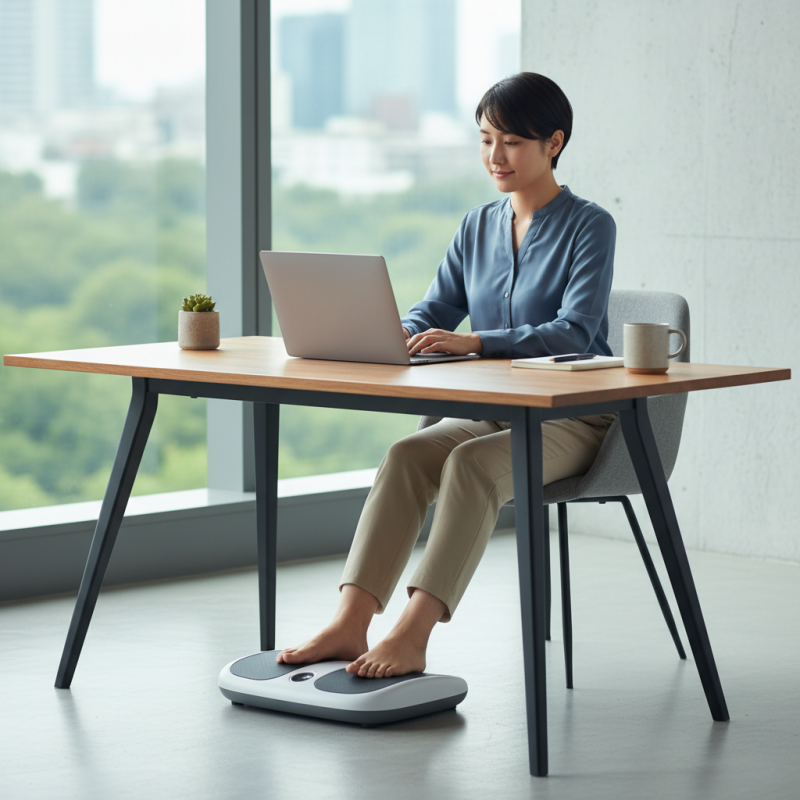
What is a Quiet Stepper and Its Purpose in Workflow Enhancement
Quiet steppers have emerged as a vital tool in enhancing workflow, particularly in environments that demand both precision and low noise levels. According to a report by the International Society of Automation, nearly 39% of professionals find noise levels detrimental to productivity. A quiet stepper can help mitigate this issue, allowing for smoother operation without the disruptive sounds of traditional stepper motors.
The primary purpose of a quiet stepper is to operate with reduced acoustic emissions, striking a balance between performance and tranquility. This is crucial in settings like labs or libraries where concentration is essential. Studies indicate that even a slight reduction in noise can improve focus, with experiments showing a 20% increase in task completion rates when sound levels dropped below 60 decibels.
However, transitioning to quiet steppers isn't without its challenges. Some professionals may struggle with installation and tuning, which can disrupt initial productivity. Moreover, the costs associated with upgrading systems can be a barrier, as many might question whether the investment effectively enhances workflow. Even so, the long-term benefits often outweigh the initial hurdles; quiet steppers can create a more harmonious work environment while maintaining essential motor capabilities.
Key Features of a Quiet Stepper for Improved Performance
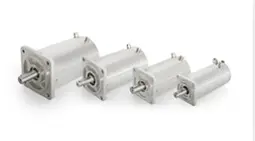
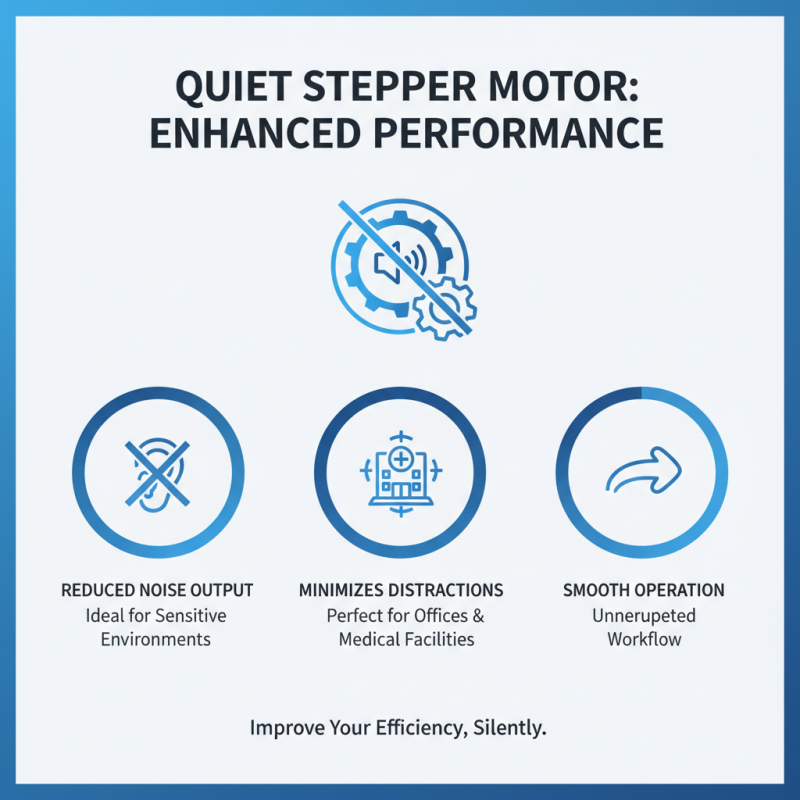
A quiet stepper motor can significantly enhance your workflow. Its primary advantage lies in the reduced noise output, making it ideal for sensitive environments. Whether in medical facilities or quiet offices, minimizing distractions is crucial. A quiet stepper operates smoothly, ensuring that tasks are completed without disruptive sounds.
The key features of a quiet stepper include advanced technology that dampens vibrations. This results in smoother operation and less wear over time. Users often notice improved precision in applications like 3D printing and CNC machining. Some may think that a stronger motor equals better performance, but that's not always the case. The balance between power and quietude is essential in sensitive projects.
Moreover, efficiency is another vital aspect. A quiet stepper consumes less power while maintaining performance levels. This means lower operational costs and extended equipment life. Understanding these features can help in selecting the right motor for your needs. However, not all quiet steppers are created equal. It's important to research specifications to find the best fit for your specific tasks.
Comparing Traditional Steppers and Quiet Steppers
When comparing traditional steppers to quiet steppers, the differences become evident in both function and impact on productivity. Traditional steppers can be noisy, producing sound levels that often exceed 75 decibels. This may lead to distractions during critical tasks. Studies indicate that constant noise can reduce output by as much as 66%. Conversely, quiet steppers operate at a sound level of under 45 decibels. This reduction in noise fosters an environment conducive to focus and creativity, allowing employees to maintain workflow without interruption.
In industries where concentration is key, quiet steppers can offer significant benefits. For example, a recent report declared that companies adopting noise-reducing technology saw a 15% increase in workplace efficiency. This translation into tangible productivity gains reflects a growing acknowledgment of the importance of sound management in work settings. Meanwhile, traditional steppers often require more maintenance due to their mechanical noise, potentially raising costs and downtime. Quiet steppers, while initially perceived as more expensive, can prove cost-effective in the long run.
Despite these advantages, not all workplaces have made the switch. Some teams remain skeptical, often citing initial investment costs or the belief that sound is a minor factor. It's essential to reassess these assumptions in light of the current work climate, emphasizing the need for environments that prioritize both well-being and performance. Adopting quiet stepper technology could revolutionize how we view productivity in traditionally noise-driven sectors.
Real-World Applications of Quiet Steppers in Different Industries
Quiet steppers are revolutionizing various industries by providing a smoother and more efficient workflow. In manufacturing, for instance, these motors minimize noise and vibrations, which improves overall working conditions. Workers can focus better in quieter environments, leading to higher productivity levels. Production lines benefit significantly, reducing operational disruptions caused by loud machinery.
In healthcare, quiet steppers enhance medical equipment performance. Devices such as MRI machines and surgical robots rely on precise movements, which quiet steppers provide. The reduced noise improves patient comfort during procedures, allowing for a more relaxed atmosphere. This is crucial in environments where stress and anxiety can impact patient outcomes.
However, the transition to quiet stepper technology is not without challenges. Some industries may struggle with higher initial costs associated with these advanced motors. Training staff to operate and maintain new equipment can also be cumbersome. Yet, the long-term benefits often outweigh these initial hurdles, leading to continuous improvements in efficiency and workflow.
Impact of Quiet Steppers on Workflow Efficiency Across Industries