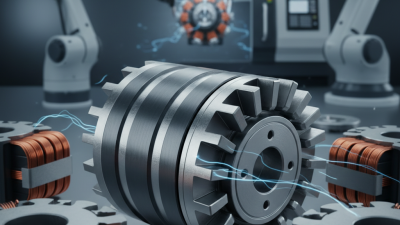
China Top Stepper Motor Rotor Manufacturers and Their Innovations?
China has emerged as a leading player in the global stepper motor rotor market. The growth of this sector reflects an increasing demand for precision motion control in various industries, including robotics and automation. According to a recent market report, the stepper motor market is projected to reach USD 6.67 billion by 2027, driven by innovations and advancements in technology.
Major manufacturers in China are at the forefront of these innovations. They employ advanced materials and manufacturing techniques to enhance performance and efficiency. Companies like Moons' Industries and MinebeaMitsumi focus on improving torque characteristics and reducing energy consumption. These developments are crucial as industries seek to minimize costs while maximizing output.
Despite these advancements, challenges remain. Quality control is essential in the production of stepper motor rotors. Manufacturers must address issues related to consistency and reliability. Not all firms maintain high standards, impacting overall market trust. Continuous improvement in production processes will be key to ensuring the long-term success of stepper motor rotor manufacturers in China.
China's Leading Stepper Motor Rotor Manufacturers Overview
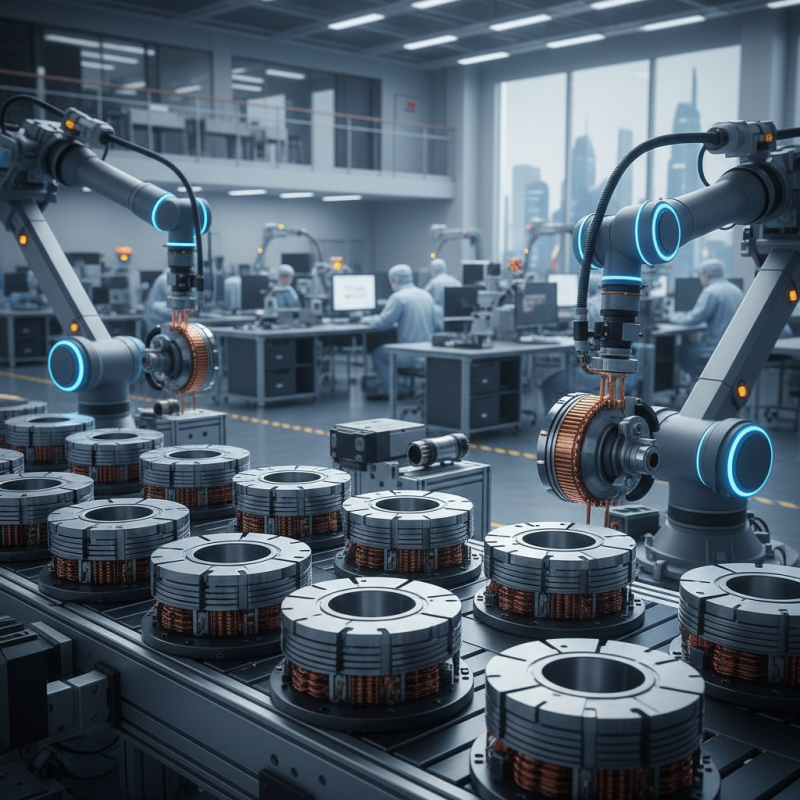
China has become a hub for stepper motor rotor manufacturing. Many companies in the region are pushing the boundaries of innovation. They focus on improving efficiency and precision in motor design. Enhanced materials are often used to increase durability. This is vital for applications ranging from robotics to CNC machinery.
Manufacturers prioritize energy efficiency alongside cost. This balance is crucial for attracting various industries. By applying advanced manufacturing techniques, these companies are reducing waste. However, they often face challenges in scaling these innovations. Quality control remains a significant focus area. Ensuring each rotor meets strict standards can be daunting. Still, the drive for improvement continues.
The competitive landscape fosters rapid advancements. Companies are investing in R&D to develop smarter designs. Collaboration between engineering teams leads to breakthroughs. However, innovation often invites scrutiny. Continuous learning from failures is a part of the process. Each iteration presents opportunities for refinement, significantly impacting the efficiency of stepper motors.
Overview of Stepper Motor Rotor Innovations
Key Innovations in Stepper Motor Rotor Technology
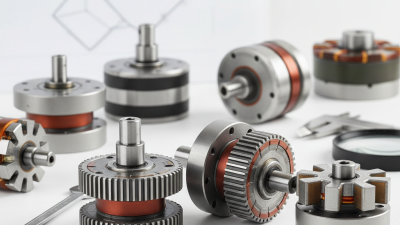
Stepper motors are pivotal in various applications, ranging from robotics to precision machinery. China's leading manufacturers are advancing rotor technology significantly. These innovations focus on enhancing efficiency, torque, and precision.
One key innovation is the use of advanced materials. New composites reduce rotor weight while improving magnetic efficiency. This allows for better performance in compact designs. Manufacturers are also integrating smart technologies into rotors, enabling real-time monitoring and adjustments. Such advancements can optimize energy usage and extend motor lifespan.
Tips: Evaluate the application needs before choosing a rotor. Test different configurations to find efficiency sweet spots.
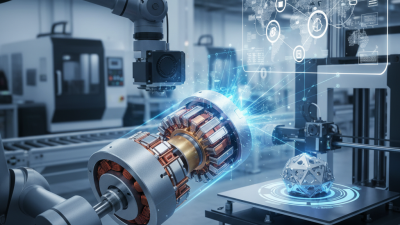
Developments also include improved manufacturing processes. Techniques like 3D printing allow for complex rotor designs, which were previously challenging to achieve. However, quality control remains a concern. Minor flaws can significantly affect performance.
Tips: Look for manufacturers with robust quality assurance systems. Consider prototypes to test functionality before large-scale orders.
Overall, while China's innovations in stepper motor rotor technology advance rapidly, continuous refinement is necessary. Balancing performance, cost, and reliability is an ongoing challenge for manufacturers.
Comparative Analysis of Top Manufacturers in China
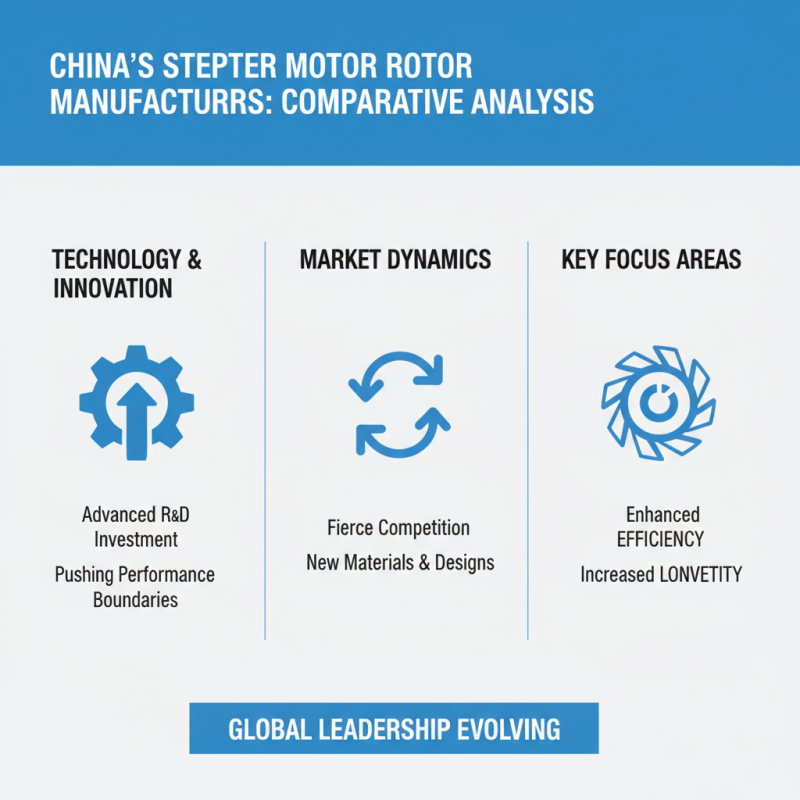
In recent years, China's stepper motor rotor manufacturers have significantly advanced in technology and innovation. Many companies are investing in research and development, pushing the boundaries of performance. The competition is fierce, with various manufacturers exploring new materials and designs that enhance efficiency and longevity.
A comparative analysis reveals differences in manufacturing techniques and product features. Some companies focus on precision engineering, which boosts performance in demanding applications. Others emphasize cost-effectiveness, appealing to budget-conscious consumers. Innovations like the integration of smart technology are becoming more common. These developments allow for better control and integration with modern machinery.
However, not all innovations are successful. Some manufacturers struggle with quality control issues. Reports of inconsistent product quality can undermine consumer trust. Additionally, the rapid pace of innovation means that companies must continuously adapt. This can lead to costly mistakes if not managed properly. Balancing innovation with reliability remains a critical challenge in this competitive landscape.
Market Trends and Future Directions for Stepper Motor Rotors
The stepper motor rotor market is experiencing significant evolution. Innovations focus on improving efficiency and reducing costs. Manufacturers are increasingly adopting advanced materials to enhance performance. Lightweight composites and high-grade metals are key to achieving these goals. These materials not only reduce weight but also increase torque.
Market trends indicate a growing demand for precision and reliability in stepper motors. Automation and robotics industries are driving this need. Companies are investing in research and development to meet these requirements. The integration of artificial intelligence in motor controls is a significant trend. This technology provides real-time adjustments, improving accuracy.
However, challenges remain. Supply chain disruptions can impede innovation. Many manufacturers rely on global suppliers, making them vulnerable to geopolitical issues. Additionally, environmental regulations are becoming stricter, pushing companies to adapt. As the market evolves, balancing innovation with sustainability will be crucial. This will require ongoing reflection on current practices and a commitment to improvement.
China Top Stepper Motor Rotor Manufacturers and Their Innovations
| Manufacturer Type |
Innovation Area |
Market Share (%) |
Primary Application |
Future Directions |
| High-Performance |
Smart Manufacturing |
25% |
Industrial Robots |
Integration with AI |
| Precision Engineering |
Miniaturization |
15% |
Medical Equipment |
Bio-Inspired Robotics |
| Standard |
Cost Efficiency |
40% |
Consumer Electronics |
Sustainability Upgrades |
| Innovative Startups |
Advanced Materials |
10% |
Drones |
Carbon Fiber Rotors |
| Established Leaders |
Digital Control |
10% |
CNC Machining |
Industry 4.0 Solutions |
Challenges Faced by Manufacturers in the Stepper Motor Industry
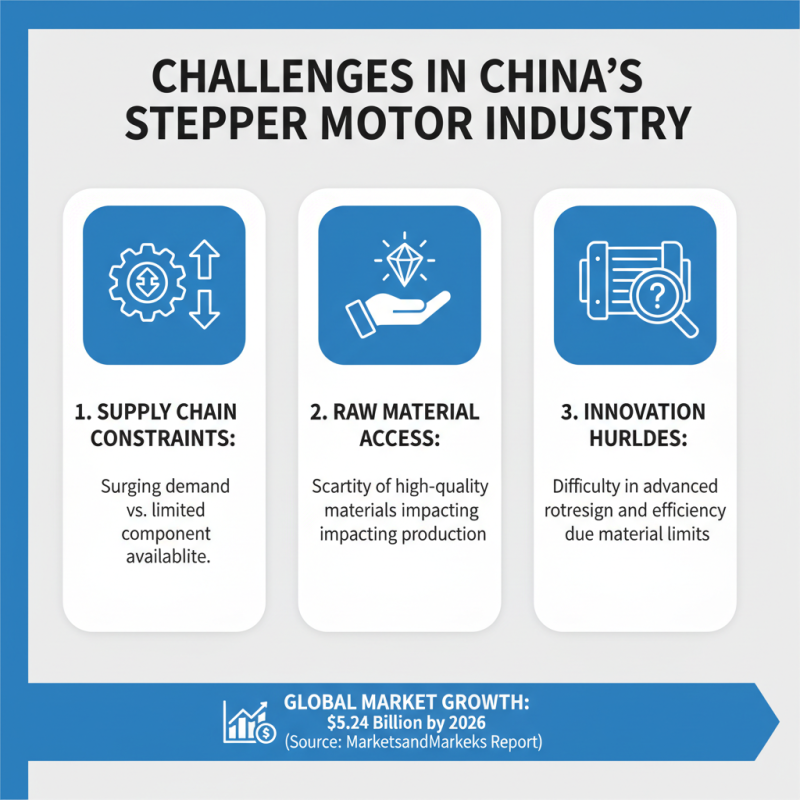
The stepper motor industry in China faces significant challenges that affect growth and innovation. In recent years, demand has surged, but manufacturers struggle with supply chain constraints. According to a report by MarketsandMarkets, the global stepper motor market is expected to reach $5.24 billion by 2026, indicating a growing opportunity. However, limited access to high-quality raw materials hampers production efficiency. This issue becomes critical as manufacturers attempt to innovate in rotor design and efficiency.
Additionally, labor costs have increased over the past few years. This change affects the affordability of production in China, compelling industries to assess automation options. A survey conducted by the Robot Institute revealed that 65% of manufacturers are considering investing in robotic solutions to mitigate costs. Yet, the transition requires upfront capital, posing a barrier for many smaller businesses.
Quality control is another pressing concern. Many manufacturers are unable to consistently meet international standards for efficiency and reliability. A study by the International Electrotechnical Commission (IEC) noted that 30% of stepper motors fail to meet required specifications. This inconsistency creates a need for better training and improved regulatory compliance processes. As manufacturers strive for excellence, these challenges highlight areas for potential growth and improvement.