2026 Top Innovations in Stepper Motor Rotor Technology?
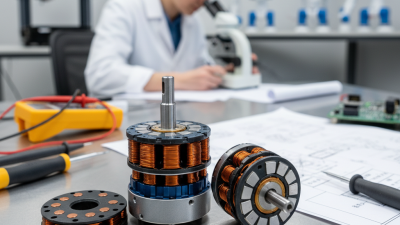
In the rapidly evolving field of robotics and automation, stepper motor rotor technology plays a vital role. Industry expert Dr. Jane Thompson states, "Advancements in stepper motor rotor designs enhance precision and efficiency." This observation emphasizes the significance of continuous innovation in this sector.
As we approach 2026, new developments in stepper motor rotor technology are emerging. These innovations promise to improve performance metrics and reduce energy consumption. Manufacturers are focusing on lightweight materials to enhance efficiency. This shift reflects a growing trend towards sustainability in engineering practices.
However, not all innovations may yield desired results. The industry faces challenges, such as balancing cost and performance. Some designs may become overly complex, leading to potential reliability issues. A clear understanding of these intricacies is crucial for stakeholders aiming to leverage the full potential of stepper motor rotors. The future is bright, but it's essential to remain cautious and critical of new technologies.
Advancements in Materials for Stepper Motor Rotors in 2026
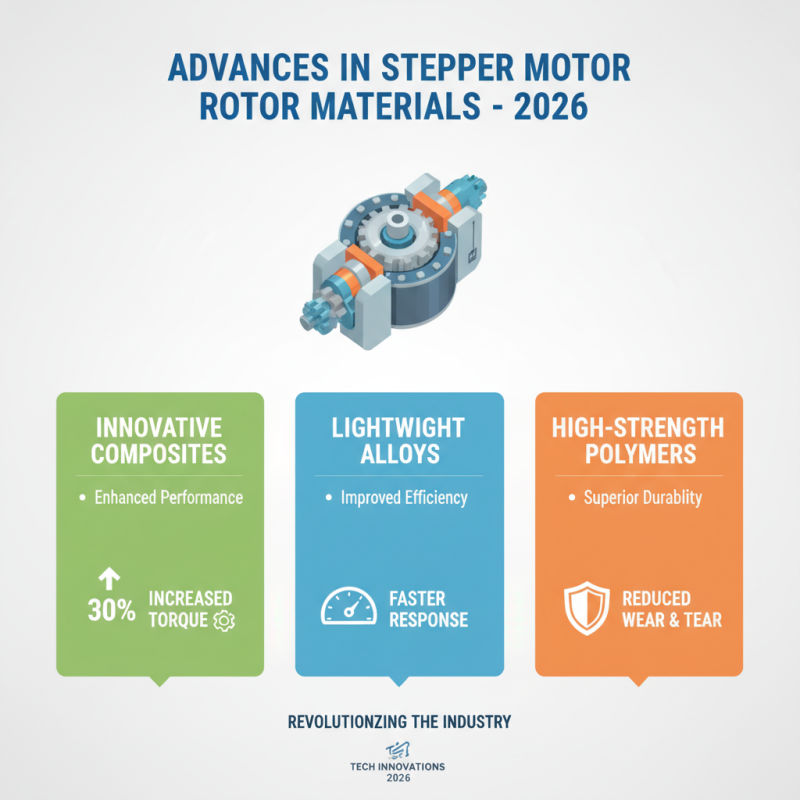
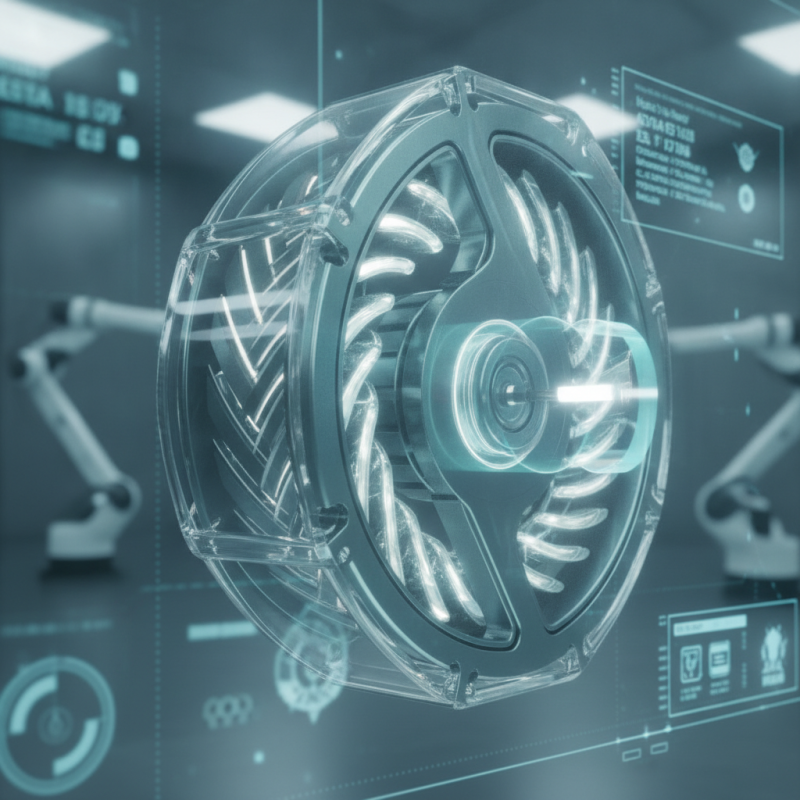
The advancements in materials for stepper motor rotors in 2026 are set to revolutionize the industry. Experts predict that innovative composites and lightweight alloys will enhance performance. These materials may increase torque by 30%, according to recent reports. The use of high-strength polymers will also boost durability, reducing wear and tear significantly.
Research shows that using amorphous metals can offer superior magnetic properties, leading to more efficient rotor designs. This could mean better energy consumption rates, potentially improving overall system efficiency by 20%. Additionally, integrating nanomaterials could lead to lighter rotors, which makes motors more compact and portable. However, challenges remain in balancing cost with performance.
While the outlook is promising, not all advancements are without flaws. The durability of new materials needs thorough testing. There are concerns over scalability and integration into existing manufacturing processes. A reflective approach is essential to navigate these challenges. As the industry evolves, continuous feedback from engineers and technicians will be crucial in refining these technologies.
Innovative Design Approaches to Enhance Stepper Motor Rotor Performance
Innovative design approaches in stepper motor rotor technology are transforming performance. Engineers are exploring new materials and geometries to improve efficiency. Lightweight composites are becoming popular due to their strength and reduced weight. Such materials allow for faster acceleration and deceleration.
Another focus is on rotor geometry. Innovative shapes can minimize cogging torque, enhancing smooth motion. Designs with unique pole configurations offer better control over torque output. These modifications require precise calculations, emphasizing the need for expertise in design.
Challenges remain in balancing performance and manufacturing costs. Achieving optimal efficiency can lead to increased production complexity. Engineers must, therefore, navigate these trade-offs carefully. Continuous testing and iteration will be crucial to refine these innovations. The journey towards enhancing stepper motor rotor performance is ongoing and demands thoughtful consideration.
2026 Top Innovations in Stepper Motor Rotor Technology
| Innovation Type |
Description |
Benefits |
Future Outlook |
| Magnetic Materials |
Utilization of high-performance magnetic materials for rotor design. |
Increased torque and efficiency. |
Continued development for higher efficiency motors. |
| 3D Printing |
Use of 3D printing technologies to create complex rotor geometries. |
Reduction in production costs and time. |
Expansion into customized applications. |
| Hybrid Designs |
Combination of traditional and advanced rotor designs. |
Improved performance across various applications. |
Potential for mass adoption in varied industries. |
| Smart Sensors |
Integration of smart sensors for real-time monitoring. |
Enhanced precision and performance tracking. |
Increased adoption in automation and robotics. |
| Cooling Technology |
Innovations in rotor cooling methods to enhance heat dissipation. |
Extended lifespan and reliability of motors. |
Greater efficiency in high-performance applications. |
Integration of Smart Technology in Stepper Motor Rotor Systems
The integration of smart technology in stepper motor rotor systems is revolutionizing industries. This innovation enhances performance and efficiency, addressing complex automation demands. According to a recent report by MarketsandMarkets, the stepper motor market is projected to grow from USD 2.7 billion in 2020 to USD 4.3 billion by 2026. This growth stems from the rising adoption of automation in various sectors.
Smart technology facilitates precise control and monitoring of stepper motors. For instance, IoT-enabled systems can optimize energy usage and allow predictive maintenance. This means fewer downtimes and reduced operational costs.
However, implementation challenges exist. Many companies still struggle with integrating these advanced technologies into existing infrastructures. Proper training for technical staff is crucial to leverage these innovations fully.
Tips: Start with small IoT projects to gain experience. Monitor performance metrics that matter most. Adjust your integration strategies based on real-world data. As smart technology continues to evolve, staying adaptable is key to harnessing its full potential in stepper motor rotor systems.
Impact of Miniaturization on Stepper Motor Rotor Efficiency
The advancement in stepper motor rotor technology is greatly influenced by miniaturization. Smaller rotor designs lead to improved torque density. According to a recent industry report, miniaturized stepper motors can achieve up to 25% higher efficiency than their larger counterparts. This translates to better performance in compact applications.
As rotor sizes decrease, the challenges of maintaining power and precision increase. Smaller components may struggle with heat dissipation, potentially affecting reliability. Engineers must evaluate the balance between size and performance. The latest research highlights a need for innovation in materials to address these limitations.
Tips: When designing miniaturized stepper motors, consider the thermal management strategies. Upgrading to advanced insulating materials could enhance performance. Regularly test prototypes to ensure they meet efficiency standards. Embrace collaborative feedback during the design phase. This approach can uncover potential pitfalls early, leading to successful iterations.
Future Trends in Stepper Motor Rotor Innovation and Application
The future of stepper motor rotor technology is vibrant and innovative. In 2026, we can expect significant advancements in rotor design and materials. Companies are exploring lightweight composites that enhance efficiency and reduce energy consumption. This shift can lead to improved performance in robotics and automation, where precision is crucial.
Another trend is the integration of smart technology. Rotors equipped with sensors could provide real-time feedback on performance. This data could optimize operations and reduce wear. Manufacturers are also looking into modular designs, allowing for easy upgrades. However, this approach may pose challenges in standardization and compatibility.
It's essential to consider the environmental impact of these innovations. Sustainable practices should guide material selection and production processes. While progress is exciting, it may overlook the broader implications. A balance between cutting-edge technology and responsible practices is necessary as we move forward.