





The distinction between absolute and incremental position feedback
In the realm of Motion Control systems, position feedback is crucial for accurate and reliable operation. Two primary types of position feedback elements exist: absolute and incremental. Each type has distinct characteristics and applications, making them suitable for different scenarios. This article explores the differences between absolute and incremental position feedback elements.
I. Absolute Position Feedback Elements
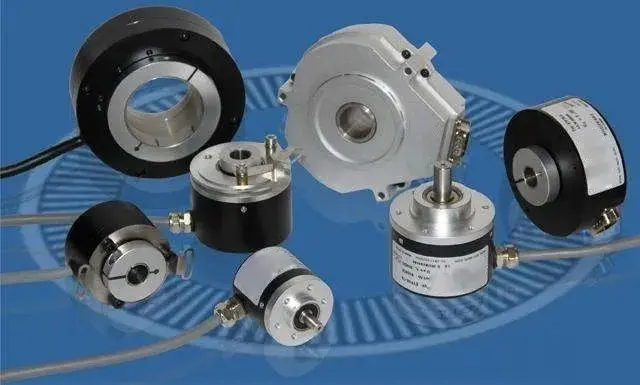
Absolute position feedback elements have the capability to remember the position of moving parts before a power outage. If the moving parts are manually moved during a power outage, upon re-energizing, the absolute feedback element can recognize the position change. Systems utilizing absolute position feedback elements do not require a return to the home position upon power-up.
Based on the method of storing multi-turn data during power outages, multi-turn absolute position feedback elements can be categorized into mechanical and battery-powered types. Mechanical types use multi-stage gears to record multi-turn data, while battery-powered types utilize backup batteries to preserve this information. It's important to note that batteries in battery-powered systems need to be replaced regularly, typically every 2-3 years.
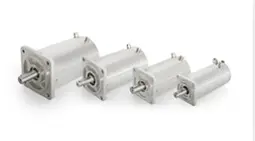
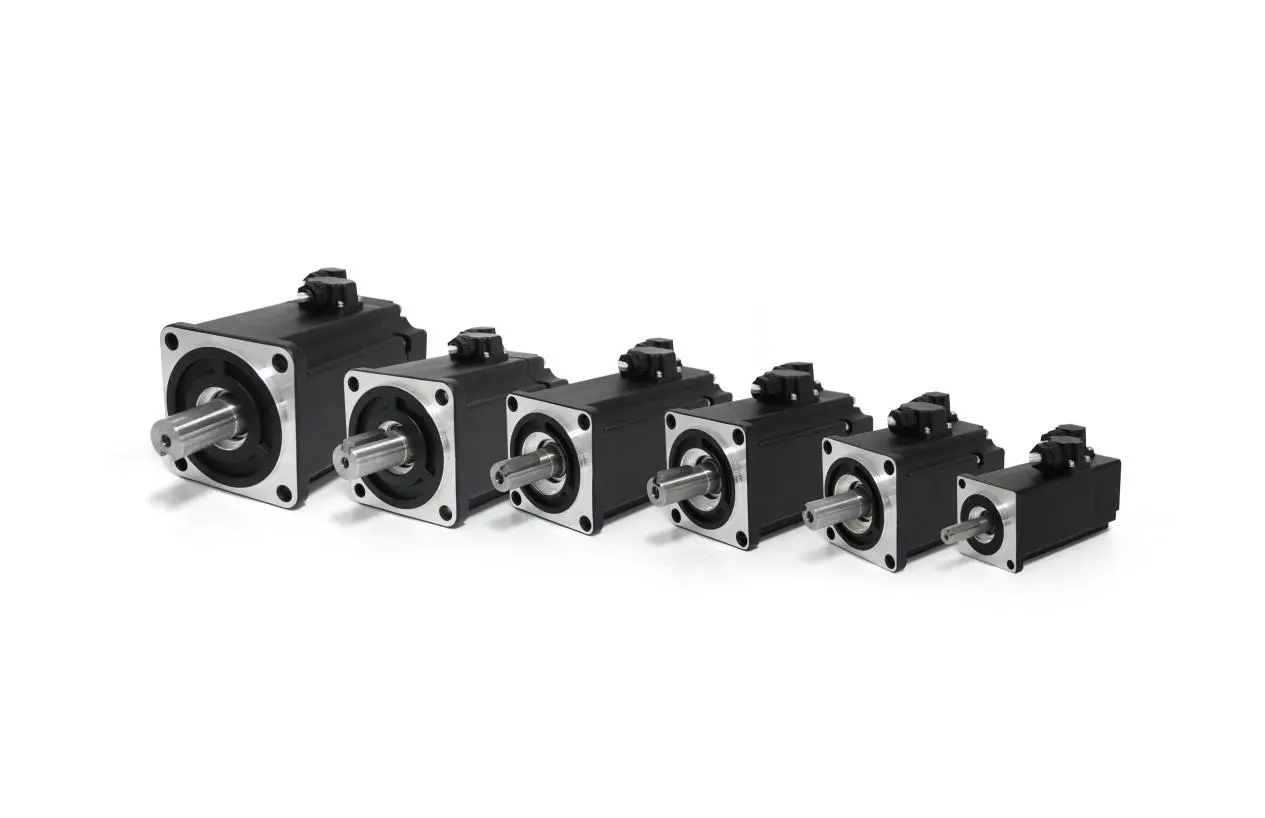
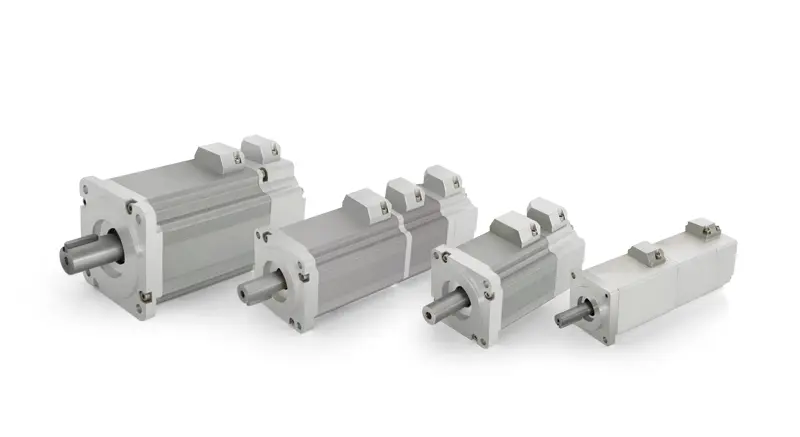
Jinshili Technology's KECM series servo motors offer an optional absolute encoder, which is a mechanical multi-turn absolute encoder.
II. Incremental Position Feedback Elements
Incremental position feedback elements, on the other hand, reset their position data to zero when the system is first powered up. They cannot retain the position of moving parts before a power outage. If the moving parts are moved manually during a power outage, upon re-energizing, incremental feedback elements cannot detect the position change. Therefore, systems using incremental position feedback elements need to return to the home position upon power-up to establish the initial zero position.
Jinshili Technology's KECM series servo motors come standard with a resolver, which is an incremental feedback element.
Conclusion
In summary, absolute and incremental position feedback elements serve distinct purposes in motion control systems. Absolute feedback elements offer the advantage of remembering positions even after power outages, eliminating the need for a home return sequence. They are particularly suitable for applications where precise position tracking is critical, even during power disruptions. Incremental feedback elements, while less complex, require a home return upon power-up and are not capable of retaining position information during power outages.
When selecting a position feedback element, engineers must consider the specific requirements of their application, including power stability, accuracy needs, and system complexity. Jinshili Technology's KECM series servo motors offer both absolute and incremental feedback options, allowing customers to choose the most suitable solution for their motion control needs.