Ultimate Guide to Stepper Electric Motors Tips for Buyers?
Stepper electric motors are revolutionizing industries with precision and efficiency. According to a recent report by Markets and Markets, the global stepper motor market is expected to reach $3.94 billion by 2025, growing at a CAGR of 6.5%. This growth highlights the increasing demand for high-performance motors across various applications.
For buyers, understanding the specifics of stepper electric motors is crucial. They operate on the principle of discrete steps, allowing for precise movement and control. Industries, from robotics to medical devices, rely on their accuracy. However, not all stepper motors are created equal. Specifications such as torque ratings and response time are vital to ensuring optimal performance.
Navigating the market can be challenging. The choices available may overwhelm buyers. It's essential to align motor specifications with application requirements. Neglecting this can lead to inefficiencies and increased costs. Hence, informed decisions can enhance system performance and reliability.
Understanding the Basics of Stepper Electric Motors
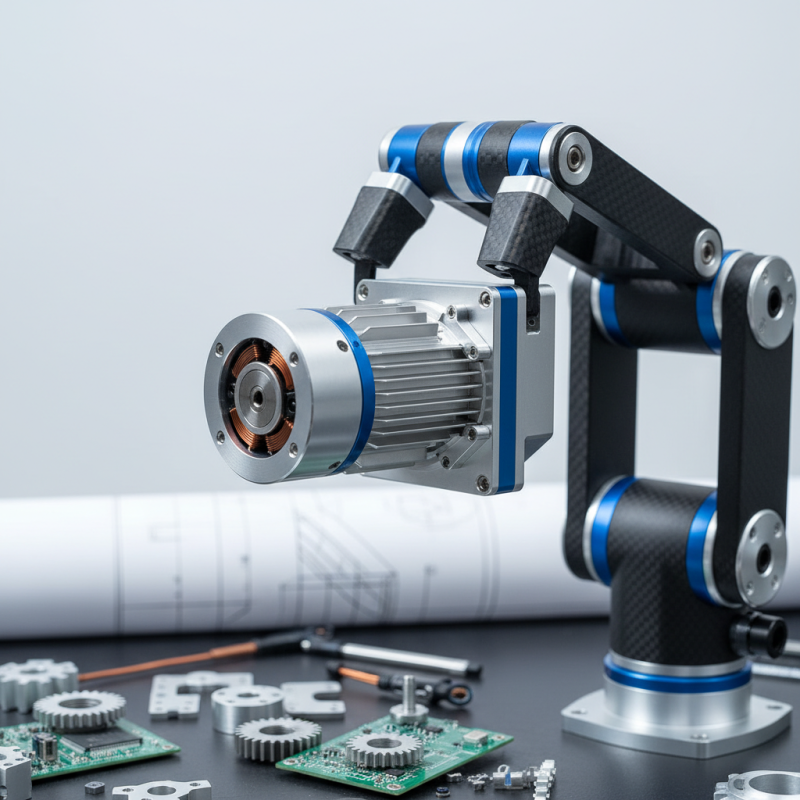
Stepper electric motors have gained significant traction in various industries, largely for their precision and reliability. According to a recent market report, the global stepper motor market is projected to reach USD 6.83 billion by 2026, growing at a CAGR of 5.2% from 2021. These motors utilize digital signals, enabling them to maintain exact positions without needing feedback. Their application spans robotics, 3D printers, and CNC machinery, making them integral to modern manufacturing.
Understanding the basics of stepper electric motors is crucial for informed decisions. They come in different types: permanent magnet, variable reluctance, and hybrid. Each type has distinct characteristics, providing options for varying application needs. However, it is important to note that stepper motors can experience issues like resonance and overheating, requiring buyers to consider operational environments carefully. For instance, ambient temperature can affect motor performance, resulting in torque drop-offs. Buyers must be aware of these technicalities while making a purchase.
In addition, the choice of driver plays a significant role in the motor’s performance. An inadequate driver may lead to reduced efficiency and increased noise. Research suggests that well-matched drivers can improve step resolution and response time. However, these elements often get overlooked, impacting overall success. Buyers should focus on compatibility between motors, drivers, and specific project requirements to avoid potential pitfalls.
Ultimate Guide to Stepper Electric Motors Tips for Buyers
| Specification |
Details |
| Type |
Permanent Magnet Stepper Motor |
| Step Angle |
1.8° (200 steps/revolution) |
| Holding Torque |
0.45 Nm |
| Current Rating |
1.5 A/phase |
| Voltage |
12 - 24 VDC |
| Dimensions |
42 x 42 mm |
| Weight |
0.5 kg |
| Applications |
3D printers, CNC machines, robotics |
| Control Method |
Open-loop control, microstepping |
Types of Stepper Motors and Their Applications
Stepper motors come in various types, each suited for specific applications. The most common types are permanent magnet stepper motors, variable reluctance stepper motors, and hybrid stepper motors. Permanent magnet motors generate torque using magnets. They are often used in applications requiring high precision and low speeds. This makes them popular in 3D printers and robotics.
Variable reluctance motors lack permanent magnets and rely on the magnetic field’s variation. These motors are less common but are efficient for simple tasks. They tend to be lightweight and cost-effective. In practical use, they fit applications like toys and basic automation systems.
Hybrid stepper motors combine features of both types. They offer greater torque and precision, making them ideal for CNC machines and laser cutters. However, they can be more complex and costly. Selecting the right motor type is crucial. Buyers should carefully consider their application's requirements and weigh the pros and cons of each motor type. Understanding these details can guide the decision-making process effectively.
Key Specifications to Consider When Buying
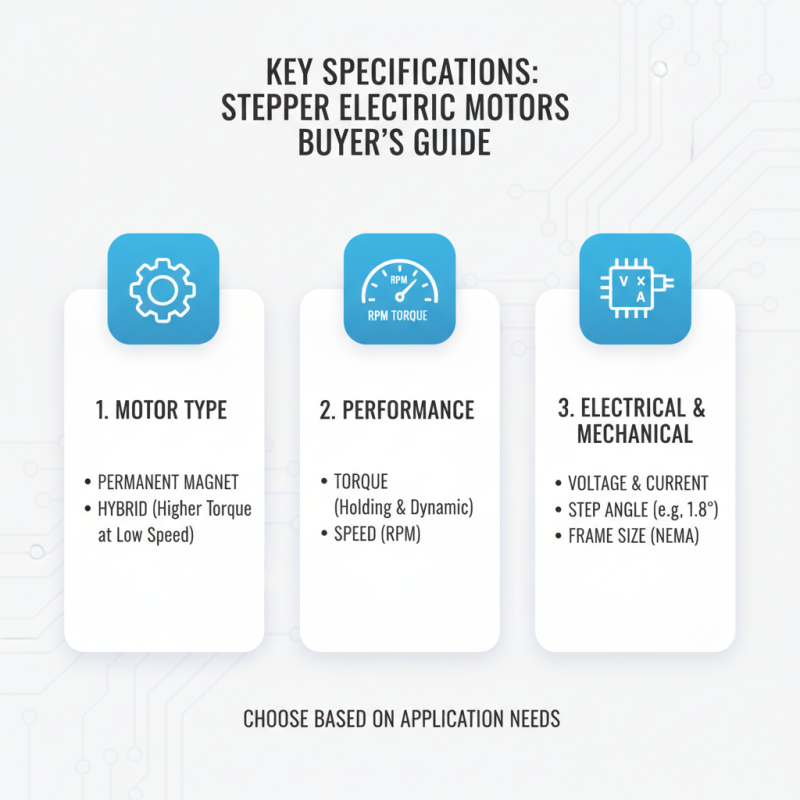
When considering the purchase of stepper electric motors, it’s essential to focus on key specifications. Motor type is a primary factor. Different designs, such as permanent magnet and hybrid stepper motors, offer distinct benefits for various applications. For instance, hybrid steppers commonly deliver higher torque at lower speeds. Understanding your application needs can lead to a more informed choice.
Torque ratings are critical. According to industry studies, optimal torque improves accuracy in motion control. A motor’s holding torque should match your requirements. Too little torque may lead to skipped steps, compromising performance. Another vital specification is step angle, which influences precision. Common angles are 1.8 and 0.9 degrees. A smaller angle typically enhances positional accuracy, important for intricate tasks.
Lastly, consider thermal performance. Higher temperatures can reduce lifespan. Many reports suggest that motors operating in cooler environments tend to perform reliably longer. It's important to evaluate the motor's thermal management capabilities, ensuring durability and efficiency. Don't overlook the importance of integration compatibility, as it can affect overall system performance. Making these assessments can significantly impact the success of your projects.
Common Buyer Mistakes and How to Avoid Them
When considering stepper electric motors, one common mistake buyers make is overlooking motor specifications. They often focus solely on torque capacity. However, parameters like step angle and holding torque play crucial roles too. A smaller step angle usually means higher precision. Understanding these details is vital for selecting the right motor for your application.
Another frequent oversight is neglecting the compatibility of the motor with the controller. Buyers sometimes assume that any controller will work with their stepper motor. This assumption can lead to poor performance. It's essential to check the voltage and current ratings. Mismatches can result in inefficient operation or even damage. Always verify compatibility to avoid costly mistakes.
Lastly, many buyers ignore the environmental conditions where the motor will operate. Factors like heat, humidity, and dust can impact longevity and performance. Some motors are not suitable for high-temperature environments. Understanding these environmental requirements can save you from future headaches. Consider these aspects carefully before making a purchase.
Installation and Maintenance Tips for Stepper Motors
When installing stepper motors, precision is crucial. Improper installation can lead to misalignment and operational issues. According to industry studies, nearly 30% of stepper motor failures result from installation errors. Begin by ensuring that the mounting surface is flat and free of debris. Use a torque wrench to fasten the screws to the manufacturer's specifications, preventing any looseness or excess stress.
Maintenance is equally vital for longevity. A clean environment minimizes dust accumulation, which affects performance. Regular inspection can identify issues before they escalate. It's recommended to check wiring connections and look for signs of wear, particularly in high-use applications. An estimated 25% of maintenance-related failures in motors could be mitigated by routine checks. Keeping a log of maintenance activities ensures accountability. This structured approach can improve reliability and operational efficiency.