Leave Your Message

Top 10 Vehicle Seats Test Tips for Optimal Comfort and Safety?

When it comes to comfort and safety, the vehicle seats test is crucial. Many people overlook the importance of testing vehicle seats before making a purchase. It's not just about the appearance; comfort makes a significant difference during long drives. A seat that feels good may not always be safe, and vice versa.

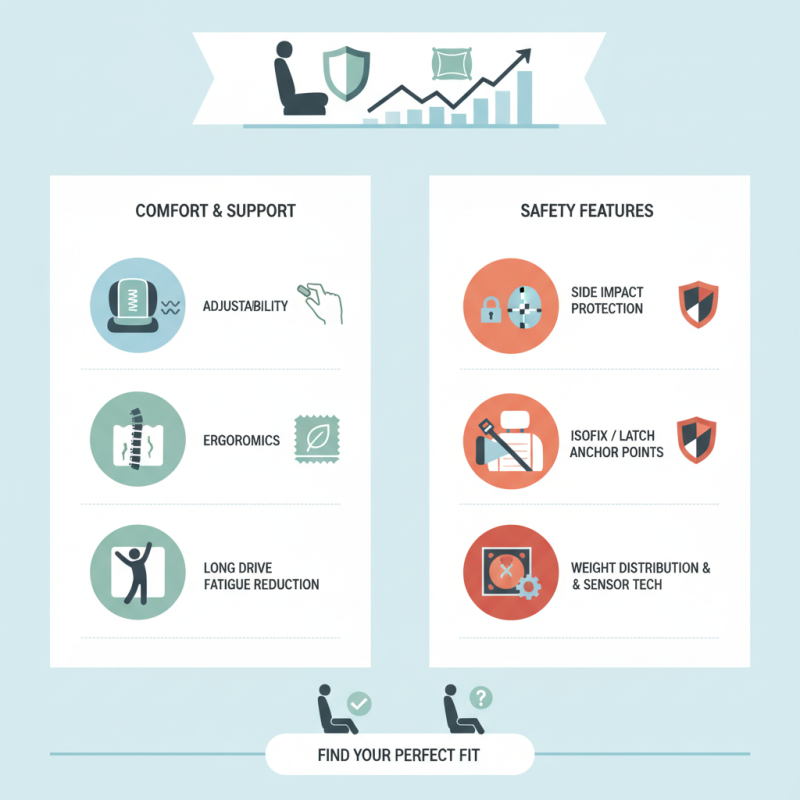
In this article, we explore the top 10 tips for vehicle seats test. Each tip focuses on comfort, support, and safety features. You'll learn about the significance of seat materials, adjustability, and ergonomics. These factors can determine how well your body is supported on a road trip.

Conducting a thorough vehicle seats test can prevent discomfort and potential injuries. Seats may look inviting, yet they might not be suitable for everyone. Understanding your own needs is essential. Not every seat fits every person perfectly. This guide aims to help you find the right balance between comfort and safety.

Top 10 Vehicle Seats Test Tips for Optimal Comfort and Safety?

Understanding the Importance of Vehicle Seat Comfort and Safety

Top 10 Vehicle Seats Test Tips for Optimal Comfort and Safety?

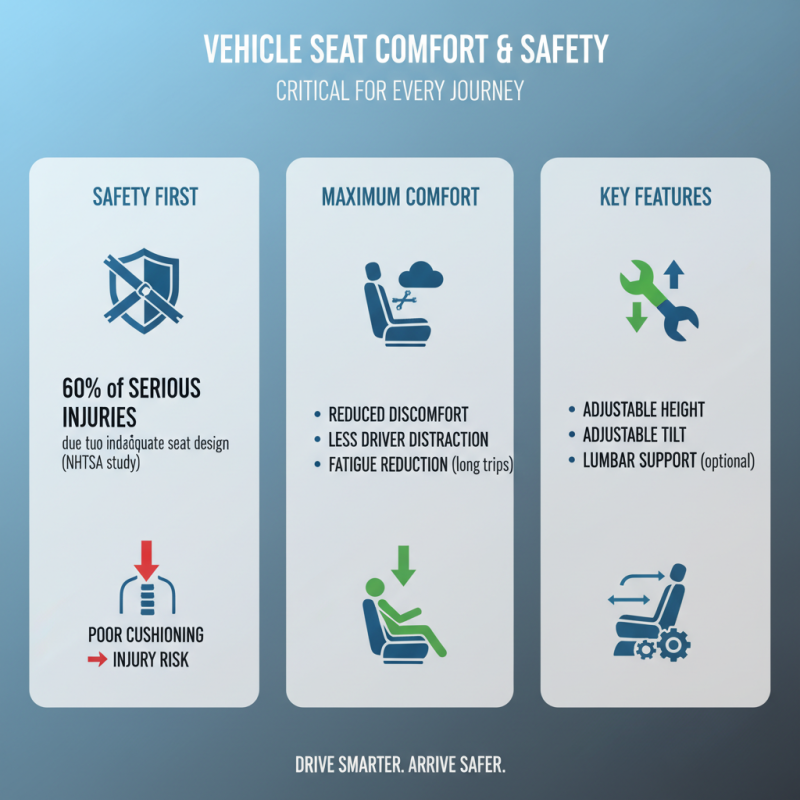
Comfort and safety in vehicle seats are paramount for any driver and passenger. A study by the National Highway Traffic Safety Administration (NHTSA) revealed that 60% of serious injuries in vehicle accidents are due to inadequate seat designs. A seat that lacks proper cushioning can lead to discomfort, causing distractions while driving. Adjustability in height and tilt is essential for reducing fatigue during long trips.

The ergonomics of vehicle seats play a crucial role. A report from the Society of Automotive Engineers found that poorly designed seats can lead to musculoskeletal issues over time. They noted that a slouched position in a car seat strains the back and neck, impacting overall well-being. Regular assessments of seat designs are necessary. Many users remain unaware of the importance of lumbar support. Proper support can decrease discomfort and prevent injuries.

Testing various seats for comfort and safety should consider these factors. Make note of how well the seat conforms to your body's shape. The right fit can mean the difference between an enjoyable ride and a painful experience. Relying solely on aesthetics may lead to oversight. Addressing both comfort and safety is not just beneficial; it is essential for every journey.

Evaluating Seat Design for Ergonomics and Support

Evaluating seat design for ergonomics and support is crucial for vehicle safety and comfort. Research shows that nearly 80% of drivers experience discomfort during long trips. Proper seat design can help alleviate this issue. Ergonomic seats should support the lower back and promote good posture. Studies indicate that lumbar support can reduce fatigue, enhancing overall driving performance.

Considering seat materials is equally important. High-quality foam and adjustable features can significantly improve comfort. A survey reported that 70% of participants preferred seats with memory foam over traditional options. Furthermore, testing shows that seat angle and depth affect comfort levels. Unfortunately, many vehicles lack proper adjustability, leading to poor user experience. This oversight can lead to long-term health problems.

It’s essential to regularly assess seat designs for improvement. Feedback from users often highlights issues like insufficient thigh support or inadequate headrest position. Collecting data on user experiences can provide insights for future designs. Vehicles should focus on creating seats that not only look good but also prioritize driver and passenger wellbeing.

Top 10 Vehicle Seats Test Tips for Optimal Comfort and Safety

Tip Number Testing Aspect Description Ergonomic Factors Safety Features
1 Seat Cushioning Test the durability and comfort of different cushioning materials. Posture support, pressure distribution. Airbag deployment zone.
2 Adjustability Evaluate the range of adjustments for seat height, tilt, and lumbar support. Custom fit for different body types. Secure mounting points.
3 Material Quality Assess the wear and tear resistance of fabrics and materials. Breathability and heat regulation. Flame retardant materials.
4 Back Support Measure lumbar support effectiveness during long-duration sitting. Lumbar curve support. Headrest stability during impacts.
5 Safety Harness Check ease of use and safety ratings of seatbelts and harnesses. Ease of donning and doffing. Integrated safety features.
6 Visibility Assess how the seat height affects driver visibility. Line of sight to instruments and rearview. Field of vision in crash tests.
7 Seat Feel Test tactile feedback and comfort levels while sitting. Comfort over long travel. Ejection safety features.
8 Climate Control Evaluate heating and cooling features in seats. Temperature regulation for comfort. Impact on occupant safety during temperature extremes.
9 Easy Cleaning Assess how materials hold up against spills and stains. Maintenance of appearance and hygiene. Preventive measures against mold.
10 Installation Ease Check the time and effort required to install the seat properly. Fit across a range of vehicles. Secure installation standards for safety.

Testing Seat Materials for Durability and Comfort

When testing vehicle seats, the choice of materials is pivotal for both durability and comfort. Soft fabrics may feel nice but might not withstand wear. Leather offers elegance but can become slippery over time. Each material has its strengths and weaknesses. Think about your needs before making a choice.

One testing tip is to examine seams and stitching. Loose threads can indicate poor craftsmanship. If the seat feels uneven, it may not provide proper support during long drives. Pay attention to the padding, too. Too much cushion can make you feel trapped. Too little can lead to fatigue.

Consider the climate where you live. Some materials retain heat, while others stay cool. If you often drive in extreme conditions, ensure your seat materials adapt accordingly. Don’t forget to test the seats by sitting in them for a while. Take note of any discomfort after a short period. That can reveal potential long-term issues. Think about these aspects carefully to determine what truly fits your needs.

Assessing Seat Adjustability Features for Optimal Fit

When assessing vehicle seats for comfort and safety, adjustability is key. Research from the National Highway Traffic Safety Administration shows that proper seat position can reduce injury risk by up to 50%. Features such as lumbar support, height adjustment, and recline angles contribute significantly to a driver's ergonomics.

Many drivers overlook how these features affect their driving experience. A seat that is too high can limit visibility, while one that is too low may lead to poor posture. The average driver may spend over 300 hours annually in their vehicle. With that much time on the road, a seat that fits well becomes a necessity.

However, not all vehicles offer the same level of adjustability. Industry reports suggest that over 30% of drivers do not utilize all available seat features. This often results in discomfort during long drives. It is crucial to take time to understand each adjustment and its implications for driving safety. Learning to adjust the seat correctly can lead to a more enjoyable and safer driving experience.

Conducting Safety Tests to Ensure Crashworthiness and Protection

The safety of vehicle seats is crucial. Conducting safety tests ensures crashworthiness and protection for passengers. According to a 2022 report by the National Highway Traffic Safety Administration (NHTSA), over 22,000 injuries result from car accidents yearly. Many of these injuries could be mitigated by well-designed seats.

Tip 1: Test seat adjustments thoroughly. Ensure they can accommodate different body types. A poorly designed seat can lead to injuries in a crash. Even slight misalignments can worsen outcomes.

Tip 2: Evaluate cushioning materials. Rigid seats may lead to greater injury risk compared to those with advanced materials. Research indicates that softer, more adaptive seats better absorb shock during collisions.

In real-world scenarios, seating positions matter. A high seatback may provide more support, but it can also obstruct visibility. Test different configurations in various vehicles. Gather data on seating comfort, but don't ignore safety features. Weigh both factors carefully.

Despite advancements, many seats still lack sufficient side support. This oversight can increase the risk of serious injuries in side-impact crashes. It's vital to keep refining designs for better protection.