China Top Stepper Motor Repair Services and Solutions Guide?
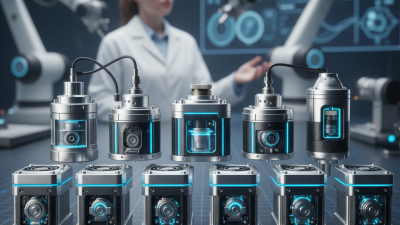
In the realm of industrial automation, the efficient operation of machinery is crucial. Stepper motors play a vital role in this. However, these motors can encounter problems, leading to unplanned downtime. This is where expert Stepper Motor Repair services come into play. Dr. Emily Zhang, a leading authority in motor technologies, states, "Timely repair can extend the life of your stepper motor significantly."
Choosing the right repair service is essential. Many companies promise quick fixes, yet not all deliver on quality. It's critical to evaluate their experience and expertise. Reliable Stepper Motor Repair solutions focus on diagnosing the root cause of issues. This prevents repeated failures in the future.
When selecting a repair service, consider their track record. Ask about the technology and methods they employ. Not all repairs are straightforward; some may require in-depth analysis. A trustworthy service will communicate the repair process clearly. Understanding your stepper motor's specific needs is vital. Gaps in knowledge can lead to further complications down the line.
Overview of Stepper Motors in Industrial Applications in China
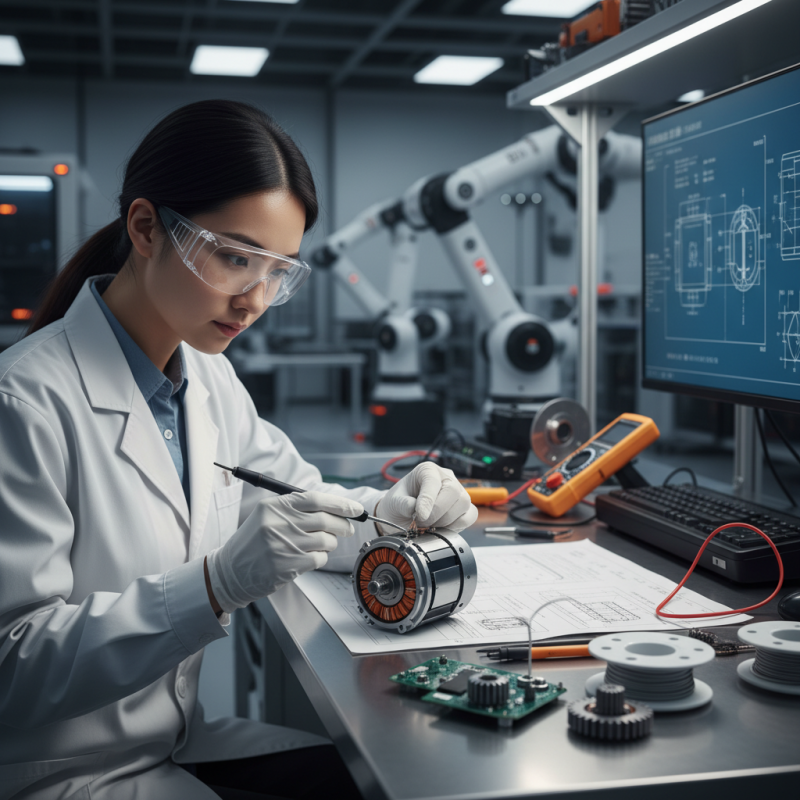
Stepper motors play a vital role in various industrial applications in China. These motors provide precise control over movement and positioning. They are widely used in robotics, automation, and CNC machinery. Their ability to maintain accuracy under various loads makes them invaluable in complex manufacturing processes.
However, stepper motors are not without challenges. Overheating and misalignment can lead to performance issues. Regular maintenance is important to prevent breakdowns. Many industries face difficulties in sourcing reliable repair services. Finding experienced technicians who understand the intricacies of stepper motors is crucial.
Innovation in the field of motor technology continues to evolve. Newer designs offer improved efficiency and reliability. Yet, many companies still rely on outdated systems. This can lead to operational inefficiencies. Addressing these gaps is essential for improving overall productivity in manufacturing environments.
China Top Stepper Motor Repair Services and Solutions Guide
| Service Type |
Typical Application |
Common Issues Addressed |
Repair Duration |
Cost Estimation (USD) |
| Motor Calibration |
CNC Machines |
Inaccurate Positioning |
2-4 hours |
150 - 300 |
| Winding Repair |
3D Printers |
Overheating |
1-2 days |
200 - 500 |
| Driver Replacement |
Robotics |
Failure to Start |
1-3 hours |
100 - 200 |
| Shaft Alignment |
Assembly Lines |
Vibration Issues |
2-5 hours |
150 - 350 |
| Full Motor Overhaul |
Textile Machines |
Complete Failure |
3-7 days |
500 - 1000 |
Common Issues Faced by Stepper Motors and Repair Statistics
Stepper motors are widely used in various applications due to their precision and reliability. However, they can encounter several common issues that affect performance. One major problem is overheating, which can result from excessive current or poor ventilation. This condition compromises efficiency and may lead to permanent damage. Users should monitor temperature levels regularly to prevent overheating and maintain optimal function.
Another frequent issue is misalignment. This can occur due to mechanical wear or improper installation. Misalignment leads to abnormal vibrations and noise, significantly affecting operation. Regular maintenance and periodic realignment can help mitigate these issues. It's essential to address these factors early to improve the longevity of the motor.
Repair statistics indicate that a significant percentage of stepper motors need servicing every year. Many users report a lack of proper documentation when experiencing issues. Some also mentioned relying on advice from online forums, which can be misleading. This reflects the importance of expert guidance in diagnosing and repairing problems effectively. Engaging with knowledgeable professionals can lead to more reliable solutions.
Common Issues Faced by Stepper Motors
This chart represents common issues faced by stepper motors based on repair service statistics. The data indicates the frequency of different problems observed during repairs, highlighting areas where users may experience challenges.
Step-by-Step Guide to Diagnosing Stepper Motor Failures
Diagnosing stepper motor failures requires a structured approach. Common issues include overheating, loss of steps, and erratic motion. A report from the International Society of Automation indicates that improper voltage settings are responsible for around 30% of stepper motor failures. Ensuring the right voltage can prevent many of these issues.
When diagnosing, start by checking the connections. Loose or damaged wires can disrupt performance. According to industry statistics, approximately 25% of stepper motor problems arise from faulty wiring. Measuring the resistance across the motor phases can also reveal failures. A reading far outside typical values signals a deeper issue.
Thermal issues are prevalent as well. Motors operating above recommended temperatures can lead to permanent damage. The Electric Power Research Institute suggests that maintaining optimal cooling can extend motor life by up to 50%. Regular checks on the ambient temperature and ensuring adequate ventilation are crucial for long-term functionality. Watch for signs of wear and tear, such as noise or vibrations, as these can indicate imminent failure.
Leading Repair Service Providers for Stepper Motors in China
When it comes to stepper motor repair in China, several service providers stand out. These companies specialize in diagnosing issues and restoring motors to optimal performance. Their expertise includes both mechanical repairs and electronic troubleshooting, ensuring that customers receive comprehensive solutions.
Tips for selecting a service provider:
Look for companies with a solid track record. Reviews and testimonials can offer insights into their reliability. Consider providers that use genuine parts for repairs. This ensures the longevity of your motors. Efficiency matters; choose a service that provides fast turnaround times.
Additionally, service providers may offer preventive maintenance. Regular check-ups can identify issues before they escalate. Seek out professionals who are knowledgeable about various stepper motor types. Their experience will be invaluable when addressing unique problems. A detailed service report can also help track the motor’s health over time. Remember, not all providers are equal, so make informed choices.
Cost Analysis of Stepper Motor Repairs vs. Replacements in the Industry
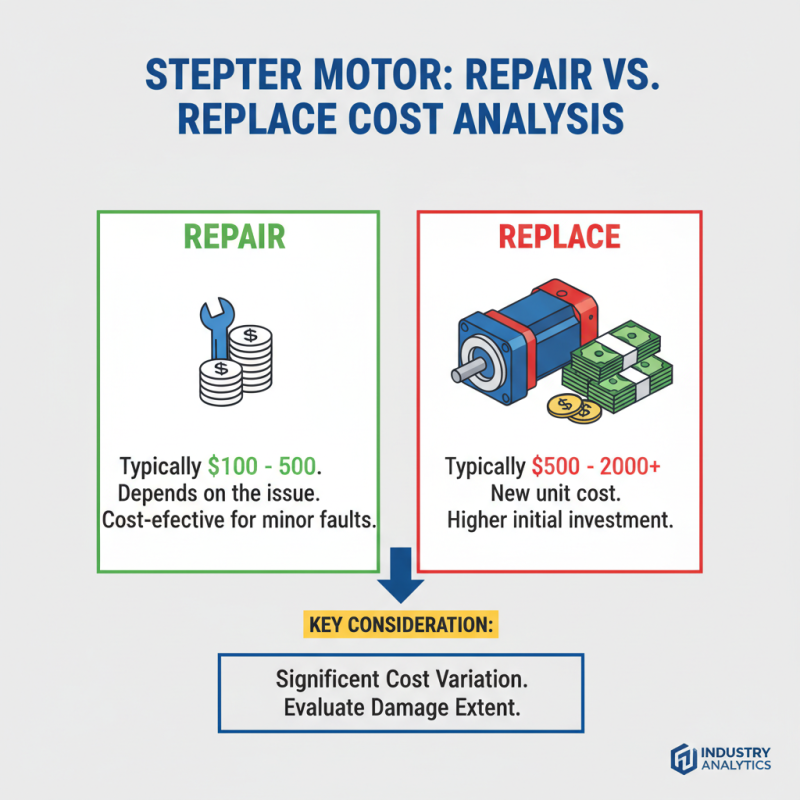
When examining the cost analysis of stepper motor repairs versus replacements, industry data shows significant variations. According to a recent report, repair costs may range from $100 to $500, depending on the issue. In contrast, new stepper motors can cost between $500 and $2000. This stark difference necessitates careful consideration.
Industry professionals suggest that while repairing a motor can save money, it’s crucial to assess the extent of damage. Minor issues like wiring faults can often be fixed economically. However, for motors showing signs of wear, replacement might prove wise. Frequent repairs create downtime, impacting production efficiency.
**Tips:** Always document the history of repairs. This data can help determine trends and make informed decisions. Consider longevity versus upfront costs when assessing repairs. In certain cases, cheaper repairs may not be the best choice if they lead to recurring problems. Regular maintenance can enhance longevity, helping to avoid costly replacements altogether.