Top Features of Stepper Motor Rotor You Should Know?
The world of stepper motors is intricate and fascinating, especially when it comes to the stepper motor rotor. Experts like Dr. Samuel Green, a leading authority in motor technology, once stated, "The rotor is the heart of the stepper motor." This emphasizes its crucial role in performance and precision.
Understanding the unique features of stepper motor rotors is essential for engineers and designers. These rotors are characterized by their magnetic properties and construction. The selection of materials affects torque, speed, and efficiency. Many manufacturers struggle with optimizing these aspects in their designs.
Moreover, as industries evolve, so does the demand for advanced stepper motor solutions. While many aim for perfection, achieving efficiency often leads to compromises. The balance between complexity and functionality remains a challenge. Recognizing these nuances can drive innovation in the stepper motor rotor industry, ultimately enhancing product quality and user satisfaction.
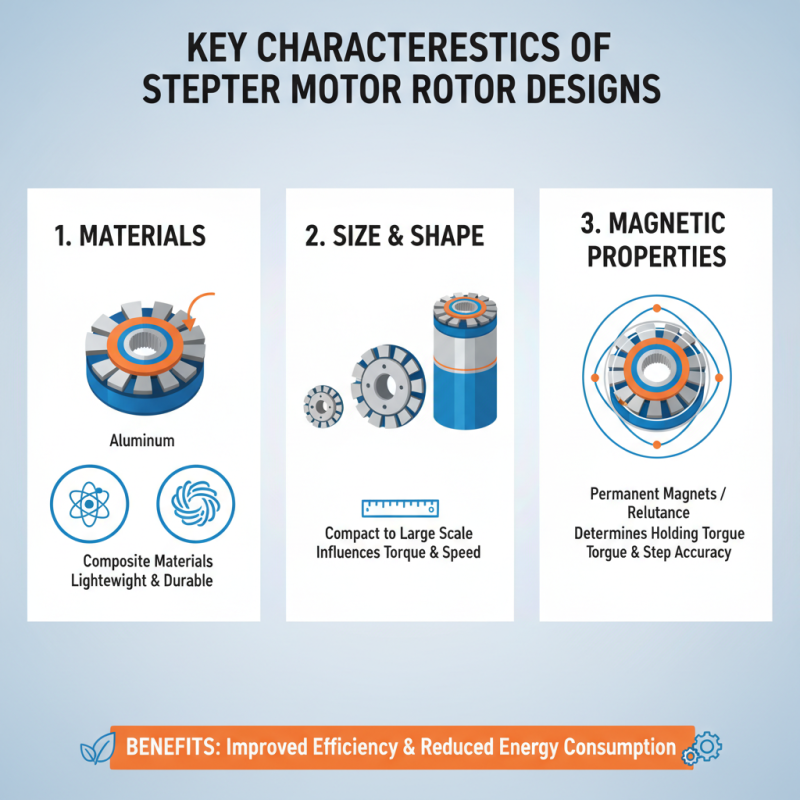
Key Characteristics of Stepper Motor Rotor Designs
Stepper motors are essential components in many applications, from 3D printers to robotic systems. Understanding the rotor designs can significantly influence performance. Key rotor characteristics include construction materials, size, and magnetic properties. Aluminium and composite materials are frequently used for their lightweight and durable nature. These materials can improve efficiency and reduce energy consumption, which is critical in modern technology.
The rotor plays a crucial role in the motor's torque and speed. A well-designed rotor can achieve high step accuracy, crucial in precision applications. Reports indicate that effective rotor design can increase torque output by up to 50%. Despite these advantages, some rotors may suffer from heat dissipation issues. This rise in temperature can lead to reduced lifespan and performance degradation.
It's also notable that rotor size impacts the overall stepper motor performance. Smaller rotors offer quicker acceleration but may sacrifice some torque. Conversely, larger rotors can generate more torque but may lack the agility required for rapid movement. Striking the right balance is often a challenge in rotor design. Continuous innovations in materials and designs are needed to address these issues while improving performance metrics.
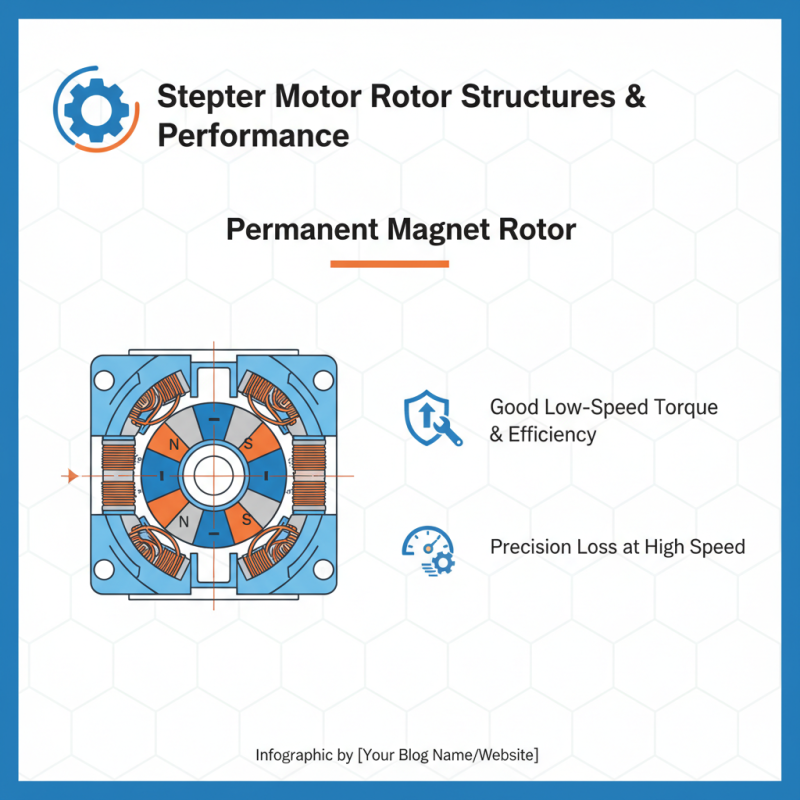
Types of Rotor Structures and Their Impact on Performance
The rotor structure of a stepper motor is crucial for its operation. There are several types of rotor designs, each impacting performance differently. A permanent magnet rotor is common. It provides good torque at low speeds. This design is efficient, but not perfect. When moving quickly, it can lose precision.
Another design is the variable reluctance rotor. This rotor has teeth that align with stator poles. It offers smooth motion at higher speeds. However, it may struggle with low-speed torque. Engineers often face challenges balancing speed and torque in these designs.
Hybrid rotors combine features of both. They utilize magnets and a toothed structure. This combination allows for better performance across a range of speeds. Nevertheless, hybrid systems can be more complex to manufacture. Each rotor structure presents opportunities and challenges, making careful consideration essential for optimum performance.
Material Selection for Stepper Motor Rotors: Benefits and Challenges
Material selection for stepper motor rotors is crucial. The right materials can enhance performance and efficiency. Common materials include steel, aluminum, and composites. Each material has unique characteristics that affect torque, weight, and cost.
Steel is strong and durable. It offers good magnetic properties, making it a popular choice. According to industry reports, high-grade steel can improve torque output by up to 15%. However, its weight can be a disadvantage in applications requiring a lightweight design.
Aluminum is lighter and corrosion-resistant. Yet, it may not provide the same magnetic performance as steel.
Composites present a modern alternative. They can be engineered for specific applications, offering a balance of weight and strength. However, the challenges include higher production costs and complexity in manufacturing. Ensuring the appropriate mix of materials is essential to maintain reliability and cost-effectiveness. A wrong choice can lead to inefficiencies and increased wear. This highlights the ongoing need for research and development in material technologies for stepper motors.
Magnetic Properties of Stepper Motor Rotors and Their Effects
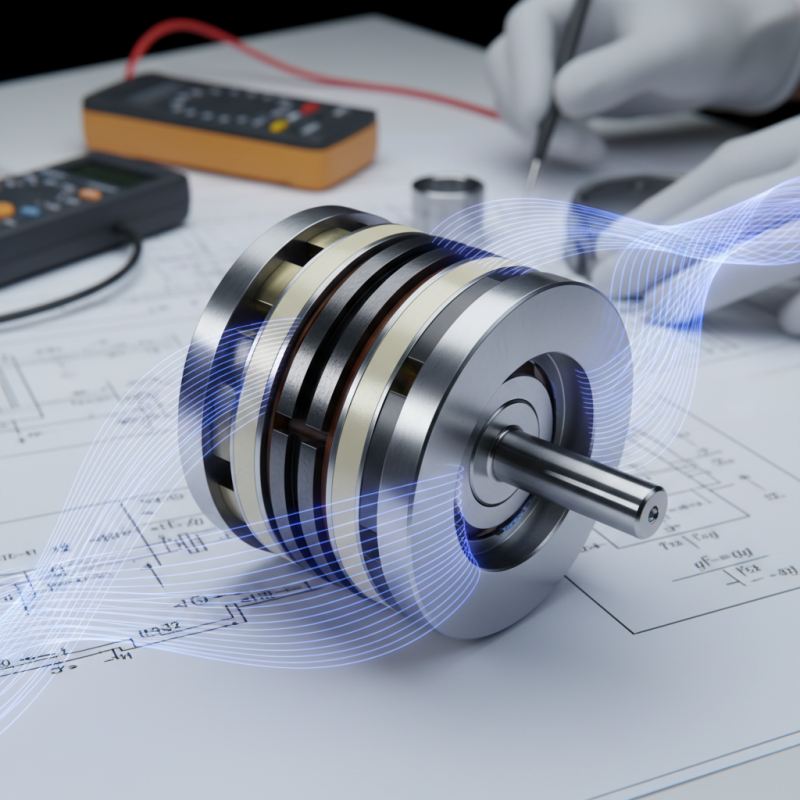
Stepper motor rotors are integral components that directly impact performance. Their magnetic properties define how effectively they operate. These rotors are often made from materials with high magnetic permeability. This enhances their ability to hold and manipulate magnetic fields. The arrangement of magnetic poles also plays a crucial role in their functionality.
Each rotor design presents unique challenges. Variations in pole number can lead to different torque and speed characteristics. A rotor with fewer poles might yield higher speed but lower torque. Conversely, a rotor with more poles often produces higher torque at lower speeds. The choice of magnetic materials can influence efficiency as well. Materials that degrade under heat can diminish performance over time.
Magnetic saturation is another factor to consider. When the rotor reaches its saturation point, it loses effectiveness. This can create undesired heating and affect overall efficiency. It's critical to find the right balance. Designers must evaluate trade-offs between speed, torque, and heating. Every decision carries weight and potential consequences.
Efficiency Ratings and Thermal Management in Rotor Operation
Stepper motors are widely used for their precise control and reliability. However, the efficiency ratings of the rotor play a crucial role in overall performance. Understanding how efficiency and thermal management affect rotor operation can help maximize their lifespan and functionality.
When operating a stepper motor, heat generation is inevitable. Excessive heat can lead to decreased efficiency. This results in reduced performance and can damage the rotor over time. It’s essential to monitor the temperature during operation. Utilizing additional cooling mechanisms, like fans, may be beneficial in high-demand applications.
Tips for better thermal management: First, ensure proper ventilation around the motor. Second, regularly inspect for dust or debris that can block airflow. Finally, consider using thermal pads or heat sinks to dissipate heat more effectively. These practices can enhance rotor efficiency and prolong the motor's operational life.
Observe your motor's performance metrics closely. If there's a drop in efficiency, it may indicate overheating or mechanical issues. Be proactive in addressing these challenges to maintain optimal functionality. Regular maintenance checks are crucial, even if they seem time-consuming or unnecessary. A small investment in time can lead to significant benefits.
Top Features of Stepper Motor Rotor - Efficiency Ratings and Thermal Management
This chart displays the efficiency ratings of various stepper motor rotor designs alongside their thermal management capabilities. The data illustrates the relationship between rotor types and their performance metrics in thermal operations.