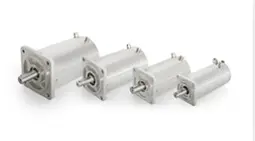
KSSM series radiation resistant servo motor
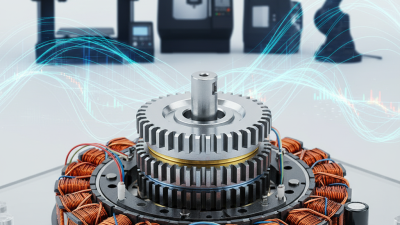
The KSSM series servo motor is a special servo motor designed for application environments such as ultra-high vacuum ultra-high tem- perature, deep low temperature, and irradiation. The shell is made of stain- less steel material and uses a rotary transformer as the motor position feedback component. Rated power of 400W, 750W.1800W, 3800W, volt- age level of 48VDC/220V AC/380VAC.
The Quiet Stepper is a great addition to any home workout routine. It offers an effective way to stay fit while minimizing noise. Many people love its discreet operation, which allows them to exercise without disturbing others. However, using a Quiet Stepper effectively requires some thought and strategy.
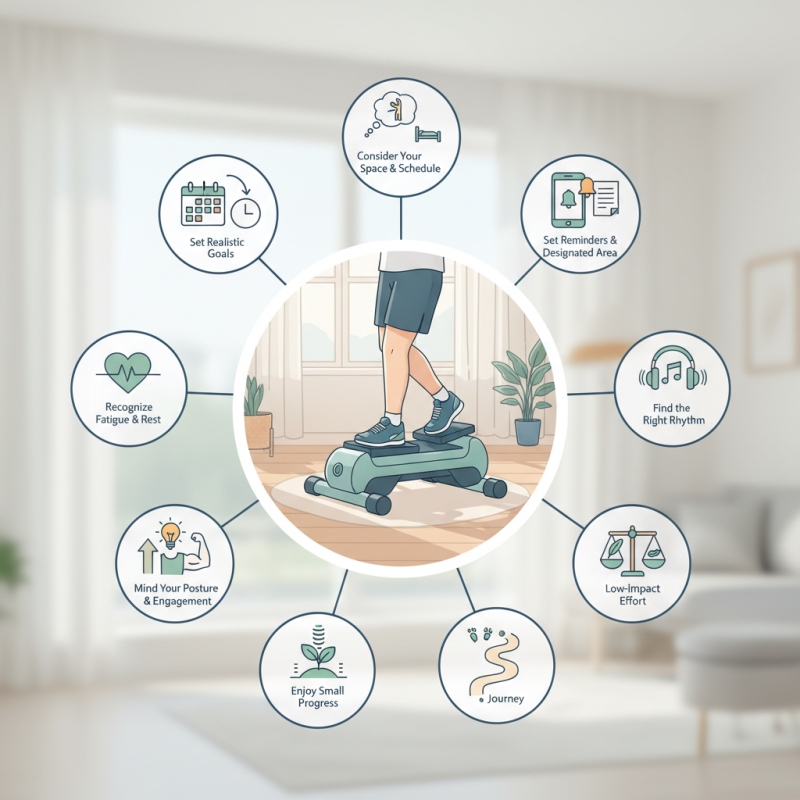
Incorporating the Quiet Stepper into your daily life can be challenging. It’s easy to lose motivation, especially if you don’t have a plan. Setting realistic goals helps. Consider your space and schedule before jumping in. Maybe you’ll need reminders or a designated workout area. It’s also important to recognize when your body feels fatigued. Overdoing it may lead to burnout.
Finding the right rhythm is essential. The Quiet Stepper can be low-impact, but it still requires effort. Stay mindful of your posture and engagement. Don’t forget to enjoy the progress you make, no matter how small. Each step counts, even when things feel slow. Embrace the journey with all its ups and downs.
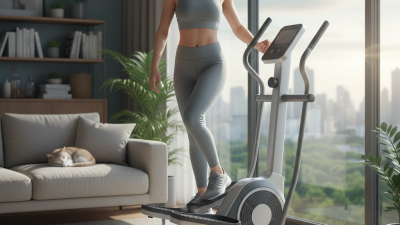
When choosing the right location for your quiet stepper at home, consider the space's functionality. A living room can be a great choice. It’s spacious and allows you to exercise while watching TV. But be mindful of cables and furniture. You might trip. A corner can feel cramped and awkward for movement.
A home office is another option. It allows you to mix work and fitness, which sounds ideal. However, the distraction of work might hinder your focus. Ensure there’s enough room to maneuver. An airy, light environment enhances your mood. Finding that sweet spot helps create a working rhythm.
Don’t forget about vibrations. If you live in an apartment, be conscious of neighbors below. Place a mat underneath to minimize noise. Sometimes, the chosen spot seems perfect at first. But over time, that position may feel constrained. Be ready to shift your stepper around as needed. Experimenting with different locations is key to making the experience enjoyable.
Quiet steppers are an excellent addition to any home workout routine. They provide a low-impact alternative to traditional cardio exercises. Research shows that low-impact workouts reduce the risk of injury. According to a study by the American College of Sports Medicine, low-impact exercises can improve cardiovascular health and overall fitness levels.
Using a quiet stepper helps you stay focused without disturbing others. It’s perfect for small spaces. Consider keeping a water bottle nearby. Staying hydrated is essential for optimal performance. Also, adjust the resistance to challenge yourself, as this can enhance muscle engagement.
Create a consistent routine. Aim for at least 150 minutes of moderate aerobic activity each week. Split your sessions if necessary. Shorter bursts of exercise can be just as effective. Don’t forget to track your progress. You might be surprised at how far you can go. However, some days may feel less productive. Reflection on these days is crucial for growth.
This chart illustrates the effectiveness rating of various benefits associated with using a quiet stepper for low-impact workouts. The ratings are based on a scale from 1 to 10, evaluating aspects such as calorie burn, cardio health, muscle toning, joint impact, and overall convenience, making it an ideal choice for home fitness enthusiasts.
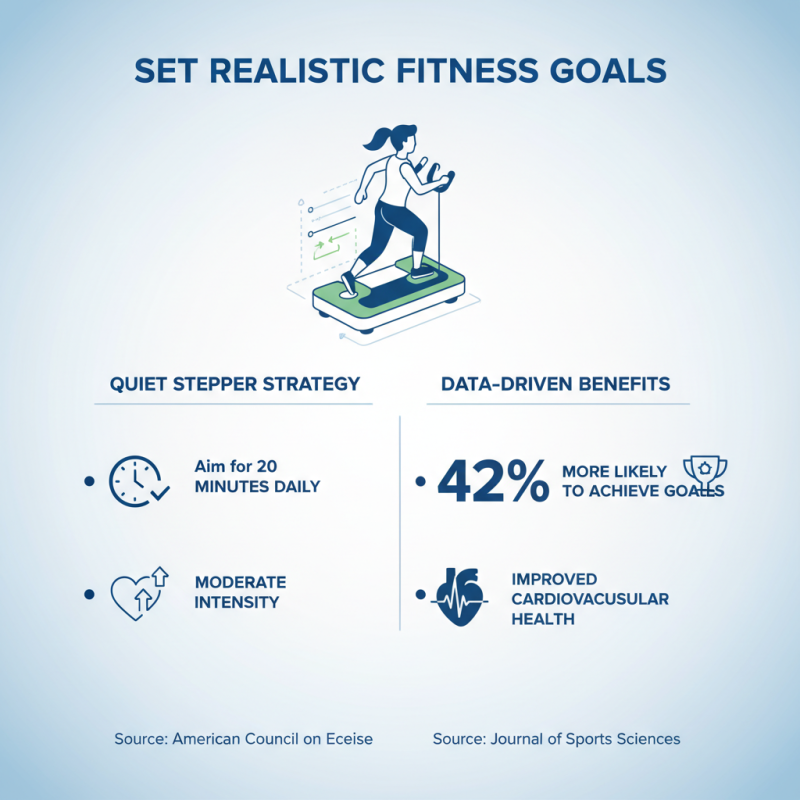
Setting realistic fitness goals is crucial when using a quiet stepper at home. According to research from the American Council on Exercise, individuals who set specific, measurable goals are 42% more likely to successfully achieve them. For instance, aim to step for 20 minutes daily at a moderate intensity. This correlates with findings from the Journal of Sports Sciences, which suggest that this duration can enhance cardiovascular health.
Start by assessing your fitness level. Be honest about your abilities. Many people overestimate how much they can handle, leading to frustration. Data shows that consistent, small increments in duration or intensity yield better long-term results. Try increasing your stepping time by just five minutes each week. Adapt your goals based on your progress. If you find your current targets are too easy or too difficult, adjust them. Flexibility in your approach keeps you motivated and engaged.
It's important to track your improvements. A recent study indicated that keeping a fitness journal significantly boosts commitment. Do not aim for perfection. Focus on the effort you put in rather than just the outcomes. Celebrate small victories. This encourages a positive mindset and helps build a sustainable fitness routine.
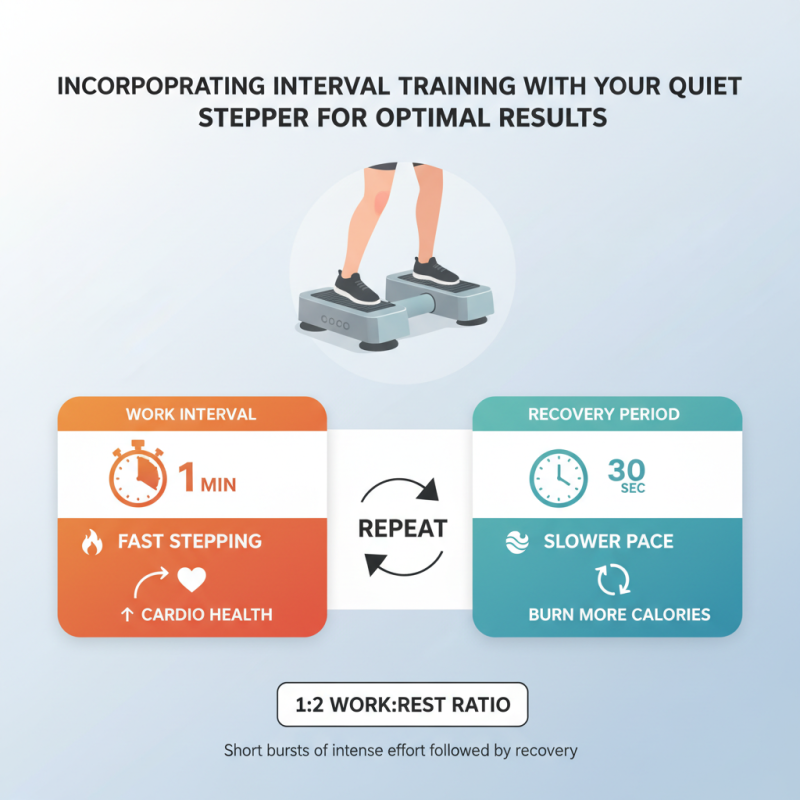
Interval training can elevate your workouts on a quiet stepper. Start with short bursts of intense effort, like a minute of fast stepping. Follow this with a 30-second recovery period at a slower pace. This approach improves cardiovascular health and burns more calories. Aim for a ratio of 1:2 for work and rest.
Incorporate different stepping patterns during your intervals. Try side steps, backward stepping, or high knees. Mixing up your routine keeps it engaging and helps you avoid plateaus. Track your progress in a journal. Reflect on what works and what feels tough. Adjust your intervals based on your comfort and energy levels. Don’t be afraid to experiment; some days might feel harder than others.
Maintaining your quiet stepper is crucial for its longevity and optimal performance. Regular upkeep can prevent issues that may arise from wear and tear. According to a recent study by the Fitness Equipment Manufacturers Association, 30% of fitness machines fail prematurely due to inadequate maintenance. Here are some tips to keep your stepper in top shape.
Clean your stepper frequently. Dust and grime can accumulate over time, affecting its functionality. Use a damp cloth to wipe down surfaces after each use. Pay special attention to the pedals, as they are prone to dirt buildup. Also, check for loose bolts or screws. These can lead to instability and can be a safety hazard.
Lubrication is key to smooth operation. Concentrate on the moving parts. A light oil can reduce friction and extend the stepper's lifespan. Additionally, consider where you place your stepper. It should be on a flat surface. Uneven ground can lead to misalignment and wear. Not addressing these factors can result in a noisy, less efficient machine.
Lastly, monitor usage frequency. Overusing the equipment can cause strain. Aim for balanced workout sessions and allow your stepper time to rest. In the long run, these simple habits can promote better performance and prevent costly repairs. Adapting to these practices can enhance your experience and ensure your stepper lasts longer.
| Tip Number | Tip Title | Description | Expected Outcome |
|---|---|---|---|
| 1 | Regular Maintenance | Inspect and clean the stepper weekly to prevent dust buildup. | Enhanced performance and lifespan. |
| 2 | Use a Mat | Place a rubber mat underneath to reduce noise and vibrations. | Quieter operation and improved surface protection. |
| 3 | Adjust Resistance | Use the resistance settings appropriately for your fitness level. | Increased effectiveness of your workout. |
| 4 | Stay Hydrated | Keep water nearby and sip during breaks. | Better hydration leads to better performance. |
| 5 | Proper Footwear | Wear athletic shoes with proper cushioning. | Reducing impact and improving comfort. |
| 6 | Monitor Your Progress | Use a fitness tracker to log your workouts. | Stay motivated and track improvements. |
| 7 | Warm up and Cool Down | Incorporate warm-up and cool-down exercises. | Prevents injuries and aids recovery. |
| 8 | Create a Routine | Set a specific time for your workouts daily. | Promotes consistency and discipline. |
| 9 | Optimize Your Space | Ensure enough space for movement and airflow. | Safer and more comfortable workout environment. |
| 10 | Listen to Your Body | Pay attention to any signs of discomfort or pain. | Prevents injuries and promotes long-term health. |