What is a Stepper Motor Rotor and How Does it Work?
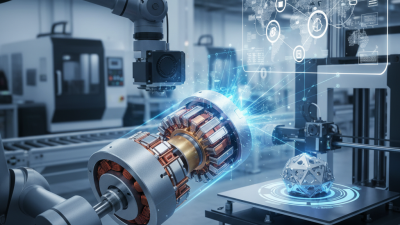
The Stepper Motor Rotor is a critical component in many precision applications. It converts electrical energy into mechanical motion. This mechanism boasts distinct advantages, especially in robotics, CNC machines, and automation systems. Understanding its construction and functionality helps clarify its impact on performance.
The rotor of a stepper motor is designed to rotate in precise increments. Each step corresponds to a pulse of electricity. This allows for accurate positioning and control. The design typically includes permanent magnets or toothed structures. These features enhance its ability to lock into specific positions efficiently.
However, stepper motors face limitations. They can lose steps under heavy loads. This may lead to inaccuracies in applications demanding high torque. The challenge lies in optimizing load management and motor specifications. Exploring these factors can deepen our knowledge of effective stepper motor usage.
What is a Stepper Motor Rotor?
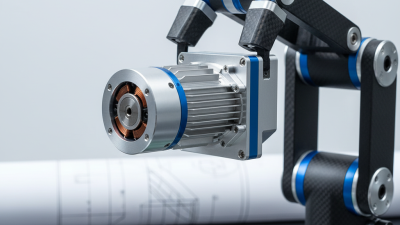
A stepper motor rotor is a critical component in stepper motors, widely used in precision applications. The rotor is typically a permanent magnet or a soft magnetic material. Its design allows it to move in discrete steps, rather than continuous rotation. This feature is crucial for applications needing exact positional control, such as 3D printers and CNC machines.
In terms of functionality, the rotor aligns itself with the magnetic field created by the stator. High-quality stepper motors can achieve step angles as low as 0.9 degrees. This precision is vital in scenarios where repeatability is essential. According to a recent market report, the stepper motor market is projected to grow at a CAGR of 7.8% from 2022 to 2030. This growth underscores the rotor’s importance in enhancing performance across various sectors.
Despite their efficiency, stepper motors have limitations. They can experience torque drops at higher speeds, posing challenges in fast-paced applications. Additionally, vibrations may occur under certain conditions. Understanding these factors is crucial for engineers and designers. As technology advances, improvements in rotor designs continue to evolve, promising better performance and reliability in the future.
What is a Stepper Motor Rotor and How Does it Work?
| Dimension |
Value |
Description |
| Rotor Diameter |
20 mm |
The diameter of the rotor in a small stepper motor. |
| Number of Poles |
200 |
The number of magnetic poles in the rotor, influencing step angle. |
| Step Angle |
1.8 degrees |
The angle the rotor moves with each step, calculated from poles. |
| Torque |
0.5 Nm |
The holding torque of the rotor, indicating strength. |
| Material |
Ferrite |
Material used for making the rotor, influencing magnetic properties. |
| Operating Voltage |
5-12 V |
Range of voltage for proper motor operation. |
Construction and Components of a Stepper Motor Rotor
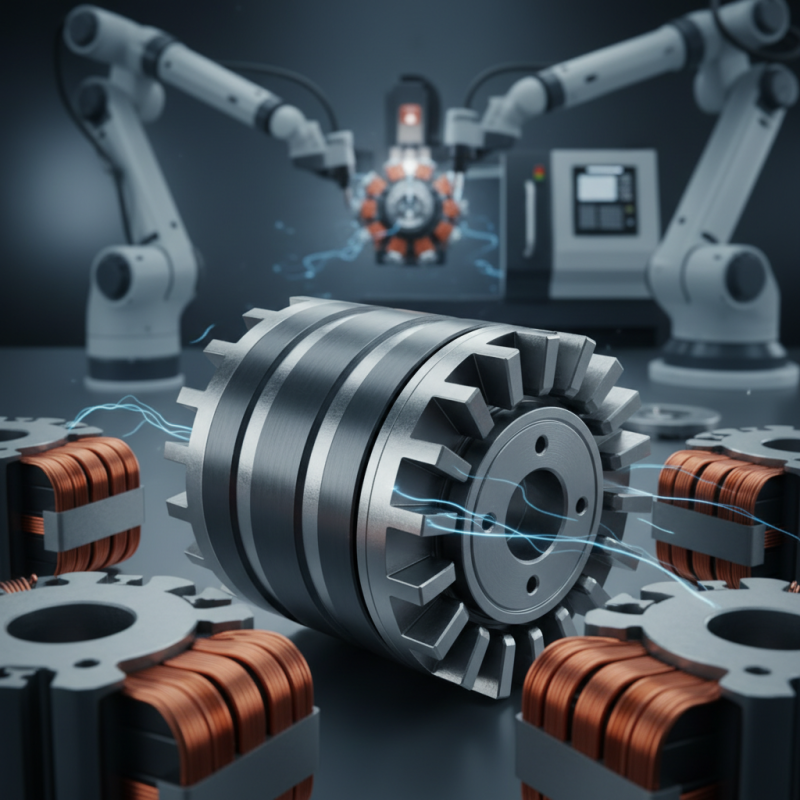
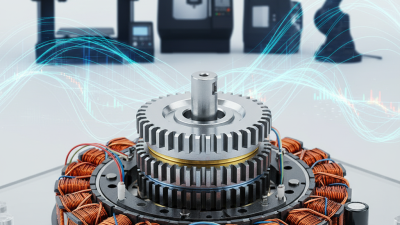
A stepper motor rotor is a crucial component in the operation of stepper motors. It is often made from metal and has a specific design that allows it to interact with the stator's magnetic fields. The rotor is typically equipped with teeth or permanent magnets. These features help it align with the magnetic field generated by the stator when electrical pulses are applied.
The construction of the rotor affects the performance of the stepper motor. Each rotor design may respond differently to the magnetic fields, impacting torque and speed. Some rotors may have a simple cylindrical shape, while others might incorporate complex geometries for improved precision. This variation means that engineers must choose the right rotor for their application to achieve optimal results.
However, imperfections can arise in rotor manufacturing. Small inconsistencies in shape or magnetization can lead to significant performance issues. Engineers must continuously test and refine rotor designs to minimize these flaws. Understanding the rotor's construction is essential for enhancing motor efficiency and reliability.
Operating Principles of a Stepper Motor Rotor
A stepper motor rotor is a crucial component that allows precise control of motion. Its operation is based on magnetic fields generated by coils in the stator. As these coils are energized sequentially, the rotor aligns itself with the magnetic field. This alignment happens in discrete steps, giving the motor its name. The result is accurate positioning and smooth motion, essential in many applications.
Tips: When selecting a stepper motor, consider the load requirements. Overloading can lead to performance issues. Also, proper cooling is crucial. A hot motor can lose efficiency.
Each rotor design affects its performance. Some rotors feature high detent torque, while others may prioritize rapid acceleration. It's essential to analyze your application's needs. Experimenting with different configurations can uncover optimal solutions. Consider adjustments in the winding or magnet arrangement to enhance efficiency.
Remember that the stepper motor's performance also depends on the controller used. Basic open-loop drivers are simple, but advanced ones can offer better precision. Investing in a quality driver can significantly improve overall performance.
Types of Stepper Motor Rotors and Their Applications
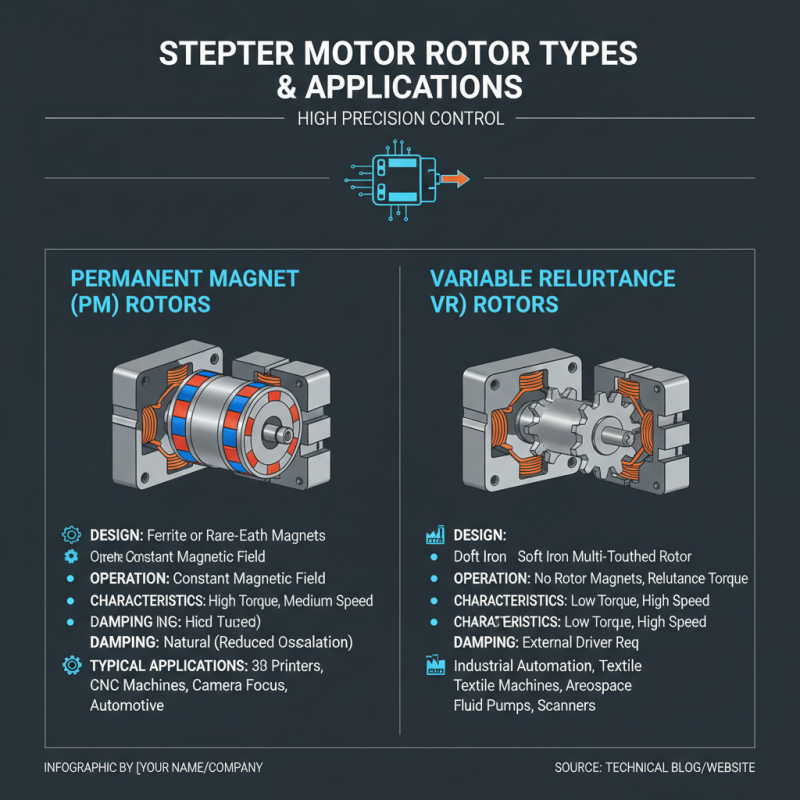
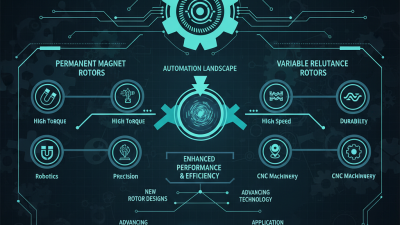
Stepper motors are popular in various applications due to their precise control and reliability. There are primarily two types of stepper motor rotors: permanent magnet (PM) and variable reluctance (VR) rotors. Each serves distinct functions based on design and intended application.
Permanent magnet rotors contain magnets that create a magnetic field. This type is widely used in robotics and CNC machines. According to a report by the International Electromechanical Association, PM stepper motors dominate the market with a 60% share due to their efficiency and capability of maintaining torque at lower speeds. Meanwhile, variable reluctance rotors rely on the geometry of motor windings and rotor teeth. They offer higher speeds and are typically seen in applications requiring rapid positioning, like laser engraving.
The choice between PM and VR rotors can greatly influence system performance. Users often overlook the sluggishness of VR types in low-speed situations. PM motors, while efficient, can experience demagnetization under specific conditions. This highlights the need for careful consideration in selecting the right type of stepper motor rotor for each application, ensuring optimal performance and longevity.
Advantages and Limitations of Stepper Motor Rotors
Stepper motor rotors are essential components in many precision applications. They provide accurate positioning and control, making them popular in robotics and automation. However, while they offer numerous advantages, there are also significant limitations to consider.
One of the main advantages of stepper motor rotors is their ability to maintain precise control over speed and position. This feature is crucial for applications that require high accuracy, such as CNC machines and 3D printers. Additionally, stepper motors can operate in an open-loop configuration, simplifying control systems and reducing costs. However, they tend to lose torque at higher speeds. This limitation can hinder performance in fast-paced applications.
Another benefit is their robustness and durability. Stepper motors can endure more stress without failing compared to other types of motors. Despite this, they are sensitive to heat and can demagnetize if overheated. Users must also consider resonance issues. If improperly tuned, stepper motors can vibrate, leading to decreased performance. The trade-offs between advantages and limitations must be carefully evaluated when selecting stepper motor rotors for specific applications.
Stepper Motor Rotor: Advantages and Limitations